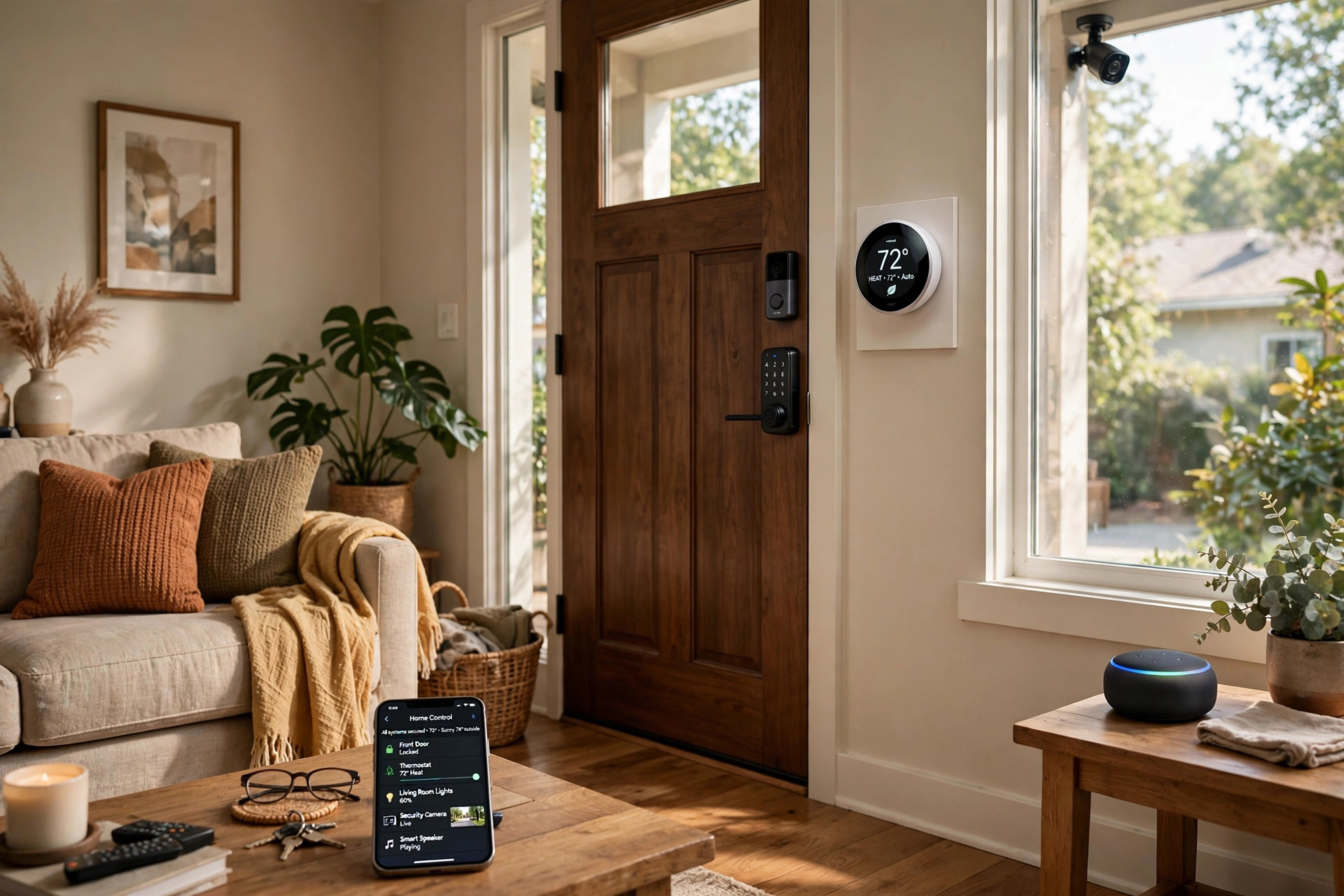
A whole home automation cost calculator USA helps you plan the price of a smart home before you spend a dollar. It adds up the cost of devices, wiring, hubs, and labor. Many buyers skip this step. They buy one gadget, then another, and soon the bill is far bigger than they planned. A good calculator stops that. It gives you one clear number to work with. This guide shows you how these tools work, what numbers they use, and how to build your own estimate by hand.
Why It Matters
Smart homes can cost a few hundred dollars or tens of thousands. The range is wide. Without a plan, you may buy gear that does not work together. You may pay for features you never use. You may hire a pro for work you could have done on your own. A whole home automation cost calculator USA puts you in charge. It lists what you want, prices each part, and shows the full bill.
Most homes in the United States follow the same pattern. Owners start with a smart speaker or a doorbell camera. Then they add locks, lights, and a thermostat. Each step is cheap on its own. The full set is not. A calculator keeps the full set in view. It also helps you compare. If one quote is far above the calculator result, you know to ask why. That one habit can save you a large sum.
How a Cost Calculator Works: Whole Home Automation Cost Calculator Usa
A cost calculator is a simple tool. You type in the rooms in your house. You check the boxes for the systems you want. The tool adds the device prices. Then it adds labor. Some tools add wiring and permit costs too. The result is a budget range, not a fixed quote. Real prices change by state, by brand, and by installer.
Most calculators ask for the same facts. They ask the size of your home. They ask how old the wiring is. They ask if you want pro installation or a do-it-yourself job. They ask which rooms get which gear. A 2,000 square foot home with new wiring will cost less to wire than a 1920s home with old plaster walls. The calculator adjusts for that. Reviews of smart home systems at CNET can help you learn typical device prices before you start.
What to Look For in a Calculator
Not all calculators are equal. A weak one hides its math. It asks for your email and shows a vague number. A strong one shows its work. It lists each device, each price, and each labor line. Look for a tool that lets you change the numbers. You should be able to swap a $250 thermostat for a $170 one and see the total move.
Check the date of the data. Prices shift each year. A calculator built in 2021 will be wrong in 2026. Check if it covers your state. Labor rates in Texas are not the same as labor rates in California. A USA-focused calculator should say which labor tables it uses. Test reports at Consumer Reports often list what a fair installed price looks like for common systems.
Types of Home Automation Systems
Whole home automation covers many systems. Each one has its own price band. Here are the main ones you will meet in a calculator.
Lighting
Smart lighting is the most common start. A smart bulb costs about 10 to 25 dollars. A smart switch costs about 30 to 70 dollars. A full house of smart switches can run 1,500 to 4,000 dollars with labor. Smart switches are better than smart bulbs for whole homes. They stay in the wall and guests can use them like normal switches.
Locks and Door Hardware
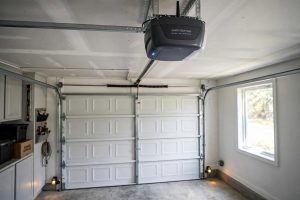
Smart locks cost about 150 to 350 dollars each. Most homes need two or three. Garage door keypads add about 50 to 150 dollars. If you want to learn about this gear before you buy, see our guide on keypad locks for garage doors. A pro can fit a lock in under an hour. That keeps labor low.
Security Cameras and Alarms
This is the biggest cost driver. A video doorbell costs about 100 to 250 dollars. Outdoor cameras cost about 100 to 400 dollars each. A monitored alarm system costs about 200 to 600 dollars for gear, plus a monthly fee of 20 to 60 dollars. If the monthly fee worries you, read our piece on home security systems with no monthly fee. Some homes need wired cameras for steady video. That adds real labor cost.
Thermostats and Climate
Smart thermostats cost about 130 to 300 dollars. Most homes need one, some need two. Install is simple if your wiring has a C wire. If not, an installer must add one. That is a small job but it adds to the bill. Zoned systems with smart vents cost far more and need a pro.
Smoke and CO Detectors
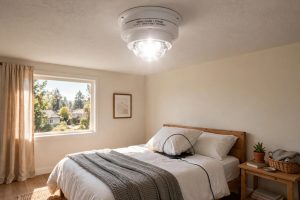
Smart smoke detectors cost about 100 to 150 dollars each. They alert your phone when smoke or carbon monoxide is found. Many homes need six to ten. Our review guide on smart smoke detectors compares top models. This is one area where cheap gear is a poor choice.
Speakers and Entertainment
Whole home audio runs from a few hundred dollars to several thousand. A pair of smart speakers costs about 100 to 300 dollars. Built-in ceiling speakers with wiring cost 300 to 800 dollars per room with labor. Most calculators treat audio as an add-on, not a core cost.
Hubs and Voice Control
A hub ties the gear together. Some hubs cost 100 to 200 dollars. Many people skip the hub and use a smart speaker as the hub. That works for simple setups. Larger setups work better with one main hub. Google sells its smart home line through the Google Store.
Cost and Price: What the Numbers Look Like
Now we reach the heart of the whole home automation cost calculator USA. Below are common price bands. These are 2026 ranges for the United States. They include devices but not always labor. Labor notes follow each band.
A starter setup costs 500 to 1,500 dollars. This covers a smart speaker, a video doorbell, a few bulbs or switches, and a lock. Most of this is do-it-yourself work. Labor is near zero if you do it on a weekend.
A mid-range setup costs 3,000 to 8,000 dollars. This covers smart switches through the main rooms, two or three locks, a thermostat, a few cameras, and detectors. Some labor is likely. Expect 500 to 2,000 dollars for pro help on the harder parts.
A full setup costs 10,000 to 30,000 dollars. This covers full lighting control, whole home audio, wired cameras, shades, and a pro-designed system. Labor can be 30 to 50 percent of the total. Old homes with tough walls push toward the top of the range.
A luxury setup costs 30,000 to 100,000 dollars or more. This means custom control systems, hidden speakers, motorized shades in every room, and a dedicated installer who programs it all. News and reviews at The Verge often cover these high-end systems.
To build your own estimate, list each room. Write the gear for that room. Price each item at a major retailer. Add 10 percent for parts you forgot, such as wall plates, mounts, and cable. Then add labor. Simple device swaps cost about 75 to 150 dollars per hour for an electrician. Full wiring runs cost more. Your final number is your personal whole home automation cost calculator USA result. Tech guides at PCMag can help you price the hub and networking side.
Do It Yourself vs Hiring a Pro
This choice moves the total more than any other. Do-it-yourself work costs only your time. It fits plugs, bulbs, battery cameras, locks, and thermostats. If you can use a screwdriver, you can do most of it. The risk is low. The worst case is a call to support.
Hire a pro for line voltage work, new wiring, wired cameras, and anything behind the walls. A licensed electrician charges about 75 to 150 dollars per hour in most US markets. A home automation installer charges about 100 to 200 dollars per hour. Get two quotes. Ask each one what is included. A low quote that skips programming and setup is not a low quote.
Some buyers split the job. They do the easy parts themselves and hire a pro for the hard parts. This is often the best value. A calculator lets you test both paths. Run it once with full labor and once with none. The gap shows what your time is worth.
Care and Upkeep
A smart home needs care after the install. Plan for it in your budget. Most devices get software updates for five to eight years. After that, some lose support. Budget about 5 to 10 percent of the device cost per year for replacements and upgrades.
Batteries are a small but real cost. Locks, sensors, and battery cameras need new batteries one or two times a year. Rechargeable packs cut the waste. Check the app once a month for low battery alerts. A dead lock battery can lock you out, so change them early.
Wi-Fi is the backbone. Old routers choke on 30 smart devices. A modern mesh system costs 200 to 400 dollars and is worth it. Place one node near the cameras. Weak signal is the top cause of smart home trouble calls. Fix the network first and half your problems vanish.
Safety
Safety has two sides: fire safety and data safety. On the fire side, buy listed gear. Look for UL or ETL marks on anything wired into the wall. Never wire a smart switch into a box with damaged insulation. Turn off the breaker before you touch wires. If you feel unsure, stop and call an electrician. The US Consumer Product Safety Commission at CPSC tracks recalls on home devices, so check your models there.
On the data side, use a strong unique password for your smart home account. Turn on two-step sign in. Keep the firmware up to date. Cheap no-name cameras from unknown sellers can be a privacy risk. Buy from known brands such as the ones sold by Ring and reviewed by independent labs. Put cameras only where you truly need them. Never place one in a bedroom or bath.
Smoke and carbon monoxide detectors save lives. Test them monthly. Replace them at the end of their rated life, usually ten years. A smart detector is only smart if the sensor still works. The physical sensor matters more than the app.
Frequently Asked Questions
How much does whole home automation cost in the USA?
A starter setup costs 500 to 1,500 dollars. A mid-range setup costs 3,000 to 8,000 dollars. A full setup costs 10,000 to 30,000 dollars. Luxury custom systems start at 30,000 dollars and rise fast. Labor is the biggest variable. Use a whole home automation cost calculator USA to set your own number.
Are online cost calculators accurate?
They are good for planning, not for final quotes. A good calculator lands within 15 to 20 percent of a real quote. A weak one can be off by half. Use the calculator to set a budget. Then get two real quotes from local installers. If the quotes match the calculator, you are in safe hands.
Can I automate an old house?
Yes, but it costs more. Old plaster walls and knob-and-tube wiring make labor slow. Battery devices help you skip new wiring. Smart locks, battery cameras, and plug-in modules work in almost any home. Budget extra labor for anything wired. An inspection of the electrical panel is a smart first step.
Do I need a monthly plan?
Not always. Locks, lights, thermostats, and detectors work with no fee. Monitored alarms charge 20 to 60 dollars a month. Cloud video storage for cameras often costs 3 to 15 dollars a month per camera. Add these fees to your calculator. Ten years of fees can cost more than the gear.
Which system should I start with?
Start with the one that solves a real pain. If you lose keys, start with a smart lock. If bills are high, start with a thermostat. If packages vanish, start with a doorbell camera. One working system beats five half-done ones. Brands like SimpliSafe and ADT sell starter kits that bundle the basics.
Will smart gear raise my home value?
It can help a sale but rarely pays for itself. Buyers like smart locks, thermostats, and doorbells. They rarely pay extra for complex custom systems. Keep the gear simple and mainstream if resale matters. Leave clear notes and reset codes for the next owner.
A Short Final Word
A whole home automation cost calculator USA is a planning tool, not a crystal ball. It turns a vague dream into a list with prices. Start small if the full number shocks you. Add one room at a time. Keep receipts and track the real spend against your plan. In a year or two, you will have the smart home you wanted, at a price you chose, with no ugly surprise at the end.
References
ADT. (n.d.). Home security and automation. https://www.adt.com CNET. (n.d.). Technology news and reviews. https://www.cnet.com Consumer Reports. (n.d.). Product reviews and ratings. https://www.consumerreports.org Google Store. (n.d.). Smart home devices. https://store.google.com PCMag. (n.d.). Technology product reviews. https://www.pcmag.com Ring. (n.d.). Smart home security devices. https://www.ring.com SimpliSafe. (n.d.). Home security systems. https://www.simplisafe.com The Verge. (n.d.). Technology news and reviews. https://www.theverge.com U.S. Consumer Product Safety Commission. (n.d.). Product safety information. https://www.cpsc.gov
Was this guide helpful?

About Emily Rodriguez
The My Garden US editorial team writes practical, in-depth home and garden guides for American homeowners — tested advice, no fluff.