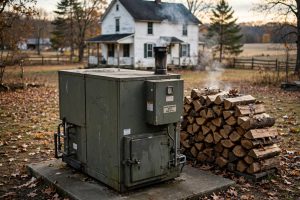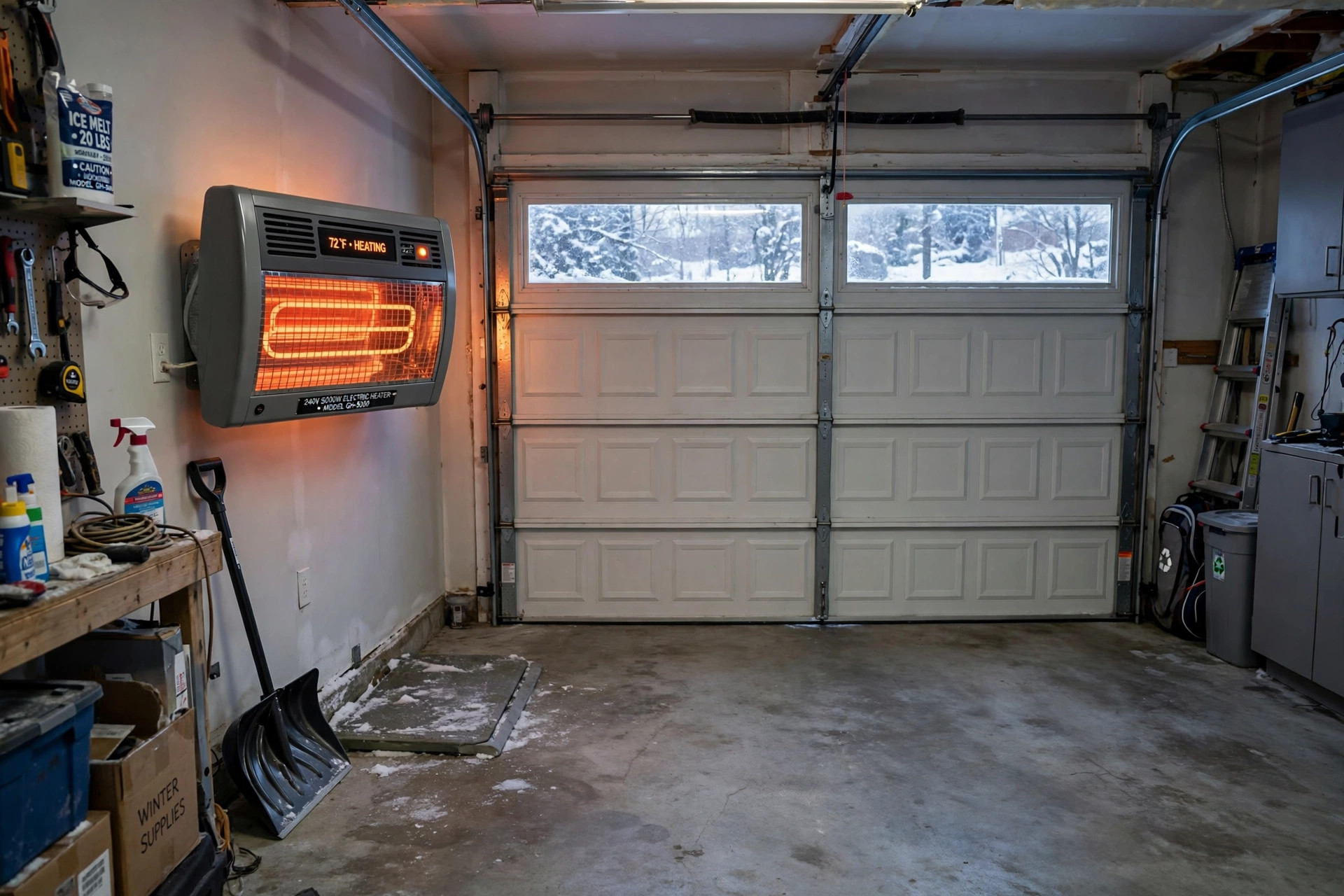

Winter turns a cold garage into a place no one wants to enter. The concrete floor feels like ice. Tools stiffen. Paint cans freeze. Many owners in the northern states face this same problem every year. This guide to the best garage heater for winter reviews usa readers trust pulls the choice down to simple terms. It explains what matters, what each type does, and what each costs. By the end, you can pick a unit that fits your space and your budget.
Why a Garage Heater Matters in Winter
A garage is more than a parking spot. Many Americans use it as a workshop, a gym, or a storage room. When the temperature falls below freezing, all of these uses stop. Glue will not set. Car batteries lose power. Water pipes in the walls can burst and flood the room.
Heat protects more than comfort. It protects your tools and your car. Cold air carries moisture. Moisture makes rust on steel tools and metal parts. A steady heat keeps the air dry and holds the room above freezing. Reviews of garage heaters often mention this point first. Buyers who wanted comfort found that their tools lasted longer too.
A warm garage also extends the working season. Many home owners do car repair, wood work, or hobby projects from November to March. Without heat, that work must wait for spring. With a heater, the garage stays useful all year. Home guides such as This Old House have long noted that a heated garage is one of the most used spaces in a cold-climate home.
There is another reason to heat the space. An unheated garage attached to a house pulls heat from the walls of the living rooms. The furnace must run harder. A modest heater in the garage can cut that drain and save energy in the main house.
How to Choose the Right Garage Heater: Best Garage Heater for Winter Reviews Usa
Choosing a heater starts with the room, not the catalog. Measure first and buy second.
Measure the Space
Heater power is rated in BTU, which stands for British Thermal Unit. One BTU is the heat needed to warm one pound of water by one degree. For a garage, a common rule is 45 to 50 BTU for each square foot in a cold climate. A two-car garage of 400 square feet needs about 18,000 to 20,000 BTU. A three-car garage of 600 square feet needs about 27,000 to 30,000 BTU.
Ceiling height matters too. Garages with high ceilings need more power because heat rises. Add one quarter more BTU for a ceiling above ten feet. A shop with a twelve-foot ceiling may need 25 percent more heat than the same floor plan with an eight-foot ceiling.
Check the Insulation
An insulated garage holds heat with a smaller unit. Bare walls of concrete block lose heat fast. If your garage has no wall insulation, plan on the upper end of the BTU range. Some owners insulate first, then buy the heater. The insulation pays for itself in lower fuel cost.
Doors and windows are the weak points. A steel garage door without insulation is one big cold panel. An insulated door kit can cut heat loss by a large share. Check the seals along the bottom and sides of the door as well. Cold air pours through gaps.
Pick the Fuel
The three main choices are electric, natural gas, and propane. Electric units are simple to install. You mount the unit and plug it in. Natural gas units cost less to run in most states, but they need a gas line and a vent to the outside. Propane works well in rural areas with no gas line, but the fuel must be delivered and stored. A solid energy saving guide can help you compare running costs in your state.
Types of Garage Heaters
Electric Forced-Air Heaters
These are the most common garage heaters in the country. A fan blows air over hot coils and pushes warm air into the room. They mount on a wall or hang from the ceiling. Most models run on 240 volts, which needs a special circuit from the breaker panel.
The strong points are clear. They cost little to buy, they install in an hour or two, and they need no vent. The weak point is running cost. Electric heat is the most costly kind of heat per BTU in many states. They fit best in small garages or in rooms used only on weekends. Major makers of heating equipment, such as Carrier and Trane, sell electric unit heaters through their dealer networks.
Electric Infrared Heaters
Infrared heaters work like the sun. They warm objects and people, not the air. The heat reaches you in seconds. There is no fan and no warm-up wait. They run silent, which many shop owners like.
Infrared fits open garages and drafty shops. Because it heats surfaces, not air, a draft does not carry the heat away. The drawback is reach. The heat falls off with distance. You must stand or work near the unit to feel full warmth. Mount them above the work bench or the main work area.
Natural Gas Unit Heaters
Gas unit heaters hang from the ceiling and blow hot air down. They are the standard choice for large garages and shops. A gas unit can warm 1,000 square feet without strain. Fuel cost per BTU is low in most of the country.
The trade is a harder install. You need a gas line, a vent through the wall or roof, and a permit in most towns. A licensed installer should do the work. Brands with deep roots in gas heating, such as Lennox and Goodman, build heavy-duty gas unit heaters that last for decades.
Propane Heaters
Propane heaters work like gas heaters but use bottled fuel. They suit detached garages with no gas line. Portable propane units can roll from spot to spot. Fixed wall units connect to a large tank outside.
Watch the fuel cost. Propane prices swing with the season and the region. Check local prices before you commit. Venting rules are the same as for gas. Never run an unvented propane heater in a closed garage. Rheem and other makers offer propane-ready models for rural buyers.
Kerosene and Diesel Heaters
Kerosene torpedo heaters push out huge heat fast. Contractors use them on open job sites. They can warm a large garage in minutes. But they are loud, they smell, and they need fresh air. They fit short bursts of heat, not daily winter use.
Cost and Price Ranges
Prices fall into three bands. Portable electric heaters cost 50 to 150 dollars. Wall or ceiling electric units cost 150 to 500 dollars. Gas and propane unit heaters cost 400 to 1,200 dollars, and install adds 500 to 1,500 dollars more.
Running cost matters more than the sticker price. A 5,000-watt electric heater draws about 17,000 BTU worth of heat and costs roughly 60 to 75 cents per hour to run at average power rates. A gas unit of the same heat output may cost 25 to 35 cents per hour in fuel. Over a winter of regular use, gas can save hundreds of dollars.
Installation cost varies by type. An electric 240-volt unit needs an electrician to add a circuit, often 200 to 400 dollars. A gas unit needs a gas fitter and a vent, often 500 to 1,500 dollars. If you are weighing the full price of the job, see our guide on HVAC financing options for new systems, which breaks down how many owners spread the cost of bigger heating jobs.
Buyers who study the best garage heaters for cold winters often find that a mid-price gas unit wins on total cost. It costs more up front but runs cheaper for ten winters. An electric unit wins when the garage is small and the heat runs only a few hours each week.
Look for the ENERGY STAR label when you shop. It marks units that meet federal rules for efficiency. The label does not guarantee low bills, but it steers you away from the wasteful models.
Care and Upkeep
A garage heater asks for little care, but it does ask for some. Give it an hour each fall before the cold arrives.
Start with cleaning. Dust settles on coils, fans, and burners over the summer. Vacuum the intake and wipe the vents. A clogged unit works harder and heats less. For gas units, check the flame. It should burn blue and steady. A yellow, lazy flame means poor burn and calls for a service visit.
Check the thermostat each season. Many owners add a simple wall thermostat so the heater holds a set temperature. Set it at 45 to 50 degrees when you are not using the room. That setting stops freezing without wasting fuel. Raise it to 60 or 65 degrees when you work.
Look at the wiring and the vent once a year. Rodents chew wires in garages. A chewed wire is a fire risk. On gas units, make sure the vent cap outside is clear of nests and snow. A blocked vent can push fumes back into the room.
Moisture is the quiet enemy of garage heat. A damp garage feels colder than the thermometer says. Keep the floor dry and seal gaps where snow melts in. If your space stays humid, read our notes on the best dehumidifier for a basement, since the same moisture rules apply below grade and in the garage.
Practical step-by-step repair guides from Family Handyman are a good backup when a small part, such as a fan switch or a thermostat wire, needs work.
Safety Rules
Heat and garages mix well only when safety comes first. Follow these rules without exception.
Keep clear space around the unit. Most makers call for three feet of clear space on all sides. Never store paint, gasoline, solvents, or rags near the heater. Gasoline fumes are heavy. They sink to the floor and can reach a pilot light or hot coil.
Install a carbon monoxide detector in the garage. This is a must for gas and propane units. The gas has no smell. A detector is the only warning you get. Test it each fall with the test button.
Never use an unvented fuel heater in a closed garage. Never run a car engine in a closed garage to warm the room. Both moves can fill the space with poison gas in minutes. Federal safety pages stress this point year after year.
Let a licensed pro handle gas lines and 240-volt wiring. The permit may feel like a bother. It is the town’s way of making sure the install is safe. A bad gas joint or a thin wire can cause a fire months later.
Keep a fire extinguisher rated for electrical and flammable fires near the garage door. Check its gauge each year. A ten-pound unit is enough for most home garages.
Frequently Asked Questions
What size garage heater do I need for winter? Measure the square feet and multiply by 45 to 50 BTU for a cold climate. A 400 square foot two-car garage needs about 18,000 to 20,000 BTU. Add more if the ceiling is high or the walls have no insulation.
Are electric garage heaters worth it? Yes, for small garages and light use. They are cheap, simple, and need no vent. They cost more to run per hour than gas. For daily winter use in a large garage, gas usually costs less over the years.
Can I heat a detached garage? Yes. Electric units work in any detached garage with a proper circuit. Propane units work where there is no gas line and no heavy wiring. Insulate the walls first if you can. It cuts the heater size you need.
Do I need to vent a garage heater? Electric heaters need no vent. Gas, propane, and kerosene heaters must vent to the outside. Venting carries out fumes and moisture. Skipping the vent is dangerous and breaks most local codes.
How much does it cost to run a garage heater all winter? An electric 5,000-watt unit costs about 60 to 75 cents per hour. Run it eight hours a day for 120 days and the bill lands near 600 to 700 dollars. A gas unit of the same output often runs for half that in fuel. Local rates change the math, so check your own bills.
Is it safe to leave a garage heater on overnight? A fixed, vented gas unit or a hard-wired electric unit with a thermostat can run overnight. Portable heaters should never run while you sleep. Keep all units clear of stored goods and make sure the carbon monoxide detector works.
A Final Word
The best garage heater for winter is the one that fits your space, your fuel, and your budget. Measure the room. Check the insulation. Pick electric for simple installs and light use. Pick gas or propane for big spaces and daily heat. Keep up with the yearly cleaning and the safety checks. Do that, and the garage stays warm, dry, and useful straight through to spring. For a broader look at home airflow beyond heating season, our whole house fan versus attic fan comparison covers the warm months.
References
Carrier. (n.d.). Heating and cooling systems. https://www.carrier.com ENERGY STAR. (n.d.). Energy efficient products. https://www.energystar.gov Family Handyman. (n.d.). DIY home repair and maintenance. https://www.familyhandyman.com Goodman. (n.d.). Heating and cooling equipment. https://www.goodmanmfg.com Lennox. (n.d.). Heating and cooling systems. https://www.lennox.com Rheem. (n.d.). Heating, cooling, and water heating. https://www.rheem.com This Old House. (n.d.). Home renovation guidance. https://www.thisoldhouse.com Trane. (n.d.). Heating and air conditioning. https://www.trane.com U.S. Department of Energy. (n.d.). Energy efficiency and renewable energy. https://www.energy.gov
Was this guide helpful?

About Michael Thompson
The My Garden US editorial team writes practical, in-depth home and garden guides for American homeowners — tested advice, no fluff.
You May Also Like
Duct Sealing Cost With Aeroseal Near Me: A Plain Guide for Homeowners
September 27, 2026 0 views
How to Lower Heating Bill in Winter USA: 12 Proven Ways to Pay Less
July 6, 2026 0 views
What Does a Gas Garage Heater Installation Cost in the USA?
September 23, 2026 0 views