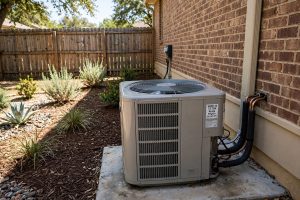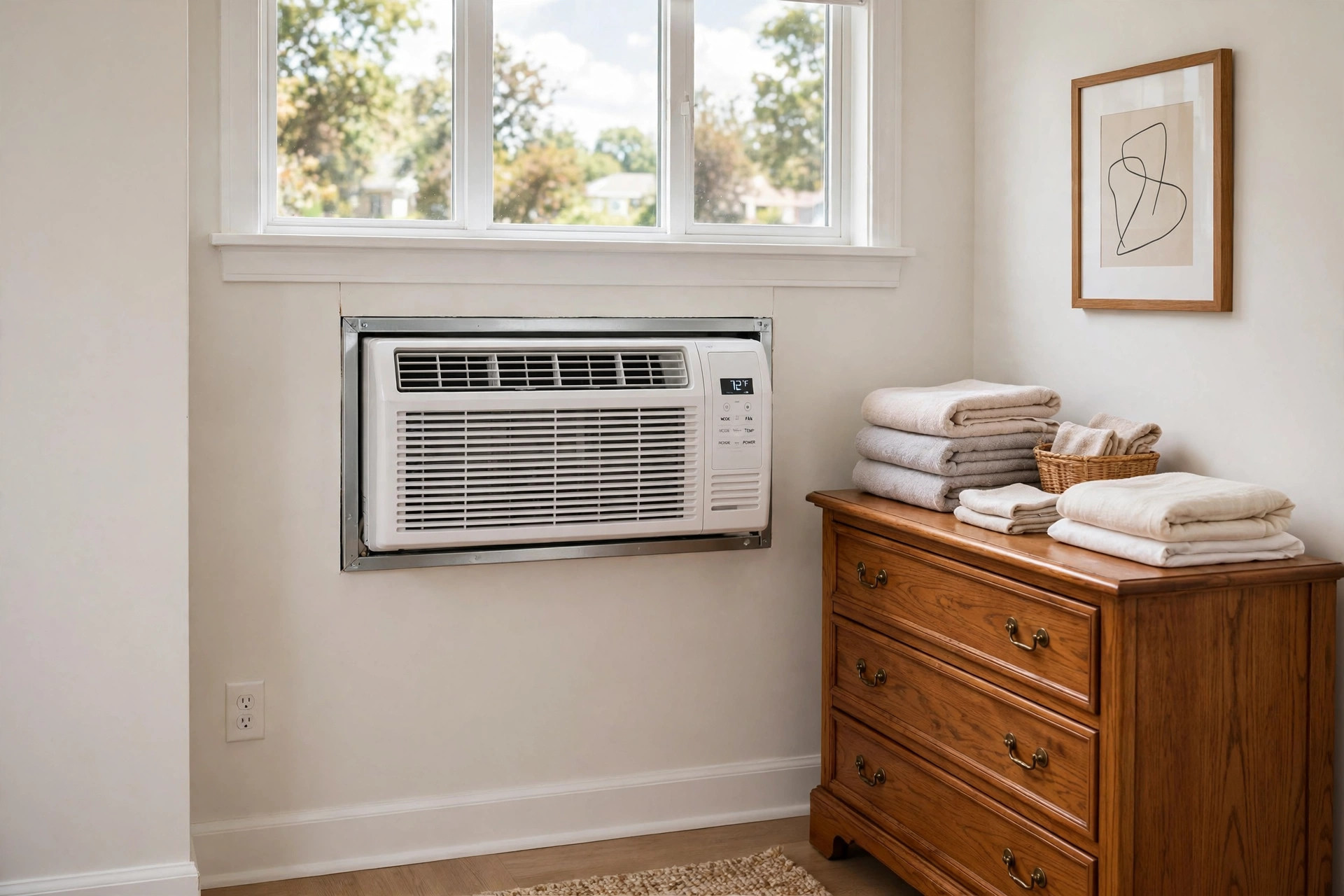

Hot rooms need cool air. Some homes do not have ducts. A through-the-wall air conditioner can fix that problem. It mounts in a metal sleeve that sits inside the wall. It cools one room or a small zone. Many buyers read the best through the wall ac reviews usa before they buy one. This guide brings the main facts together in one place.
Why It Matters
A room that stays hot is hard to live in. Sleep suffers. Work suffers. Food spoils faster. Pets feel the heat too. A through-the-wall unit gives steady cooling where central air does not reach. Additions, garages, offices, and upstairs rooms all cool well with these units.
Wall units differ from window units. A window unit sits in a window frame. A through-the-wall unit sits in a sleeve in the wall. The sleeve stays in the wall all year. The unit slides into the sleeve. This setup seals better. It blocks less light. It looks neater from the street. Reviews from Carrier and other maker sites show that buyers value the clean fit.
These units also run quieter than many window models. The noisy parts sit farther back in the wall. The room hears less of the compressor. That matters in bedrooms. The U.S. Department of Energy notes that steady, well-sized cooling uses less power than a unit that cycles on and off all day.
Renters and owners both buy these units. In rented homes, the wall sleeve often belongs to the building. The tenant buys only the chassis. Check the lease first. Some landlords want the same size unit as before. In owned homes, the buyer owns both parts. Either way, the sleeve outlasts the unit. A good sleeve can serve three or four units over its life. That makes the first install the costly part and the later swaps cheap and fast.
What to Look For: Best Through the Wall Ac Reviews Usa
Start with size. Measure the room. Use length times width to get the square footage. Makers list the cooling power in BTUs. A room of 350 square feet needs about 8,000 BTUs. A room of 550 square feet needs about 12,000 BTUs. A room of 1,000 square feet needs about 18,000 BTUs. An undersized unit will run all day and still leave the room warm. An oversized unit will cool fast, shut off, and leave the air damp.
Check the energy rating. Look for the ENERGY STAR label. It marks units that use less power than the basic models. A high EER or CEER number means lower bills. The ENERGY STAR program lists room air conditioners that meet its current rules. Buyers who read Trane product notes often see the same advice.
Noise level matters. Makers list sound in decibels. A rating near 50 decibels is quiet. A rating near 60 decibels is loud enough to notice. Bedrooms need quiet units. Living rooms can take a bit more sound.
Look at the sleeve. Many brands sell standard sleeves. Some sleeves fit only one brand. Measure the wall opening before you shop. The sleeve depth must match the wall depth. If the wall is thick, you may need an extension sleeve.
Controls should be simple. A remote control helps. A timer helps more. Set it to cool the room before you get home. A sleep mode raises the set point by a few degrees at night. That saves power and keeps the room still cool.
Drainage matters too. Cool air leaves water behind. The unit must drain it outside. Check the drain path in your wall. Some units splash water onto the condenser to help it cool. That can lower power use a little.
Smart Features Worth Paying For
Some new models connect to a phone app. You can turn them on from work. You can check the filter from the couch. A few work with voice helpers. These features cost more. They save time. They do not cool better than a plain unit of the same size. Decide what fits your life.
Types and Options
Standard Cool-Only Units
These cool and dehumidify. They are the most common type. They cost the least. They suit rooms that need summer cooling only.
Heat and Cool Units
Some wall units also heat. They use a heat pump or an electric coil. A heat pump moves heat from outside air. It costs more to buy but uses less power than plain electric heat. These suit rooms that need year-round comfort. Guides on Family Handyman explain the trade-offs in plain terms.
High-BTU Units
Big rooms need big units. Some models reach 24,000 BTUs. These often need a 230-volt outlet. Check your wiring first. A 115-volt outlet can run units up to about 12,000 BTUs. Larger units need a dedicated 230-volt line. An electrician can add one. The Rheem product line shows how voltage drives what a unit can do.
Quiet Series Models
A few makers sell quiet lines. They use better fans and thicker walls inside the case. They cost more. They suit bedrooms and home offices. Reviews at Goodman and similar maker sites often praise the low hum of these units.
Cost and Price
Prices run wide. A small 8,000-BTU unit can cost around 400 dollars. A mid-size 12,000-BTU unit often runs 500 to 700 dollars. A large 18,000-BTU unit can reach 900 dollars or more. Heat-and-cool models cost 100 to 200 dollars more than cool-only models of the same size.
The sleeve costs extra. A new wall sleeve runs 60 to 120 dollars. If a sleeve is already in the wall, you save that cost. But the old sleeve must match the new unit. Sleeves are not all the same size.
Installation adds more. A new wall opening takes real work. A carpenter or handyman must cut the wall. The job takes two to four hours. Labor often runs 150 to 400 dollars. That depends on the wall type and the town. If the wall is brick or stone, the cost rises. This Old House repair notes at This Old House give a fair picture of what wall work costs.
Running costs matter too. A 12,000-BTU unit with a good rating may use about 900 watts. Run it eight hours a day for three months. At fifteen cents a kilowatt-hour, that adds about 100 dollars to the summer bill. A weak unit with a low rating can cost 30 to 50 dollars more per season. The ENERGY STAR calculator can sharpen the math for your town.
Think long term. A cheap unit that eats power can cost more over five years than a dearer efficient unit. Read the Lennox and other maker guides with a calculator in hand.
Care and Upkeep
Clean the filter every month in summer. A dirty filter chokes the air. The unit works harder. The room cools less. Most filters slide out and rinse clean. Let the filter dry fully before you put it back.
Wipe the front grille. Dust blocks the air path. Vacuum the fins at the back of the unit once a year. Bent fins hurt air flow. A cheap fin comb can straighten them.
Check the drain each spring. Pour a cup of water through the drain line. Make sure it runs free. A clogged drain can leak water into the wall. That rots wood and feeds mold.
Look at the seal around the sleeve. Old foam strips crack. New foam strips cost little. Press fresh strips around the unit each year. They stop hot air from leaking in.
Service the unit every two or three years. A tech can check the refrigerant. Low refrigerant means a leak. The tech can also oil the fan motor if it needs oil. Many new motors are sealed and need no oil.
Store nothing on top of the outdoor side. Leaves and grass clippings block the fins. Keep a foot of clear space. Trim shrubs back each spring.
Watch for frost on the coil. A thin layer of ice can form on very humid days. It usually melts on its own. Thick ice that does not melt points to low air flow or low refrigerant. Clean the filter first. If the ice stays, call a tech. Running the unit with a frozen coil can harm the compressor.
Safety
Cut the power before you clean. Pull the plug or flip the breaker. Water and live wires do not mix. Let the unit sit for a few minutes before you touch the fins.
Secure the unit in the sleeve. A loose unit can slide. Follow the maker screws and brackets. The unit must tilt slightly outward so water drains out, not in.
Do not run the cord under a rug. Heat can build up. Plug the unit straight into the wall outlet. Avoid thin extension cords. If the outlet feels warm, call an electrician.
Keep children from the controls. Lock the panel if the model allows it. Small hands should stay out of the louvers. The fan spins fast inside.
Check local codes. Some towns want a permit for a new wall opening. Some condos and co-ops ban wall units on street-facing walls. Ask the building office before you cut.
FAQ
How long does a through-the-wall air conditioner last?
Most last 10 to 15 years. Clean filters and yearly care stretch the life. A unit that runs in a dusty room may wear out sooner. A unit that is sized right and serviced on time can pass the 15-year mark.
Can I put a wall unit where a window unit used to be?
No, not directly. A window unit vents through its sides. A wall unit vents through its back. The wall opening must be built for a wall sleeve. Some old sleeves can take a new wall unit if the sizes match. Measure twice.
Do through-the-wall units need a dedicated circuit?
Small 115-volt units often share a circuit with other small loads. Large 230-volt units need their own circuit and breaker. The nameplate on the unit lists the amps. Match the breaker to that number. When in doubt, ask an electrician.
Which is better, a through-the-wall AC or a ductless mini split?
A mini split costs more to install but runs quieter and cools better. A wall unit costs less up front and suits one room. Readers comparing the two should also look at our guides to energy efficient mini split for 1500 sq ft, best mini split for cold climates reviews usa, and mini split vs central ac cost comparison usa for the full picture.
Why does my wall AC smell musty?
Dust and damp sit on the coil. Run the fan for an hour with the cool off to dry the coil. Clean the filter. If the smell stays, the drain may be clogged. Clear it. A tech can wash the coil with a safe cleaner if needed.
Can these units heat in winter?
Heat-and-cool models can. Heat pump models work best in mild cold. Plain electric heat models work in any cold but cost more to run. Cool-only models give no heat at all. Read the label before you buy.
A Short Final Word
A through-the-wall air conditioner is a solid pick for one hard-to-cool room. Measure the room. Pick the right BTUs. Check the energy rating. Match the sleeve to the wall. Keep the filter clean. Do these five things and the unit will serve you well for years. Shoppers who start with the best through the wall ac reviews usa make fewer costly mistakes than those who buy on price alone.
References
Carrier. (n.d.). Heating and cooling systems. https://www.carrier.com ENERGY STAR. (n.d.). Energy efficient products. https://www.energystar.gov Family Handyman. (n.d.). DIY home repair and maintenance. https://www.familyhandyman.com Goodman. (n.d.). Heating and cooling equipment. https://www.goodmanmfg.com Lennox. (n.d.). Heating and cooling systems. https://www.lennox.com Rheem. (n.d.). Heating, cooling, and water heating. https://www.rheem.com This Old House. (n.d.). Home renovation guidance. https://www.thisoldhouse.com Trane. (n.d.). Heating and air conditioning. https://www.trane.com U.S. Department of Energy. (n.d.). Energy efficiency and renewable energy. https://www.energy.gov
Was this guide helpful?

About Emily Rodriguez
The My Garden US editorial team writes practical, in-depth home and garden guides for American homeowners — tested advice, no fluff.
You May Also Like
Best Air Filter for Allergies Reviews USA: A Plain Guide to Cleaner Air
June 22, 2026 0 views
Best Home Energy Monitor Reviews 2026 USA
July 4, 2026 0 views
What Does Attic Fan Installation Cost Near Me?
January 13, 2026 0 views