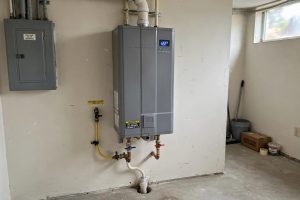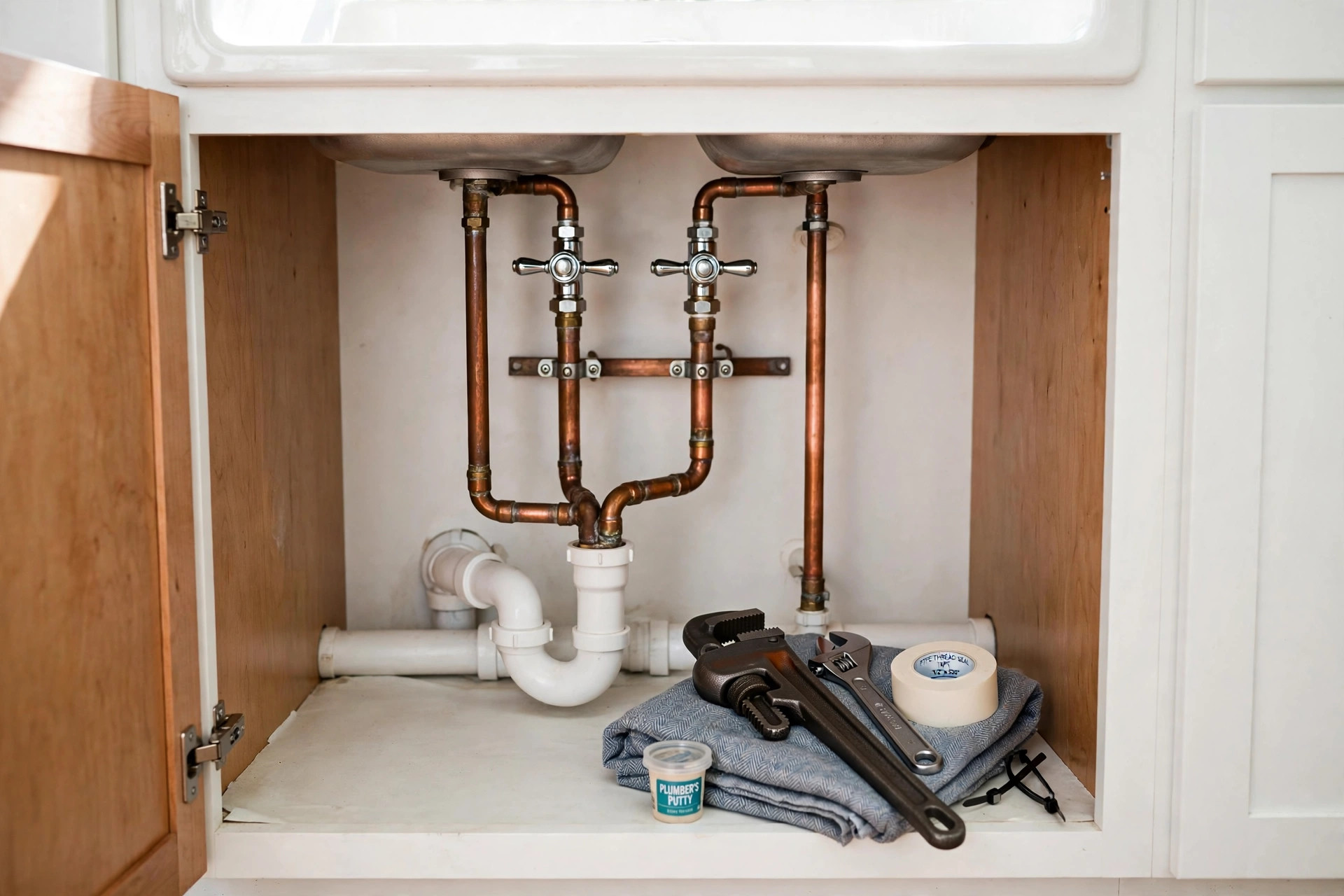

Introduction
A dripping faucet can be ignored for a while. A burst pipe cannot. When water starts to pour where it should not, most people search for “plumber hourly rate near me 2026 usa” and hope for a fast, honest answer. Hourly rates vary a great deal from city to city. The kind of job matters. The time of day matters. The license of the person who walks through the door matters.
This guide gives you the facts. It explains what plumbers charge per hour in 2026, why the rates differ, and how to avoid paying too much. It also shows you how to read a quote, when an hourly rate is better than a flat fee, and what questions to ask before work starts. The plumber hourly rate near me 2026 usa question has no single answer. But with a little knowledge, you can tell a fair price from a bad one.
Why the Hourly Rate Matters: Plumber Hourly Rate near Me 2026 Usa
Water damage grows fast. A small leak under a sink can ruin a cabinet in a few weeks. A broken water line can flood a basement in an hour. For that reason, plumbing work is often urgent. Urgent work is expensive. Plumbers charge for skill, for tools, and for the risk of working with pressurized water lines.
The hourly rate is the base of every plumbing bill. Labor usually makes up the largest part of the total cost. Parts are often small by comparison. When you understand the hourly rate, you understand most of the bill.
Knowing the going rate in your area also protects you. If you know the normal range, you can ask for the rate up front and compare quotes. The plumber hourly rate near me 2026 usa search is the first step. This article is the second.
How Plumbers Set Their Rates
Plumbers do not pick a number out of thin air. Several factors shape the rate.
Location. Big cities cost more. The cost of living sets the floor. Rent, fuel, and wages are all higher in large cities.
License and experience. A licensed master plumber has years of training. That skill costs more. An apprentice works for less, but an apprentice must work under a master.
Overhead. A plumbing company pays for vans, tools, insurance, office staff, and advertising. These costs show up in the hourly rate. A one-person shop may charge less than a large company.
Time of the call. Weekday daytime calls cost the least. Evenings, weekends, and holidays cost more. Emergency service is the most expensive of all. Our related guide on emergency plumber costs explains how those after-hours charges work.
Complexity of the job. A simple faucet swap takes little skill. A sewer line repair takes a great deal. Some companies charge one rate for all labor. Others charge more for difficult work.
Common Fee Structures
Plumbers usually bill in one of three ways.
Straight hourly. You pay for each hour of work. This is common for small repairs and diagnostic visits. The rate may be quoted with a minimum charge, such as one or two hours.
Flat rate. The company gives you one price for the whole job. Flat rates are common for standard tasks like water heater installation or toilet replacement. You know the total before work starts. For larger, predictable jobs, a flat quote is often the safer choice. See our guide to water heater replacement cost for an example of how flat quotes work.
Service call plus hourly. You pay a fee for the visit itself, often called a trip charge or diagnostic fee. Then you pay the hourly rate on top. The visit fee usually covers the plumber’s travel time and the first inspection of the problem.
Types of Plumbing Jobs and What They Cost
Not all plumbing work is the same. The job type decides whether an hourly rate makes sense and how many hours you should expect.
Small Jobs and Minimum Charges
Many plumbers have a minimum charge. It may be one hour of labor, or a flat visit fee. A leaky faucet, a running toilet, or a loose supply line can often be fixed in under an hour. You may still pay for the full hour. That is normal. The plumber must drive to your home, unload tools, and clean up after.
Ask about the minimum before you book. If the visit fee seems high, ask whether it is applied toward the repair. Some companies credit the diagnostic fee against the final bill.
Standard Repairs
Drain cleaning, fixture replacement, and valve repairs fall in this group. These jobs usually take one to three hours. The plumber’s hourly rate applies, plus the cost of parts. A drain cleaning may take one hour. Replacing a kitchen faucet may take two. The number of hours times the rate, plus parts, equals most of the bill.
Some companies quote these jobs at a flat rate instead. If the company offers a flat quote, get it in writing. A written quote should list the labor, the parts, and any extra fees. Retailers such as Home Depot and Lowe’s publish guides and fixture prices that help you judge whether a quote is fair. Manufacturers such as Kohler, Moen, and Delta Faucet list retail prices online. A plumber may mark up parts. A markup of 20 to 30 percent is common and fair. A markup of 200 percent is not.
Big Jobs and Emergencies
Water heater swaps, repiping, and sewer work are bigger tasks. These almost always get flat quotes rather than open-ended hourly billing. The contractor estimates the hours and folds them into one price. Burst pipe repair sits at the edge of this group. It often starts as an emergency call at night, then becomes a larger repair by day.
Emergency work deserves a note. When water is pouring through your ceiling at 2 a.m., you will pay a premium. That premium is the price of an immediate response. The national guidance from the Environmental Protection Agency on water damage reminds homeowners that fast action limits mold and structural harm. Paying for speed can save money in the end.
Cost and Price: Breaking Down the Numbers
Now the numbers. In 2026, most American plumbers charge between 75 and 150 dollars per hour for standard service. This is the range you will hear most often. It is not a law. Some markets sit lower. Some sit much higher.
A rural area in the Midwest may see rates of 60 to 90 dollars per hour. A large metro area on either coast may see 120 to 180 dollars per hour. Master plumbers with many years of experience may charge 150 to 200 dollars per hour or more.
The trip charge, or service call fee, usually runs from 50 to 100 dollars. It may be waived if you accept the repair. Always ask.
After-hours premiums are steep. Evening calls often add 50 percent to the hourly rate. Weekend and holiday calls can double it. Emergency calls in the middle of the night may carry a flat emergency fee of 100 to 300 dollars on top of the hourly rate.
Tax and permits add more. Some jobs need a city permit. A permit can cost 50 to 500 dollars, depending on the work and the city. The plumber usually handles the permit and adds its cost to your bill.
Add it all up for a typical job. A two-hour weekday repair at 100 dollars per hour, with 60 dollars in parts and a 75 dollar trip charge, comes to 335 dollars before tax. That is a fair, ordinary bill in many parts of the country.
How to Choose a Good Plumber
Price is not the whole story. The cheapest plumber can be the most expensive if the work fails. Choose with care.
Check the license. Most states require plumbers to hold a license. Ask for the license number. Verify it with your state board if you can. Licensed plumbers carry insurance. If a pipe bursts during the repair, insurance protects your home.
Get three quotes. For any job over a few hundred dollars, call three companies. Tell each one the same facts. Ask each for the hourly rate, the trip charge, and an estimate of hours. Compare in writing.
Ask for the total in writing. A written quote should name the job, the parts, the labor rate, the estimated hours, and any fees. Vague quotes lead to disputes. Do not accept “we will see how long it takes” for a large job.
Read reviews with care. Online reviews help, but read them with a level head. Look for patterns. Many complaints about price usually mean high prices. Many complaints about no-shows mean poor service.
Ask who will do the work. Some companies send an apprentice and charge the master rate. Ask for the experience level of the person at your door. It is fair to ask that a licensed plumber perform or supervise the work.
Check for guarantees. Good companies stand behind their labor for at least 30 to 90 days. Ask about the warranty before the work starts. Get it on the invoice.
Home improvement resources such as This Old House and Family Handyman publish plain guides on hiring contractors. They are worth a look before you sign anything.
Care and Upkeep: Saving on Plumbing Bills
The cheapest plumbing bill is the one you never get. Small habits keep your pipes in good shape and cut your repair calls.
Watch what goes down the drain. Grease, coffee grounds, and food scraps clog kitchen drains. Hair clogs bathroom drains. Use strainers.
Know where your main shutoff is. In an emergency, turning off the main valve can save thousands of dollars. Every adult in the house should know where it is.
Fix small leaks fast. A dripping faucet wastes water and wears out parts. The EPA notes that household leaks can waste thousands of gallons of water per year.
Protect pipes in winter. Insulate pipes in cold areas of the house. Let faucets drip during hard freezes. A burst pipe is one of the most expensive plumbing failures. Prevention costs very little.
Flush the water heater once a year. Sediment builds up in the tank. Flushing removes it and extends the life of the heater. Many heaters fail years early because of neglect.
Consider a water filter. Hard water wears out fixtures and heaters faster. A whole-house filter or softener can extend the life of your plumbing. Information on home water quality and treatment options is available from Aquasana, which explains how filtration protects pipes and appliances.
Safety
Plumbing work looks simple. It can be dangerous. Hot water scalds. Pressurized lines burst. Sewer gas is toxic. Electrical wires often run near water pipes.
Do not touch gas lines unless you are licensed and trained. Gas work can kill. Call a professional for anything connected to a gas line.
Do not open a water heater without care. The tank holds very hot water under pressure. A mistake can cause severe burns. If you are unsure, call a plumber.
Keep chemicals out of drains. Harsh drain cleaners can burn skin and eyes. They can also damage old pipes. A plunger or a drain snake is safer for most clogs.
Make sure the work area is dry before you touch anything electrical near water. Water and electricity are a deadly pair. When in doubt, turn off the breaker and call a professional.
Frequently Asked Questions
How much does a plumber charge per hour in 2026? Most plumbers in the United States charge between 75 and 150 dollars per hour for standard service in 2026. Rates run lower in rural areas and higher in large cities. Master plumbers and emergency calls cost more.
Is there a minimum charge? Yes, in most cases. Most plumbers charge for at least one hour, or add a trip charge of 50 to 100 dollars. Ask about the minimum before you book.
Is it cheaper to pay hourly or flat rate? For small repairs, hourly is usually fair. For large, predictable jobs such as a water heater swap, a flat quote is usually safer. A flat quote protects you if the job takes longer than expected.
Why do plumbers charge more at night? After-hours work pulls a plumber away from rest or family. The premium pays for that readiness. If the problem can wait until morning without damage, waiting saves money.
Should I supply my own parts? You can. Buying your own faucet can save the parts markup. But many plumbers will not warranty parts they did not supply. If your part fails, you may pay for the labor twice.
How can I tell if a quote is fair? Get three written quotes for the same job. If one quote is far higher or far lower than the others, ask why. A very low quote may mean cut corners. A very high quote may mean padded hours.
A Short Final Word
The search for “plumber hourly rate near me 2026 usa” ends with knowledge, not just a number. Most homeowners will pay between 75 and 150 dollars per hour in 2026. You can keep the bill honest by getting the rate in writing, comparing three quotes, and asking clear questions before work begins.
Plumbing is one of the trades where skill matters most. A good plumber protects your home from water damage. Use the numbers in this guide as your baseline. And keep the number of a plumber you trust on your phone, so the next emergency starts with a call you can make in seconds.
References
Aquasana. (n.d.). Water filtration systems. https://www.aquasana.com Delta Faucet. (n.d.). Kitchen and bathroom faucets. https://www.deltafaucet.com Family Handyman. (n.d.). DIY home repair and maintenance. https://www.familyhandyman.com Kohler. (n.d.). Bathroom and kitchen fixtures. https://www.kohler.com Lowe’s. (n.d.). Home improvement products. https://www.lowes.com Moen. (n.d.). Faucets and plumbing fixtures. https://www.moen.com The Home Depot. (n.d.). Home improvement products. https://www.homedepot.com This Old House. (n.d.). Home renovation guidance. https://www.thisoldhouse.com U.S. Environmental Protection Agency. (n.d.). Protecting human health and the environment. https://www.epa.gov
Was this guide helpful?

About David Wilson
The My Garden US editorial team writes practical, in-depth home and garden guides for American homeowners — tested advice, no fluff.
You May Also Like
Best Toilet Flapper Replacement Reviews USA: A Practical Buying Guide
January 26, 2026 0 views
Shower Head Filter for Chlorine Reviews USA
July 10, 2026 0 views
Best PEX Fittings for DIYers: Reviews and Buying Guide for USA Homes
August 11, 2026 0 views