
A Bold Plant That Loves Florida Light
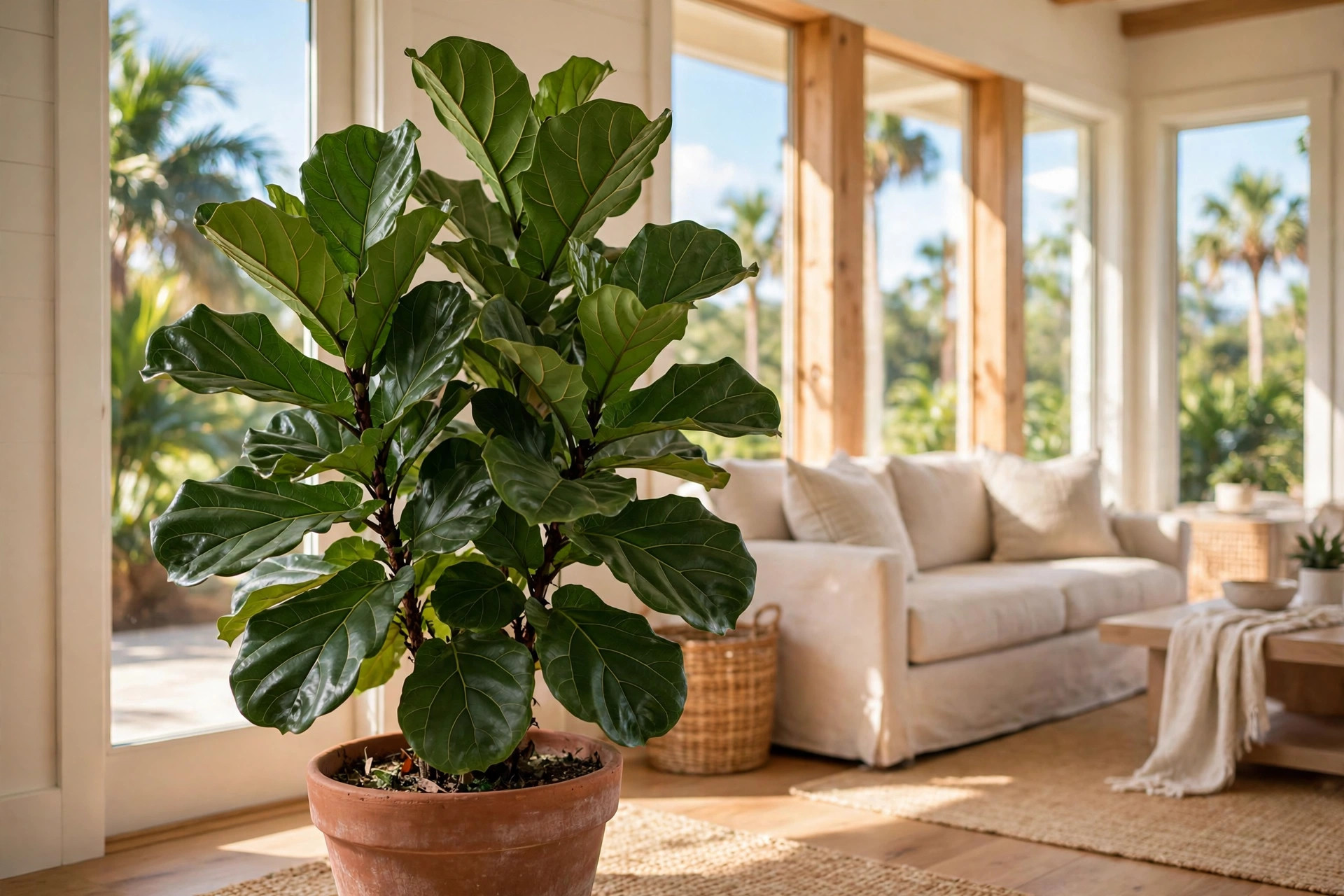
Fiddle leaf figs florida homes usa is a search that more and more people type each year. The fiddle leaf fig has become one of the most loved houseplants in the country. It has wide, dark green leaves shaped like a fiddle. In Florida homes, it often grows better than in homes farther north. The reason is simple. Florida has strong natural light for most of the year. The fiddle leaf fig loves light. It also likes warm air. Florida gives it both.
This guide will help you choose, place, and care for a fiddle leaf fig in a Florida home. You will learn what the plant needs. You will learn what to pay. You will learn how to keep it healthy for years. Everything here is written in plain words. No special plant knowledge is needed.
Why Florida Homes Suit the Fiddle Leaf Fig: Fiddle Leaf Figs Florida Homes Usa
The fiddle leaf fig comes from West Africa. There it grows as a tall tree in warm, bright woods. Florida gives it some of the same conditions. Winter in Florida is mild. Indoor air rarely turns as dry and cold as it does up north. This helps the plant keep its leaves through the colder months.
Light is the biggest factor. Most Florida homes have many windows. Sun hours are long. The plant uses this light to grow thick, glossy leaves. In a dim northern flat, the plant often drops leaves. In a bright Florida room, it tends to stay full.
Humidity is the second factor. Florida air is humid. The fiddle leaf fig likes moisture in the air. Homes in the south keep indoor humidity higher than homes in dry states. This means less leaf browning at the edges. You still need to water the soil the right way. But the air itself does some of the work for you.
What to Look for When You Buy
Walk into any nursery and you will see plants of many sizes. Some are short and bushy. Some are tall with a single stem. Some are full and some look thin. A little care in the store will save you trouble at home.
Check the Leaves First
Pick a plant with deep green leaves. The leaves should feel firm and look glossy. Skip any plant with large brown spots. A few small marks are normal. Plants get bumped in the nursery. But wide brown patches can mean root trouble or sunburn.
Look at the new growth at the top. New leaves should look clean and tightly folded. If the top of the plant looks dried out or black, choose another one. A healthy crown means the plant is still growing well.
Check the Stem and Soil
The stem should stand straight and feel solid. Young plants have green stems. Older plants have brown, woody stems. Both are fine. The soil should smell like earth, not sour. Sour soil can mean the plant sat in water too long.
Gently lift the pot. Roots poking out of the drain holes are normal for a healthy plant. But if a thick mat of roots wraps the whole bottom, the plant needs a new pot soon. That is not a deal breaker. It is just a job you will need to do in the first month.
Choose the Right Size for Your Room
Small plants in six-inch pots cost less. They fit on tables and desks. They grow slowly at first, so they stay small for a while. Large plants in ten or fourteen-inch pots cost more. They make a strong statement at once. Measure your space before you shop. A tall plant needs a spot with high ceilings and open floor space. The trusted growers at Monrovia offer helpful size charts that show how tall a potted fig can grow indoors.
Types and Options
Fiddle Leaf Fig (Ficus Lyrata)
The standard type is the most common. It has large leaves, some as wide as your hand. It grows as a single stem tree or as a bushy plant with many stems. Most Florida growers start with this one.
Compact and Dwarf Forms
Some nurseries sell compact forms. These stay shorter and grow more slowly. They suit small rooms and apartments. They need the same light and water as the standard type. The plant experts at Proven Winners describe compact forms as good picks for tight spaces.
Outdoor Planting in South Florida
In the far south of Florida, some people plant fiddle leaf figs in the yard. The plant can live outside where winter nights stay above freezing. It grows into a real tree over many years. This is not the right choice for most people. The roots can spread wide and push at walls and pipes. Most growers in the state keep the plant in a pot. That keeps its size under control.
Cost and Price
Fiddle leaf figs are not cheap plants. A small plant in a six-inch pot often costs between fifteen and thirty dollars. A medium plant in a ten-inch pot can cost between fifty and one hundred dollars. A tall, full plant in a fourteen-inch pot can cost one hundred fifty dollars or more.
Prices change with the season. Spring often brings sales at garden centers. Online sellers may charge more because of shipping. A tall plant needs a big box and careful packing. Compare the total cost, not just the plant price. A fair price from a local nursery often beats a cheap online price plus high shipping.
You may also need a pot, a tray, and a bag of soil. Budget another twenty to forty dollars for supplies. A good pot with drain holes is worth the money. It protects the roots and lasts for years.
Where to Place the Plant in a Florida Home
Light decides where the plant lives. Put it near a bright window. An east-facing window gives gentle morning sun. A south or west-facing window gives stronger light. In Florida, the sun can be very strong. Watch the leaves in the first two weeks. If pale patches appear, move the plant back a few feet. A sheer curtain also softens harsh midday sun.
Keep the plant away from cold drafts. Air vents that blow cold air can stress the leaves. Florida homes run air conditioning for much of the year. Place the plant where the vent does not blow on it directly. Also keep it away from doors that open to hot garage air. Steady warmth is better than swings.
Turn the pot a quarter turn every week or two. The plant grows toward the light. Turning keeps it even on all sides. This small habit makes a big difference over months. The growing guides at Gardening Know How note that regular turning stops the stem from leaning.
Care and Upkeep
Watering
Water when the top two inches of soil feel dry. Push your finger into the soil to check. If it feels damp, wait. If it feels dry, water well. Let water run out of the drain holes. Then empty the tray so the pot does not sit in water.
Florida homes with strong air conditioning can dry soil faster. Check more often in summer. In winter, the plant drinks less. Overwatering kills more fiddle leaf figs than underwatering. When in doubt, wait a day. The plant forgives a dry spell better than wet roots.
Humidity and Temperature
The plant likes temperatures between sixty and eighty-five degrees. Most Florida homes sit in this range all year. Mist the leaves once or twice a week in dry, air-conditioned rooms. Or set the pot on a tray of pebbles and water. The water evaporates and lifts the humidity near the leaves.
Soil and Feeding
Use a loose, well-draining potting mix. A mix made for houseplants works fine. Add a little perlite for extra drainage. Feed the plant once a month in spring and summer with a mild liquid fertilizer. Stop feeding in fall and winter when growth slows. More food does not mean more growth. Too much fertilizer burns the roots.
Repotting
Repot when roots circle the bottom of the pot. This usually happens every one to two years. Choose a pot one size larger. Fresh soil gives the plant room to grow. Spring is the best time. The plant wakes up and settles in fast. Water well after repotting and keep it out of harsh sun for a week.
Cleaning the Leaves
Wide leaves collect dust. Dust blocks light. Wipe the leaves with a damp cloth every month or two. This also lets you spot pests early. Look for tiny webs or sticky spots while you wipe.
Pruning
You can shape the plant with pruning. Cut a stem just above a leaf node in spring. New branches often sprout below the cut. Wear gloves. The sap is sticky and can irritate skin. Do not prune in winter when the plant rests.
Common Problems and How to Fix Them
Leaves Dropping
Leaf drop is the most common complaint. It usually means change. The plant hates being moved. A new home, a new room, or a new pot can cause a few leaves to fall. Give it two or three weeks to settle. Keep light and water steady. Most plants recover and stop dropping.
Brown Spots on Leaves
Brown spots can come from many causes. Overwatering causes dark brown spots with yellow edges. Underwatering causes dry, crisp brown edges. Sunburn causes pale, papery patches. Check your watering first. Then check the light. Fix one thing at a time so you know what worked. The plant care team at The Spruce offers photo guides that help you tell these problems apart.
Slow or No Growth
No growth in winter is normal. No growth in spring may mean low light. Move the plant closer to a window. Check if the roots are packed tight. A root-bound plant cannot grow. A little fertilizer in the growing season can help, but light is the main cure.
Pests
Spider mites and mealybugs visit fiddle leaf figs now and then. Spider mites make fine webs under the leaves. Mealybugs look like small white cotton balls. Wipe them off with a damp cloth. For larger attacks, use insecticidal soap made for houseplants. Keep the new plant away from your other plants for two weeks after purchase. This stops pests from spreading.
Safety
The fiddle leaf fig is mildly toxic if eaten. The leaves and sap contain compounds that can upset the stomach. Keep the plant out of reach of small children who might chew the leaves. It is also toxic to cats and dogs. If you have pets that chew plants, place the fig in a room the pets cannot enter. Or choose a plant stand that keeps it high.
The sap can irritate skin. Wear gloves when you prune. Wash your hands after handling cut stems. These steps are simple. They keep everyone safe while you enjoy the plant.
Frequently Asked Questions
How fast do fiddle leaf figs grow in Florida homes?
In bright Florida rooms, a healthy plant can grow one to two feet per year. Growth is fastest in spring and summer. It slows or stops in winter. Good light, steady water, and monthly feeding support the best growth.
Can a fiddle leaf fig live outside in Florida?
In South Florida, yes, where freezes are rare. In Central and North Florida, winter cold can damage or kill it. Most growers keep the plant in a pot. That way it can move inside on cold nights. A potted plant stays safer and lives longer.
Why are the leaves of my fiddle leaf fig turning yellow?
Yellow leaves often point to watering trouble. Too much water is the usual cause. Check that the pot drains well. Let the top soil dry between waterings.
How much light does a fiddle leaf fig need in a Florida home?
Give it the brightest spot you have. Near an east, south, or west window works well. Florida sun is strong, so watch for sunburn in the first weeks. A few feet back from the glass or a sheer curtain is often perfect.
Should I mist my fiddle leaf fig?
Light misting helps in dry, air-conditioned rooms. But misting is not a cure for dry soil. Water the soil the right way first. Use misting or a pebble tray as extra help for the leaves.
Where can I buy a healthy fiddle leaf fig?
Local nurseries often have the best plants. You can see the leaves before you buy. Big garden centers stock them in spring. Online sellers ship them too. Compare plant size, price, and shipping. The growers at White Flower Farm and Gurneys both ship houseplants across the country. Seed and bulb catalogs like Park Seed also carry a wide range of indoor plants each season.
Growing Other Plants Beside Your Fig
A fiddle leaf fig looks good with other plants around it. Many Florida growers add bulbs and seasonal plants to the same bright room. If you like planting from sets and bulbs, you may enjoy our guide to onion sets planting in California homes. For a bulb buying guide with reviews, see our notes on garlic bulbs planting. And if you want bold summer color, read about dahlia bulbs in bulk.
A Final Word
Fiddle leaf figs florida homes usa is more than a search phrase. It describes a good match. The plant wants bright light and warm air. Florida homes give both. Choose a healthy plant. Place it near a bright window. Water it with care. Turn it now and then. Do these simple things and the plant will reward you with tall growth and wide, glossy leaves.
Start small if you are new to the plant. Learn its habits on a young plant. Then add a larger one when you feel sure. Every plant teaches you something. The fiddle leaf fig teaches patience. It grows at its own pace. Give it time and it will grow into the centerpiece of your room. For seasonal planting calendars and growing zone maps, the Old Farmer’s Almanac is a trusted yearly reference. And for the science behind plant care, the research programs at NIFA support growers across the USA.
References
Gardening Know How. (n.d.). Gardening guides and plant care. https://www.gardeningknowhow.com Gurney’s Seed & Nursery Co. (n.d.). Seeds, plants, and garden supplies. https://www.gurneys.com Monrovia. (n.d.). Plants for home gardens. https://www.monrovia.com National Institute of Food and Agriculture. (n.d.). Agricultural research and extension. https://www.nifa.usda.gov Park Seed. (n.d.). Seeds, plants, and gardening supplies. https://www.parkseed.com Proven Winners. (n.d.). Plants and gardening inspiration. https://www.provenwinners.com The Old Farmer’s Almanac. (n.d.). Gardening calendars and advice. https://www.almanac.com The Spruce. (n.d.). Home and garden advice. https://www.thespruce.com White Flower Farm. (n.d.). Plants, bulbs, and garden supplies. https://www.whiteflowerfarm.com
Was this guide helpful?

About Jennifer Lee
The My Garden US editorial team writes practical, in-depth home and garden guides for American homeowners — tested advice, no fluff.
You May Also Like
Air Plants Bulk Reviews Buying Guide USA: How to Buy Healthy Tillandsia in Large Packs
July 20, 2026 0 views
Succulent Variety Packs Deals Near Me: A Full Buying Guide
June 2, 2026 0 views
How to Grow Sweet Alyssum: Complete USA Guide
October 8, 2026 0 views