---
Table of Contents
Table of Contents
- Microclover Lawns: What Microclover Is
- Reason 1: Less Fertilizer
- Reason 2: Stays Greener in Dry Spells
- Reason 3: Fewer Weeds
- Reason 4: Good for Pollinators
- Reason 5: Softer and Cooler Underfoot
- The Honest Downsides
- How to Plant a Microclover Lawn
- Overseeding an Existing Lawn
- Starting Fresh
- Caring for a Microclover Lawn
- Is It Right for You
- References
For decades, the perfect lawn meant pure grass, and clover was the enemy. Garden centers sold weed killers aimed squarely at it. Then something shifted. Homeowners started noticing that the old lawns with clover mixed in stayed greener with less work. Seed companies bred smaller, tougher clover varieties. Extension services started studying them. This article explains microclover lawns in simple terms.
Today, more homeowners are switching to microclover lawns on purpose. Microclover is a dwarf variety of white clover, bred to stay small, blend with turf grass, and flower less than the old Dutch white clover. Mixed with grass seed, it creates a lawn that feeds itself, fights weeds, and stays green through dry spells. Here is why the switch is happening, what the trade-offs are, and how to do it right.
Microclover Lawns: What Microclover Is
When it comes to microclover lawns, getting the details right makes all the difference.
Many homeowners find that microclover lawns is easier than they expected once they know the basics.
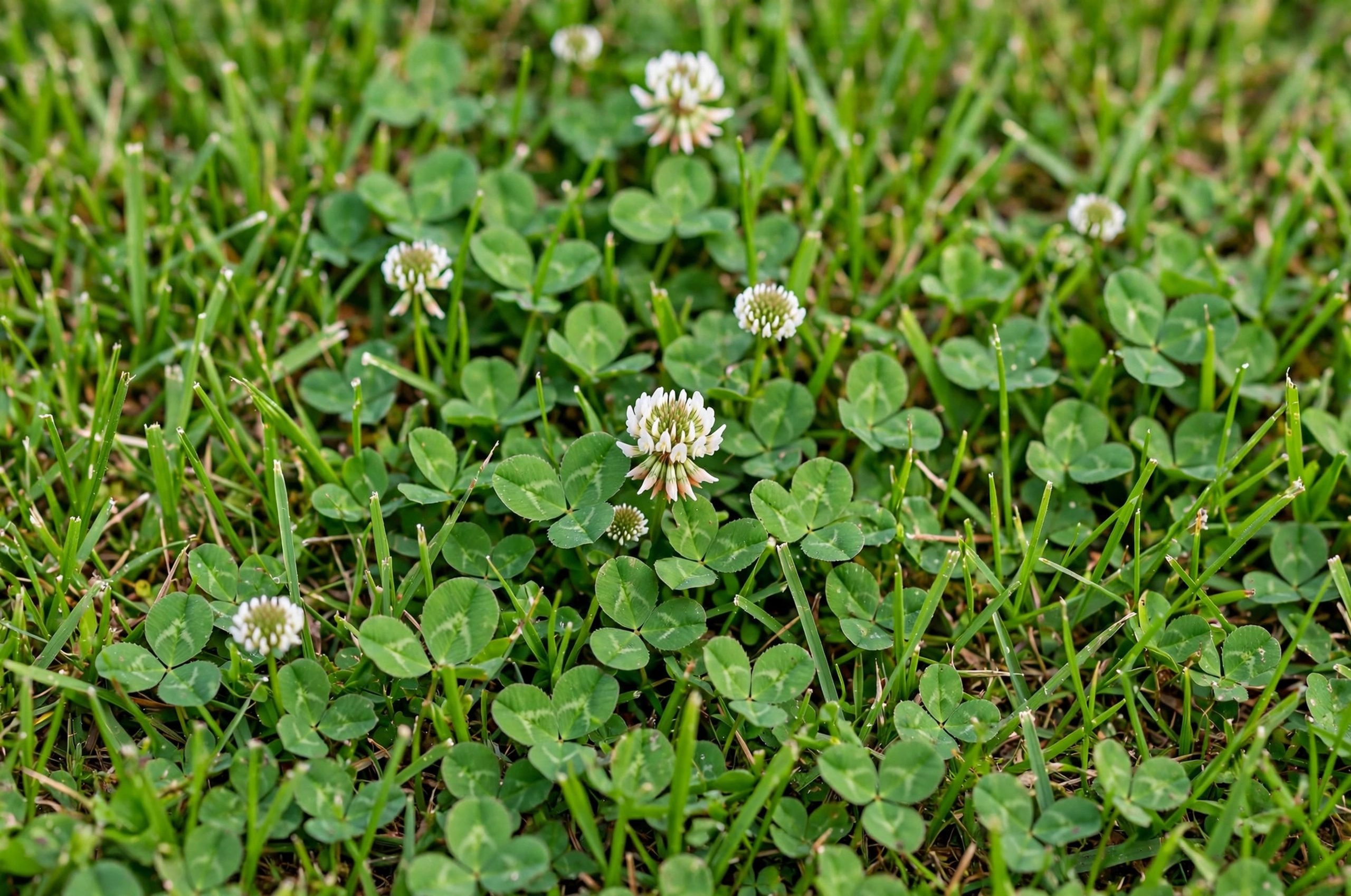
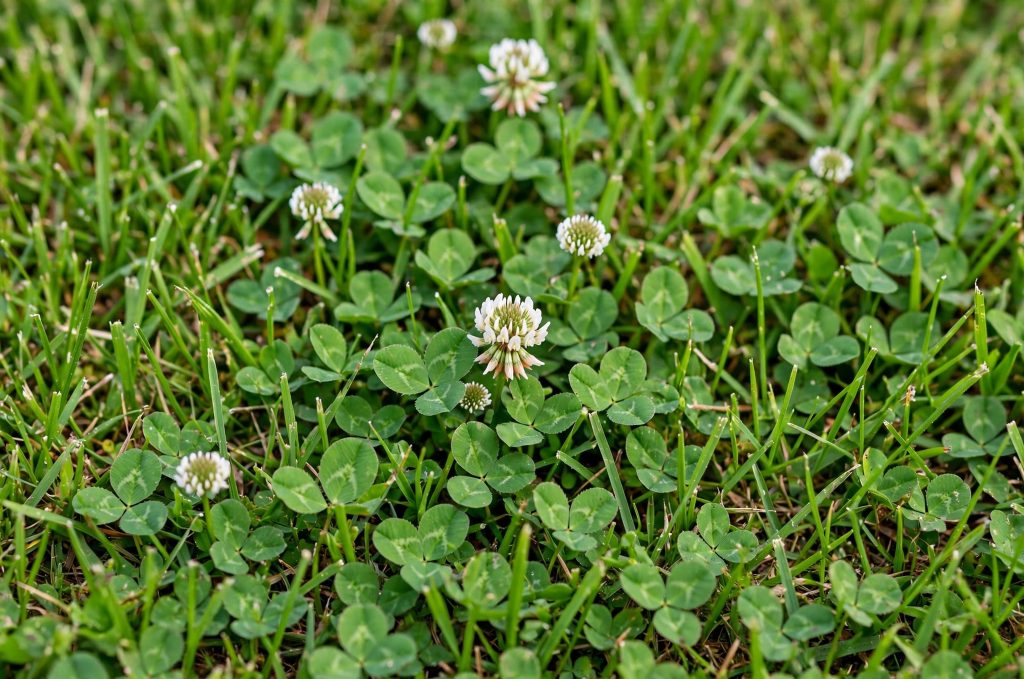
Microclover is not a different species. It is a selected variety of white clover (Trifolium repens), the same plant your grandparents had in their lawns. Breeders selected for tiny leaves, low growth, and fewer flowers so it tucks into turf grass instead of forming big clover patches. Common varieties include Pipolina and others sold as microclover or mini clover.
The key trait is nitrogen fixing. Like all legumes, clover hosts bacteria in its roots that pull nitrogen from the air and turn it into plant food. That nitrogen feeds the clover and leaks into the surrounding soil, feeding the grass too. A clover-grass lawn partly fertilizes itself.
Reason 1: Less Fertilizer
Many homeowners find that microclover lawns is easier than they expected once they know the basics.
The key to microclover lawns is choosing the right approach for your space and budget.
This is the big one. A conventional lawn wants pounds of nitrogen per thousand square feet each year. A microclover mix can cut that dramatically. The University of Maryland's research on lawns and microclover found that microclover mixed with tall fescue provides an organic source of nitrogen as it decays and may reduce fertilizer needs by roughly one application per year.
Less fertilizer means less money, less work, and less runoff into local streams. For homeowners who want a green lawn without the fertilizer schedule, that is a strong sell. The EPA's lawn and garden guidance encourages exactly this kind of reduced-input approach to yard care.
Reason 2: Stays Greener in Dry Spells
The key to microclover lawns is choosing the right approach for your space and budget.
With a little planning, microclover lawns can fit even a busy schedule.
Clover roots run deeper than most turf grass roots, and clover keeps its green color longer when water gets scarce. In a dry stretch, a pure grass lawn goes brown and dormant while the clover in a mixed lawn keeps things looking alive. The lawn does not need as much irrigation to look decent.
This does not make clover drought-proof. In real heat and drought, microclover suffers too. Maryland's research notes that microclover does not tolerate high heat and drought well and can die back when cool-season grass goes dormant in summer. But in moderate dry spells, the mix outperforms pure grass.
Reason 3: Fewer Weeds
With a little planning, microclover lawns can fit even a busy schedule.
Before you start, it helps to understand how microclover lawns works in real homes.
A thick clover-grass canopy leaves little room for weeds. Clover spreads by creeping stems that fill bare spots fast, and its dense growth shades out weed seeds. Many homeowners find they can skip the weed-and-feed entirely once the clover is established.
There is a catch. Most broadleaf weed killers kill clover too. Once you go the microclover route, you give up chemical weed control. That is fine for most people, since the clover does the weed control itself, but it is a commitment.
Reason 4: Good for Pollinators
Before you start, it helps to understand how microclover lawns works in real homes.
A good plan for microclover lawns saves time, money, and frustration.
Clover flowers feed bees. When microclover blooms, usually heaviest in early summer, the little white flowers offer nectar and pollen with high protein content. The University of Minnesota's bee lawn research found white clover among the easiest and most successful flowers for bee lawns.
Microclover was bred to flower less than old Dutch white clover, but it still blooms, especially if you mow a little higher and less often. If bee stings worry you because of kids or allergies, mow before the flowers open and the issue mostly goes away.
Reason 5: Softer and Cooler Underfoot
A good plan for microclover lawns saves time, money, and frustration.
For most people, microclover lawns comes down to a few smart choices.
Clover feels soft. A clover-rich lawn stays a bit cooler than pure turf in summer heat and feels good on bare feet. It is a small thing, but families notice it.
The Honest Downsides
For most people, microclover lawns comes down to a few smart choices.
Microclover is not magic. Go in with open eyes.
It can die back in heat. In hot summers, microclover may thin out or die back, leaving bare spots. It usually recovers when cool weather returns, but you may need to overseed to fill gaps.
It goes brown in winter. Clover top growth dies back in cold weather. A pure clover lawn looks bare all winter. That is why the grass mix matters. The grass carries the lawn through winter while the clover sleeps.
Seed is pricey and hard to find. Microclover seed costs much more than grass seed and is not on every store shelf. Buy from a reputable seed house, and check that the seed is fresh and inoculated.
No broadleaf herbicides. As noted, weed killers that target dandelions and clover will wipe out your microclover. You are committed to natural weed control.
Bees. Flowers mean bees. For most people that is a plus, but households with sting allergies should think twice or plan to mow often.
It can stain. Clover can leave green stains on clothes and shoes more than grass does. Minor, but real.
Extension research backs up both sides of the story. The University of Maryland's microclover trials found that clover adds nitrogen and feeds bees, but it can also die back in summer heat, leave patchy spots, and draw stinging insects to the flowers.
How to Plant a Microclover Lawn
If you are new to microclover lawns, start with the simplest option and build from there.
You have two paths: overseed clover into an existing lawn, or start fresh with a mix.
Overseeding an Existing Lawn
This is the easy route and it works well.
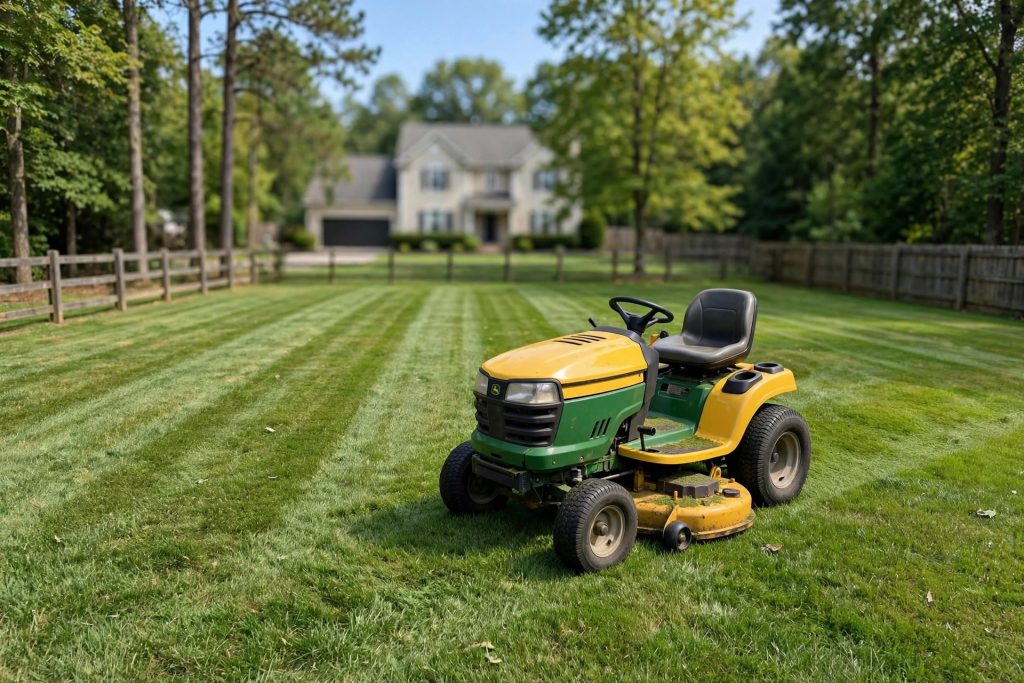
1. Mow short and dethatch. Cut the grass low and rake out thatch so seed reaches the soil. Skip any weed killer for at least two months before and after seeding. 2. Mix the seed. A typical microclover lawn uses five to ten percent clover seed by weight mixed with grass seed. For overseeding, you can spread straight microclover seed at the label rate. 3. Spread evenly. Use a broadcast spreader. Go over the lawn twice in crossing patterns for even coverage. 4. Water. Keep the seedbed moist until germination, which takes one to two weeks. Then water normally. 5. Mow high. Set the mower to three to three and a half inches. Taller grass shades the soil, and microclover tolerates that height well.
Gardening Know How's microclover lawn guide covers the mix ratios and mowing heights in more detail.
Starting Fresh
Kill or remove the old lawn, prep the soil, and seed the grass-clover mix together. The same five-to-ten-percent clover ratio applies. Starting fresh gives the most even result, but it is more work. See our sod vs seed cost comparison if you are weighing a full lawn redo, and LawnStarter's step-by-step sod guide if you go the sod route.
The best seeding time is late summer into early fall for cool-season grasses, when the soil is warm and weeds are slowing down. Spring works too, but spring seedings fight more weed pressure.
Caring for a Microclover Lawn
When it comes to microclover lawns, getting the details right makes all the difference.
Care is simpler than a conventional lawn, but it is not zero.
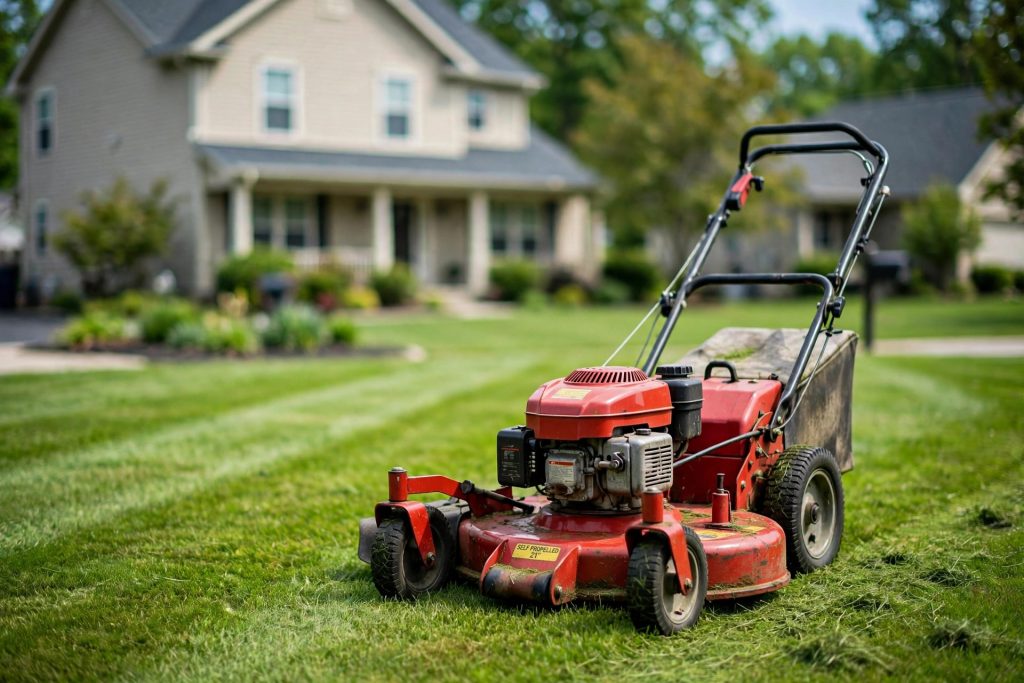
- Mow at three inches or higher. Taller mowing favors both the grass and the clover. UGA's turf team notes in another grasscycling piece that mowing at the right height for your grass species is what makes the whole system work.
- Water deeply but rarely. An inch a week in dry spells is plenty. The clover's deep roots handle the rest.
- Fertilize lightly or not at all. A light fall feeding is enough for most clover lawns. Skip the heavy spring nitrogen.
- Overseed thin spots in fall to keep the stand dense.
- Leave the clippings. They return nitrogen to the soil as they break down. The University of Georgia's grasscycling guide explains the technique and notes that grasscycling can return a meaningful share of a lawn's nitrogen needs. If you do bag clippings, compost them instead of trashing them. The EPA lists grass clippings among the materials you can compost at home.
If you are moving away from chemicals entirely, our guides to native grass seed and overseeding Bermuda grass fit the same low-input philosophy. For lawns on poor soil, see lawn fertilizer for sandy soil.
Is It Right for You
Microclover suits homeowners who want a green lawn with less fertilizer, less watering, and fewer chemicals, and who do not mind some flowers and a less uniform look. It suits pollinator-friendly yards and families who like soft turf.
It does not suit lawn perfectionists who want a pure, even, weed-free carpet, households with severe bee allergies, or hot-climate lawns where summer heat kills it back every year. In warm-season grass regions, clover is a cool-season plant and will struggle through summer no matter what.
There is no shame in either choice. The point is to match the lawn to how you actually live. That is all it takes to handle microclover lawns with confidence.
References
- Gardening Know How. (n.d.). Microclover information: How to grow a microclover lawn. https://www.gardeningknowhow.com/lawn-care/lawn-substitutes/microclover/microclover-care-in-lawns.htm
- LawnStarter. (n.d.). How to install sod: A step-by-step guide for homeowners. https://www.lawnstarter.com/blog/lawn-care-2/how-to-lay-sod/
- U.S. Environmental Protection Agency. (n.d.). Composting at home. https://www.epa.gov/recycle/composting-home?ref=CompoCloset
- U.S. Environmental Protection Agency. (n.d.). Lawn and garden pest control. https://www.epa.gov/safepestcontrol/lawn-and-garden
- University of Georgia Cooperative Extension. (n.d.). Grasscycling: Let the clippings fall where they may. https://fieldreport.caes.uga.edu/publications/C1031/grasscycling-let-the-clippings-fall-where-they-may/
- University of Georgia Cooperative Extension. (n.d.). Grasscycling: Something old is new again. https://fieldreport.caes.uga.edu/news/grasscycling-something-old-is-new-again/
- University of Maryland Extension. (n.d.). Lawns and microclover. http://extension.umd.edu/resource/lawns-and-microclover
- University of Minnesota Extension. (n.d.). Planting and maintaining a bee lawn. https://extension.umn.edu/garden-and-home/yard-and-garden/lawns-and-landscapes-in-minnesota/planting-and-maintaining-a-bee-lawn
Was this guide helpful?

About My Garden US
The My Garden US editorial team writes practical, in-depth home and garden guides for American homeowners — tested advice, no fluff.
You May Also Like
Best Weed Eater String Thickness for Weeds: A Plain Guide
January 10, 2026 14 views
Top Rated String Trimmer for Thick Weeds: A Practical Guide
January 17, 2026 16 views
Affordable Mulch Installation Service Near Me: A Practical Guide
January 31, 2026 12 views