---
Table of Contents
Table of Contents
The guest bedroom sits empty eleven months a year. The formal dining room hosts dinner twice a season. So you walk through the house, flip the little levers on the vents, and shut them. Why pay to heat and cool rooms nobody uses? It feels like pure common sense. This article explains closing vents in unused rooms save energy in simple terms.
It is also wrong. Closing vents in unused rooms does not save energy. In most homes it wastes energy, strains the equipment, and can cause damage that costs far more than any imagined savings. This is one of the most persistent myths in home comfort, and it survives because the logic feels so airtight. The physics, unfortunately, disagrees.
Here is why the idea fails, what it actually does to your system, and the moves that genuinely lower your bills.
Closing Vents in Unused Rooms Save Energy: The Short Answer: No, It Does Not Save Energy
When it comes to closing vents in unused rooms save energy, getting the details right makes all the difference.
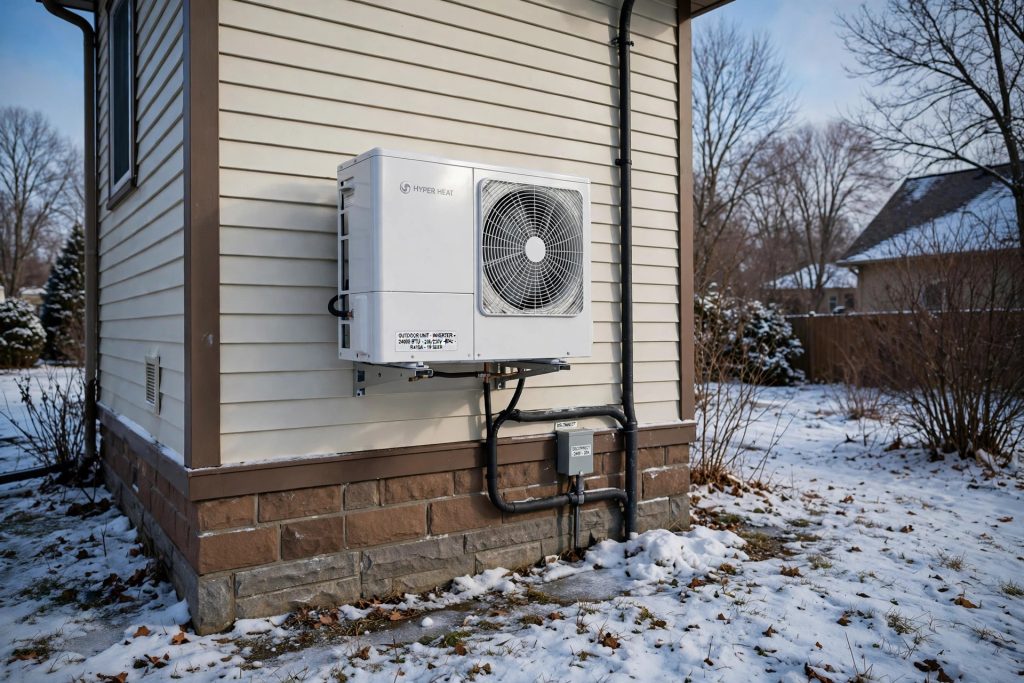
Many homeowners find that closing vents in unused rooms save energy is easier than they expected once they know the basics.
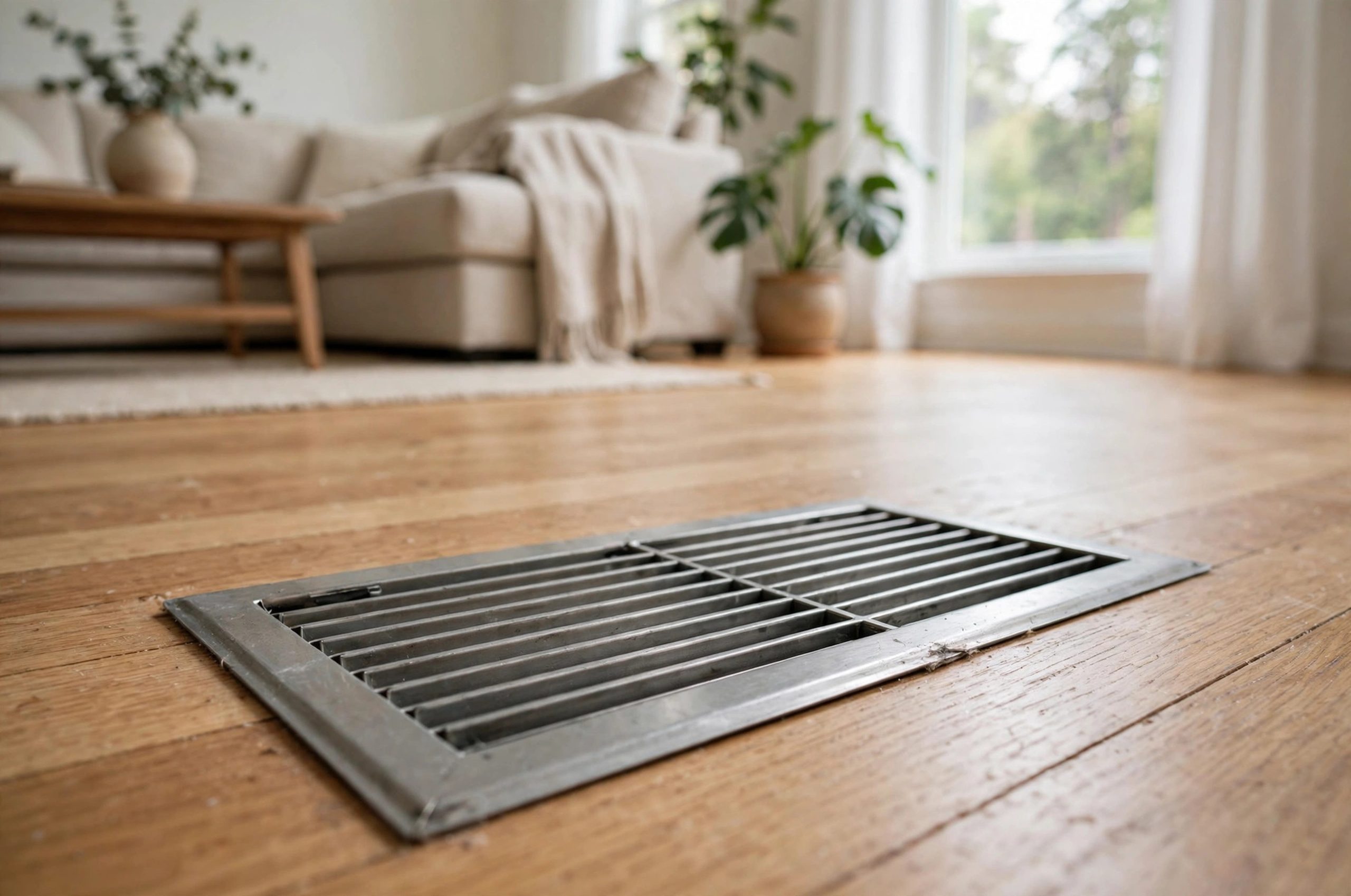
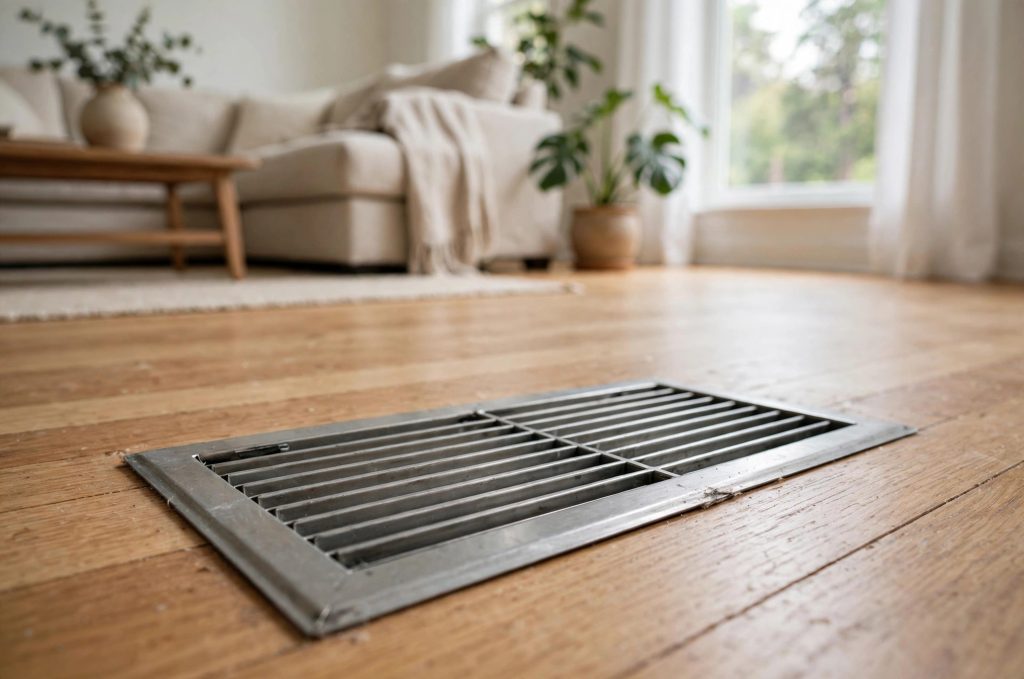
Your heating and cooling system produces a fixed volume of air. It does not know or care how many vents are open. When you close vents, the system keeps pushing the same amount of air. That air has to go somewhere.
What happens instead is pressure. Closing vents raises the static pressure inside the ductwork, like pinching a garden hose. The blower works harder against the resistance. Air gets forced through every small leak and gap in the ducts, which means more of your heated or cooled air ends up in the attic, the crawl space, or inside the walls instead of in your rooms. Research on vent closing found that the extra duct losses wipe out any savings from conditioning less space.
The federal government's energy advisors have warned about this too. Closing more than a small share of your vents noticeably reduces system efficiency. The system was designed and balanced for all vents open, and choking it throws that design off. Energy experts advise against closing vents as a savings strategy.
So the intuitive logic, less space conditioned equals less energy used, breaks on a false assumption. You are not telling the system to make less air. You are only telling the air it cannot go where it was meant to go.
What Closing Vents Actually Does to Your System
Many homeowners find that closing vents in unused rooms save energy is easier than they expected once they know the basics.
The key to closing vents in unused rooms save energy is choosing the right approach for your space and budget.
The consequences go beyond a disappointing utility bill. Sustained high duct pressure causes real harm.
It increases duct leakage. No residential duct system is perfectly sealed. Higher pressure pushes more conditioned air out through every joint, seam, and gap. Ducts already lose a significant share of air in the average home. Closing vents makes a leaky system leakier, and you pay to heat your attic.
It strains the blower motor. The blower is designed to move air against a certain resistance. Raise that resistance and the motor works harder, draws more current, runs hotter, and wears out sooner. Blower failure is an expensive repair.
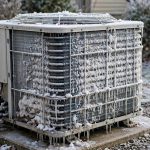
It can freeze the AC coil. Air conditioning needs steady airflow across the indoor coil to work right. Starve it of air and the coil temperature drops until moisture on it freezes. A frozen coil blocks airflow further, ices the system solid, and can slug the compressor with liquid refrigerant. Restricted airflow is a classic cause of frozen evaporator coils.
It can overheat the furnace. The mirror image happens in heating. Low airflow across the heat exchanger lets it run too hot. Repeated overheating cracks heat exchangers, and a cracked heat exchanger can leak carbon monoxide into the home. That turns a misguided savings trick into a safety hazard.
It creates comfort problems elsewhere. The extra pressure does not distribute evenly. Some rooms get blasted while others go quiet. Doors may slam from pressure differences. The rooms you actually use can become less comfortable, not more.
None of this means you can never touch a vent louver. Slightly adjusting one or two vents to fine-tune a room is normal balancing. The damage comes from fully closing several vents and leaving them shut for months. HVAC pros draw a clear line between minor vent adjustments and shutting down rooms.
Why the Myth Feels So Convincing
The key to closing vents in unused rooms save energy is choosing the right approach for your space and budget.
With a little planning, closing vents in unused rooms save energy can fit even a busy schedule.
The myth survives because it borrows logic from things that do work. Turning off lights in empty rooms saves electricity. Closing the door to an unused room feels thrifty. It seems natural that the same idea applies to heating and cooling.
But lights and HVAC systems behave differently. A light you switch off stops using power entirely. An HVAC system with closed vents keeps using the same power while delivering less comfort. The analogy fails because the system cannot throttle itself vent by vent.
There is also a grain of truth hiding inside. Conditioning less space really would save energy, if the system were designed for it. That is exactly what zoning systems do. They use motorized dampers at the main duct trunks, separate thermostats, and equipment controls that adjust output to match. Closing a vent louver is a crude imitation of zoning without any of the engineering that makes zoning work. True zoning redesigns the system rather than just blocking its outlets.
Take your time with closing vents in unused rooms save energy and the result will last.
What to Do Instead: Real Ways to Cut Bills
With a little planning, closing vents in unused rooms save energy can fit even a busy schedule.
Before you start, it helps to understand how closing vents in unused rooms save energy works in real homes.
If the goal is lower energy bills, these moves actually work.
Adjust the thermostat instead. This is the single most effective free step. Set it a few degrees higher in warm weather and a few degrees lower in cold weather when you are asleep or away. Widening the setting for eight hours a day can cut annual heating and cooling costs by around ten percent. Unlike vent closing, this truly reduces how hard the system works.
Seal your ductwork. Since duct leaks waste so much energy, sealing them is one of the highest-payback improvements available. Professional sealing can restore a large share of lost efficiency. Use mastic sealant or metal foil tape on accessible joints, and consider professional sealing for the rest. Sealed ducts deliver the air you pay for to the rooms you use. Our guide to finding air duct leaks shows you where to look, and our breakdown of duct sealing costs covers professional options.
Keep filters fresh. A clogged filter chokes the whole system, raising energy use and shortening equipment life. Check monthly during heavy seasons. A high-quality filter traps more dust, but change it on schedule since dense filters clog faster.
Seal air leaks in the house. Caulk and weatherstrip around windows, doors, and penetrations. The less outdoor air infiltrates, the less your system must condition. This helps every room, used or not.
Use window coverings wisely. Close blinds on sun-blasted windows during the hottest hours. Open them on south-facing windows on cold sunny days for free heat. Small habits, real savings.
Consider a zoning system. If you truly want to stop conditioning unused areas, zoning is the engineered answer. Motorized dampers, multiple thermostats, and proper controls let the system serve each zone independently. It costs more upfront but delivers the savings that vent closing only promises.
Right-size your habits. Close interior doors to unused rooms if you like, but leave the vents open so pressure stays balanced. The closed door still slows heat transfer while the open vent keeps the system healthy.
The Rare Exceptions
Before you start, it helps to understand how closing vents in unused rooms save energy works in real homes.
A good plan for closing vents in unused rooms save energy saves time, money, and frustration.
Are there any cases where closing a vent is acceptable? A few, with strict limits.
Briefly closing one vent to test airflow balance is fine. HVAC technicians do this during diagnostics. Slightly throttling a vent in a room that is chronically over-conditioned, while leaving the vast majority open, is normal fine-tuning.
Some two-stage or variable-speed systems tolerate modest airflow changes better than older single-stage equipment. But even then, the manufacturer's guidance rules. When in doubt, keep vents open and adjust at the thermostat or with proper dampers instead.
What you should never do is close off whole rooms for a season by shutting their vents. If a room truly needs no conditioning, the correct approach is a zoning damper installed by a professional, not a flipped louver.
How to Undo the Damage
A good plan for closing vents in unused rooms save energy saves time, money, and frustration.
For most people, closing vents in unused rooms save energy comes down to a few smart choices.
If your vents have been closed for months, reversing course is easy. Open every vent fully. Check that furniture has not crept over them in the meantime. Replace the air filter, since the system has been running under strain. Then watch for lingering symptoms over the next few weeks: weak airflow, icing on the indoor coil in summer, or short cycling. If any persist, have a technician inspect the ducts and the equipment. Months of high pressure can open new leaks and stress components, and catching that early keeps small problems small. A professional airflow check after long-term vent closing is cheap insurance.
The Bottom Line
For most people, closing vents in unused rooms save energy comes down to a few smart choices.
Closing vents in unused rooms feels like saving, but the physics says otherwise. The system makes the same air, pressure rises, leaks grow, the blower strains, and bills stay the same or climb. In the worst cases, coils freeze and heat exchangers overheat.
Keep the vents open. Save energy the ways that work: smarter thermostat settings, sealed ducts, fresh filters, and sealed windows and doors. If you want true room-by-room control, invest in zoning rather than improvising with vent louvers. Your system was designed as a balanced whole. Let it breathe the way it was built to, and it will repay you with lower bills and a longer life. That is all it takes to handle closing vents in unused rooms save energy with confidence.
References
If you are new to closing vents in unused rooms save energy, start with the simplest option and build from there.
- 4ABC. (n.d.). Should you close vents in unused rooms? https://www.4abc.com/blog/will-closing-vents-in-unoccupied-rooms-save-energy/
- Angi. (n.d.). Is closing vents in unused rooms okay? https://www.angi.com/articles/does-shutting-furnace-vents-improve-energy-efficiency.htm
- APGE. (n.d.). Is closing vents worth it for summer cooling? https://www.apge.com/blog/is-closing-vents-worth-it-for-summer-cooling
- Force Home Services. (n.d.). The benefits of air duct sealing for enhanced HVAC efficiency. https://www.forcehomeservices.com/benefits-air-duct-sealing-2/
- House Outlook. (n.d.). Think closing air vents saves energy? https://houseoutlook.com/closing-air-vents/
- Popular Science. (n.d.). Fans don't cool rooms and 3 other myths about home energy conservation. https://www.popsci.com/diy/home-energy-conservation-myths/
- SC Living. (n.d.). Is money slipping through the cracks in your home? Check your air ducts. https://scliving.coop/energy/seal-air-ducts-save-energy/
- Snyder AC. (n.d.). Tips to balance cooling across rooms in Florida homes. https://snyderac.com/blog/how-to-troubleshoot-uneven-cooling-between-rooms/
- Southern Living. (n.d.). Should you close vents in unused rooms during summer? https://www.southernliving.com/close-vents-unused-rooms-11969125
When it comes to closing vents in unused rooms save energy, getting the details right makes all the difference.
Many homeowners find that closing vents in unused rooms save energy is easier than they expected once they know the basics.
Was this guide helpful?

About My Garden US
The My Garden US editorial team writes practical, in-depth home and garden guides for American homeowners — tested advice, no fluff.
You May Also Like
Steam Humidifier for Whole House Reviews: A Complete Guide for USA Homes
September 4, 2026 19 views
Bathroom Exhaust Fan Installation Cost USA: A Full 2026 Guide
May 23, 2026 23 views
Best Pool Heater for Cold Climates USA: How to Keep Your Water Warm All Season
June 13, 2026 16 views