---
Table of Contents
Table of Contents
- Frost Versus a Real Freeze-Up: Know the Difference
- Safety First: What Never to Do
- Step by Step: How to Thaw a Frozen Heat Pump Safely
- Step 1: Switch to Emergency Heat or Turn the System Off
- Step 2: Clear Snow and Debris From Around the Unit
- Step 3: Let the Ice Melt, With a Little Help
- Step 4: Check the Indoor Filter and Vents
- Step 5: Restart and Watch Closely
- What Causes Repeat Freezing
- How to Prevent Future Freeze-Ups
- When to Call a Professional
- Quick Recap
- References
You step outside on a freezing morning and stop short. Your heat pump, which should be humming along, is wearing a coat of ice. The coils are white. Icicles hang from the base. Maybe the fan is barely turning, or not turning at all. Inside, the house feels a little cooler than it should. Here is what to know about thaw a frozen heat pump before you start.
It is a scary sight, but do not panic. A frozen heat pump is a common winter problem, and in many cases you can thaw it safely yourself. The key word is safely. The wrong move, like chipping at the ice with a screwdriver or pouring boiling water over the coils, can wreck the unit and turn a simple fix into a costly repair.
This guide walks you through what is normal, what is not, and the exact steps to thaw the unit without hurting it or yourself.
Frost Versus a Real Freeze-Up: Know the Difference
When it comes to thaw a frozen heat pump, getting the details right makes all the difference.
Many homeowners find that thaw a frozen heat pump is easier than they expected once they know the basics.
Before you do anything, look closely at the unit. Not all ice is a problem.
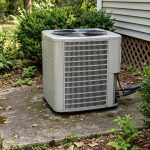
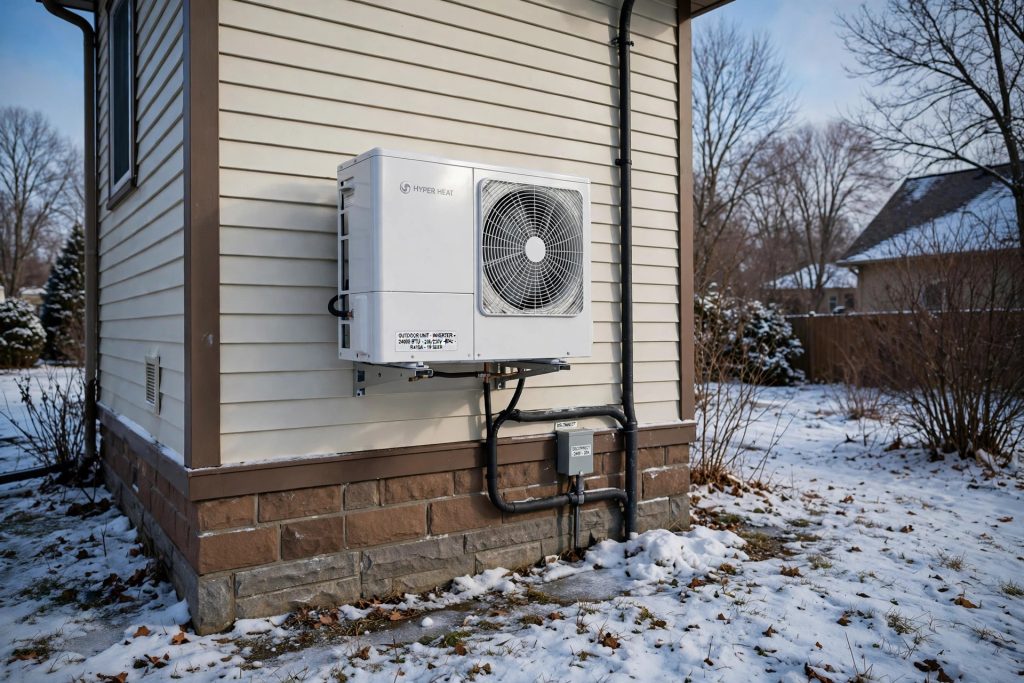
A thin, even layer of white frost on the outdoor coil is normal in cold, damp weather. Your heat pump expects this. Every so often it runs a defrost cycle, briefly reversing itself to melt that frost away. You may see steam rise from the unit and hear a whooshing sound. That is the system taking care of itself. A light, even frost that clears on its own during the defrost cycle is nothing to worry about.
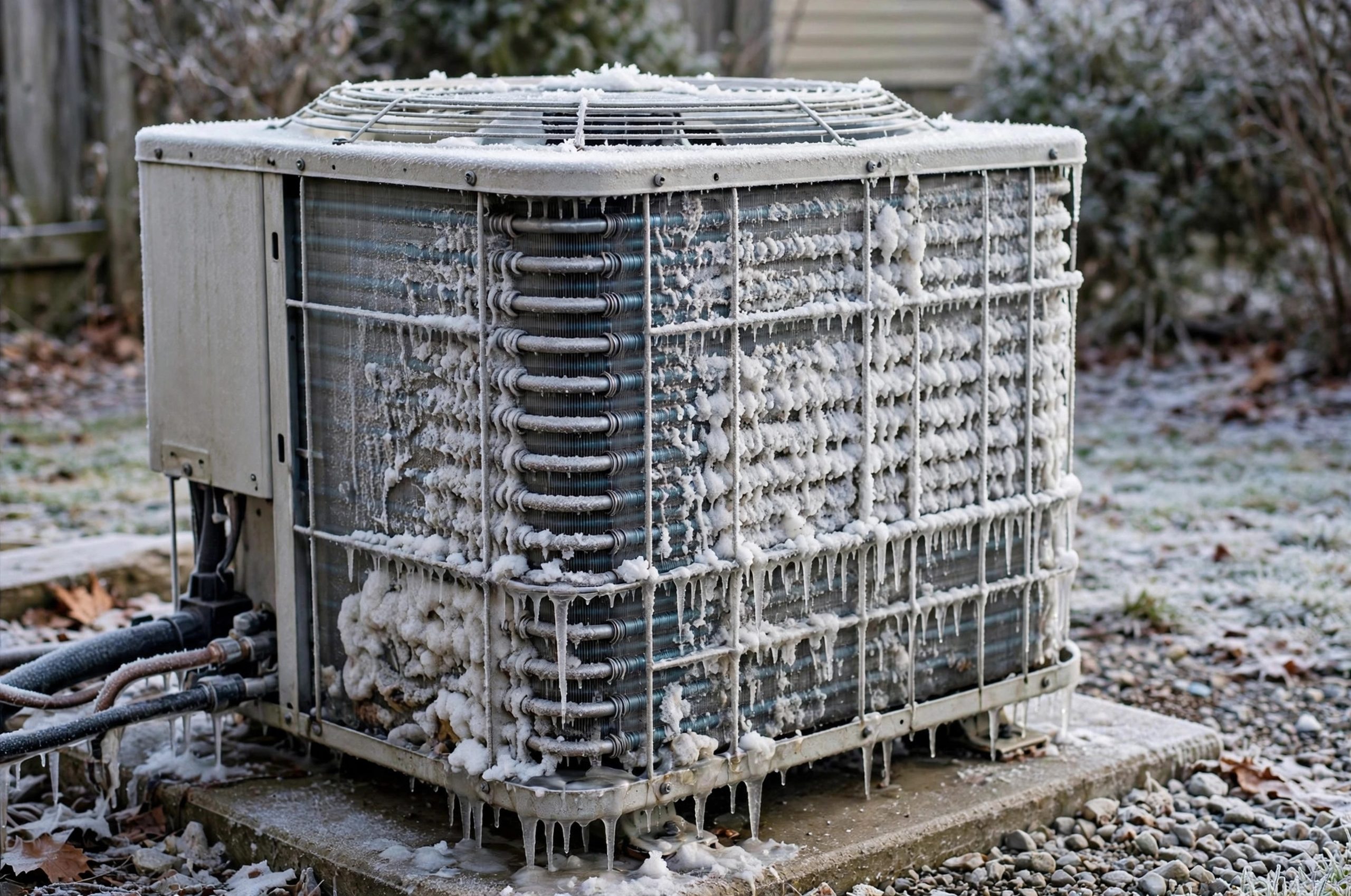
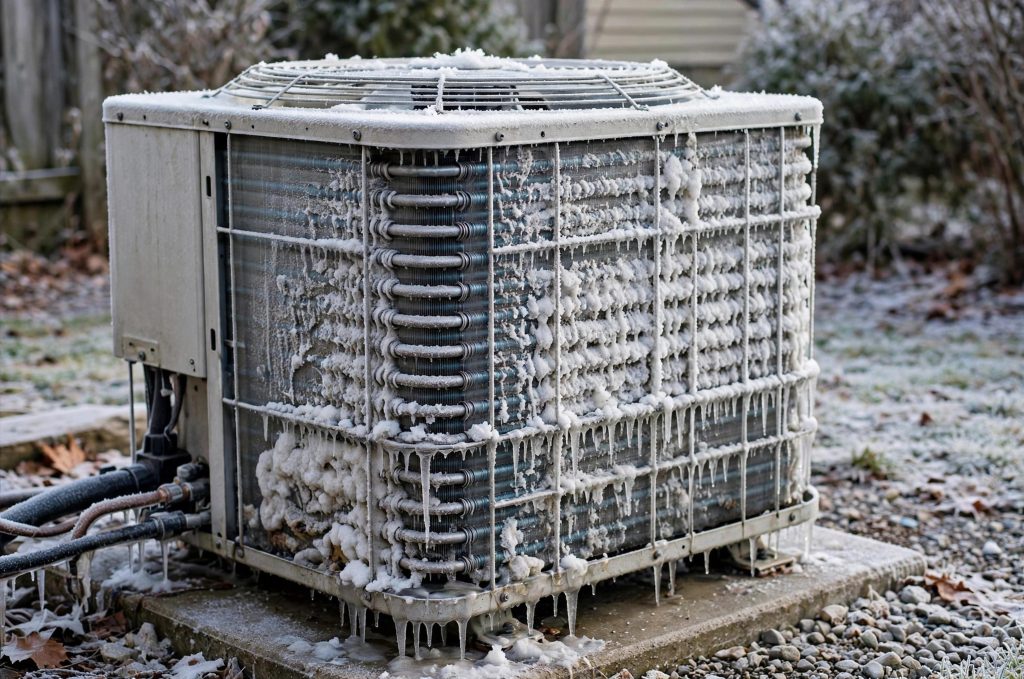
A real freeze-up looks different. The ice is thick. It covers the whole coil, sometimes reaching the top of the cabinet. It may stop the fan from spinning. It does not melt between defrost cycles. If the unit looks like an ice sculpture and stays that way for hours, you have a problem that needs your attention.
Why does it happen? Several causes are common. Low refrigerant makes the coil run colder than it should, so moisture freezes fast. Poor airflow from a dirty filter or blocked vents has a similar effect. A failed defrost control board, a bad sensor, or a stuck reversing valve can stop the automatic defrost from working. And simple blockages, like snow piled against the unit or leaves packed around the base, can choke off airflow enough to start the icing. HVAC pros point to refrigerant charge, airflow restrictions, and faulty components as the usual suspects.
Safety First: What Never to Do
Many homeowners find that thaw a frozen heat pump is easier than they expected once they know the basics.
The key to thaw a frozen heat pump is choosing the right approach for your space and budget.
Thawing a heat pump is simple, but a few mistakes can cause serious damage. Read this part before you touch the unit.
Never chip at the ice with a sharp tool. No screwdrivers, no ice picks, no knives, no hammers. The aluminum fins on the coil bend easily, and the refrigerant lines behind them puncture even more easily. One slip can release the refrigerant and ruin the coil, turning a free fix into a repair that costs more than a thousand dollars. Technicians warn that puncturing a coil with a sharp object is one of the costliest homeowner mistakes.
Never pour boiling water on the unit. The sudden temperature shock can crack components and damage the finish. Warm water is fine, as explained below, but boiling water is not.
Never use a pressure washer or a heat gun on high. A pressure washer bends the delicate fins flat, which chokes airflow and makes future icing worse. A heat gun can melt wiring insulation and plastic parts.
Never open the electrical panel or stick your hands deep into the unit. Capacitors inside can hold a charge even with the power off. If the job requires opening panels, that is a job for a technician.
And never keep running a badly iced unit in normal heating mode while you "wait and see." The compressor strains against the blockage. Give it a rest instead.
Step by Step: How to Thaw a Frozen Heat Pump Safely
The key to thaw a frozen heat pump is choosing the right approach for your space and budget.
With a little planning, thaw a frozen heat pump can fit even a busy schedule.
Here is the safe process, in order. Take your time with each step.
Step 1: Switch to Emergency Heat or Turn the System Off
Go to your thermostat. If you have an "Emergency Heat" or "Aux Heat" setting, switch to it. This turns on your backup heat source and shuts down the outdoor unit, which stops the icing from getting worse while keeping your house warm. If you do not have that setting, simply turn the system to "Off." Switching to emergency heat gives the outdoor unit a break while the backup keeps the house comfortable.
Do not leave the system running in normal heat mode with a badly iced coil. You are asking the compressor to work against a wall of ice.
Step 2: Clear Snow and Debris From Around the Unit
Put on gloves and walk around the outdoor unit. Brush away snow drifts, leaves, mulch, and any debris touching the cabinet. The unit needs clear space on all sides to breathe, at least two feet. Check the top too, since snow sliding off the roof can bury it.
Look at the base. Meltwater that pools and refreezes around the bottom creates an ice dam that starts the whole problem over again. Make sure water can drain away from the unit.
Step 3: Let the Ice Melt, With a Little Help
The safest thaw is a patient one. With the power off or the unit resting in emergency heat, much of the ice will melt on its own. Light icing may clear in under an hour. Heavy ice can take several hours.
To speed things up, pour warm water, not hot and never boiling, gently over the icy coils. A garden hose on a light stream works well. Work from the top down and let the water run off. You can also use a hair dryer on a low setting, held well back from the unit, but never leave it unattended and never use high heat. Warm water and patience beat force every time, and sharp tools should stay in the toolbox.
As the ice melts, watch the drainage. Water should flow away from the base, not pool under it. If water collects and refreezes, clear a path for it.
Step 4: Check the Indoor Filter and Vents
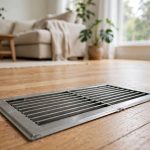
While the outdoor unit thaws, go inside and check the air filter. A clogged filter reduces airflow across the indoor coil, which can contribute to icing problems. Replace it if it looks dirty. Make sure supply vents are open and not blocked by furniture. Good airflow through the whole system helps prevent refreezing. If your filters are the washable or high-efficiency type, our guide on how to clean mini-split filters shows the right technique, and the same care applies to standard systems.
Step 5: Restart and Watch Closely
Once the coil is fully clear of ice, switch the thermostat back to normal heating mode. Stay nearby for the next hour and watch. The unit should run normally, and only a light frost should form, which the defrost cycle will clear on its own.
If heavy ice starts building again within an hour or two, stop. The thaw treated the symptom, not the cause. Something deeper is wrong, and running the system will only strain it. Switch back to emergency heat and call a technician.
A little planning makes thaw a frozen heat pump much easier.
What Causes Repeat Freezing
With a little planning, thaw a frozen heat pump can fit even a busy schedule.
Before you start, it helps to understand how thaw a frozen heat pump works in real homes.
If your heat pump ices up again and again, one of these underlying problems is usually at work.
Low refrigerant. When refrigerant runs low, often from a slow leak, the coil temperature drops too far and moisture freezes rapidly. Signs include hissing sounds, oily residue near the lines, and weak heating. Only a licensed technician can find the leak and recharge the system.
Failed defrost controls. The defrost cycle depends on a sensor and a control board. If the sensor misreads the coil temperature or the board fails to trigger, frost builds unchecked. A technician can test these parts in minutes.
Airflow problems. Dirty filters, blocked return vents, closed supply registers in many rooms, or a failing indoor blower motor all reduce airflow. Low airflow makes coils run colder. Keep filters fresh and vents open.
Outdoor fan trouble. If the outdoor fan motor fails or runs slowly, heat cannot move off the coil properly and ice takes hold. A frozen unit with a non-working fan needs professional diagnosis, since running it strains the compressor.
Oversized or undersized equipment. A unit that is the wrong size for the house short-cycles or runs at the wrong capacity, both of which encourage icing. This is an installation issue that a pro must evaluate.
How to Prevent Future Freeze-Ups
Before you start, it helps to understand how thaw a frozen heat pump works in real homes.
A good plan for thaw a frozen heat pump saves time, money, and frustration.
A little prevention goes a long way toward avoiding the next ice storm on your coil.
Keep up with filter changes. Check the filter every month during the heating season and replace it when dirty. This single habit prevents a surprising share of icing problems.
Keep the outdoor unit clear all winter. After every heavy snow, brush the snow away from the unit and shovel a path so meltwater drains. Trim back shrubs in the fall so nothing crowds the cabinet.
Schedule yearly professional maintenance. A technician will check the refrigerant charge, test the defrost controls, clean both coils, and catch small problems before they become freeze-ups. Annual service is the best protection against mid-winter failures. Our article on how often to service a furnace covers the same yearly rhythm heat pumps need.
Watch your thermostat settings. Make sure the system runs in "Heat" mode, not "Auto," which can confuse the defrost logic on some systems. If your thermostat is old or unreliable, upgrading helps. See our roundup of the best thermostat for a heat pump for models that handle defrost and backup heat correctly.
Consider the drainage around the unit. If meltwater always pools at the base, a small gravel bed or a slight regrading can keep the area dry. Standing water that refreezes is a repeat offender.
When to Call a Professional
A good plan for thaw a frozen heat pump saves time, money, and frustration.
For most people, thaw a frozen heat pump comes down to a few smart choices.
Thaw it yourself, but call for help when any of these apply:
- Ice returns within hours of a full thaw.
- The outdoor fan does not spin even after thawing.
- You hear grinding, squealing, or loud banging.
- The system runs only on emergency or backup heat.
- You suspect a refrigerant leak, such as hissing or oily spots.
- The circuit breaker trips when the unit starts.
- The unit is more than a dozen years old and freezes often.
A good technician will check the refrigerant charge, test the defrost sensor and board, inspect the reversing valve, and measure airflow. Most freeze-up causes are routine repairs. Catching the underlying fault early protects the compressor, which is the most expensive part to replace.
If your system is aging and the repair bills keep coming, it may be worth pricing a replacement. Modern cold-climate heat pumps handle freezing weather far better than older models, and today's cold-climate designs keep working at temperatures that stopped older units. A ductless mini-split is another option for hard-to-heat spaces.
Quick Recap
For most people, thaw a frozen heat pump comes down to a few smart choices.
If you are new to thaw a frozen heat pump, start with the simplest option and build from there.
Thin frost that melts on its own is normal. Thick ice that stays put is not. To thaw safely: switch to emergency heat, clear the area, melt the ice with warm water and patience, check the filter, then restart and watch. Never chip with tools, never use boiling water, and never force a unit that refreezes right away. Handle the immediate ice yourself, but let a professional find the cause when freezing keeps coming back. Your heat pump will thank you with steady, efficient warmth all winter long. Once you try it, thaw a frozen heat pump gets easier each time.
References
If you are new to thaw a frozen heat pump, start with the simplest option and build from there.
When it comes to thaw a frozen heat pump, getting the details right makes all the difference.
- Air Conditioner Lab. (n.d.). Heat pump freezing up? 8 simple fixes to try before calling the pros. https://airconditionerlab.com/heat-pump-freezing-up/
- Appliance Mastery. (n.d.). How to thaw a heat pump: Simple steps to restore your heating system efficiently. https://appliancemastery.com/how-to-thaw-a-heat-pump/
- Boyd, J. (n.d.). How to unfreeze heat pump: Simple steps to keep your home warm. https://medium.com/@jeffreyboyd2312/how-to-unfreeze-heat-pump-simple-steps-to-keep-your-home-warm-8f5268f05a3b
- Elephant Energy. (n.d.). Warming up to reality: Heat pump mythbusting. https://elephantenergy.com/blog//warming-up-to-reality-heat-pump-mythbusting
- Focus Heating and Cooling. (n.d.). Heat pump frozen? How to know and what to do. https://www.focusheatingandcooling.com/in-case-of-frozen-heat-pump/
- JustAnswer. (n.d.). Heat pump frozen? Expert Q&A on safety and solutions. https://www.justanswer.com/hvac/32xv5-heat-pump-frozen-snow-ice-thaw-out.html
- SlashGear. (n.d.). Don't believe this extremely common heat pump myth. https://www.slashgear.com/2049255/heat-pump-cold-weather-performance-myth/
- Volpe Service. (n.d.). Prevent and thaw frozen heat pumps in Parsippany. https://www.volpeservice.com/blog/prevent-and-thaw-frozen-heat-pump/
Many homeowners find that thaw a frozen heat pump is easier than they expected once they know the basics.
When it comes to thaw a frozen heat pump, getting the details right makes all the difference.
Many homeowners find that thaw a frozen heat pump is easier than they expected once they know the basics.
The key to thaw a frozen heat pump is choosing the right approach for your space and budget.
With a little planning, thaw a frozen heat pump can fit even a busy schedule.
Was this guide helpful?

About My Garden US
The My Garden US editorial team writes practical, in-depth home and garden guides for American homeowners — tested advice, no fluff.