
When the furnace quits on a cold January night or the air conditioner dies in the middle of a July heat wave, most people do the same thing. They pick up the phone or open a search page and look for the best hvac companies near me reviews 2026. A good heating and cooling company keeps a home safe, keeps energy bills low, and makes equipment last for years. A poor one costs money again and again. This guide explains how to read reviews, what to look for in a contractor, what service costs in 2026, and how to keep the system running after the work is done.
Why Choosing the Right HVAC Company Matters
Heating, ventilation, and air conditioning systems are the most complex machines in a typical house. They move heat, control humidity, and filter the air a family breathes every day. When they run well, no one notices them. When they fail, the whole house feels it.
A skilled contractor sizes equipment correctly, seals ductwork tight, and sets controls the way the maker intended.
There is also the question of safety. Gas furnaces and boilers burn fuel. A bad vent connection or a cracked heat exchanger can put carbon monoxide into the air. Air conditioners carry refrigerant under pressure. A company with trained, licensed workers handles these risks the right way. Reviews from other customers are often the first clue about which companies do the job right.
How to Use Reviews to Find the Best HVAC Companies Near Me: Best Hvac Companies near Me Reviews 2026
Searching for the best hvac companies near me reviews 2026 returns long lists of names, stars, and comments. The numbers alone do not tell the full story. A company with a perfect five-star rating from twelve reviews may be less proven than one with a 4.6 rating from four hundred reviews. Volume matters. Time matters too. Look for firms with steady good reviews over several years, not a burst of praise in one month.
Look for Detail, Not Just Stars
The most useful reviews describe what happened. A good review says the crew arrived on time, wore shoe covers, explained the work, and cleaned up after. It names the service: a spring tune-up, a blower motor replacement, a full furnace change-out. Vague praise such as “great service” helps less. Detailed reviews show the writer was paying attention, and attention is a sign of honesty.
Negative reviews deserve a fair reading as well. Every company has a bad day. What matters is the pattern. Repeated complaints about missed appointments, surprise charges, or systems that broke down right after service are warning signs. Also read how the company answers. A firm that responds calmly, takes responsibility, and offers to fix the problem shows the kind of character that carries over into its work.
Check the Dates
Reviews from 2026 carry the most weight because they reflect current staff, current pricing, and current service habits. Companies change. A shop that was excellent five years ago may have new owners today. When reading reviews, set the view to show the newest first. A company whose recent reviews are as strong as its older ones is a company that has kept its standards.
What to Look for Beyond the Reviews
Reviews point the way, but they are only part of the picture. A careful homeowner checks a few hard facts before signing anything.
License and Insurance
Nearly every state requires HVAC contractors to hold a license. Many cities add their own permits and inspections. Ask for the license number and check it with the state board. Also ask for proof of general liability insurance and workers compensation. A company that cannot produce these papers is not worth hiring, no matter how friendly the reviews sound. If a worker is hurt on the job or a mistake damages the house, uninsured companies leave the homeowner holding the bill.
Written Estimates
A trustworthy company puts the price in writing before the work starts. The estimate should list the equipment model numbers, the scope of labor, the permit fees, and the warranty terms. Get at least three written quotes for a major job such as a full system replacement. Prices and proposals vary widely, and comparing them side by side teaches the homeowner what the market charges. Be wary of any contractor who will only quote over the phone without seeing the house. Proper sizing requires a visit.
Training and Certifications
Ask what training the technicians carry. Many top technicians hold NATE certification, which tests real knowledge of heating and cooling systems. Factory training from equipment makers is another good sign. Carrier and Lennox both run dealer programs that require ongoing training, and working with a factory-authorized dealer often means better warranty support. A company that invests in its people tends to deliver better work.
Types of Services a Good HVAC Company Offers
Most full-service heating and cooling companies handle the same core list of jobs. Understanding the list helps a homeowner judge whether a company is the right fit.
Installation. This is the big one: putting in a new furnace, air conditioner, heat pump, or boiler. Quality installation matters more than brand for long-term results, though brands differ in features and warranties. The U.S. Department of Energy notes that proper installation has a large effect on efficiency and comfort, and that a poor job can waste a large share of the energy a system uses. Rheem and Goodman publish detailed product information that homeowners can use to compare models before the sales visit. If a heat pump is on the table, it helps to know the heat pump installation cost near me 2026 before the first quote arrives.
Repair. Good companies fix what can be fixed before selling a new system. They carry common parts on the truck, explain the failure in plain language, and give the price before turning a wrench.
Maintenance. Annual or twice-yearly tune-ups catch small problems early. A technician cleans coils, checks refrigerant charge, tests safety controls, and tightens electrical connections. Many companies sell maintenance plans with priority scheduling and repair discounts.
Ductwork and indoor air quality. Some firms also seal or replace ducts, add whole-house humidifiers or dehumidifiers, and install high-efficiency air filters. Homes with hot and cold spots often suffer from duct problems rather than equipment problems. For homes without ducts, a specialist can advise on the ductless mini split installation cost per zone as an alternative.
Emergency service. Heating and cooling failures do not wait for business hours. The better companies offer true round-the-clock service with a live person answering the phone. Reviews often mention how a company behaved at two in the morning. Those stories are worth their weight.
Cost and Price in 2026
Nobody hires an HVAC company without asking about money. Prices depend on the region, the season, and the job. Still, some rough ranges help set expectations.
A standard service call in 2026 usually runs between about 90 and 200 dollars, with the repair itself extra. A spring or fall tune-up often costs between 100 and 250 dollars. Common repairs such as a capacitor or contactor replacement may run a few hundred dollars. Larger repairs, like a blower motor or a control board, can reach into the high hundreds or low thousands.
Full system replacement is the largest expense most homeowners face with heating and cooling. A new gas furnace installation typically lands between about 4,500 and 10,000 dollars. A central air conditioner replacement often falls in a similar range. A full heat pump system, which heats and cools, generally costs between 6,000 and 14,000 dollars installed. Homes exploring ground-source options should research the best geothermal installers near me reviews separately, since that work is a specialty with its own price structure.
These ranges are wide because labor rates differ by city and because equipment tiers differ. A basic single-stage furnace costs far less than a modulating model with a variable-speed blower. The ENERGY STAR program gives guidance on efficiency ratings that affect both price and long-term running costs. Reviews can shed light on pricing honesty. Look for comments about whether the final bill matched the quote and whether the technician explained cheaper alternatives.
Getting Fair Value
Three habits protect the wallet. First, get multiple written quotes as noted above. Second, ask each bidder to explain why their proposal costs what it does. A contractor who can explain the difference between a 14-SEER and a 16-SEER condenser in plain words has probably sized the job with care. Third, check rebates. Utility companies and government programs often pay part of the cost of high-efficiency equipment, and a good contractor will know the current offers. Trane and other makers list rebate information that can help start the search.
Watch for pressure tactics. A company that demands a same-day signature or warns that the price “expires tonight” is selling, not serving. The best hvac companies near me reviews 2026 often praise contractors who were patient and let the homeowner think it over.
Care and Upkeep After the Job
The relationship with an HVAC company should not end when the truck leaves. Good firms stand behind their work and make maintenance easy.
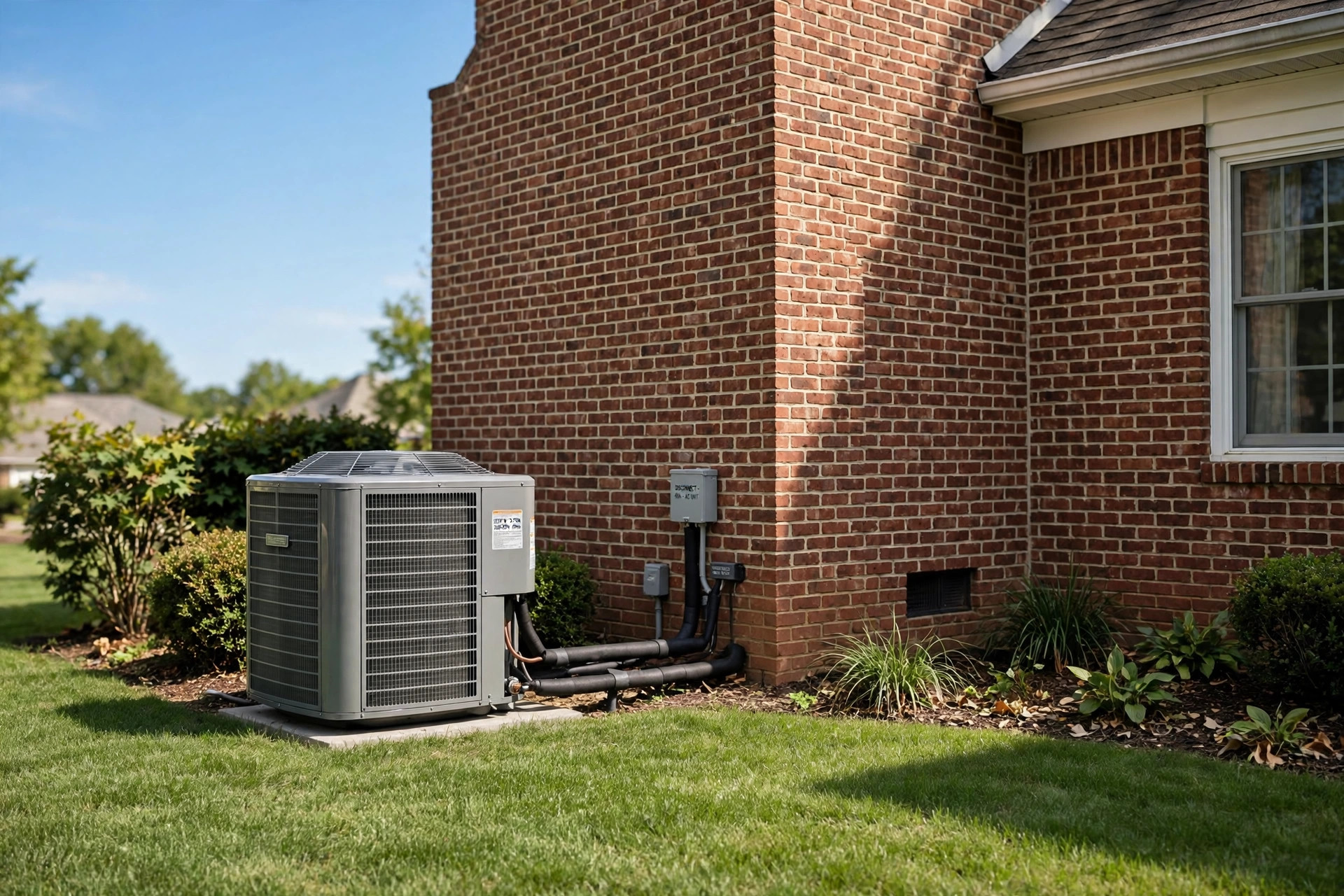
Change air filters on schedule. This single habit does more for system life than any other. Most standard filters need replacement every one to three months. Keep the outdoor condenser clear of leaves, grass clippings, and snow. Trim bushes back at least two feet from the unit so air can flow freely. Inside, keep supply vents open and unblocked by furniture.
Schedule professional maintenance at least once a year, twice if the system both heats and cools. Many homeowners buy a maintenance agreement from the installing company. These plans usually include priority service and small repair discounts, and they keep the warranty valid, since many makers require proof of annual service. This Old House publishes seasonal maintenance checklists that homeowners can follow between visits.
Pay attention to small changes. A new rattle, a musty smell, or a bill that creeps up without explanation all deserve a phone call. Small repairs caught early stay small. The companies that earn the best reviews are often the ones whose technicians point out coming problems during routine visits instead of waiting for a breakdown.
Safety
Heating and cooling equipment is safe when it is installed and maintained well, but it demands respect. Never skip the basics.
Install carbon monoxide detectors on every floor of a home with gas appliances, and test them monthly. If a detector sounds, leave the house and call the fire department from outside. Do not restart a furnace that has been red-tagged by an inspector or utility worker until a licensed contractor clears it.
Keep flammable items away from furnaces, boilers, and water heaters. Do not store paint, gasoline, or cleaning solvents near combustion equipment. Outside, keep mulch and plants away from the condenser so air moves freely.
Electrical work on HVAC systems belongs to trained hands. Capacitors can hold a charge even with the power off, and high-voltage wiring mistakes can injure or kill. Family Handyman offers plenty of safe do-it-yourself guidance, but its editors are clear that some jobs call for a professional. When in doubt, call the company instead of opening the panel.
Frequently Asked Questions
How many reviews should a trustworthy HVAC company have? There is no magic number, but more is better. A company with several hundred reviews across a few years has a track record that a handful of reviews cannot match. Pay as much attention to the age and detail of the reviews as to the star count.
Should I choose the company with the lowest quote? Not always. A very low bid can mean undersized equipment, skipped permits, or thin warranties. Compare what each quote includes: equipment models, labor scope, permit handling, and warranty length. The best value is usually a fair price from a company with strong reviews, not the cheapest number on the page.
How often should my HVAC system be serviced? Once a year at minimum. Systems that both heat and cool do best with a visit each spring and each fall. Regular service keeps efficiency up, catches wear early, and protects the manufacturer warranty.
Do online reviews cover emergency service quality? Often yes. Homeowners remember midnight breakdowns, and they write about them. Search the reviews for words like “emergency,” “weekend,” or “middle of the night” to find stories about how the company performs under pressure.
What questions should I ask before hiring? Ask for the license number, proof of insurance, a written estimate with model numbers, the warranty terms in writing, and references from recent jobs like yours. A good company answers all of these without hesitation.
Is it better to repair or replace an old system? A common rule of thumb: if the repair costs more than half the price of a new system and the equipment is over ten to twelve years old, replacement usually makes more sense. A trusted technician will lay out both options with honest numbers instead of pushing one answer.
A Short Final Word
Finding the best hvac companies near me reviews 2026 is not about finding a perfect star rating. It is about finding a company with a long trail of honest reviews, proper licenses, trained technicians, and fair written prices. Take the time to read the reviews with care, check the facts, and get competing quotes. The few hours spent choosing well pay back for years in comfort, safety, and lower bills. A home’s heating and cooling system works hardest when no one is thinking about it, and the right company is the reason it stays that way.
References
Carrier. (n.d.). Heating and cooling systems. https://www.carrier.com ENERGY STAR. (n.d.). Energy efficient products. https://www.energystar.gov Family Handyman. (n.d.). DIY home repair and maintenance. https://www.familyhandyman.com Goodman. (n.d.). Heating and cooling equipment. https://www.goodmanmfg.com Lennox. (n.d.). Heating and cooling systems. https://www.lennox.com Rheem. (n.d.). Heating, cooling, and water heating. https://www.rheem.com This Old House. (n.d.). Home renovation guidance. https://www.thisoldhouse.com Trane. (n.d.). Heating and air conditioning. https://www.trane.com U.S. Department of Energy. (n.d.). Energy efficiency and renewable energy. https://www.energy.gov
Was this guide helpful?

About Lisa Anderson
The My Garden US editorial team writes practical, in-depth home and garden guides for American homeowners — tested advice, no fluff.
You May Also Like
U Shaped Window AC Reviews 2026 USA: A Plain Buyer Guide
June 6, 2026 0 views
HVAC Tax Credits 2026 for Homeowners USA: What You Can Claim and How
May 17, 2026 0 views
Pool Heat Pump Reviews for Inground Pools: A Buyer’s Guide
March 20, 2026 0 views