
Every winter, millions of American homes face the same problem. The cold months arrive, the furnace runs day and night, and the heating bill climbs higher than expected. Many families wonder how to lower heating bill in winter USA without freezing in their own living rooms. The good news is simple. A lower bill does not require a lower comfort level. It requires a smarter home and a few careful habits.
Heating is often the largest part of a winter energy bill. In cold regions, it can be more than half of all energy use in the home. Even small changes add up over three or four cold months. A draft sealed here, a degree lowered there, a filter changed on time, and the savings grow week by week. This guide explains twelve proven ways to cut heating costs, what each step costs, and how to keep your home safe and warm at the same time.
Why High Heating Bills Happen
Most homes lose heat in the same few places. Warm air escapes through cracks around windows and doors. It rises into the attic when insulation is thin. Cold air leaks in through the basement, the fireplace, and the holes where pipes enter the walls. When a home leaks warm air, the furnace must run longer to replace it. That extra running time is what drives the bill up.
The second cause is equipment. An old furnace or boiler may burn fuel but turn only part of it into heat. The rest goes up the chimney as waste. Dirty filters and blocked vents make the system work harder still. The United States Department of Energy notes that a heating system kept in poor repair can waste a large share of the fuel it burns, so service and cleaning matter as much as the equipment itself.
The third cause is habit. Many homes are heated to the same temperature all day and night, even when no one is home or when everyone is asleep under blankets. Heat also escapes into rooms that no one uses. Each of these habits is easy to fix, and none of them requires new equipment.
Twelve Ways to Cut Your Heating Bill: How to Lower Heating Bill in Winter Usa
The steps below are listed from the easiest to the ones that take more effort. You do not need to do all twelve at once. Start with the free and low-cost steps. Add the bigger projects later if the savings justify the cost.
1. Set the Thermostat Lower
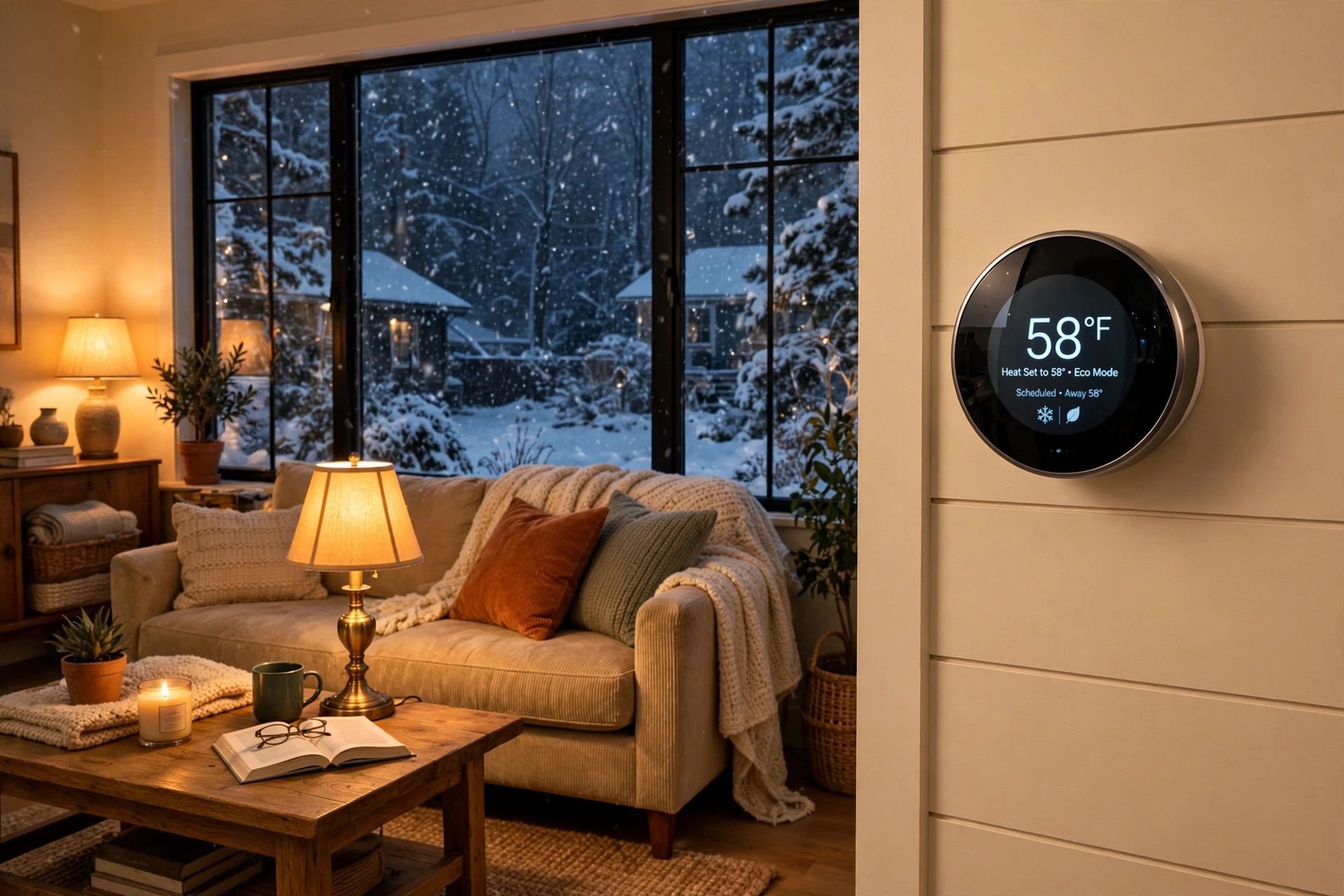
The simplest step costs nothing. Lower the thermostat by one or two degrees. Most people stay comfortable at 68 degrees during the day. At night, or when the house is empty, 60 to 62 degrees is often fine. Every degree lowered for eight hours a day can cut heating costs by a few percent over the season.
2. Use a Programmable or Smart Thermostat
A programmable thermostat lowers the temperature for you on a schedule. It warms the house before you wake up and cools it down after you leave. Many models cost between 50 and 250 dollars. A smart model can learn your routine and adjust itself. This one device can pay for itself in a single winter for many homes.
3. Seal Drafts Around Windows and Doors
Feel for cold air around window frames and doors on a windy day. Caulk seals cracks around fixed window frames. Weatherstripping seals the moving parts of doors and windows. A tube of caulk costs a few dollars, and a roll of weatherstripping costs ten to twenty. Sealing leaks is one of the cheapest ways to save.
4. Add Insulation Where It Is Thin
Heat rises, so the attic is the most important place to insulate. If you can see the tops of the joists through the attic insulation, you need more. Adding insulation to reach the recommended depth can cut heating loss through the ceiling by a large amount. Wall insulation and basement insulation help too, but the attic comes first.
5. Service the Furnace or Boiler Each Fall
Have the heating system checked and cleaned before the cold weather starts. A service visit usually costs between 80 and 150 dollars. The technician cleans the burner, checks the controls, and finds small problems before they turn into big ones. A well-serviced system burns less fuel for the same heat.
6. Change Filters on a Regular Schedule
A dirty air filter blocks airflow. The system then runs longer to push the same amount of warm air through the house. Check the filter every month during the heating season. Most standard filters cost a few dollars and take minutes to replace. This is the easiest maintenance task a homeowner can do.
7. Close Off Unused Rooms
If a guest room or storage room sits empty all winter, close its door and shut or lower its heating vents. The system then sends more heat to the rooms you actually use. Do not close too many vents at once, because the system needs enough airflow to work properly. Two or three rooms is a safe limit in most homes.
8. Reverse Ceiling Fans
Ceiling fans have a small switch that changes the blade direction. In winter, set the blades to run clockwise at low speed. This pushes warm air down from the ceiling into the living space. The room feels warmer at the same thermostat setting, so you can keep the setting a degree lower.
9. Let the Sun Help During the Day
Open curtains and blinds on south-facing windows in the morning. The sun warms the rooms for free. Close them again at sunset to hold the heat in. Heavy curtains add a layer of insulation over the glass at night. This simple habit uses daylight as a free source of heat.
10. Keep Vents and Radiators Clear
Furniture, rugs, and curtains can block heat vents and radiators. Move furniture a few inches away so warm air can flow into the room. A blocked vent wastes the heat the system worked hard to make. Walk through each room once and check every vent and radiator.
11. Seal Ducts in Unconditioned Spaces
Heated air travels through ducts in the attic, crawl space, or garage in many homes. Leaks in those ducts spill warm air where no one benefits. Sealing duct joints with metal tape, not cloth duct tape, keeps the heat in the pipes. Insulating ducts in cold spaces adds more savings.
12. Consider a Heat Pump When Equipment Is Old
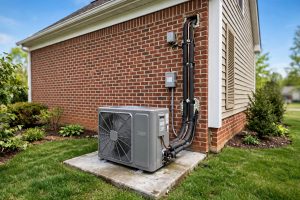
If the furnace is more than fifteen or twenty years old, a cold climate heat pump may be worth a look. Heat pumps move heat rather than make it, so they can use far less energy. A cold climate heat pump can run well even in northern winters. Before you decide, compare options in a careful heat pump versus furnace cost comparison, and learn the pros and cons of high efficiency furnace models too. The right choice depends on your climate, your fuel prices, and how long you plan to stay in the home.
What to Look For When Choosing Heating Upgrades
Not every upgrade is worth the money. Before you spend, check three things.
First, find where your heat goes. Many utility companies offer a home energy audit, sometimes at low cost or free. An auditor uses a blower door test to find leaks and an infrared camera to find thin insulation. The audit report tells you which fixes will save the most for the least money.
Second, match the upgrade to your home. A heat pump may be a smart choice in a mild climate and a poor one where winters are brutal, unless it is rated for cold weather. Insulation pays back fastest in older homes that were built with little of it. New windows help comfort, but they cost a lot, so sealing the old ones is usually the better first step.
Third, look at the payback time. Divide the cost of the upgrade by the yearly savings it promises. If the answer is three to five years, the upgrade is usually a sound investment. If it is fifteen years, you may be better off with the low-cost steps. Rebates from the state or the utility can shorten the payback time, so ask what programs exist in your area.
Cost and Price Guide
Costs vary by region and by contractor, but the ranges below give a fair picture of what American homeowners pay.
– Caulk and weatherstripping: 5 to 40 dollars for materials. – Programmable thermostat: 50 to 150 dollars, plus installation if needed. – Smart thermostat: 150 to 300 dollars. – Furnace service visit: 80 to 150 dollars. – Air filters: 3 to 15 dollars each. – Attic insulation (blown in): 1 to 3 dollars per square foot of attic, often 1,000 to 2,500 dollars for a full job. – Duct sealing by a contractor: 500 to 2,000 dollars. – New high efficiency furnace: 3,500 to 8,000 dollars installed. – Cold climate heat pump: 4,000 to 12,000 dollars installed, depending on size and type.
Free habits, like lowering the thermostat and opening the curtains, cost nothing and can save 5 to 15 percent of the heating bill. Low-cost fixes, like sealing and filters, often pay back in the first winter. Bigger projects should wait until you have the audit results in hand.
Care and Upkeep Through the Season
Good habits keep the savings coming all winter. Change the filter every one to three months. Keep the area around the furnace clear of boxes and clutter. Check that outdoor vents are not blocked by snow or leaves. Listen for odd sounds from the system, such as banging or whistling, and call for service early rather than waiting for a breakdown.
Once a month, walk through the house and feel for new drafts. Caulk shrinks and weatherstripping wears, so a leak can return. Check the attic hatch too. Many hatches leak warm air, and a small insulated cover over the hatch is a cheap fix.
If you heat with oil or propane, watch the tank gauge. Order fuel before the tank runs low, because emergency deliveries cost more. If you heat with gas or electricity, compare each month’s bill with the same month last year. A sudden jump often points to a problem, such as a failing part or a new leak.
Safety Comes First
Cutting costs must never cut safety. Keep these rules in mind.
– Never use a gas oven or stove to heat the home. It can release carbon monoxide, a gas you cannot see or smell. – Keep portable space heaters at least three feet from curtains, bedding, and furniture. Turn them off when you leave the room or go to sleep. – Make sure smoke alarms and carbon monoxide alarms work. Test them each month and change batteries as needed. The Consumer Product Safety Commission offers guidance on home heating safety that every family should read. – Do not close off so many vents that the furnace overheats. Follow the maker’s guidance on minimum airflow. – Have chimneys and flues cleaned and checked each year if you burn wood, oil, or pellets. A blocked flue can send dangerous gases back into the home.
Frequently Asked Questions
How much can I really save by lowering the thermostat? Most homes save about 1 to 3 percent of the heating bill for each degree the thermostat is lowered over an eight-hour period. Lowering it from 70 to 65 at night, for example, can cut several percent off the monthly bill.
Is it cheaper to keep the heat at one temperature all day? No. That idea comes from old heating advice. Modern furnaces and heat pumps use less fuel when they run less. Setting the temperature back when you are asleep or away saves money, even with the warm-up period counted.
Do space heaters save money? They can, if used with care. A space heater warms one room so you can lower the heat in the rest of the house. But electric space heaters are costly to run for long hours. Use them for short periods in the room you sit in, and never as the main heat source.
How often should the furnace be serviced? Once a year, in the fall, before the heating season starts. Yearly service keeps the system safe and efficient. Skipping service can void some warranties and lets small faults grow into costly repairs.
Will new windows lower my heating bill? They help, but they are costly. Full window replacement often costs many thousands of dollars. For most homes, sealing air leaks and adding insulation save more money per dollar spent. Replace windows when they are worn out, not only for the energy savings.
What is the cheapest way to lower a winter heating bill today? Lower the thermostat, open the curtains on sunny windows, close doors to unused rooms, and change a dirty filter. These four steps cost nothing or almost nothing, and they work the same day you do them.
A Final Word
A high winter heating bill is not a fact of life. It is a sign that heat is escaping or that the system is working harder than it should. The twelve steps in this guide, from the free habits to the bigger upgrades, give any American homeowner a clear path to lower costs. Start with the easy wins. Seal the leaks. Service the system. Set the thermostat with care. Then, when you are ready, look at insulation and equipment with the numbers from an energy audit in your hand. Winter will still come, but the bill does not have to hurt.
For more background, see Carrier, Trane, and Lennox. For more background, see Goodman, Rheem, and ENERGY STAR. See This Old House for more detail.
References
Carrier. (n.d.). Heating and cooling systems. https://www.carrier.com ENERGY STAR. (n.d.). Energy efficient products. https://www.energystar.gov Goodman. (n.d.). Heating and cooling equipment. https://www.goodmanmfg.com Lennox. (n.d.). Heating and cooling systems. https://www.lennox.com Rheem. (n.d.). Heating, cooling, and water heating. https://www.rheem.com This Old House. (n.d.). Home renovation guidance. https://www.thisoldhouse.com Trane. (n.d.). Heating and air conditioning. https://www.trane.com U.S. Department of Energy. (n.d.). Energy efficiency and renewable energy. https://www.energy.gov
Was this guide helpful?

About Sarah Mitchell
The My Garden US editorial team writes practical, in-depth home and garden guides for American homeowners — tested advice, no fluff.
You May Also Like
Best Home Energy Monitor Reviews 2026 USA
July 4, 2026 0 views
Best Evaporative Cooler for Garage USA: A Practical Buying Guide
June 30, 2026 0 views
Wood Stove Installation Cost Near Me: What to Expect
February 2, 2026 0 views