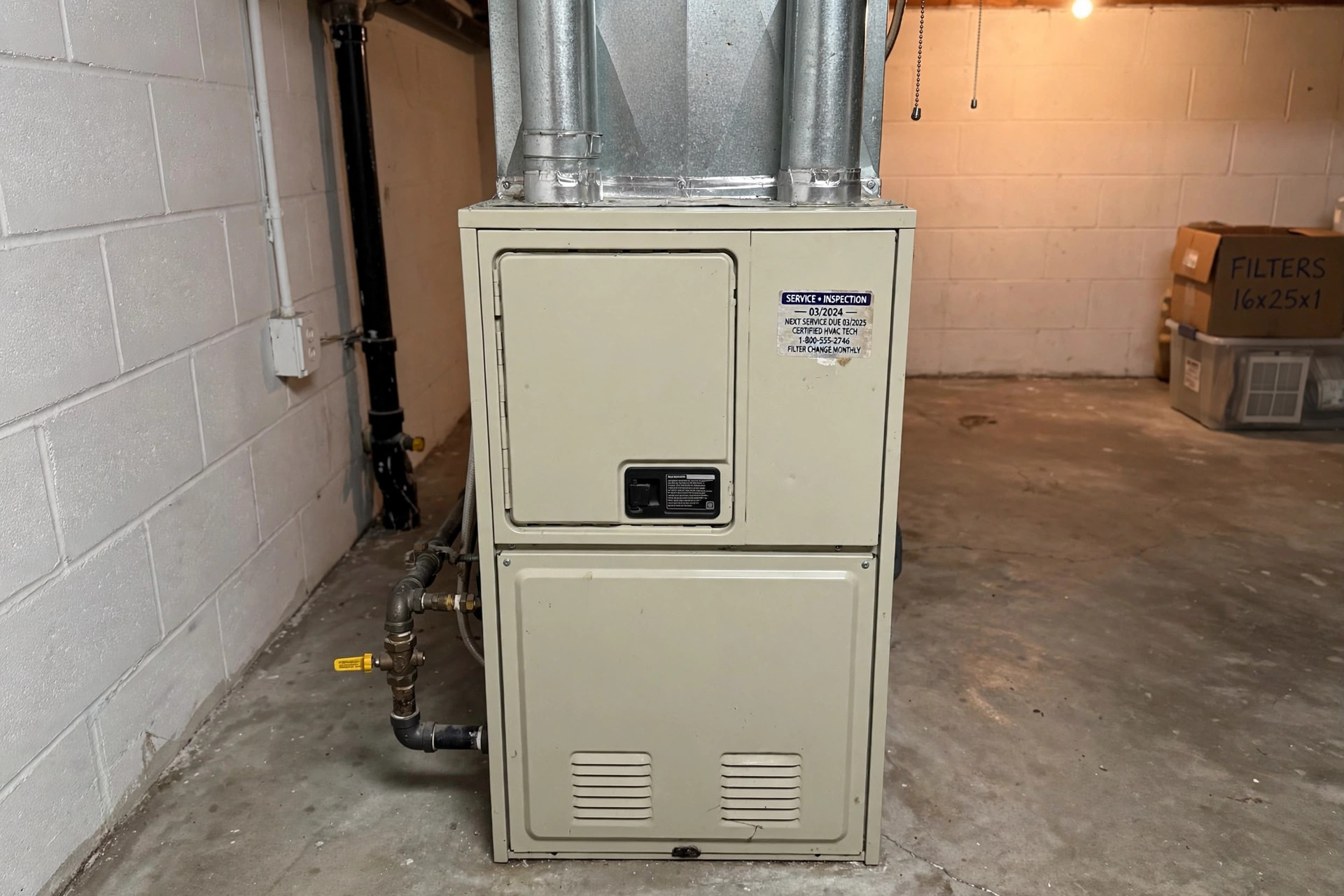

A furnace is the heart of home heat for millions of families across the United States. When winter winds blow, it runs day and night to keep rooms warm. Yet many owners only think about it when it breaks down. This how often to service furnace usa guide answers the plain question that every owner asks: how often does a furnace need professional care, and what does that care include?
The short answer is simple. Most furnace makers and energy experts agree that a furnace should be serviced once a year. The visit should happen in early fall, before the heating season begins. A single yearly check keeps the unit safe, saves energy, and extends its life. Some homes need more than one visit, and this guide explains why.
Why Yearly Furnace Service Matters
A furnace burns fuel or uses electricity to make heat. Over time, dust builds up, parts wear out, and small faults grow. A burner that is slightly dirty burns more fuel to make the same heat. A loose part can shake itself into a costly repair. A cracked heat exchanger can leak carbon monoxide into the home, which is a silent and deadly gas.
Regular service stops these problems early. A technician cleans the key parts, checks the safety controls, and tests the airflow.
Many furnace warranties also require yearly maintenance by a licensed professional. If a major part fails and the owner cannot show proof of service, the maker may refuse to pay for the repair. Keeping a record of each visit protects the warranty and the wallet.
Energy use is another strong reason. The U.S. Department of Energy notes that proper heating maintenance can cut fuel use and keep equipment running at its rated efficiency. A furnace that is tuned each year wastes less gas or oil, which matters when fuel prices rise.
The Standard Rule: Once a Year in Early Fall: How Often to Service Furnace Usa Guide
For most American homes, one professional service visit per year is the right rhythm. Fall is the best time, usually September or October. The furnace has been idle through summer, so dust and insects may have settled inside. A fall visit gives the technician time to fix problems before cold weather arrives.
The yearly visit covers a full check of the system. The technician inspects the burners, cleans the flame sensor, checks the heat exchanger for cracks, tests the ignition system, and looks at the venting. Electrical connections are tightened. The thermostat is tested for correct reading and response. Airflow is measured to be sure warm air reaches every room.
Homeowners can also do their own monthly checks between visits. The filter should be checked each month during the heating season and changed when it looks dirty. Vents and registers should stay clear of furniture and rugs. These small steps keep the furnace working between professional visits.
Homes in very cold states may run their furnaces six months or more each year. Owners in Minnesota, Maine, or North Dakota sometimes choose a mid-season check in January in addition to the fall visit. This is optional but wise for older units that work hard all winter.
Signs Your Furnace Needs Service Sooner
The yearly schedule works for a healthy furnace. But some signs mean the unit needs attention right away, even if the last visit was recent. Watch for these warning signs.
First, strange noises. A furnace should hum quietly. Banging, rattling, squealing, or booming sounds point to loose parts, a worn belt, or delayed ignition. None of these fix themselves.
Second, uneven heat. If some rooms feel cold while others feel warm, the furnace may have airflow trouble or a failing blower. Short cycling is another red flag. This means the furnace turns on and off too often, never finishing a full heating cycle. It wastes energy and wears out parts fast.
Third, a rising fuel bill with no change in weather or rates. When the same winter costs more to heat, the furnace is probably losing efficiency. Dirt, worn parts, or a slipping belt can be the cause.
Fourth, the pilot light or flame color. On gas furnaces with a visible flame, the flame should burn blue and steady. A yellow or flickering flame can mean incomplete combustion, which wastes fuel and may produce carbon monoxide.
Fifth, a thermostat that seems wrong. If the set temperature and the room temperature do not match, the problem may be the thermostat or the furnace controls. A technician can test both.
Any of these signs deserves a service call without delay. Waiting can turn a small repair into a big one. For guidance on comparing furnace care with other home heating choices, see our comparison of the best electric wall heater reviews 2026 usa.
What to Look for in a Furnace Technician
Not every heating contractor offers the same quality. Choosing the right technician makes the yearly visit worth its cost. Look for these points.
Licensing and insurance come first. The technician should hold a state license for heating work and carry liability insurance. Ask for proof before the work begins. A written quote is also wise. It should list the tasks included in the service and the price.
Ask what the tune-up includes. A good yearly service covers cleaning, inspection, safety tests, and a written report of findings. Some companies offer a cheap “special” that is little more than a quick look. A full tune-up takes 60 to 90 minutes for a typical home furnace.
Check reviews and ask neighbors for names they trust. Local reputation matters more than a national brand name on the van. A technician who serves the same town year after year has reason to do honest work.
Ask about the report. After the visit, the technician should give a written summary of what was checked, what was cleaned, and what may need repair soon. Keep these reports in a folder. They prove regular care for warranty claims and help the next technician see the unit’s history.
Major makers such as Carrier, Trane, Lennox, Rheem, and Goodman all recommend yearly professional maintenance. Many also list certified dealers on their sites, which is a good place to start a search.
Types of Furnaces and Their Service Needs
American homes use several kinds of furnaces, and each has its own service points. The yearly rule holds for all of them, but the details differ.
Gas Furnaces
Gas furnaces are the most common type in the United States. They burn natural gas or propane to heat air. The yearly visit must include a careful look at the heat exchanger, the burners, and the vent pipe. The technician also tests for gas leaks and checks the carbon monoxide level in the flue. Homeowners should keep a carbon monoxide detector on each floor as a backup.
Oil Furnaces
Oil furnaces burn heating oil, common in the Northeast. They need a yearly nozzle and filter change, plus cleaning of the combustion chamber. Soot builds up faster in oil units, so the yearly cleaning is very important. The oil tank and lines should also be checked for leaks.
Electric Furnaces
Electric furnaces have no burners or flue. They heat air with electric elements. They still need yearly service: the elements, sequencers, and blower should be checked, and the cabinet cleaned. Electric units are simpler, so the visit is often shorter and cheaper.
Heat Pumps with Backup Heat
Some homes use a heat pump with a furnace as backup. These systems should be serviced twice a year, once for cooling and once for heating. For a deeper look at one popular option, read our article on nest vs ecobee for heat pump usa comparison. If you are weighing bigger upgrades, our piece on ground source heat pump installation cost usa breaks down the numbers.
Cost and Price of Furnace Service in the USA
A standard yearly furnace tune-up in the United States usually costs between $80 and $200. The price varies by region, furnace type, and company. Oil furnace service often costs more, around $150 to $250, because it includes parts like the nozzle and oil filter.
Many companies sell yearly service plans. A plan may cost $150 to $300 per year and include the fall tune-up, priority scheduling, and a discount on repairs. Plans can be a good deal for owners of older furnaces, but read the terms. Some plans renew on their own, and some cover less than they promise.
Repairs found during the visit cost extra. Common small repairs include a new igniter ($150 to $300), a new flame sensor ($80 to $150), and a new thermostat ($100 to $300 installed). Major repairs, like a blower motor or control board, can run $400 to $900. These numbers show why yearly service pays for itself. Catching a weak igniter in fall is far cheaper than an emergency call on a freezing night.
Homeowners comparing long-term heating costs should also know that programs like ENERGY STAR certify high-efficiency furnaces that can cut fuel use. When a furnace nears the end of its life, usually 15 to 20 years, a yearly service visit is the right time to ask the technician for an honest opinion about replacement.
Care and Upkeep Between Service Visits
The technician visits once a year, but the owner cares for the furnace every month of the heating season. These simple tasks make a real difference.
Change or clean the air filter on schedule. Most filters need changing every one to three months during heating season. A clogged filter starves the furnace of air, which can overheat the unit and trip safety switches. Mark the filter size on a card near the furnace so buying replacements is easy.
Keep the area around the furnace clear. Boxes, paint cans, and cleaning supplies should stay at least three feet away. Good airflow and access help the unit run safely and make the technician’s job easier.
Check vents and cold air returns in every room. Dust them with a vacuum brush and make sure furniture does not block them. Closed vents in unused rooms may seem like a saving, but they can upset the system’s balance and raise pressure in the ducts.
Listen and look each month. A quick check for new noises, odd smells, or water near the unit takes two minutes. Catching a change early is the cheapest repair of all. For step-by-step seasonal guidance written for homeowners, This Old House and Family Handyman both publish clear furnace maintenance checklists.
Outside the home, keep the exhaust vent and intake pipe clear of snow, leaves, and nests. A blocked vent can shut the furnace down or push exhaust back into the home. After a heavy snow, take a walk around the house and clear the pipes.
Safety During the Heating Season
Furnace safety deserves its own section because the risks are real. Gas and oil furnaces burn fuel, and any fuel-burning appliance needs respect.
Install carbon monoxide detectors on every floor of the home, near sleeping areas. Test them monthly and change batteries yearly. Carbon monoxide has no color and no smell, so the detector is the only warning.
Never store flammable liquids near the furnace. Gasoline, paint thinner, and cleaning solvents can ignite from the pilot light or burner. Keep the furnace room tidy and dry.
If you smell gas, leave the house at once and call the gas company from outside. Do not flip light switches or use the phone inside. For oil smells or soot marks around the furnace, shut the unit off and call a technician.
Have the flue and chimney checked as part of the yearly visit. Birds and squirrels sometimes nest in chimneys during summer. A blocked flue is dangerous, so this check is not optional.
Frequently Asked Questions
How often should a furnace be serviced in the USA?
Once a year is the standard answer from furnace makers and energy experts across the USA. Schedule the visit in early fall, before the first cold snap. Homes with older units or very long heating seasons may add a mid-winter check.
Is yearly furnace maintenance really necessary?
Yes. Yearly maintenance keeps the unit safe, holds energy costs down, and protects the factory warranty. Most warranties require proof of yearly professional service. Skipping visits can void coverage on expensive parts.
What does a furnace tune-up include?
A full tune-up includes cleaning the burners and flame sensor, inspecting the heat exchanger, testing safety controls and the thermostat, checking electrical connections, measuring airflow, and testing for gas or carbon monoxide leaks. The technician should leave a written report.
How long does a furnace service visit take?
A thorough tune-up takes 60 to 90 minutes for a typical home furnace. Oil furnaces may take longer because of the extra cleaning and parts. If a company finishes in 20 minutes, the visit was probably not a full service.
Can I service my own furnace?
Owners can and should do basic care: change filters, keep vents clear, and watch for warning signs. But the full yearly service needs a trained technician with test instruments. Gas pressure, heat exchanger cracks, and carbon monoxide levels cannot be judged by eye alone.
When should a furnace be replaced instead of repaired?
Most furnaces last 15 to 20 years with good care. If repairs cost more than half the price of a new unit, or if breakdowns happen every winter, replacement is usually the wiser choice. A yearly service visit is the best time to ask for an honest assessment.
A Short Final Word
This how often to service furnace usa guide ends where it began: once a year, in the fall, by a licensed professional. That single habit guards safety, trims fuel bills, and stretches the life of the furnace. Add monthly filter checks and a watchful eye for warning signs, and the heating system will serve the home well for many winters.
References
Carrier. (n.d.). Heating and cooling systems. https://www.carrier.com ENERGY STAR. (n.d.). Energy efficient products. https://www.energystar.gov Family Handyman. (n.d.). DIY home repair and maintenance. https://www.familyhandyman.com Goodman. (n.d.). Heating and cooling equipment. https://www.goodmanmfg.com Lennox. (n.d.). Heating and cooling systems. https://www.lennox.com Rheem. (n.d.). Heating, cooling, and water heating. https://www.rheem.com This Old House. (n.d.). Home renovation guidance. https://www.thisoldhouse.com Trane. (n.d.). Heating and air conditioning. https://www.trane.com U.S. Department of Energy. (n.d.). Energy efficiency and renewable energy. https://www.energy.gov
Was this guide helpful?

About Lisa Anderson
The My Garden US editorial team writes practical, in-depth home and garden guides for American homeowners — tested advice, no fluff.
You May Also Like

Cellular Shades for Energy Efficiency Reviews
July 20, 2026 0 views
Electronic Air Cleaner vs Media Filter: Which One Cleans Home Air Best
April 17, 2026 0 views
Furnace Maintenance Checklist for Fall USA: Get Ready Before Winter
June 14, 2026 0 views