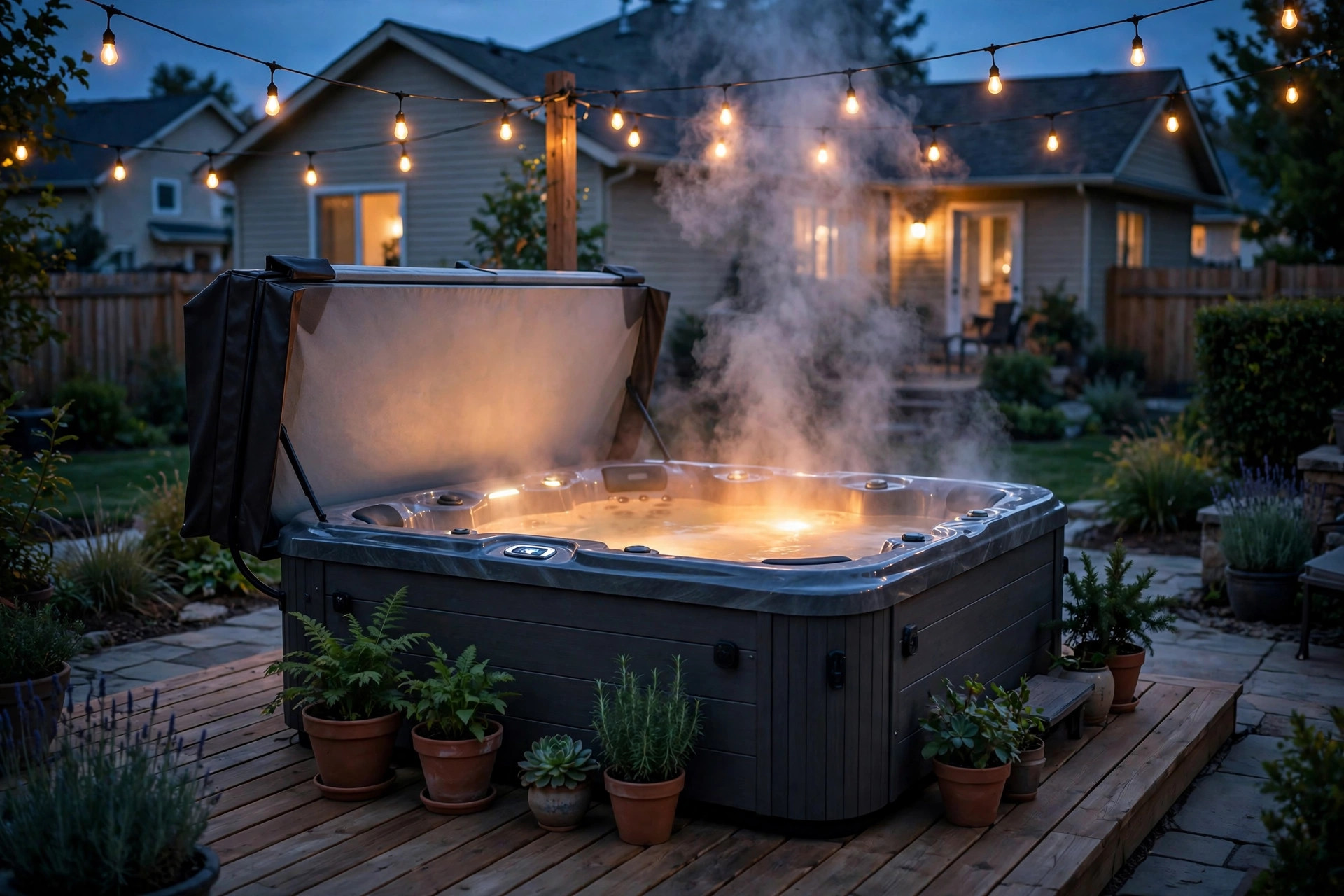

Many people dream of a hot tub in the back yard. They see the price tag at the store and think that is the whole story. It is not. A hot tub has a yearly cost of care. Water, heat, and cleaning do not pay for themselves. The good news is that the hot tub maintenance cost per year is not a mystery. It follows a clear pattern. Once you know the parts, you can plan for each one.
A plain budget removes the surprise. It also helps you compare models before you buy. Some tubs cost less to run than others. A little study now can save you hundreds of dollars later.
Why the Yearly Cost Matters
A hot tub is not a one time purchase. It is more like a small car. You pay for it once, and then you pay to keep it running. Owners who skip the yearly math often feel shock when the bills arrive. They see high power bills in winter. They see a pump that needs a fix. They wish they had planned ahead.
The hot tub maintenance cost per year tells you the true price of ownership. With that number in hand, you can set a monthly budget. You can decide if a hot tub fits your home budget. You can also spot waste. If your costs are much higher than the normal range, something is wrong. A worn cover or a failing heater may be to blame.
Planning also protects the tub itself. A tub that gets poor care wears out faster. Pumps burn out. Shells crack. A cover that no one fixes lets heat escape all winter. Each of these problems adds cost. Steady care keeps costs low and stretches the life of the spa.
What Goes Into the Yearly Cost: Hot Tub Maintenance Cost Per Year
The hot tub maintenance cost per year has five main parts. Chemicals, power, filters, water, and repairs. Each one is simple to understand. Let us take them in turn.
Water Chemicals
Chemicals keep the water safe. A hot tub is small, so germs can grow fast in warm water. You will need sanitizer, test strips or a test kit, pH adjusters, and shock. Chlorine and bromine are the common sanitizers. Most owners spend about 200 to 400 dollars per year on chemicals for a standard home spa.
Test strips or liquid kits are part of this cost. You should test the water at least twice a week. Strips are cheap and fast. Liquid kits are more exact. Either way, testing is a small yearly cost that saves big trouble.
Shock treatment is also needed. Shock clears built up waste from the water. Owners shock the tub weekly or after heavy use. A tub of shock granules lasts many months. It is one of the cheapest items in the budget.
Electricity
Heat is the largest single cost for most owners. A hot tub keeps water hot day and night. The heater runs often in cold months. The pumps run on a set cycle too. For a standard 300 to 400 gallon tub, most owners see power costs of 300 to 700 dollars per year.
The exact number depends on three things. First, your local power rate. Some states charge twice what others charge per kilowatt hour. Second, the season. Winter costs more than summer. Third, the tub itself. A well built tub with thick insulation and a tight cover uses less power. For buyers who live where winters bite, reading a guide to the best hot tub for cold climates can cut yearly power costs by a wide margin.
The cover matters a great deal. A thin or cracked cover lets heat rise straight into the air. A good cover with a tight seal can trim the power bill by a third. Check the cover seal twice a year. Replace a cover that no longer sits flat.
Filters
Filters catch dirt, oils, and fine debris. Most tubs use pleated cartridge filters. A set of filters lasts one to two years with regular cleaning. When you spread the cost over time, filters add about 50 to 100 dollars per year.
Cleaning extends filter life. Rinse the filters with a hose every two to four weeks. Deep clean them with a filter cleaner every three months. Keep a spare set so you can swap them during deep cleaning. Owners who never clean filters find that pumps work harder and power costs rise.
Water
A hot tub holds only a few hundred gallons. Filling it costs a few dollars in most towns. But you should drain and refill the tub three or four times per year. Over a year, water costs stay small, often 20 to 50 dollars. Sewer charges may add a little more where they apply.
Draining matters more than its price suggests. Old water gets hard to balance. Chemicals stop working well. Fresh water makes the next round of chemicals work better and can lower your chemical cost.
Repairs and Parts
Things wear out. Pumps, heaters, ozonators, and covers have a set life. A cover lasts three to five years. A heater may last five to eight. A pump may last seven to ten. Spread over a year, most owners spend 100 to 300 dollars on repairs and parts in an average year. Some years cost nothing. Some years bring a big repair.
A wise owner sets aside a small repair fund. Fifty dollars a month covers most surprises over time. This is the part of the hot tub maintenance cost per year that people forget. They count chemicals and power but not the pump that fails in year six.
The Typical Yearly Range
Add the parts together and a clear range appears. For a standard home hot tub, kept at a normal schedule, the hot tub maintenance cost per year runs about 700 to 1,500 dollars. Small simple tubs at the low end. Large tubs with many jets in cold areas at the high end.
Let us see a simple example. Chemicals cost 250 dollars. Power costs 500 dollars. Filters cost 75 dollars. Water costs 30 dollars. Repairs average 150 dollars. The total is 1,005 dollars per year. That is about 84 dollars per month. This matches what most dealers and owner guides report.
These numbers are for a tub used all year. A tub used only in summer costs less. A tub left idle in winter still needs care, but power costs drop. Owners who close a tub for winter should still drain and cover it with care.
How to Keep Costs Down
Smart habits cut the hot tub maintenance cost per year without cutting comfort. None of these steps require skill. They only require a steady hand.
Lower the heat when no one uses the tub. Each degree costs money. Dropping from 104 to 100 degrees saves real power over a month. Use a timer for the filter cycle. Many tubs let you set short cycles. Two short cycles a day often clean as well as one long cycle.
Keep the cover on. Every hour the cover sits off, heat escapes. In winter, a floating thermal blanket under the main cover adds cheap extra insulation. Wind guards or a fence near the tub also help. Wind strips heat from the surface faster than still air.
Buy chemicals in the right size. A starter kit sized for your tub avoids waste. A guide to the best hot tub chemicals starter kit helps new owners avoid buying bottles they will never use. Store chemicals in a cool dry place. Old chemicals lose strength and make you use more.
Test often and adjust early. Small problems cost little to fix. A pH that drifts for a month can damage the heater. A learning habit of how to maintain hot tub water chemistry pays for itself in longer part life. Test twice a week. Write down the results. Patterns show up fast.
Clean on schedule. A weekly wipe of the waterline stops scum from building. A monthly rinse of filters keeps pumps happy. A quarterly deep clean keeps jets clear. Fifteen minutes a week saves hours of repair later.
Cost Differences by Tub Type
Not all tubs cost the same to run. Size is the first factor. A two person tub uses less water, less heat, and fewer chemicals than a six person tub. The difference can be several hundred dollars per year.
Insulation is the second factor. Full foam insulation costs more up front but saves power every year. Thin insulation does the reverse. In cold states, insulation is the single biggest factor in power cost.
Salt systems are a third factor. Salt water tubs need fewer harsh chemicals. The salt cell costs money and must be replaced every few years. Over a long time, salt systems often break even with standard chemical systems. They appeal to owners who dislike the smell of chlorine.
Inflatable hot tubs cost the least to buy but often the most to run per gallon. They lose heat fast. Their pumps work hard. A small hard shell tub usually beats an inflatable on yearly cost, even though it costs more at the store.
Safety Notes for Owners
Cost talk should never push safety aside. A hot tub holds hot water and strong chemicals. Both need respect.
Never let the water rise above 104 degrees. Pregnant women, small children, and people with heart problems should talk to a doctor before use. Keep children within arm’s reach at all times. A cover with a lock keeps curious children out when the tub is not in use.
Store chemicals away from children and pets. Keep them dry and in their marked containers. Never mix chemicals together. Follow the label for each product. Rinse spills at once and wash your hands after handling chemicals.
Electrical safety matters too. A hot tub must sit on a proper circuit with ground fault protection. Have a licensed electrician check the wiring before first use and every few years after. Keep radios and cords away from the water. Water and power are a bad mix.
Frequently Asked Questions
How much does it cost to run a hot tub per month?
For a standard tub used all year, most owners pay 60 to 125 dollars per month across all costs. This covers chemicals, power, filters, water, and a share of repairs. Winter months run higher. Summer months run lower.
Do hot tubs use a lot of electricity?
They use a fair amount, but less than most people fear. A well insulated tub costs 30 to 60 dollars per month in power for most owners. A poor cover or a cold climate can push that higher. Good insulation and a tight cover are the best defenses.
Can I cut the hot tub maintenance cost per year in half?
Cutting it in half is hard, but cutting it by a third is realistic. Lower the water temperature, keep the cover on, clean filters on time, and buy chemicals in the right sizes. These four habits alone can save 200 to 400 dollars per year.
Is a salt water hot tub cheaper to maintain?
Salt tubs often cost a little less in chemicals each year. The salt cell must be replaced every three to five years at a cost of several hundred dollars. Over ten years, the total is often close to a standard tub. Many owners choose salt for comfort, not for savings.
What is the most common surprise cost?
The cover. Owners forget that covers wear out. A worn cover doubles heat loss. Replacing a cover costs 300 to 500 dollars every three to five years. That equals 60 to 160 dollars per year when spread out. Plan for it.
Does draining the tub often save money?
Draining three or four times per year is the sweet spot. Fresh water needs fewer chemicals and is easier to balance. Draining too often wastes water and heat. Draining too rarely makes chemicals work poorly and can shorten part life.
A Short Final Word
The hot tub maintenance cost per year is not a guess. It is a sum of plain parts. Chemicals, power, filters, water, and repairs add up to roughly 700 to 1,500 dollars for most owners. That range holds steady year after year.
The owners who pay the least are not the ones who buy the cheapest tub. They are the ones who plan. They test water twice a week. They keep the cover tight. They clean filters on time. They set aside a small repair fund. These simple habits keep the tub safe, warm, and ready.
A hot tub should bring rest, not bills that shock. With a clear budget and steady care, it brings rest for many years. Write down your own yearly number. Compare it to the range in this guide. Then enjoy the warm water with a clear mind.
For more background, see Swim University, Hot Spring Spas, and Bullfrog Spas. For more background, see The Spruce, The Home Depot, and U.S. Consumer Product Safety Commission. Buying guides are also published by Leslie’s Pool Supplies and Pool Warehouse.
References
Bullfrog Spas. (n.d.). Hot tubs and spas. https://www.bullfrogspas.com Hot Spring Spas. (n.d.). Hot tubs and spas. https://www.hotspring.com Leslie’s Pool Supplies. (n.d.). Pool supplies and equipment. https://www.lesliespool.com Pool Warehouse. (n.d.). Pool equipment and supplies. https://www.poolwarehouse.com Swim University. (n.d.). Pool and hot tub care guides. https://www.swimuniversity.com The Home Depot. (n.d.). Home improvement products. https://www.homedepot.com The Spruce. (n.d.). Home and garden advice. https://www.thespruce.com U.S. Consumer Product Safety Commission. (n.d.). Product safety information. https://www.cpsc.gov
Was this guide helpful?

About David Wilson
The My Garden US editorial team writes practical, in-depth home and garden guides for American homeowners — tested advice, no fluff.
You May Also Like
Pool Resurfacing Options: Pros and Cons for Pool Owners
May 19, 2026 0 views
Inground Pool Cost Breakdown by Size
September 29, 2026 0 views
How to Repair Pool Coping Stones: A Plain Guide for Homeowners
September 24, 2026 0 views