
A new roof is one of the largest purchases a homeowner will ever make. In Arizona, the choice carries extra weight. The sun is strong and the heat is long. A roof that works well in a cool state may fail early in the desert. That is why many people search for where to buy asphalt shingle roofing in Arizona before they sign a contract. They want the right product, at a fair price, from a seller they can trust. This guide walks through the whole process in plain terms: the desert climate, what to look for, the main shingle types, costs, care, safety, and answers to common questions.
Why the Arizona Climate Changes How You Buy Roofing
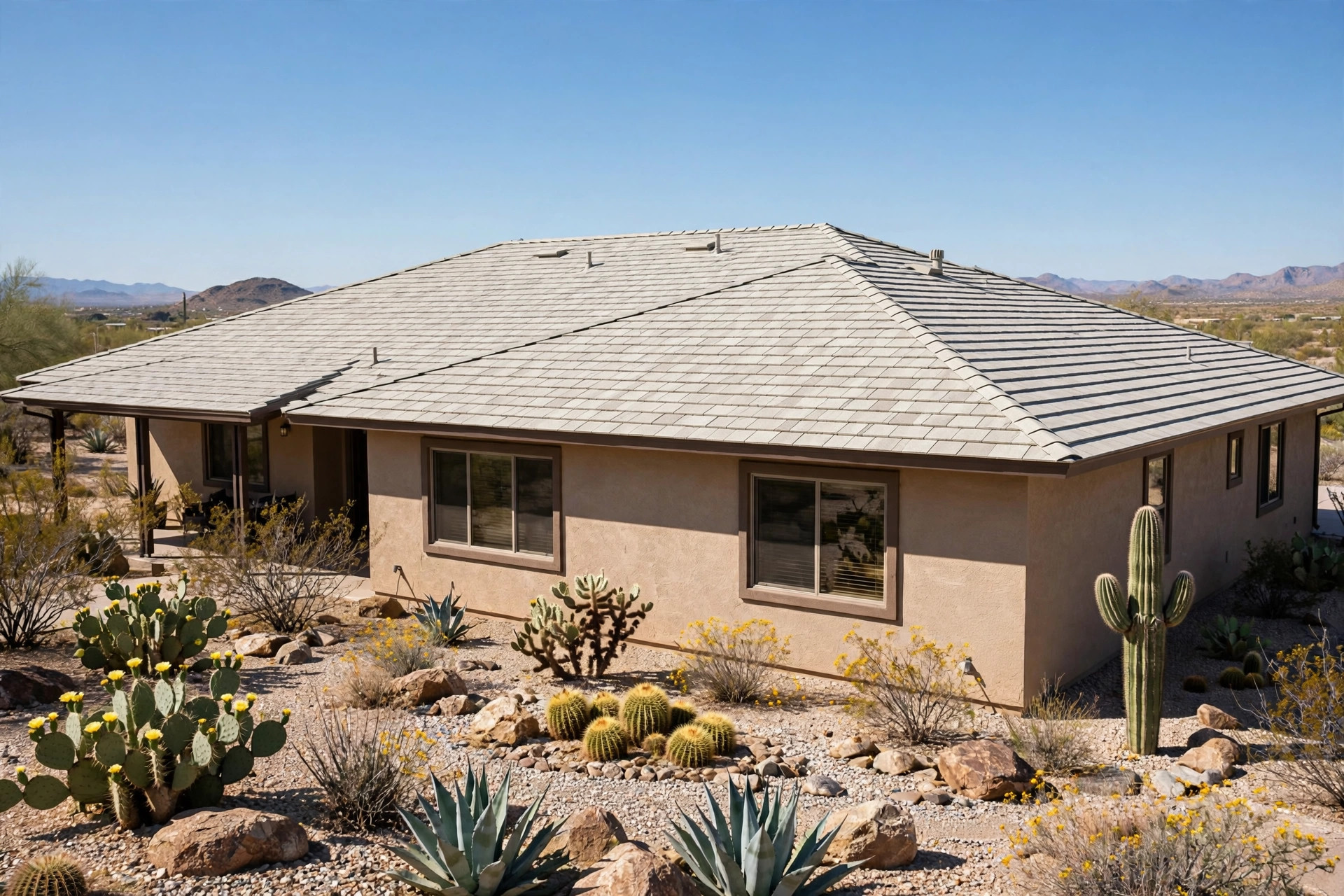
Arizona is not like other states when it comes to roofs. Daytime heat in the low desert can reach well past 110 degrees. The sun strikes the roof for hours each day. Ultraviolet light breaks down the oils in asphalt over time. This can make shingles brittle sooner than the warranty may suggest.
Heat also changes how shingles look and act. Dark shingles absorb more heat and can age faster in direct sun. Light-colored shingles reflect more heat and often last longer in desert towns. Wind is another factor. Monsoon storms bring strong gusts. A shingle that is not sealed well can lift at the edges.
A seller in Arizona should stock shingles made for hot climates. Look for products rated for high heat and wind, and ask if they meet local building codes. Many Arizona cities and counties have rules about fire rating and wind speed. A good supplier will know these rules and steer you toward shingles that pass.
Where to Buy Asphalt Shingle Roofing in Arizona
Most buyers in Arizona purchase shingles through one of four channels. Each has its own strengths.
Big-Box Home Improvement Stores
Large stores have branches across the state, from Phoenix to Flagstaff. They stock common shingle colors and types. Prices are often clear, and delivery to the job site is easy to arrange. Shoppers who want to compare retail roofing supplies and home improvement materials side by side will find these stores handy. One drawback is that the range of shingles made for high heat may be smaller than at a specialty dealer.
Roofing Supply Houses
These are trade suppliers that sell mainly to contractors. Many will still sell to a homeowner who walks in. They carry a wider range of brands and grades, including shingles built for hot climates. Staff at these houses tend to know the products well. If you hire a roofer, he or she may already buy from a local supply house and can add your order at a trade price.
Lumber Yards and Building Material Dealers
Local lumber yards often sell roofing along with wood and other goods. They serve rural areas where big stores are far away, and they can order shingles that are not kept in stock.
Direct From Manufacturers and Online Retailers
Some makers sell through their own dealer networks. You can find an approved dealer on the maker’s site. Online retailers help with price checks, but freight on heavy bundles can be high. Always add the shipping cost before you compare.
Tips for Picking a Seller
– Ask how long the seller has been in business in Arizona. – Ask what brands they carry and whether those brands have a track record in heat. – Ask about delivery: how fast, what it costs, and whether bundles are placed on the roof or on the ground. – Check reviews and ask for past customers you can call. – Get a written quote that lists the brand, style, color, weight per bundle, and warranty terms.
What to Look for When You Choose Shingles
Once you know where to buy asphalt shingle roofing in Arizona, the next step is to pick the right product. Keep these points in mind.
Heat Resistance and Rating
Look for shingles with a high heat rating. Some makers test their shingles for high-temperature service. A product data sheet should state the service range. Also check the fire rating. In wildfire-prone areas, a Class A fire rating is the standard. Many Arizona building codes call for it.
Shingle Type: Three-Tab or Architectural
Three-tab shingles are flat and uniform. They cost less. They also tend to have a shorter life in hot sun. Architectural shingles, also called laminated or dimensional shingles, are thicker. They have more than one layer. They stand up better to wind and heat, and they look richer. Most roofers in Arizona now recommend architectural shingles for homes in the low desert.
Weight and Granule Loss
Heavier shingles often last longer. They carry more asphalt and more protective granules. The granules shield the asphalt from the sun. Ask the seller for the weight per bundle and compare. Heavy granule loss in the first years is a sign the shingles are not suited to the heat.
Color and Solar Reflectance
Light colors reflect more sun and keep the attic cooler. Some makers sell “cool roof” shingles with special granules that reflect solar energy even in darker colors. These can lower cooling costs. In a hot place like Phoenix, that saving adds up over the years.
Wind Rating
Monsoon winds can be fierce. Look for shingles rated for at least 110 miles per hour. Many architectural shingles carry a 130-mile-per-hour rating when installed with the maker’s stated method. Ask the seller to show the wind rating on the product sheet.
Warranty Terms
Read the warranty before you buy. A long stated life, such as 30 or 50 years, is a manufacturer’s rating, not a promise. In Arizona’s heat, real service life is often shorter. Check what voids the warranty: poor ventilation, wrong installation, and layering over old shingles are common exclusions. A seller who explains the warranty in plain words is a seller worth trusting.
Types of Asphalt Shingles Sold in Arizona
Three-Tab Shingles
The basic choice. They are light and simple to install. They cost the least up front. In Arizona heat, they may last 12 to 18 years. They suit rental homes and tight budgets.
Architectural Shingles
The most common choice for homes in Arizona. They are thicker and tougher. They handle wind better. They may last 18 to 25 years in the desert. They cost more than three-tab but give better value over time.
Premium and Designer Shingles
These copy the look of slate or wood shake. They are the heaviest and most costly. They give a fine look to higher-end homes. Their life in Arizona heat is much like that of architectural shingles.
Cool Roof and Reflective Shingles
These carry special granules that reflect more sunlight and can cut attic heat. They are worth a close look if your cooling bills are high.
Homeowners who want to compare roof types often read a metal roofing installation cost guide usa as an option to asphalt, or review top rated asphalt shingle roofing for usa homes lists before they settle on a product.
Cost and Price: What to Expect in Arizona
Prices move with the brand, the type, and the size of the roof. The figures below are rough guides for Arizona in recent years. Get fresh quotes for your project.
– Shingle material only: Three-tab shingles may run $70 to $110 per square (a square is 100 square feet of roof). Architectural shingles often run $110 to $180 per square. Premium shingles can run $180 to $300 per square. – Full installed cost: Labor, underlayment, flashing, and tear-off add a large share. In Arizona, a full asphalt shingle roof on a typical home often costs $4 to $7 per square foot installed. A 2,000-square-foot roof may then cost $8,000 to $14,000. – Tear-off and disposal: Removing old shingles adds $1 to $2 per square foot. Many Arizona roofs have two layers from past re-roofs. Both layers must come off. – Underlayment: In desert heat, a good underlayment matters. Felt is cheap. Synthetic underlayment costs more but handles heat better. Some roofers use a high-temperature ice-and-water shield at eaves and valleys. – Delivery: Some sellers deliver free within a set distance. Rural delivery can cost more.
How to Keep Costs Fair
– Get at least three written quotes from different sellers and roofers. – Compare the same brand, style, and warranty across quotes. A low quote may hide a thinner shingle. – Ask if the price is locked and for how long. Material prices can shift. – Do not pay the full sum up front. A deposit of one-third or less is normal. The rest is due at set stages. – Check whether the seller or roofer pulls the building permit, and whose name is on it.
Related exterior projects often pair with a new roof. Many buyers also read a vinyl siding installation cost guide when they plan the full exterior.
Helpful project planning advice appears in home guides like Bob Vila’s roofing resources and This Old House project guides.
Care and Upkeep in Desert Heat
A roof in Arizona needs regular care. The sun does not rest, and small problems grow fast in heat.
Inspect Twice a Year
Walk around the house in spring and fall. Look for curled edges, cracked shingles, missing granules, and loose flashing. If you can see the roof from a window, use binoculars. Do not walk on the shingles unless you know how. Foot traffic in heat can crack them.
Keep Gutters and Valleys Clear
Desert dust and monsoon debris collect in valleys and gutters. Water then backs up under shingles. Clean gutters at least twice a year. Trim tree branches that rub the roof.
Watch the Attic
Heat and trapped moisture hurt shingles from below. Make sure the attic has good ventilation. Ridge vents and soffit vents let hot air out. Check that bathroom and kitchen fans vent outside, not into the attic.
Fix Small Problems at Once
A lifted shingle after a monsoon can be resealed. A cracked boot around a vent pipe can be replaced in minutes. Small repairs cost little. A leak left alone can rot the deck and cost thousands.
Plan for Recoating and Cleaning
Do not pressure-wash asphalt shingles. The blast strips granules. If moss or dust builds up, a gentle wash with a garden hose and a soft brush is enough. Some roofers offer a light cleaning service.
Practical how-to pieces on roof maintenance basics and home exterior upkeep can help you set a simple yearly schedule.
Safety on the Roof and at the Job Site
Roofing is hard, hot work, and Arizona adds its own risks.
– Heat illness: Roof work in summer heat is dangerous. Crews should start early, take breaks in shade, and drink water often. If you do any work yourself, keep it to cool morning hours. – Falls: Falls are the top risk in roofing. Pros use harnesses and anchors. A homeowner should not climb a steep roof without the right gear and a helper. – Ladder safety: Set the ladder on firm ground at the right angle. Tie it off if you can. Never lean past the rails. – Electrical lines: Watch for overhead wires near the roof edge. Keep ladders and long materials well clear. – Nails and debris: Old shingles hide nails. Wear thick gloves and boots with hard soles. Keep children and pets away from the work zone. – Fire: In dry months, sparks from tools can start a fire. Keep a fire extinguisher on site.
Consumer safety guidance from the Consumer Product Safety Commission is worth a read before any major home project.
Buying Smart: Working With a Roofer
Many buyers purchase shingles through their roofer rather than buying direct. This can be wise. A roofer who buys often gets better prices and knows which products hold up in Arizona heat.
– Hire a licensed Arizona roofing contractor. Check the license with the state registrar. – Ask for proof of insurance: general liability and workers’ compensation. – Ask which brand the roofer prefers and why. A roofer who names one brand for every job may have a sales tie. A roofer who explains the trade-offs is more trustworthy. – Make sure the contract names the exact shingle brand, style, color, and warranty. – Ask who handles warranty claims: the maker or the roofer. – Get a lien release when you pay in full, so no supplier can claim against your home later.
Helpful project planning advice appears in home guides like Bob Vila’s roofing resources and This Old House project guides.
Frequently Asked Questions
How long do asphalt shingles last in Arizona?
In the low desert, three-tab shingles often last 12 to 18 years. Architectural shingles often last 18 to 25 years. Real life is usually shorter than the warranty rating because of the heat. Cooler high-country towns like Flagstaff see longer life.
Are asphalt shingles a good choice for Arizona, or should I pick tile or metal?
Asphalt shingles are a fine choice for many Arizona homes. They cost less than tile or metal and install faster. Tile lasts longer in heat but costs much more and needs a stronger roof frame. Metal lasts long and reflects heat well but also costs more. For a buyer on a budget, quality architectural shingles are a sound pick.
Where is the cheapest place to buy asphalt shingles in Arizona?
Prices vary by brand and grade, so the “cheapest” seller may not give the best value. Big-box stores often post the lowest sticker price on common shingles. Trade supply houses may beat them on better grades. Always compare the same product, and add delivery and tax before you judge.
Can I install asphalt shingles myself in Arizona?
It is legal for a homeowner to roof his or her own home in many Arizona cities, but a permit is still needed. The work is hard and risky in heat. Mistakes void the warranty and can cause leaks. Most homeowners are better off hiring a licensed roofer.
Do I need a permit to replace a roof in Arizona?
Yes, in most cities and counties. The permit makes sure the work meets code for wind, fire, and nailing. Your roofer or supplier can tell you the local rules. Never skip the permit to save money.
What color shingle is best for Arizona heat?
Light colors reflect more heat and keep the attic cooler. White, light gray, and light tan are popular. If you like a dark look, ask about cool-roof shingles with reflective granules, which give a dark color with less heat gain.
A Short Final Word
Knowing where to buy asphalt shingle roofing in Arizona is only the start. The buyers who get the best results shop with a clear head. They learn how desert heat treats a roof. They pick a seller with local knowledge. They choose a shingle made for sun and wind. They read the warranty. Take these steps, and your new roof will give you many years of quiet service under the Arizona sun.
For brand background and product lines, maker sites such as GAF roofing products and Owens Corning roofing are useful starting points, and shingle maker guides like CertainTeed roofing list dealers across the state.
References
Bob Vila. (n.d.). Home improvement advice. https://www.bobvila.com CertainTeed. (n.d.). Building materials and exterior products. https://www.certainteed.com Family Handyman. (n.d.). DIY home repair and maintenance. https://www.familyhandyman.com GAF. (n.d.). Roofing shingles and materials. https://www.gaf.com Lowe’s. (n.d.). Home improvement products. https://www.lowes.com Owens Corning. (n.d.). Roofing and insulation products. https://www.owenscorning.com The Home Depot. (n.d.). Home improvement products. https://www.homedepot.com This Old House. (n.d.). Home renovation guidance. https://www.thisoldhouse.com U.S. Consumer Product Safety Commission. (n.d.). Product safety information. https://www.cpsc.gov
Was this guide helpful?

About Sarah Mitchell
The My Garden US editorial team writes practical, in-depth home and garden guides for American homeowners — tested advice, no fluff.
You May Also Like
Budget Friendly Exterior House Painting Services Near Me: How to Get a Quality Job for Less
September 30, 2026 0 views
Reliable Stucco Exterior Repair in Arizona: A Homeowner’s Guide
September 8, 2026 0 views
Best Garage Door Replacement for Homeowners: What to Know Before You Buy
February 16, 2026 0 views