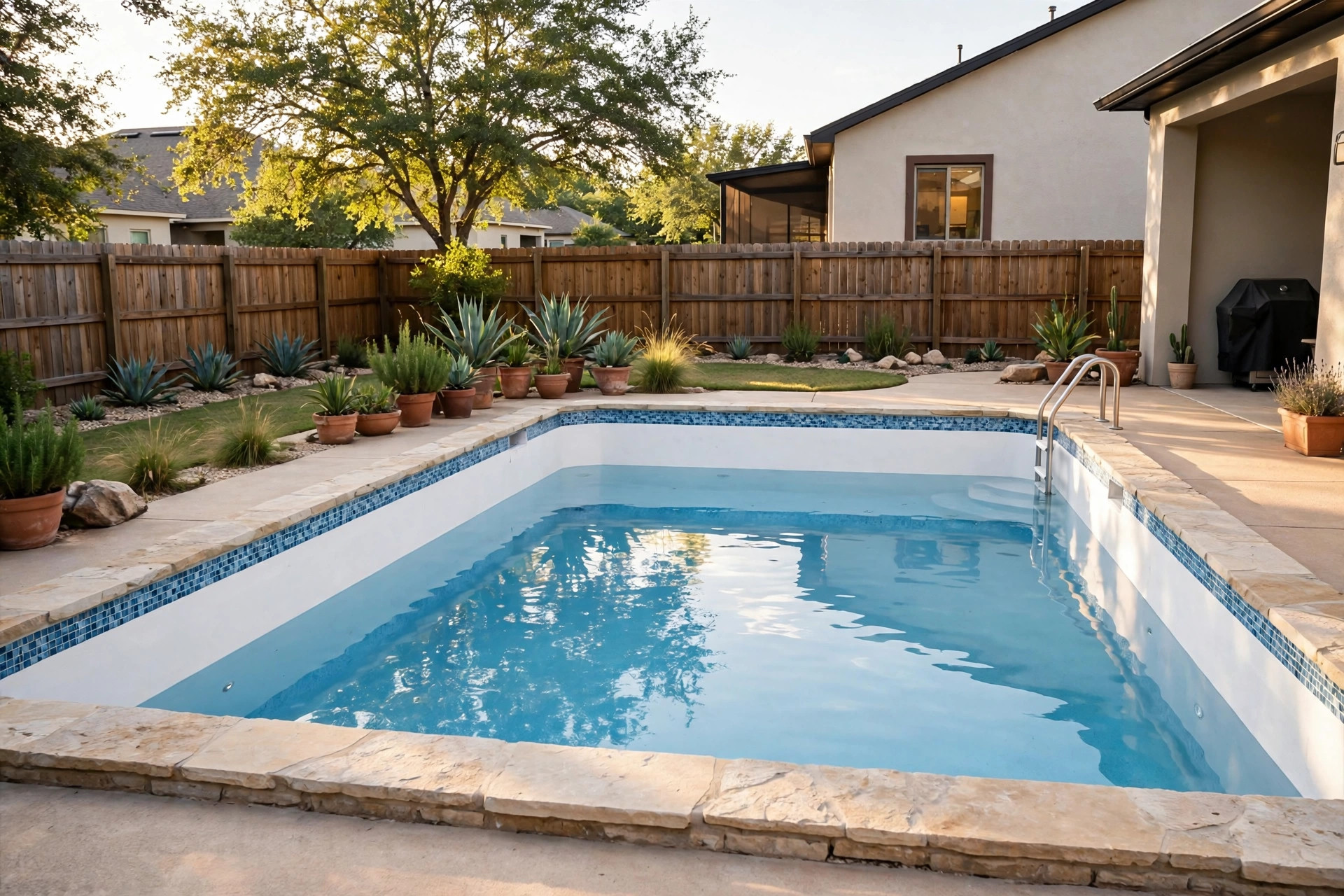
Every pool has a working life. In Texas, where the sun is strong and the swim season is long, that life runs out a little sooner than in cooler states. Plaster fades. Pebble loosens. Stains spread. When the surface of an inground pool wears thin, the only true fix is a new finish. The question every Texas pool owner asks next is plain: what is the inground pool resurfacing cost Texas homeowners should expect to pay?
The answer depends on the size of the pool, the type of finish, and the region of the state. Most Texas jobs fall between three thousand and twelve thousand dollars. This article walks through those numbers in full. It explains why Texas pools age faster, what to look for when you plan a resurface, the main finish types and their costs, what pushes the price up or down, and how to care for a new surface so it lasts.
Why Texas Pools Need Resurfacing Sooner
Texas is hard on pool plaster. The sun beats down on the water for nine or ten months of the year. Ultraviolet light breaks down the cement binders in plaster faster than in northern states. Hard water is common across much of Texas, and mineral scale builds up on pool walls with every passing year. Add long swim seasons, heavy chemical use, and warm water that invites algae, and the surface of a Texas pool takes more abuse than almost anywhere else in the country.
Most plaster finishes last eight to twelve years in Texas. In cooler states, the same plaster might last twelve to fifteen. Pebble finishes last longer, often fifteen to twenty years, even in Texas heat. But pebble costs more at the start. Quartz finishes sit in the middle on both price and life.
Signs that a pool needs a new surface are easy to spot. The water takes on a dull look even when the chemistry is right. Dark stains appear that brushing will not lift. The plaster feels rough under bare feet. Small cracks or hollow spots show up along the walls. In some cases, the old finish flakes off in chips, leaving gray concrete behind. Any of these signs means the surface is failing and the pool is due for resurfacing.
A worn surface is not only ugly. Rough plaster scrapes skin and snags swim suits. Resurfacing restores the smooth, sealed surface the pool had when it was new.
What to Look For When You Plan a Resurface: Inground Pool Resurfacing Cost Texas
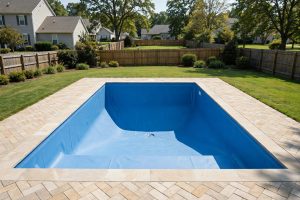
Before you call a contractor, it pays to know what the job involves. A full resurface is more than a coat of paint. The crew drains the pool, strips the old finish, repairs cracks and fittings, applies the new surface, and then fills the pool again. The whole job takes about one to two weeks, plus the fill time.
Check the Structure First
A good contractor checks the pool shell before quoting. Bond beam cracks, leaking returns, and broken main drains should be fixed at the same time as the resurface. It is far cheaper to fix plumbing while the pool is empty than to come back later. Ask the contractor to include any structural repairs in the written quote.
Ask About Prep Work
How the old surface comes off matters. Chip-out prep removes the old plaster down to the shell. Bond coat prep leaves old plaster in place and applies a bonding agent over it. Chip-out costs more but gives a longer-lasting result, especially on older pools. In Texas, where heat stress cracks plaster, chip-out is usually the better choice.
Get More Than One Quote
Prices vary widely between companies. Get at least three written quotes from licensed pool contractors. Each quote should list the finish type, the prep method, the cost of any repairs, and the length of the warranty.
Resources from the trade can help you ask the right questions. The library at Swim University has clear guides on pool finishes and what each step of a resurface involves, written for homeowners rather than contractors.
Types of Pool Finishes and Their Cost
The finish you choose is the biggest single factor in the inground pool resurfacing cost Texas pool owners pay. Four main types are used across the state.
Standard White Plaster
White plaster is the most common and the least costly finish. It is a mix of white marble dust and Portland cement, troweled smooth over the pool shell. It gives the classic light-blue water look. In Texas, white plaster costs about three thousand to six thousand dollars for a typical home pool. It lasts eight to twelve years. The main drawbacks are staining and a rough feel as it ages.
Colored and Quartz Plaster
Quartz finishes blend colored quartz crystals into the plaster. The crystals make the surface harder and more stain-resistant than plain plaster. Colors range from light blue to deep gray to tan. Quartz costs about four thousand to eight thousand dollars in Texas. It lasts ten to fifteen years. Many owners pick quartz as the middle path: stronger than plaster, cheaper than pebble.
Pebble Finishes
Pebble finishes embed small river stones or glass beads in a cement base. The result is a textured, slip-resistant surface in natural tones. Pebble is the longest-lasting common finish, often reaching fifteen to twenty years in Texas. It costs about six thousand to twelve thousand dollars, the highest of the standard options. The texture feels rougher than plaster, which some swimmers dislike, but it hides stains well and stands up to hard water.
Tile
Full tile is the premium choice. Glass or porcelain tile covers the whole pool interior. Tile lasts twenty years or more and looks sharp, but the price is steep: often twelve thousand to twenty-five thousand dollars or more. Most Texas owners who pick tile do it for looks, not for economy.
For a sense of current material prices, big home retailers list plaster mixes, pebble finishes, and pool repair supplies online. Browsing the pool department at Home Depot gives a feel for what bagged plaster and finish materials cost before labor is added.
Inground Pool Resurfacing Cost Texas: Price Ranges
Putting the numbers together, here is what Texas homeowners can expect to pay in 2026 for a standard home pool of about four hundred to five hundred square feet of surface area:
– White plaster: $3,000 to $6,000 – Quartz plaster: $4,000 to $8,000 – Pebble finish: $6,000 to $12,000 – Full tile: $12,000 to $25,000+
Larger pools push past these ranges. A big freeform pool with a thousand square feet of surface can cost half again as much. Smaller pools, such as plunge pools or cocktail pools, often come in below the low end.
Prices also shift by region. Dallas-Fort Worth and Houston have many contractors, and competition keeps prices in the middle of the range. Austin runs a little higher. Smaller towns in West Texas and the Panhandle may have fewer contractors, which can raise prices or lengthen the wait for a crew. South Texas prices run close to the Houston level.
When you compare quotes, make sure each one covers the same work. One contractor may quote plaster only, while another includes new waterline tile and new skimmer lids. The Consumer Product Safety Commission notes that pool drain covers must meet current safety standards, so ask whether the quote includes replacing old drain covers with compliant ones.
What Drives the Final Price
Several factors move a job up or down within the ranges above.
Pool size. This is the plainest factor. More surface area means more material and more labor. Most contractors price by the square foot, so a big pool costs more in direct proportion.
Prep method. A full chip-out adds roughly one thousand to two thousand dollars over a simple bond-coat job. On pools older than fifteen years, chip-out is almost always worth it.
Crack and plumbing repair. Structural cracks, leaking pipes, and broken fittings add to the bill. Minor crack repair may add a few hundred dollars. Major shell repair can add several thousand.
Waterline tile and coping. Many owners replace the waterline tile or the coping stones around the pool edge during a resurface. New tile adds about one thousand to three thousand dollars. New coping adds two thousand to five thousand dollars.
Water cost. Filling a drained pool takes ten thousand to twenty thousand gallons of water. In Texas cities with tiered water rates, the fill alone can cost several hundred dollars. Some contractors include the fill in the quote; others do not. Ask.
Time of year. Spring is the busy season. Contractors book up fast, and prices peak. Winter and late fall are slower, and some companies offer discounts of ten to fifteen percent to keep crews busy. If you can wait, an off-season job saves money.
Suppliers that serve the pool trade can also point you toward local contractors. The store locator tools at Leslie’s and Pool Warehouse list pool professionals by zip code, which is a useful starting point for gathering quotes.
Care and Upkeep After Resurfacing
A new finish is an investment. Proper care in the first month and steady care after that decide how long it lasts.
The first thirty days are critical. Brush the entire pool surface once or twice a day for the first two weeks to remove loose plaster dust. Keep the water chemistry in the ranges the contractor gives you. Do not add salt to a saltwater system for at least thirty days, and do not use a wheeled vacuum on the new surface for the first month.
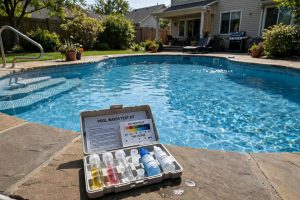
Long-term care is mostly routine. Test the water weekly and keep pH between 7.2 and 7.6. Hard Texas water leaves scale, so watch calcium hardness and treat it before scale forms. Brush the walls weekly even after the surface cures. A good automatic pool vacuum takes much of the daily work off your hands and keeps grit from grinding into the finish.
Chemical balance matters more than most owners think. Water that is too acidic eats plaster. Water that is too alkaline leaves scale. Either mistake shortens the life of the finish. If you struggle with chemistry, a local pool store can test your water for free and tell you exactly what to add. Step-by-step repair guides from Family Handyman are a good backup when a small fix comes up between service visits.
For general guidance on keeping a pool surface in shape, the advice pages at The Spruce cover brushing schedules, chemical balance, and seasonal care in plain terms.
Related reading on this site: if the water itself has turned, see our guide on how to clean green pool water fast. For the best automatic options, read our roundup of the best pool vacuum for automatic cleaning. And if your water chemistry bothers your skin, see our notes on hot tub chemicals for sensitive skin.
Safety During the Resurface Project
A drained pool is a hazard. The empty shell is deep, the walls are slick, and the work site has power tools and wet cement. Keep children and pets away from the pool area for the whole job. Most contractors fence off the site, but do not rely on that alone.
Dust from chipping old plaster spreads fine particles. Workers wear respirators, and you should keep windows near the pool closed during the loudest prep days. Ask the contractor how they handle dust and debris, and where they stage materials, so your yard is not left a mess.
When the job is done and the pool is refilling, stay out of the water until the chemistry is balanced. Your contractor should give you a start-up sheet with exact steps. Follow it to the letter.
FAQ
How long does an inground pool resurface take in Texas? Most jobs take five to ten working days, plus two to three days to refill the pool. Weather can add time; heavy rain stops plaster work. Plan for about two weeks from drain to first swim.
Can I resurface my own pool to save money? Plastering a pool is skilled work. The mix must be right, the trowel work must be even, and the timing is tight. Most do-it-yourself jobs fail within a few years. The labor savings are real, but the risk of a bad finish is high. Most Texas owners hire a pro.
Does resurfacing fix leaks? Only if the leak is in the surface itself. Leaks from cracked pipes or broken fittings need repair before or during the resurface. Tell your contractor about any water loss so they can find the source while the pool is empty.
What is the cheapest way to resurface a pool in Texas? Standard white plaster with bond-coat prep is the lowest-cost option, often near three thousand dollars for a modest pool. Booking the job in winter can shave off more. But the cheapest option has the shortest life, so weigh long-term value.
How often does a Texas pool need resurfacing? Plaster lasts eight to twelve years in Texas. Quartz lasts ten to fifteen. Pebble lasts fifteen to twenty. Hot sun, hard water, and heavy use all shorten those spans. Regular water care stretches them.
Will resurfacing change the color of my water? Yes, if you change the finish color. White plaster gives light blue water. Darker quartz or pebble gives deeper blue or green tones. Ask the contractor for water samples or photos of finished pools before you choose.
A Final Word
The inground pool resurfacing cost Texas homeowners face is shaped by finish type, pool size, prep work, and timing. White plaster starts near three thousand dollars. Pebble runs toward twelve thousand. Full tile goes higher still. Get three written quotes, pick a contractor with a solid warranty, and care for the new finish from day one. Done right, a resurface gives your pool another decade or more of clear water and smooth walls under the Texas sun.
References
Family Handyman. (n.d.). DIY home repair and maintenance. https://www.familyhandyman.com Leslie’s Pool Supplies. (n.d.). Pool supplies and equipment. https://www.lesliespool.com Lowe’s. (n.d.). Home improvement products. https://www.lowes.com Pool Warehouse. (n.d.). Pool equipment and supplies. https://www.poolwarehouse.com Swim University. (n.d.). Pool and hot tub care guides. https://www.swimuniversity.com The Home Depot. (n.d.). Home improvement products. https://www.homedepot.com The Spruce. (n.d.). Home and garden advice. https://www.thespruce.com U.S. Consumer Product Safety Commission. (n.d.). Product safety information. https://www.cpsc.gov
Was this guide helpful?

About James Carter
The My Garden US editorial team writes practical, in-depth home and garden guides for American homeowners — tested advice, no fluff.