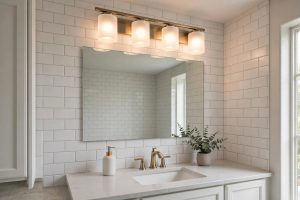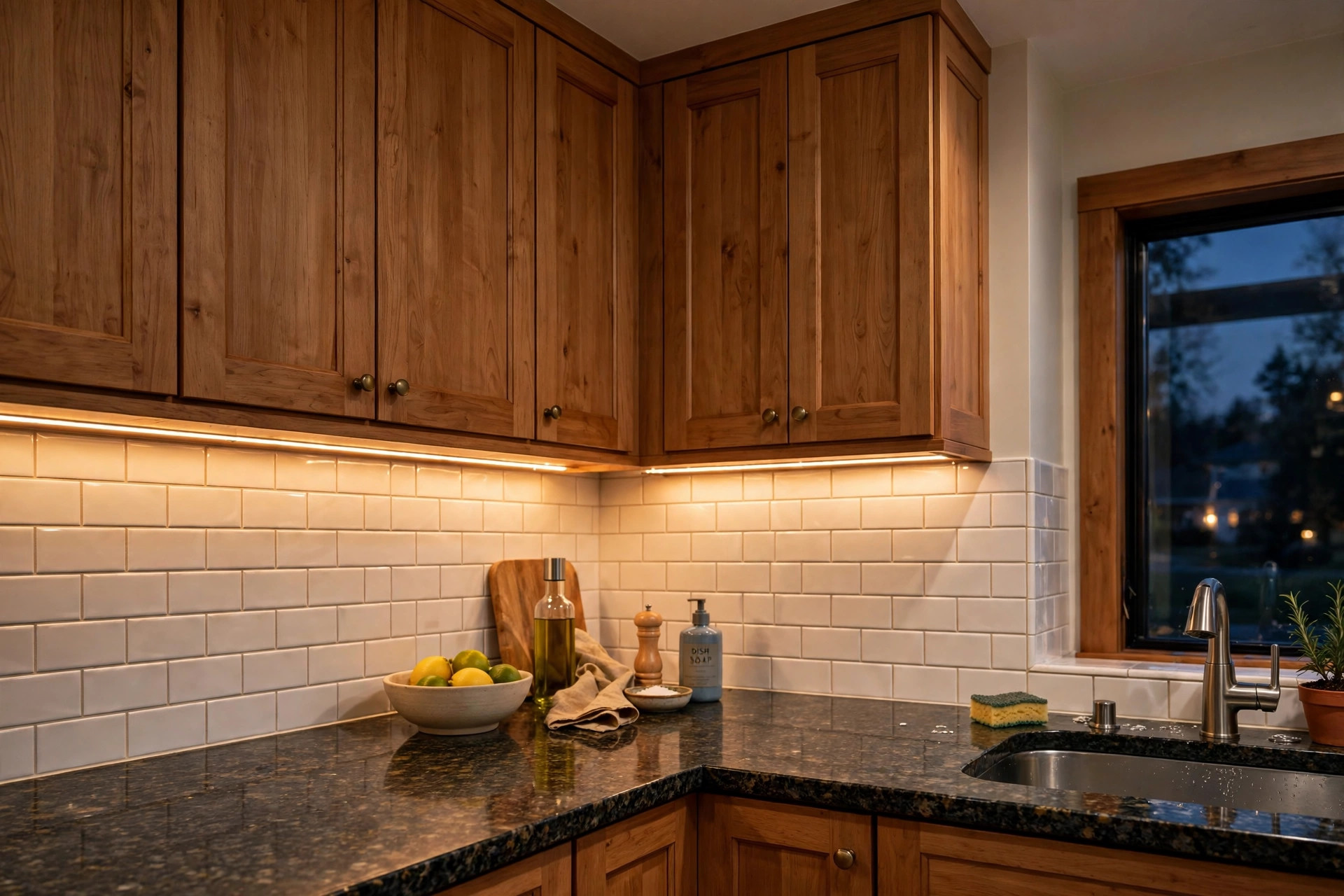

The right under cabinet strips florida homes usa can change a kitchen more than almost any other small project. A kitchen that feels dark at night becomes bright and calm. Food prep gets safer. The room looks finished. Homeowners across the Sunshine State are adding these slim light strips under their wall cabinets, and the results speak for themselves.
Florida kitchens have their own needs. Homes here are often open to living areas. Countertops stay busy. Humidity is high most of the year. The good news is that under cabinet strip lighting fits these homes well. It is low profile. It uses little power. And it works in the heat and moisture that are part of daily life here.
This guide covers the topic from start to finish. You will learn why these strips matter, what to look for, the main types, typical costs, and how to keep them working for years. We also answer common questions from homeowners.
Why Under Cabinet Lighting Matters
Light changes how a room works. A bright counter is a safe counter. When you chop food or read a recipe, you need to see clearly. Overhead lights often leave shadows right where you work, because your body blocks them. A strip of light mounted under the cabinet puts light exactly where the work happens.
Kitchen safety is a real concern. The government safety agency tracks home lighting and injury risks, and clear visibility is a simple way to cut accidents (see the Consumer Product Safety Commission). In Florida, where families gather in kitchens that open onto patios and pool areas, good task lighting matters even more.
There is also a comfort side. Soft warm light under cabinets makes a kitchen feel welcoming at night. It can serve as a night light. It can show off a stone or tile backsplash. Many homeowners run their strips on a timer or a smart switch so the kitchen glows gently each evening.
Energy use is another reason. Modern LED strips use far less power than old halogen pucks. The federal ENERGY STAR program explains how much LED lighting can save over time (ENERGY STAR). For a home that already runs air conditioning most of the year, small savings add up.
What to Look For: Under Cabinet Strips Florida Homes Usa
Buying under cabinet strips is not hard, but a few details make the difference between a job you love and one you redo.
Brightness
Brightness is measured in lumens per foot. For food prep, aim for a strong, even wash of light. Too dim and you cannot see what you are doing. Too harsh and the counter feels like a lab. Look for strips with a diffuser, which softens the light and hides the individual diodes.
Color Temperature
Color temperature is measured in Kelvin. Warm white is around 2700K. Daylight is around 5000K. Most Florida homeowners pick 2700K to 3500K for kitchens. It feels warm and natural. It also matches the warm tones common in Florida kitchen designs. Stick to one color through the whole run of cabinets so the light looks even.
Length and Layout
Measure each cabinet section. Strips can be cut at marked points, then joined with connectors. Plan the full path from the power source to the last strip. Long runs may need a second power feed so the far end stays as bright as the near end. Retailers like Lowe’s and Home Depot carry a wide range of lengths and connector kits.
Power Type
Some strips plug into an outlet. Others are hardwired to a wall switch. Plug-in kits are the easiest for a first project. Hardwired strips look cleaner, with no cords showing. Battery strips exist, but they fade fast and need fresh batteries often. For a permanent job, plug-in or hardwired is the better choice.
Dimming
A dimmer gives you control. Bright for cooking, soft for the evening. Make sure the strip, the power supply, and the dimmer all work together. This is where many first projects go wrong. Check the product specs before you buy. Lighting specialists at Lumens and Lamps Plus publish helpful guides on matching dimmers to LED strips.
Types of Under Cabinet Strips
Several styles exist. Each has its place.
LED tape strips. These are thin, flexible ribbons with diodes. They mount with adhesive backing or metal channels. They are the most common choice today. They are cheap, bright, and easy to hide. A channel with a frosted cover gives the most polished look.
Rigid bar lights. These are aluminum bars with built-in LEDs. They are sturdier than tape. They mount with clips or screws. They work well in kitchens where the strips will be touched or bumped.
Puck lights. These are small round discs. They give pools of light rather than an even wash. They suit small areas or accent lighting, but they are not the best choice for long counter runs.
Smart strips. These connect to home Wi-Fi or a hub. You can change color, set schedules, and control them by voice. The Philips line of smart home lighting is one well-known example. Smart strips cost more, but they offer the most control.
Linkable bars. These connect end to end with short cables. They are a middle ground between tape and hardwired fixtures. They suit renters who cannot alter wiring.
Costs and Prices
Prices vary by type, length, and brand. A basic plug-in tape kit for one short cabinet can cost under twenty dollars. A full kitchen run of quality strips with channels and a dimmer can run from one hundred to four hundred dollars. Hardwired jobs that need an electrician cost more, often adding a few hundred dollars in labor.
Think of it in three tiers.
Budget. A single adhesive tape kit, plug-in, no dimmer. Fine for a small galley kitchen or a rental. Expect to replace it sooner than a better kit.
Mid-range. Aluminum channels, frosted diffusers, a good power supply, and a compatible dimmer. This is the sweet spot for most Florida homeowners. It looks clean and lasts for years.
Premium. Smart strips with app and voice control, professional install, and integration with the rest of the home. This suits full kitchen remodels.
The U.S. Department of Energy notes that LED lighting is one of the cheapest upgrades for cutting lighting costs. The strips pay for themselves over their long life.
Installing the Strips
A careful install matters more than an expensive strip. Most failures come from bad mounting or poor wiring, not from the LEDs themselves.
Plan First
Sketch the cabinet layout. Mark where each strip goes. Note where power will enter. Keep strips near the front edge of the cabinet for the best light on the work surface. Set them back a little if you want less glare on glossy counters.
Mount Cleanly
Clean the cabinet underside with alcohol. Dust and grease keep adhesive from holding. In Florida’s humid air, this step matters more than most people think. For tape strips, use the aluminum channel method when you can. The channel hides the tape, spreads heat, and gives a clean line of light.
Wire Neatly
Hide wires with small clips or channels. Keep the low-voltage wire away from sharp metal edges. If you hardwire, turn off the breaker first and follow local code. When in doubt, hire a licensed electrician. Guides from The Spruce walk through the basic steps, but they do not replace a pro for hardwired work.
Test Before You Finalize
Plug everything in and look at the light before you press the strips into place. Check for dark spots, mismatched color, and dim ends. It is far easier to fix problems now than after the strips are stuck down.
Care and Upkeep
LED strips need little care, but a few habits keep them bright.
Dust them. Grease and dust settle on the diffuser. Wipe the strips every few months with a dry or slightly damp cloth. This keeps the light output strong.
Check the power supply. If a strip flickers, the power supply is often the cause. Make sure it is rated for the total wattage of your run, with some headroom. An undersized supply runs hot and fails early.
Mind the humidity. Florida air is damp. Choose strips and supplies rated for damp locations in kitchens, especially near the stove or a sink. Good ventilation helps. Run the range hood while cooking.
Re-seat adhesive. If a tape section sags, press it back into the channel or replace the adhesive. Metal channels make this problem rare.
Replace failed sections early. If one segment of a run dies, replace it before the gap strains your eyes or ruins the even look. Keep a short spare strip and a few connectors in a drawer so the fix takes minutes, not days.
Safety
Under cabinet strips are low voltage and generally safe, but a few rules apply.
Keep low-voltage wiring away from heat sources. Do not run wires through the cabinet wall without a proper grommet. Follow the maker’s wattage limits. Do not overload a power supply. If you smell plastic or see browning, turn the circuit off and replace the faulty part.
For hardwired installs, follow the National Electrical Code and local rules. A licensed electrician is the right call for anything that ties into house wiring. This is not the place to guess.
Frequently Asked Questions
Do under cabinet strips work in humid Florida kitchens?
Yes. Choose strips rated for damp locations. Mount them in aluminum channels with diffusers. Clean the mounting surface well. Most quality strips handle Florida humidity without trouble for many years.
Can I install them myself?
Plug-in kits are a fine DIY project for most homeowners. You need basic measuring skills and some patience with wire routing. Hardwired strips are a job for an electrician, since they connect to house wiring.
What color light is best for a kitchen?
Most homeowners prefer 2700K to 3500K. This range looks warm and natural. It makes food look good and matches warm wood tones. Avoid mixing color temperatures in one kitchen, since the change is easy to see.
How long do LED strips last?
Quality strips often last 25,000 to 50,000 hours. That can mean a decade of evening use. Cheap strips fade or fail much sooner. The power supply often fails before the LEDs do, so buy a good one.
Will they raise my power bill?
No, not in any meaningful way. A full kitchen run of LED strips uses less power than one old incandescent bulb. The Department of Energy notes that efficient lighting is among the cheapest ways to cut home energy use (energy.gov).
Do I need a dimmer?
You do not need one, but you will be glad you added it. Bright light helps with cooking. Soft light suits the evening. Make sure the dimmer matches your strips and power supply.
A Final Word
Under cabinet strips are a small change with a large payoff. They make Florida kitchens safer, brighter, and more pleasant. Pick a quality strip, mount it with care, and keep it clean. The kitchen will reward you every evening.
If you are planning a wider lighting update, look at our guides on kitchen island pendants buying guide usa, under cabinet strips buying guide usa, and dining room chandeliers buying guide usa. Each one covers a different layer of home light, and together they help you build a plan for the whole house.
References
ENERGY STAR. (n.d.). Energy efficient products. https://www.energystar.gov Lamps Plus. (n.d.). Lighting and home decor. https://www.lampsplus.com Lowe’s. (n.d.). Home improvement products. https://www.lowes.com Lumens. (n.d.). Lighting and ceiling fans. https://www.lumens.com Philips. (n.d.). Lighting products. https://www.philips.com The Home Depot. (n.d.). Home improvement products. https://www.homedepot.com The Spruce. (n.d.). Home and garden advice. https://www.thespruce.com U.S. Consumer Product Safety Commission. (n.d.). Product safety information. https://www.cpsc.gov U.S. Department of Energy. (n.d.). Energy efficiency and renewable energy. https://www.energy.gov
Was this guide helpful?

About Michael Thompson
The My Garden US editorial team writes practical, in-depth home and garden guides for American homeowners — tested advice, no fluff.
You May Also Like
Solar Path Lights Deals Near Me: A Buyer’s Guide to Walkway Lighting
March 2, 2026 0 views
Ceiling Fans Lights California Homes USA: A Plain Buying Guide
February 26, 2026 0 views
Outdoor Wall Lanterns for California Homes USA: A Plain Guide
August 8, 2026 0 views