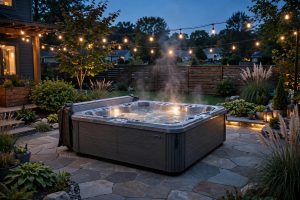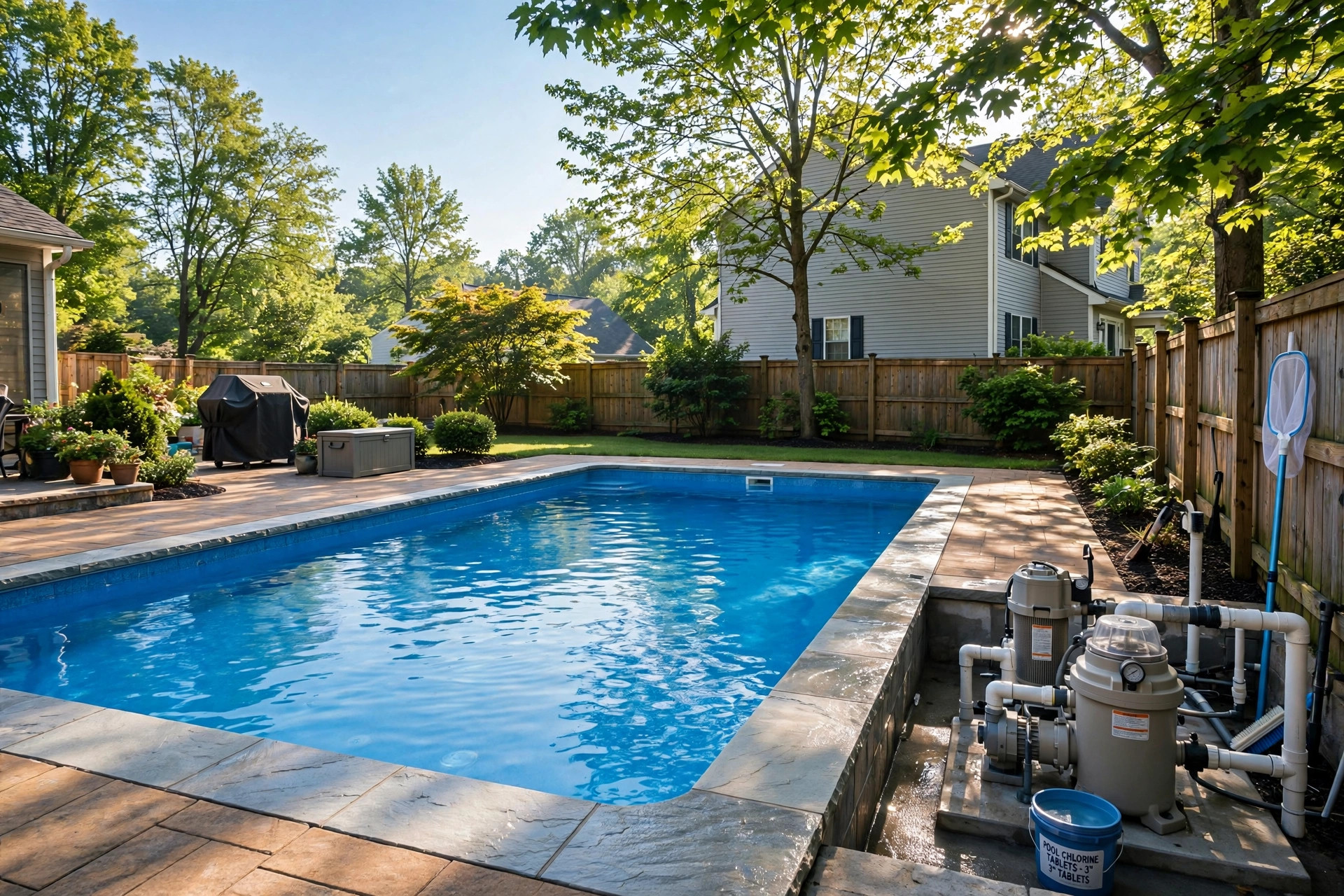

When warm weather returns, every pool owner asks the same question: how to open pool for summer season the right way. A good opening sets the tone for the whole swimming season. Water that starts clear tends to stay clear. Equipment that starts clean tends to run well. This guide walks through the full process in simple terms, from pulling the winter cover to taking the first swim. It applies to inground pools and above ground pools alike, with notes where the two differ.
Why a Careful Opening Matters
Many pool problems in July began in May. Algae that was never fully cleared during the opening can linger all summer. A filter that was started with winter grit inside it can clog again and again. The pool cover, if stored wet or dirty, can rot before the next winter. A careful spring opening saves real money. It cuts down on shock chemicals, service calls, and replacement parts.
There is also the matter of safety. A pool that sat closed for months has water of unknown quality. No one should swim in it until the pump is running, the chemistry is balanced, and the water is clear enough to see the bottom. Opening a pool is not just about looks. It is about making the water safe for your family. Guides to pool spring startup stress the same order of work: clean first, then filter, then chemicals, then swim.
What to Look For When You First Remove the Cover: How to Open Pool for Summer Season
Before you touch the pump, take a good look at the pool. What you see in the first ten minutes will tell you most of what the opening will involve.
First, look at the water. Is it green, brown, or only slightly dull? A light green pool is a common sight after winter and usually clears with treatment. A very dark or swamp-like pool may need extra shocking and longer filtration. Brown water often comes from dirt and leaves under the cover rather than algae.
Second, look at the cover itself. A winter cover holds leaves, sticks, and dirty water on top. If you pull the cover off before cleaning that debris, it all slides into the pool. Pump the standing water off the cover first, sweep the debris off, then lift the cover away.
Third, check the pool shell. Look for cracks in the plaster, tears in the liner, or damage around the skimmer mouth. For above ground pools, check the wall and the frame for rust or bent sections. It is much easier to fix these problems now than in the middle of the season. Supply retailers like The Home Depot carry basic liner patch kits and cover pumps for these early repairs.
Finally, look at the equipment pad. Check the pump, filter, heater, and valves for cracks, leaks, or chew marks from rodents. Open all valves that were closed for winter. Winter plugs should be removed from the skimmer and return lines before the pump starts.
Step by Step: How to Open a Pool
The steps below follow the order that professional pool services use. Do not skip ahead. Each step prepares the pool for the next one.
Step 1: Clear and Remove the Winter Cover
Pump standing water off the cover with a small cover pump or siphon. Sweep or blow leaves and twigs into a pile and bag them. Remove water bags or springs holding the cover down. For solid covers, fold or roll the cover toward one end. For mesh covers, pull them back slowly so fine silt does not dump into the pool.
Spread the cover on a clean part of the lawn. Wash it with a garden hose and a soft brush. Let it dry fully in the sun, then fold it and store it in a dry place.
Step 2: Reinstall Fittings and Raise the Water
Take the winter plugs out of the skimmer and return lines. Put the skimmer baskets and return eyeballs back in place. Reattach the ladder and handrails. Reinstall drain plugs in the pump, filter, and heater, using fresh Teflon tape if the old tape looks worn.
Top up the water with a garden hose until it sits at the middle of the skimmer opening. The pump cannot be primed if the water is too low. If you drained the pool below the returns for winter, filling can take several hours.
Step 3: Start the Pump and Filter
Turn off the breaker first, then set the multiport valve to filter. Make sure the skimmer and drain valves are open. Fill the pump basket with water to help prime the pump, close the lid, and turn the power on. The pump should catch prime within a minute or two. If it runs dry for more than a few minutes, turn it off and look for an air leak in the lid O-ring or the suction line.
Run the filter continuously for the first 24 to 48 hours of the opening. Watch the pressure gauge. When the pressure reads 8 to 10 psi above its clean reading, backwash a sand or DE filter, or hose off a cartridge filter. A pool filter guide from a supply company explains how each filter type is cleaned.
Step 4: Brush, Vacuum, and Skim
Brush the walls and floor from the shallow end toward the deep end. Use a nylon brush for vinyl and fiberglass, and a wire brush for plaster. Brushing loosens algae and biofilm so the chemicals and filter can remove them.
Skim floating debris with a leaf net. Then vacuum the floor. You can vacuum to waste through the pump for heavy debris, or use a manual vacuum on the filter setting for lighter loads. If leaves are the main problem, read our review of the best pool vacuum for leaves to choose the right tool.
Step 5: Test and Balance the Water Chemistry
With the water clean and the pump running, test the water. Use test strips or a liquid drop kit. Write down the results for pH, total alkalinity, calcium hardness, and chlorine. If you want a fuller picture, take a sample to a local pool store for a free computerized test.
Balance in this order. First adjust total alkalinity to 80 to 120 ppm. Then adjust pH to 7.4 to 7.6. A balanced pH keeps swimmers comfortable and helps chlorine work at full strength. If your pH runs high after winter, see our guide on how to lower pool pH levels safely. Next adjust calcium hardness to the range suited to your pool surface, roughly 200 to 400 ppm. Last, bring chlorine to 1 to 3 ppm.
Do not add every chemical at once. Add one, let the pump run for an hour or more, retest, and then move on. Home and garden references like The Spruce give the same advice: patience beats guesswork with pool chemistry.
Step 6: Shock the Pool
Spring openings almost always call for a shock treatment. Winter water may carry bacteria, algae spores, and chloramines that built up under the cover. Use a chlorine or non-chlorine shock according to the label. Add it at dusk so sunlight does not burn it off, and run the pump overnight. Do not swim until the free chlorine drops back to 1 to 3 ppm and you can see the main drain clearly.
Step 7: Add Algaecide and Set Up Maintenance
Once the water is clear and balanced, add a maintenance dose of algaecide as a preventive step. Install a floating chlorinator or set your salt system to its summer output. Skim daily for the first week. Empty the skimmer and pump baskets every day or two during the opening week.
Check the automatic cleaner, if you have one, and clear any tangled hoses. Confirm that the heater fires and holds temperature. A quick service check now is far cheaper than an emergency repair on a hot weekend.
Inground Pools vs Above Ground Pools
The opening steps are nearly the same for both types, but a few details differ.
Inground pools usually have more complex plumbing, with separate skimmer lines, a main drain, and multiple returns. Priming takes longer, and there are more winter plugs to find. They also hold more water, so shocking doses and chemical costs run higher.
Above ground pools are simpler. The pump and filter sit right beside the pool, the plumbing runs are short, and priming is quick. The main watch item is the wall. Check that the liner is still seated in the track and that no rust spots grew over winter. Above ground pools also lose heat faster, so owners in cooler states may open a few weeks later than their inground neighbors.
Cost of Opening a Pool
Opening a pool yourself costs mainly chemicals and water. A spring chemical kit with shock, algaecide, and a test kit typically runs 40 to 80 dollars. Water to top up the pool costs 20 to 60 dollars for most homes. Small parts like O-rings, plugs, and Teflon tape add a few dollars more. Most do-it-yourself openings land between 60 and 150 dollars in supplies.
Hiring a pool service for the opening runs 150 to 350 dollars in most regions, depending on pool size and water condition. Some companies offer a seasonal contract that covers the opening, weekly service, and the closing. Spa owners can look at makers like Hot Spring and Bullfrog Spas for guidance on opening hot tubs, which follow a simpler version of the same steps.
Care and Upkeep Through the Season
The opening is only the start. A few habits keep the water inviting all summer.
Run the pump 8 to 12 hours a day in warm weather. Skim the surface each evening. Test chlorine and pH two or three times a week, and adjust as needed. Shock the pool after heavy use, heavy rain, or a heat wave. Keep the skimmer and pump baskets empty so water flows freely.
Clean the filter on its normal schedule. Backwash sand filters when pressure rises, hose off cartridges every few weeks, and recharge DE filters as the label directs. Store chemicals in a cool, dry place out of reach of children and pets, and never mix different chemicals together.
Toward the end of summer, watch the weather. When you are ready to shut down for the year, our guide on how to close pool for winter season covers the reverse process: lowering the water, blowing the lines, and fitting the winter cover.
Safety During and After the Opening
Pool safety begins the day the cover comes off. Never leave the pool unattended while it is uncovered, even for a few minutes. If you must step away during the opening, close the gate or set a temporary barrier. Federal pool safety rules from the Consumer Product Safety Commission are worth a review before the first swim.
Check the fence and gate before the first swim. The gate should self-close and self-latch. Drain covers should be intact and fastened. Keep a reaching pole and a life ring near the pool.
Chemicals deserve respect. Store them in their original containers, away from the pool and the house if possible. Add chemicals to water, never water to chemicals, and wear gloves and eye protection when handling shock. Pool supply specialists such as Leslie’s print safety notes on every product label; read them before you pour.
Frequently Asked Questions
When should I open my pool for the summer season?
Open when daytime temperatures stay above 65 to 70 degrees on a regular basis. For most of the country, that means late April to late May. Opening early is better than opening late. Algae grows fast in warm, still water, and a pool opened in March stays easier to manage than one opened in June.
How long does it take to open a pool?
A clean, well-kept pool can be opened in a day, with the filter running overnight before the first swim. A green or dirty pool can take three to seven days of filtration, brushing, and shocking before the water is clear. Plan the opening for a week with mild weather so you are not rushed.
Can I swim right after shocking the pool?
No. Wait until the free chlorine falls to 1 to 3 ppm and the water is clear enough to see the bottom. Swimming in heavily shocked water can irritate skin and eyes. Test the water before the first swim of the season.
Why is my pool still cloudy after opening?
Cloudy water usually means the filter needs more time, the filter needs cleaning, or the chemistry is off. Check the pressure gauge first and clean the filter if the pressure is high. Then retest pH and alkalinity, since chlorine works poorly when they are out of range. Keep the pump running and retest daily.
Do I need to replace the sand in my filter when I open the pool?
Not every year. Filter sand lasts three to five years. If your sand is within that range, backwash it well during the opening and it should work fine. If the sand is old, clumped, or the water will not clear after a week of good chemistry, replacement is worth considering.
Should I hire a professional to open my pool?
It depends on your comfort level. If the pool is in good shape and you have done it before, do-it-yourself is easy and cheap. If the water is very green, the equipment is old, or this is your first season, a professional opening is money well spent. Watch the technician and ask questions so you can handle it yourself next year.
A Final Word
Learning how to open pool for summer season is one of the most useful skills a pool owner can have. The process is simple: clean the cover and the pool, start the equipment, balance the water, shock it, and check safety. Do it in that order, and do not rush the chemistry. A careful opening in May pays off with clear water, healthy equipment, and fewer headaches all summer long. Take your time, and enjoy the first swim of the season.
References
Bullfrog Spas. (n.d.). Hot tubs and spas. https://www.bullfrogspas.com Hot Spring Spas. (n.d.). Hot tubs and spas. https://www.hotspring.com Leslie’s Pool Supplies. (n.d.). Pool supplies and equipment. https://www.lesliespool.com Pool Warehouse. (n.d.). Pool equipment and supplies. https://www.poolwarehouse.com Swim University. (n.d.). Pool and hot tub care guides. https://www.swimuniversity.com The Home Depot. (n.d.). Home improvement products. https://www.homedepot.com The Spruce. (n.d.). Home and garden advice. https://www.thespruce.com U.S. Consumer Product Safety Commission. (n.d.). Product safety information. https://www.cpsc.gov
Was this guide helpful?

About Jennifer Lee
The My Garden US editorial team writes practical, in-depth home and garden guides for American homeowners — tested advice, no fluff.
You May Also Like
The Best Hot Tub Chemicals Starter Kit: What to Buy and Why
May 16, 2026 0 views
Pool Plaster vs Pebble Finish Comparison: A Plain Guide for Pool Owners
February 17, 2026 0 views
Best Pool Vacuum for Concrete Pools: How to Choose the Right One
October 1, 2026 0 views