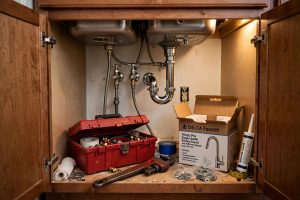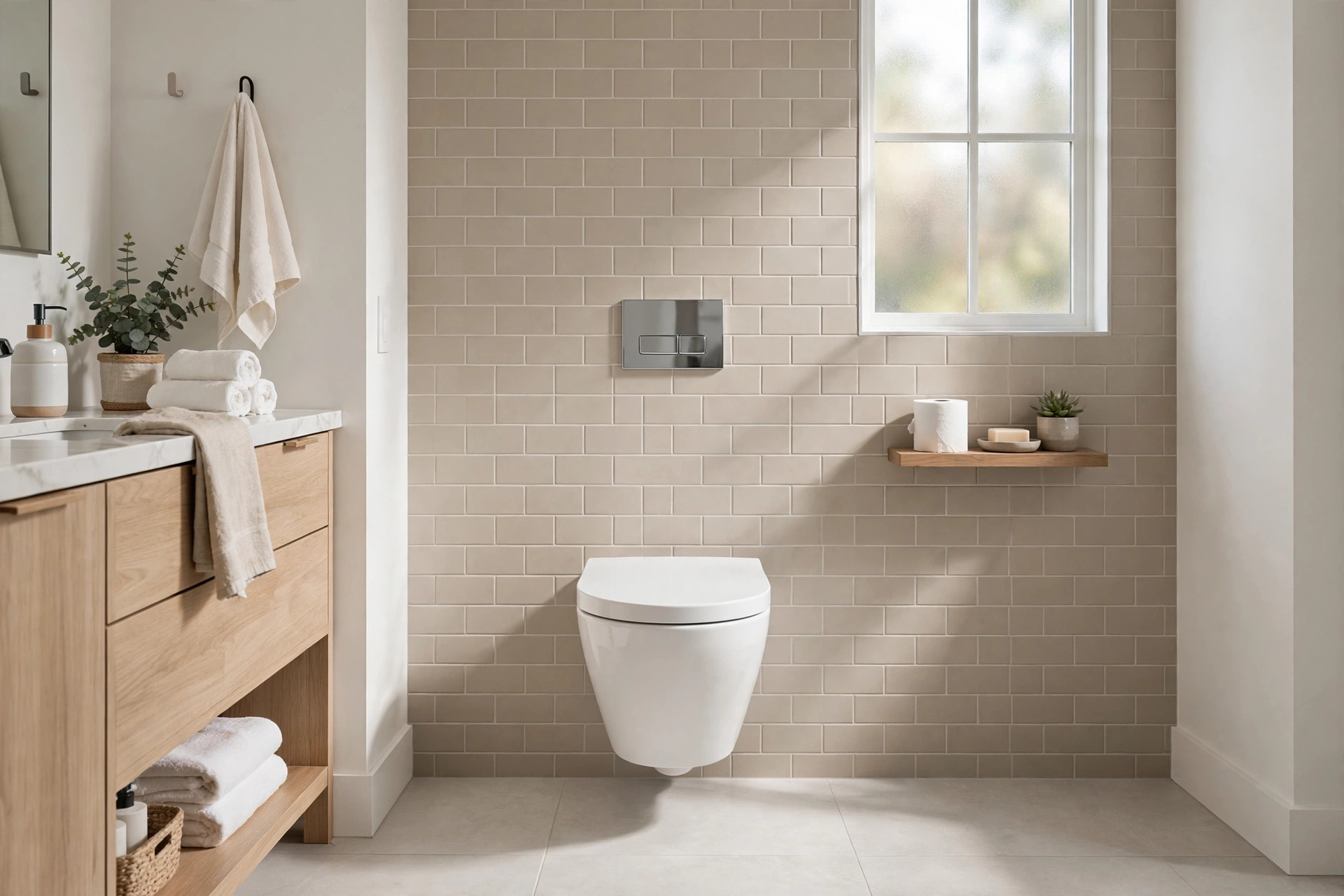

A wall hung toilet looks clean and modern. The bowl floats above the floor. The tank hides inside the wall. Many American homeowners now search for wall mounted toilet installation cost usa before they start a bathroom remodel. They like the look, but they want a fair price too.
This guide gives plain numbers. It shows what the job costs in 2026. It shows what moves the price up or down. It also shows what to ask your plumber before work begins. Just the facts in simple words.
Why Homeowners Choose a Wall Mounted Toilet
A wall mounted toilet saves floor space. The bowl does not touch the floor. This makes a small bath feel bigger. It also makes the floor easy to clean. A mop or broom slides right under the bowl. There is no base to scrub around.
The look is another reason. The lines are clean. The wall shows a small flush plate instead of a bulky tank. Many buyers see this style in hotels and new homes. They want the same style in their own bath. If you are weighing the style itself, our page on wall hung toilet pros and cons gives a fuller picture of the tradeoffs.
Water use is a third reason. Most wall hung units are dual flush. A small flush clears liquid waste. A full flush clears solid waste. Over a year this can save hundreds of gallons. The U.S. Environmental Protection Agency runs a WaterSense program that marks toilets which use water well. Many wall hung models carry this mark.
What a Wall Mounted Toilet Actually Is: Wall Mounted Toilet Installation Cost Usa
The bowl is only half the product. The rest hides in the wall. A steel frame, called a carrier, bolts to the floor and to the wall studs. It holds the weight of the bowl and the person who sits on it. Good carriers are rated to hold at least 500 pounds.
The carrier also holds the tank. It is a slim tank that fits between the studs. A flush plate mounts on the wall face. You press it to flush. The drain line and the water line run inside the wall to the carrier. For a clear look at how makers build these systems, the bathroom fixture guides at Kohler show carrier and bowl parts side by side.
Because the works hide in the wall, the wall must be thicker than normal. A standard wall is about four inches deep. A wall for a carrier is often eight to nine inches deep. This is why the job costs more than a normal toilet swap.
Wall Mounted Toilet Installation Cost USA: The Numbers
Here is the short answer. In most parts of the country, a full wall mounted toilet install runs from $1,500 to $3,500 in 2026. That range covers the bowl, the carrier, the flush plate, and the plumber’s labor. It also covers a modest amount of wall work.
A simple job in a new build can land near $1,500. A hard retrofit in an old home can pass $4,000. The middle of the road sits near $2,200 to $2,800. Prices move with your city. Big cities on the coasts charge more for labor. Small towns in the Midwest and South often charge less.
These numbers assume a licensed plumber does the work. They do not assume you buy the cheapest bowl on the shelf. If you want to compare with a standard floor mount job, see our guide to toilet installation cost near you for 2026.
New Build vs. Retrofit
A new build is the easy case. The walls are open. The plumber can set the carrier before the drywall goes up. The drain can be placed in the right spot from the start. Labor stays low. Many builders quote $1,200 to $2,000 for the full install when the bath is still in framing.
A retrofit is the hard case. The plumber must open a finished wall. The old toilet and its drain must come out. The new carrier needs solid wood or steel to bolt to. Tile must be cut and patched. Paint must be touched up. A retrofit often runs $2,500 to $5,000 all in. Most of the extra cost is labor and wall repair, not parts.
What the Parts Cost
The bowl itself costs $300 to $1,000. Basic white bowls sit at the low end. Designer shapes and quiet close seats sit at the high end. The carrier and in-wall tank cost $300 to $800. Name brands charge more. Flush plates cost $50 to $200. Chrome is cheapest. Brushed nickel and black finishes cost more.
Pipe, valves, and small parts add $50 to $150. Tile, backer board, and paint for wall repair add $100 to $400 if the wall must be opened. Ask your plumber for a parts list with prices. Good shops like Lowe’s and The Home Depot list carrier kits with clear prices, so you can check the numbers yourself.
What Labor Costs
A licensed plumber in the USA charges $75 to $150 per hour in 2026. A wall hung install takes four to eight hours in a new build. It takes eight to sixteen hours in a retrofit. Do the math. Labor alone lands between $500 and $1,500 for most jobs. In high cost cities it can pass $2,000.
Some plumbers quote the job flat. A flat quote is often better for you. It caps your risk. Ask for the quote in writing. Make sure it lists parts, labor, wall work, and cleanup. The project guides at This Old House remind readers to get three quotes and to check that each quote covers the same scope.
What Moves the Price Up or Down
The wall is the biggest factor. A wood stud wall is easy to work with. A concrete or brick wall is hard. Cutting into masonry takes special tools and more time. It can add $500 or more to the bill.
The drain line is the next factor. The carrier needs the drain at a set height. If the old drain sits in the wrong spot, the plumber must move it. Moving a drain inside a slab floor is costly. It can add $300 to $800.
Your city sets the labor rate. Rates run high in New York, Boston, San Francisco, and Seattle. They run lower in much of the South and Midwest. Call two or three shops for quotes.
Permits add a small cost. Many cities ask for a plumbing permit for this job. The permit often costs $50 to $200. The plumber may roll it into the quote. Ask. Also ask who calls for the inspection. In most towns the plumber handles it.
The bowl you pick moves the price too. A basic bowl and carrier kit can cost $600 together. A high end set can cost $1,800. Pick the bowl first, then get the labor quote.
How to Choose the Right Unit and Carrier
Start with the carrier. It is the part you will never see again. It must be strong. Look for a rating of 500 pounds or more. Check that it fits your wall depth. Some carriers fit in a 2×4 wall with a bump out. Most need a 2×6 wall.
Match the bowl to the carrier brand when you can. Makers design bowls and carriers to work as a set. Mixing brands can work, but it can cause fit trouble. Ask the seller to confirm the match in writing. The fixture experts at Moen and Delta Faucet both stress matched parts in their buying guides.
Pick the flush type next. Dual flush is now the norm. It saves water and it is easy to use. Check the flush volume. A good unit uses 1.28 gallons or less on a full flush. Look for the WaterSense mark as a quick check.
Think about the seat. Many wall hung bowls take standard seats. Some need a special seat from the same maker. Special seats cost more and are harder to replace. Ask before you buy.
Types and Options
Most wall hung bowls come in two shapes. Round bowls are short. They fit small baths. Elongated bowls are longer. They are more comfy for most adults. If space allows, most plumbers suggest elongated.
Smart features are now common. Some bowls come ready for a bidet seat. The carrier can hide the water line for it. This is a nice add if you want a wash seat later. A few high end bowls have auto flush and night lights. These add $200 to $600 to the parts cost.
Finish choices are small but real. White is standard and cheapest. Some makers sell matte black or gray. These cost more and can be harder to match later. If you are comparing bowl styles in general, our one piece vs two piece toilet comparison explains how bowl design affects cleaning and cost.
How Installation Works, Step by Step
First the plumber shuts off the water and pulls the old toilet. Then the wall opens up. The plumber finds the studs and marks the carrier spot. The carrier bolts to the floor and to the studs. It must be level and plumb.
Next the drain and water lines connect to the carrier. The plumber tests for leaks before the wall closes. A leak inside a closed wall is costly to fix later. The step by step repair guides at Family Handyman show why a pressure test before close up is standard practice.
Then the wall closes. Backer board goes up. Tile or paint follows. The flush plate mounts on the wall face. Last, the bowl hangs on the carrier bolts. The plumber seals the joint and tests the flush many times. The whole job ends with a cleanup and a walk through with you.
Care and Upkeep
A wall hung toilet is easy to care for. Clean the bowl as you would any toilet. A soft brush and a mild cleaner do the job. Do not use harsh acid cleaners on the flush plate. They can dull chrome and ruin special finishes.
Check the flush plate once a year. It should sit flat and press with a firm click. If it feels loose, the screws may need a turn. The plate is also the access door. Behind it sit the fill valve and the flush valve. A plumber can reach them through this opening. No wall cutting is needed for most repairs.
Watch for slow leaks. Look at the wall under the bowl now and then. A damp spot or a soft patch means trouble. Call a plumber early. Small leaks are cheap to fix.
Water quality plays a role too. Hard water leaves scale in any toilet. If your water is very hard, a filter can help the whole bath. The guides at Aquasana explain how home filters cut scale and protect fixtures.
Safety Notes
The carrier holds a lot of weight. It must bolt to solid framing. Never let a handyman hang a carrier on drywall alone. Use a licensed plumber. Check that the carrier rating meets or beats 500 pounds.
Water and power need care. Some smart bowls need an outlet behind the wall. That outlet must be on a ground fault circuit. A licensed electrician should add it. Keep water lines away from the power line inside the wall.
If your home was built before 1978, test for lead paint before you open walls. Old tile mortar can hold silica dust. A good crew will use dust control and masks. Ask about it before work starts.
Frequently Asked Questions
Can any plumber install a wall mounted toilet?
Most licensed plumbers can do it, but ask about past jobs. The carrier set takes care and level work. A plumber who has set ten carriers will be faster and cleaner than one who has set none. Ask for photos of past work.
How long does the install take?
A new build install takes one day. A retrofit takes one to three days. Wall repair and tile work set the pace. Drying time for thin set and grout can add a day. Plan for the bath to be out of use during the work.
Do wall mounted toilets clog more?
No. The flush path is short and steep. Most wall hung units flush well. Clogs come from low water pressure or from flushing wipes and rags. Use toilet paper only. Keep the water pressure at the level the maker asks for.
What if the in-wall tank breaks?
The flush plate is the access panel. A plumber can reach the valves and seals through it. Tanks themselves almost never break. The moving parts wear out first, and those parts can be swapped through the plate opening.
Are wall mounted toilets good for small bathrooms?
Yes. This is their best use case. The bowl takes less floor space. The room feels larger. Cleaning under the bowl is easy. For a powder room or a tight hall bath, the style pays off the most.
Do I need a permit?
In most US cities, yes. Moving a drain or adding a new fixture calls for a permit and an inspection. The cost is small. The permit guards you if you sell the home later. Ask your plumber to pull it.
A Short Final Word
A wall mounted toilet is not the cheapest choice. It is a style choice. In 2026 most American homeowners pay $1,500 to $3,500 for the full job. New builds sit at the low end. Hard retrofits sit at the high end. Get three written quotes. Pick a strong carrier. Check the bowl and carrier match. With a good plumber and a fair price, the floating bowl will serve you well for many years.
References
Aquasana. (n.d.). Water filtration systems. https://www.aquasana.com Delta Faucet. (n.d.). Kitchen and bathroom faucets. https://www.deltafaucet.com Family Handyman. (n.d.). DIY home repair and maintenance. https://www.familyhandyman.com Kohler. (n.d.). Bathroom and kitchen fixtures. https://www.kohler.com Lowe’s. (n.d.). Home improvement products. https://www.lowes.com Moen. (n.d.). Faucets and plumbing fixtures. https://www.moen.com The Home Depot. (n.d.). Home improvement products. https://www.homedepot.com This Old House. (n.d.). Home renovation guidance. https://www.thisoldhouse.com U.S. Environmental Protection Agency. (n.d.). Protecting human health and the environment. https://www.epa.gov
Was this guide helpful?

About Lisa Anderson
The My Garden US editorial team writes practical, in-depth home and garden guides for American homeowners — tested advice, no fluff.
You May Also Like
Septic System Installation Cost for 3 Bedroom Homes
September 18, 2026 0 views
Best Continuous Feed Garbage Disposal for Homes in the USA
July 16, 2026 0 views
Polybutylene Pipe Replacement Cost USA: What Homeowners Should Know
April 14, 2026 0 views