---
Table of Contents
Table of Contents
- Soft Grip Pruning Tools for Arthritic Hands: Why Pruning Hurts Arthritic Hands
- What Makes a Pruner Arthritis-Friendly
- Tool Types That Help Sore Hands
- Ratchet pruners
- Two-handed loppers
- Pruners for small hands
- Long-handled and extendable tools
- Ergonomic Features Worth Paying For
- Pruner Shopping Checklist
- Smart Habits That Protect Your Joints
- When to Ask for Help
- References
Pruning is one of the hardest garden jobs on sore hands. Every squeeze of a pruner loads the finger joints, and a stiff spring fights you on every cut. If you have arthritis, the wrong tool can end your gardening day in minutes. The right tool lets you prune for an hour with far less pain. Soft grips, ratchet action, and smart design make the difference. This guide explains what to look for and which tools actually help. This article explains soft grip pruning tools for arthritic hands in simple terms.
Soft Grip Pruning Tools for Arthritic Hands: Why Pruning Hurts Arthritic Hands
When it comes to soft grip pruning tools for arthritic hands, getting the details right makes all the difference.
Many homeowners find that soft grip pruning tools for arthritic hands is easier than they expected once they know the basics.
Pruning asks your hands to do three painful things at once: grip hard, squeeze repeatedly, and absorb shock when the blades close. A standard pruner needs a strong one-shot squeeze to cut a half-inch stem. For joints that are inflamed or stiff, that squeeze is brutal. Vibration and jolts travel into the knuckles with each cut.
The Arthritis Foundation notes that gardening itself is good exercise for people with arthritis, low impact and gentle on the body. The key is using joint-friendly tools: long-handled tools that let you stand instead of stoop, and easy-to-grip hand tools that suit your ability. Soft grip pruning tools fall squarely in that advice.
What Makes a Pruner Arthritis-Friendly
Many homeowners find that soft grip pruning tools for arthritic hands is easier than they expected once they know the basics.
The key to soft grip pruning tools for arthritic hands is choosing the right approach for your space and budget.
Ratchet action. A ratchet pruner cuts in stages. Instead of one hard squeeze, you make several small squeezes, and the mechanism holds the blades between bites. Each squeeze is easy. Arthritis UK recommends ratchet pruners for exactly this reason: several small bites instead of one big squeeze, which reduces strain on the knuckles.
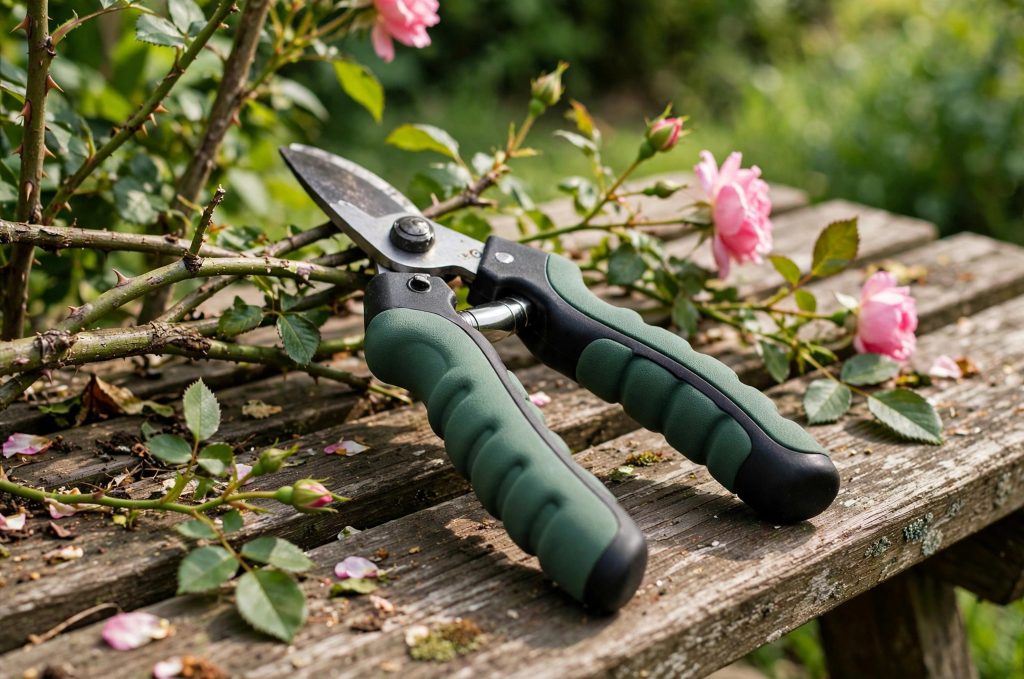
Soft, padded, cushioned grips. Look for thick rubber or foam handles with a non-slip texture. A soft grip spreads pressure across your palm instead of digging into one spot. Cushioned handles also absorb some of the shock when the cut finishes.
Spring-assisted opening. Pruners with a smooth, well-oiled spring pop open on their own after each cut. You only work on the closing squeeze. Keep the spring oiled so it stays easy.
Light weight. A heavy pruner tires your hand fast. Small-hand models can weigh under five ounces. Less weight means less strain over a long session.
A latch you can work. Many pruners have a safety latch that is stiff and fiddly. Look for one that flips open and closed with a thumb, not a wrestling match.
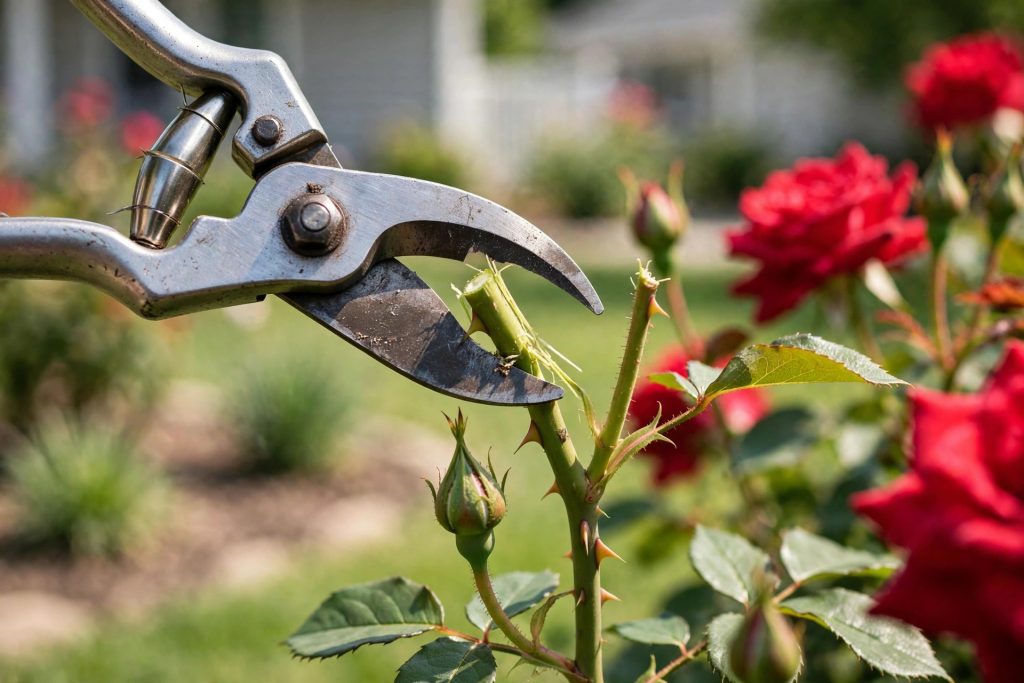
Bypass vs. anvil. Bypass pruners (two curved blades that slide past each other) make cleaner cuts on live stems. Anvil pruners (one blade closing on a flat plate) need less hand force but can crush live stems. Ratchet versions come in both styles.
Tool Types That Help Sore Hands
The key to soft grip pruning tools for arthritic hands is choosing the right approach for your space and budget.
With a little planning, soft grip pruning tools for arthritic hands can fit even a busy schedule.
Ratchet pruners
The single best upgrade for arthritic hands. The ratchet lets you cut stems up to about an inch thick with a series of gentle squeezes. The Gardener's Friend, a company founded by gardeners coping with arthritis and carpal tunnel, sells spring-loaded ratchet shears designed to ease effort on stems up to an inch thick in stages. The soft handles and assistive mechanisms cut strain while keeping control. Learn more about their approach.
Two-handed loppers
For branches too thick for hand pruners, a two-handed lopper gives you leverage. Long handles multiply your force, so your hands barely work. Arthritis UK points out that a lopper can be held lightly against the palms and wrists, protecting finger joints from strain. Some makers also sell ratchet loppers that hold the blades mid-cut if you need to pause.
Pruners for small hands
Standard pruners are sized for average male hands. If your hands are small, a smaller pruner fits better and needs less force to close. Lightweight bypass pruners made for small hands weigh just a few ounces and are far easier to squeeze. Do not assume one size fits all.
Long-handled and extendable tools
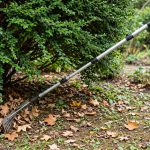
Bellota's extendable loppers show the idea: handles that telescope from about two feet to three feet give extra reach and leverage, with soft-touch grips for comfort. CreakyJoints, citing University of Arkansas Extension advice, adds that extendable handles plus a rubber sleeve over the grip can noticeably reduce finger strain. Longer handles mean less bending and more cutting power from the same effort. See the extendable lopper design.
Take your time with soft grip pruning tools for arthritic hands and the result will last.
Ergonomic Features Worth Paying For
With a little planning, soft grip pruning tools for arthritic hands can fit even a busy schedule.
Before you start, it helps to understand how soft grip pruning tools for arthritic hands works in real homes.
Occupational therapists who study gardening ergonomics point to a short list of features that genuinely reduce pain. Dr. Paula Kramer of the University of the Sciences advises gardeners to look for padded, fat handles with textured non-slip grips, spring-action self-opening shears, and telescopic handles that keep the body in alignment. She also warns that a tool labeled "ergonomic" is not automatically right for you. Try the tool in your hand before you buy. Read her ergonomic tool tips.
Other features that help:
- Rotating handles that turn with your hand, reducing wrist twist.
- Shock absorbers between the handles that cushion the closing snap.
- Cut-and-hold jaws that grip the cut stem so you do not have to bend and pick it up.
- Padded tape or foam tubing added to existing handles, a cheap fix Arthritis Foundation experts suggest for tools you already own.
A UK gardening guide for arthritis sums up the core kit well: a kneeler with handles, angled hand tools, ratchet secateurs, and a raised bed at a comfortable height remove most of the bending and gripping that causes pain.
Pruner Shopping Checklist
Before you start, it helps to understand how soft grip pruning tools for arthritic hands works in real homes.
A good plan for soft grip pruning tools for arthritic hands saves time, money, and frustration.
Take this list to the store and test each tool in your hand before you buy.
- Squeeze it. Close the pruner ten times in a row. If your hand aches, it is the wrong tool.
- Check the weight. Lighter is kinder for long sessions.
- Work the latch. Open and close the safety lock with one thumb.
- Feel the grip. The handles should fill your palm without sharp edges.
- Test the spring. The blades should pop open smoothly on their own.
- Try the ratchet. If it is a ratchet model, make sure the clicks engage easily and release cleanly.
- Check spare parts. Good pruners sell replacement blades and springs, so the tool lasts for years.
Smart Habits That Protect Your Joints
A good plan for soft grip pruning tools for arthritic hands saves time, money, and frustration.
Tools are half the answer. Habits are the other half.
Warm up. Run warm water over your hands or do a few minutes of gentle finger stretches before you prune. Warm joints move easier. Doctors' gardening guides also remind gardeners to pace themselves and stop to rest, since it is easy to overdo it when you are enjoying yourself.
Prune in short sessions. Twenty minutes of pruning, then switch to a different job or rest. Arthritis UK advises regular breaks and mixing jobs instead of long squeezing sessions.
Keep blades sharp. A sharp pruner needs far less force than a dull one. Wipe blades clean and sharpen them regularly. A dull blade crushes stems and makes your hands do the extra work.
Prune at the right time. Cut stems when the plant is dormant and the wood is dry if you can. Wet, sappy wood gums up blades and needs more force.
Use your palms, not your fingertips. When you can, push with the flat of your palm or use your forearm. The Arthritis Foundation suggests letting larger, stronger joints do the work.
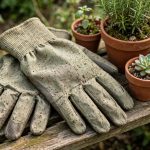
Wear gloves that fit. Gloves protect against blisters and thorns, but a too-tight glove adds effort to every squeeze. Pick a snug but not tight fit.
Bring the work to you. Prune container plants on a table instead of bending to the ground. Use a stool. Raised beds and waist-high planters take the stoop out of the job. Health guides republishing the Arthritis Foundation's gardening tips echo the same advice: sit when you can, raise the bed, and pad any handle that feels too thin.
When to Ask for Help
For most people, soft grip pruning tools for arthritic hands comes down to a few smart choices.
Some jobs are not worth the pain. Thick dead limbs, overhead branches, and anything that needs a saw are jobs for a lopper, a pole pruner, or another person. There is no prize for the biggest cut. Save your hands for the pruning they can do comfortably, and hire or borrow help for the rest. A neighbor with strong hands and your sharp, well-kept tools is a fair trade for an afternoon of help.
For more joint-friendly gear, see our guides to the best garden pruners for arthritis hands, the best pruning shears for rose bushes, the best garden pruners for small hands, and garden gloves for arthritis sufferers. That is all it takes to handle soft grip pruning tools for arthritic hands with confidence.
References
If you are new to soft grip pruning tools for arthritic hands, start with the simplest option and build from there.
Arthritis Foundation. (n.d.). Gardening with arthritis: Preventing joint pain. https://www.arthritis.org/health-wellness/healthy-living/daily-living/life-hacks-tips/gardening-arthritis-joint-pain
Arthritis UK. (n.d.). Gardening: Planning, preparing and protecting. https://www.arthritis-uk.org/information-and-support/living-with-arthritis/home-and-garden/gardening/
Bellota. (n.d.). Two hand universal lopper with extendable handles. https://www.bellota.com/en-us/products/two-hand-universal-lopper-with-extendable-handles-for-heavy-duty-use-with-easy-adjust-bolt-proline-3578tel/
CreakyJoints. (n.d.). Gardening with arthritis: How to avoid pain and joint strain. https://creakyjoints.org/living-with-arthritis/gardening-with-arthritis
Indiana Regional Medical Center. (n.d.). Gardening with arthritis. https://www.irmc.org/health-library/story/4c6ee961-5620-4e77-97b5-24f97e41105f
Mary Rutan Health. (n.d.). Gardening with arthritis. https://www.maryrutan.org/health-library/story/4c6ee961-5620-4e77-97b5-24f97e41105f
Newswise. (n.d.). Health tip: Gardening ergonomics - Picking the right tools. https://www.newswise.com/articles/health-tip-gardening-ergonomics-picking-the-right-tools
Red Earth Commerce. (n.d.). Ratchet anvil pruners for elderly gardeners with joint pain & inflammation. http://prsync.com/red-earth-commerce/ratchet-anvil-pruners-for-elderly-gardeners-with-joint-pain--inflammation-4098924/
When it comes to soft grip pruning tools for arthritic hands, getting the details right makes all the difference.
Many homeowners find that soft grip pruning tools for arthritic hands is easier than they expected once they know the basics.
Was this guide helpful?

About My Garden US
The My Garden US editorial team writes practical, in-depth home and garden guides for American homeowners — tested advice, no fluff.
You May Also Like
Cold Frame for Winter Gardening Reviews: What to Buy and How to Use It
July 3, 2026 20 views
Best Garden Tool Storage Rack Reviews: What Buyers Say
March 10, 2026 17 views
How to Spray Tall Fruit Trees With a Backpack Sprayer
October 20, 2026 19 views