A Kind Start to Gardening with Aching Joints
Many people love their gardens but dread the pain that comes with the work. For those people, the best garden gloves for arthritis sufferers can make all the difference. Stiff fingers and sore joints do not have to end a love of planting, weeding, and pruning. The right pair of gloves protects the skin, cushions the joints, and gives a firm grip. This means less pain during the work and less soreness after it.
Arthritis affects millions of gardeners across the country. It brings swelling, stiffness, and pain to the small joints of the hands. Simple tasks like pulling a weed or holding a trowel can become hard. A glove made for arthritic hands helps in three clear ways. It pads the joints against pressure. It keeps the hands warm, which eases stiffness. It also improves the grip, so less force is needed to hold tools.
This guide will help you choose wisely. It covers what to look for, the main types of gloves, fair prices, care tips, and safety notes. It also answers common questions from gardeners with arthritis.
Why the Right Gloves Matter: Best Garden Gloves for Arthritis Sufferers
The hands are the main tools of any gardener. When arthritis strikes, the hands lose strength and comfort. Ordinary garden gloves often make the problem worse. They are stiff, bulky, and hard to pull on. They rub against swollen knuckles. They slip on tool handles, which forces the hands to squeeze harder.
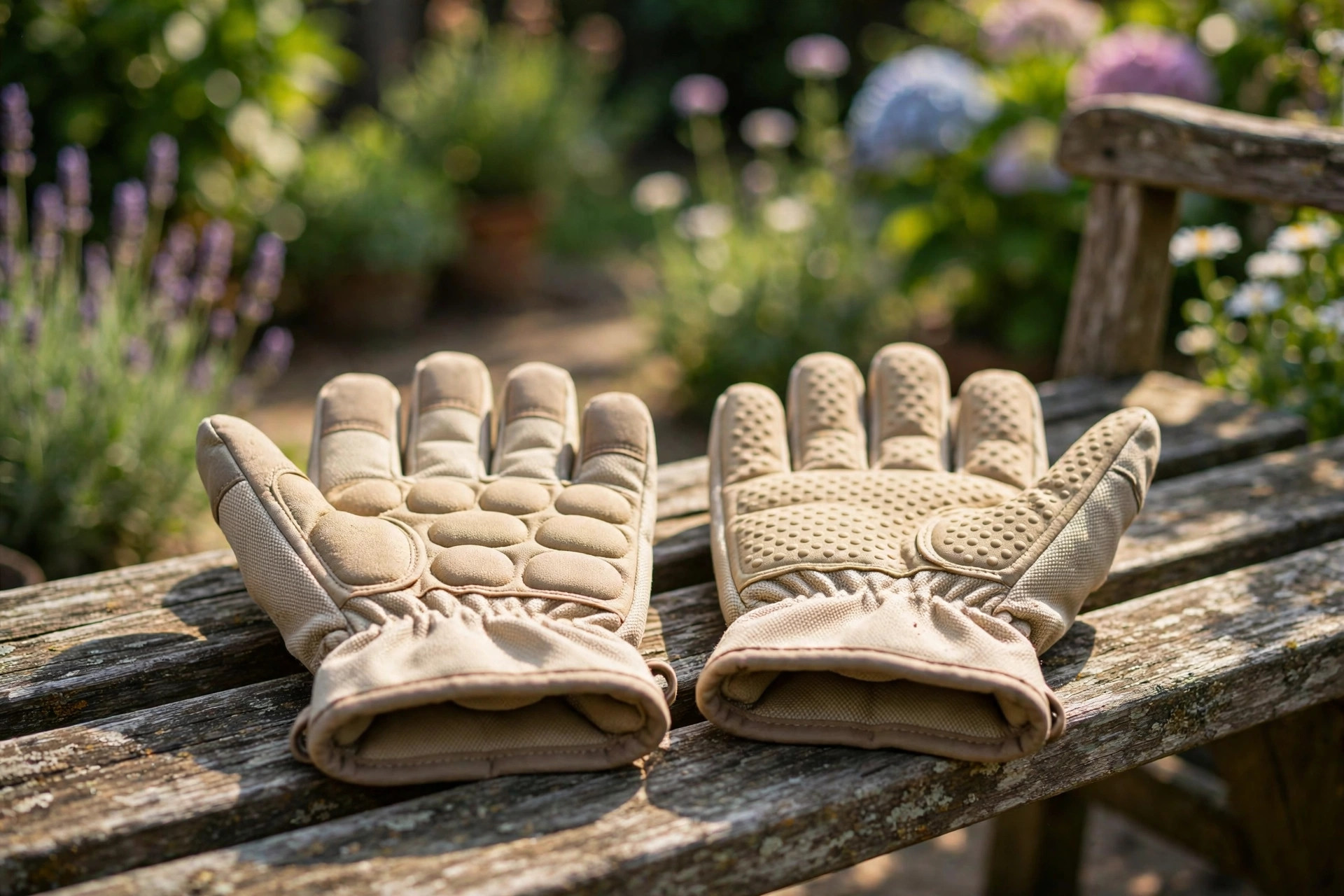
Gloves made with arthritic hands in mind solve these problems. They use soft, stretchy fabrics that move with the hand. They add padding to the palm and fingers. This padding spreads pressure over a wide area. The joints feel less of the shock when you dig, cut, or pull.
Warmth is another gift of a good glove. Cold air makes arthritic joints stiffer and more painful. A glove that holds warmth around the hands can loosen them before and during work. Some gardeners even wear their gloves for a few minutes indoors before going out. The hands feel more limber by the time the work begins.
Grip is the third key point. A firm grip means the hand does not need to squeeze hard to hold a tool. Special rubber or synthetic dots on the palm and fingers add traction. This lowers the strain on finger joints. It also helps prevent drops, which can harm plants and tools.
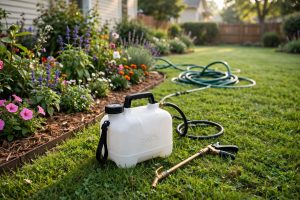
A pair of rain barrel for garden watering nearby can cut down on heavy lifting too. Less hauling of water means less work for sore hands.
What to Look For When You Shop
Soft, Stretchy Fabric
The fabric should bend with your hand, not fight it. Look for gloves made with spandex, neoprene, or soft cotton blends. Neoprene is the material used in wet suits. It keeps warmth in and water out. Spandex lets the glove stretch over swollen knuckles without squeezing them. Avoid gloves made from stiff leather or thick canvas if your arthritis is severe. Those materials take more hand strength to use.
Cushioned Palms and Knuckles
Padding is what separates ordinary gloves from arthritis-friendly ones. Good gloves add foam or gel pads to the palm. This cushions the hand when you press a tool handle. Some gloves also pad the knuckles. This protects the joints when you bump against pots, stones, or fences. Press the palm of the glove in the store if you can. It should feel soft and springy.
Easy On and Off
Pulling on a tight glove can hurt swollen fingers. Look for wide cuffs and stretchy wrist openings. Some gloves use a simple pull strap. Others use an elastic band that holds the glove in place without tightness. A hook-and-loop wrist closure lets you set the fit yourself. Consumer Reports tests many work gloves and often notes how easy they are to pull on and remove. That is a detail worth checking before you buy.
A Firm, Non-Slip Grip
Rubber or silicone dots on the fingers and palm add grip without extra bulk. Some gloves use a textured coating across the whole palm. This is helpful when tools get wet or muddy. You want a glove that holds a wooden handle or a metal trowel without slipping. Less slipping means less squeezing. Less squeezing means less pain.
Breathable Backs
Hands that overheat will swell more. Many good gloves have a breathable mesh back. This lets air reach the hand while the palm stays protected. The Home Depot carries a wide range of such gloves, and product pages often list the materials used. A mesh back paired with a coated palm is a fine mix for warm weather.
The Right Fit
Fit matters more than almost anything else. A glove that is too tight will press on joints. A glove that is too loose will bunch up and reduce grip. Measure your hand around the knuckles, not counting the thumb. Use that number to pick a size. If you are between sizes, choose the larger one. Try the glove with a tool in hand if you can. Make a fist. If the fabric pulls hard across the knuckles, try another pair.
Types of Garden Gloves for Sore Hands
Padded Work Gloves
These are the most common choice for arthritis. They look like normal garden gloves but hide foam padding in the palm. They suit digging, raking, and hauling. They protect the whole hand. Many gardeners keep one pair of padded gloves for heavy work and a lighter pair for fine tasks.
Neoprene Gloves
Neoprene gloves are soft and stretchy. They keep the hands warm in cool weather. They also resist water and mud. The smooth surface is easy to wash. Gardeners with stiff morning joints often favor neoprene for spring work. The warmth alone can make a morning in the garden feel much better.
Lightweight Bamboo or Cotton Gloves
For light tasks like deadheading flowers or picking vegetables, a thin glove may be best. Bamboo fabric is soft against the skin. It also breathes well. These gloves do not pad much, but they keep dirt out and add a little grip. They are easy to wash and quick to dry.
Gloves with Grip Dots
Some gloves skip heavy padding but add raised dots of silicone or rubber. These are good for gardeners who need a strong grip but do not like bulk. The dots hold tools firmly. They also help when opening bags or jars of seed. Fiskars makes tools with soft grips that pair well with such gloves, which can lower hand strain even more.
Long-Cuff Gauntlet Gloves
These gloves run up the forearm. They protect the wrists and lower arms from thorns, sun, and scratches. Gardeners who prune roses or work among thorny plants will like them. For arthritic wrists, the long cuff can also add a small sense of support. Make sure the cuff is easy to slide on and off.
When you turn your compost pile, a garden fork for turning compost with a soft grip works well with padded gloves. The right pairing of glove and tool matters.
Cost and Price
The best garden gloves for arthritis sufferers do not have to cost much. Simple padded gloves often sell for ten to twenty dollars. Mid-range gloves with gel pads, neoprene backs, or grip coatings run from twenty to forty dollars. Heavy-duty pairs with full padding and long cuffs can reach fifty dollars or more.
Price often follows the materials. Gel padding and neoprene cost more than thin cotton. Brand names can also raise the price. A well-known maker like Corona Tools or Gardener’s Supply Company may charge more for tested designs. That extra cost can be worth it if the fit is better.
Value is what matters most. A cheap glove that hurts your hands is no bargain. A pricier glove that lets you garden for an extra hour is a good deal. Watch for sales at the end of the garden season. Stores often cut prices on gloves in late summer and fall. Buying two pairs at a discount gives you a backup while one pair is in the wash.
Care and Upkeep
Clean gloves last longer and feel better on the skin. Most fabric gloves can be machine washed in cold water. Use a mild soap. Skip the bleach, which breaks down elastic fibers. Air dry the gloves flat. A dryer can shrink the fabric and melt the rubber dots.
Leather gloves need a different kind of care. Wipe them with a damp cloth. Let them dry slowly, away from direct heat. A light rub of leather conditioner once a season keeps them soft. Stiff leather can press on sore joints, so keep them supple.
Check your gloves before each use. Look for worn spots on the palm. Check that the padding is still springy. Look at the seams around the fingers. A torn seam can rub the skin raw. Replace gloves when the padding flattens or the grip wears smooth. Worn gloves force your hands to work harder.
Store gloves in a dry spot. A damp shed can breed mold in the fabric. Hang them by the cuff or lay them flat. Keep a spare pair ready so you are never without protection. If you work with potting soil for container gardens, rinse the gloves after each session. Soil left on the fabric can carry germs into small cuts.
Safety Notes for Arthritic Gardeners
Gloves protect against more than pain. Garden soil can hold bacteria and fungi. A small cut or scrape can let these germs into the body. People with arthritis sometimes take medicines that weaken the immune system. For them, a scratch can turn serious. Always wear gloves when you dig or handle soil.
Thorns, sharp stems, and rough bark can injure stiff hands that cannot pull back fast. Thick-padded gloves lower this risk. Long cuffs add protection for the forearms.
Sun is another concern. Many arthritis medicines make the skin more sensitive to sunlight. A glove with a long cuff or a mesh back rated for sun protection helps. The Spruce offers plain guides on sun-safe gardening that many readers find useful.
Do not work through sharp pain. Gloves ease discomfort, but they cannot fix a joint. Take short breaks. Stretch the fingers gently. If a task causes sharp or lasting pain, stop and rest. Warm water soaks after gardening can ease the hands. Family Handyman and Bob Vila both share simple workshop and garden tips that stress pacing the work and using the right gear.
Keep tetanus shots up to date. Garden cuts are common. A current tetanus shot is a simple shield. Ask your doctor how often you need one.
Frequently Asked Questions
Can garden gloves really help with arthritis pain?
Yes, they can help a good deal. Padded gloves spread pressure across the hand. Warm gloves loosen stiff joints. Grippy gloves cut down on the force needed to hold tools. Many gardeners with arthritis say the right gloves let them work longer with less pain the next day. Gloves are not a cure, but they are a real aid.
What is the best material for arthritic hands?
Soft, stretchy materials work best. Neoprene keeps warmth in. Spandex blends stretch over swollen knuckles. Bamboo and soft cotton suit light tasks. Thick, stiff leather suits fewer people with arthritis because it needs more hand strength. Try a few materials to find what feels best on your own hands.
Should the gloves be tight or loose?
They should fit snug but not tight. The glove should move with your hand. Your fingers should reach the ends without pressing hard. If the fabric pulls across your knuckles when you make a fist, the glove is too small. If extra fabric bunches in the palm, it is too large. A proper fit keeps grip strong and comfort high.
How often should I replace my garden gloves?
Replace them when the padding flattens, the grip wears smooth, or seams tear. For regular gardeners, this may be once a season. Wash them often to keep them fresh. A spare pair means you can wash one and wear the other. Do not keep using gloves that hurt your hands just because they are not yet worn out.
Are there gloves made just for arthritis?
Some makers do sell gloves labeled for arthritis. These often add gel pads, easy-pull cuffs, and soft seams. But many standard padded garden gloves work just as well. Focus on the features, not the label. Padding, stretch, warmth, grip, and fit matter more than the name on the package. Burpee and other garden suppliers list glove features clearly, which helps you compare.
Can I wear arthritis compression gloves under garden gloves?
Some gardeners do this for extra joint support. Compression gloves are thin and tight. They may help with swelling. But layering two gloves can reduce feel and add bulk. If you try this, pick a thin garden glove to go over the compression glove. Stop if your hands feel numb or colder than usual.
A Short Final Word
Gardening with arthritis takes some care, but it is well worth the effort. The best garden gloves for arthritis sufferers are the ones that fit your hands, pad your joints, and grip your tools with ease. Look for soft fabric, good padding, simple cuffs, and honest quality. Take care of your gloves, and they will take care of your hands. Then go out and enjoy the soil, the sun, and the quiet joy of things that grow.
References
Bob Vila. (n.d.). Home improvement advice. https://www.bobvila.com Burpee. (n.d.). Seeds, plants, and gardening supplies. https://www.burpee.com Consumer Reports. (n.d.). Product reviews and ratings. https://www.consumerreports.org Corona Tools. (n.d.). Garden and landscape tools. https://www.corona-tools.com Family Handyman. (n.d.). DIY home repair and maintenance. https://www.familyhandyman.com Fiskars. (n.d.). Garden and cutting tools. https://www.fiskars.com Gardener’s Supply Company. (n.d.). Gardening tools and supplies. https://www.gardeners.com The Home Depot. (n.d.). Home improvement products. https://www.homedepot.com The Spruce. (n.d.). Home and garden advice. https://www.thespruce.com
Was this guide helpful?

About Jennifer Lee
The My Garden US editorial team writes practical, in-depth home and garden guides for American homeowners — tested advice, no fluff.