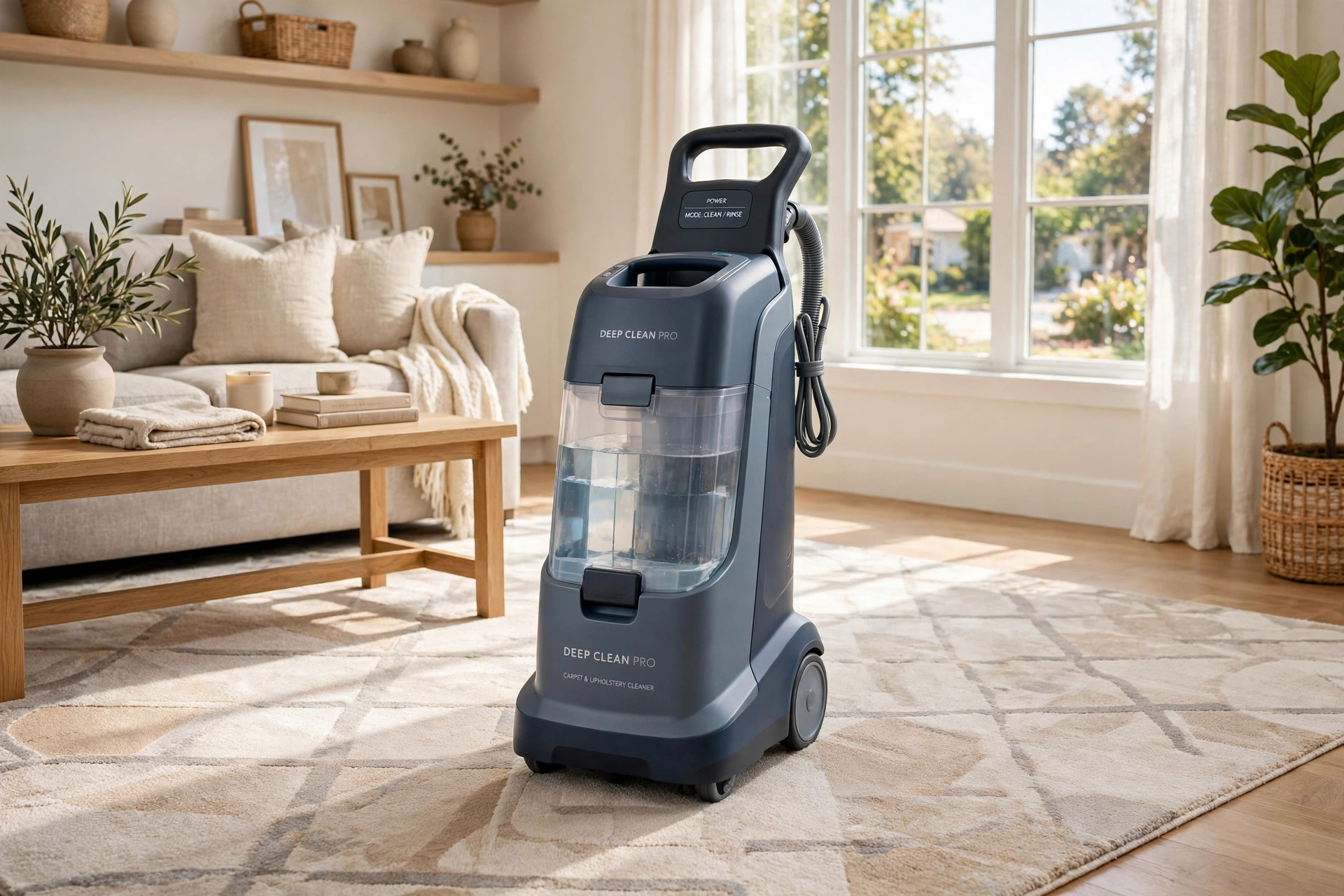

A carpet can look clean on the surface and still hold deep dirt. Dust, pet hair, and food crumbs sink into the fibers over time. A regular vacuum cannot pull them out. This is where quiet carpet deep cleaning machines with free shipping can help a busy home. These machines wash the carpet with water and a cleaning solution, then lift the dirty water back out. The best part is the sound level. A quiet machine lets you clean while children nap or while you watch the evening news. And free shipping means the price you see is the price you pay, with no surprise fee at checkout.
Why It Matters
Carpets cover large parts of many American homes. They catch everything that falls. Over the months, that build-up changes the color of the carpet and the smell of the room. Deep cleaning machines push warm water and detergent deep into the pile. The brushes scrub each fiber. Then strong suction pulls the water, dirt, and allergens out into a tank. You can see the dirty water for yourself. It is a simple and honest result.
Noise matters more than most people think. Older machines roar like a shop vacuum. You cannot hold a phone call near one. You cannot use one in an apartment without bothering the neighbors. Newer low-noise models run much softer, often near the level of a normal conversation. That small change makes the whole job easier. You can clean one room at a time, over several days, without a fight. If you want help with other soft surfaces too, our guide to upholstery cleaning machines reviews and buying guide pairs well with this one.
Free shipping matters too. A deep cleaning machine is heavy, often 15 to 20 pounds in the box. Normal shipping for a heavy box can cost 20 dollars or more. When the store covers that cost, your budget stays whole. You can put that saved money toward extra cleaning solution instead.
What to Look for When You Choose: Quiet Carpet Deep Cleaning Machines with Free Shipping
Start with the noise rating. Makers measure sound in decibels, written as dB. A quiet machine runs near 60 to 70 dB. That is about the level of normal talk or a running dishwasher. A loud machine runs near 80 dB or more. That is closer to a passing truck. Check the box or the product page for the number. If the maker does not list it, read buyer reviews. People will tell you fast when a machine is loud. A good test is to search for the model on Consumer Reports, where lab tests often include noise scores.
Next, look at the water tanks. Two tanks are better than one. A clean-water tank holds the fresh mix. A dirty-water tank holds what the machine pulls up. Big tanks mean fewer trips to the sink. For a full living room, look for tanks of one gallon or more. Smaller tanks are fine for spot cleaning and stairs.
Look at the brush system too. More brushes often mean deeper scrubbing. Some machines have a row of spinning brushes that turn as you push. Others have a single wide brush. Spinning brushes do a fine job on thick pile. Check whether the brushes lift out for rinsing. Clean brushes keep the machine working well for years.
Heat can help. Some machines have a built-in heater that keeps the cleaning mix warm. Warm water cuts grease and lifts stains faster. You do not need boiling water. Warm is enough. A heater adds to the price, but many users say it is worth it.
Weight and wheels matter for comfort. You will push the machine back and forth across the room. A heavy machine with small wheels is hard work. Look for large wheels and a handle that fits your height. A long power cord, 20 feet or more, saves you from moving the plug every few minutes. A long hose helps you reach stairs and car seats.
Types and Options
Upright full-size machines are the most common. They look like a large vacuum. They carry big tanks and wide cleaning heads. They are the right pick for whole rooms and homes with wall-to-wall carpet. Most quiet carpet deep cleaning machines with free shipping sold online are this type.
Portable spot cleaners are small and light. They have a small tank and a hand tool. They are made for pet stains, spilled coffee, and small areas. They are often the quietest of all because the motor is small. If your carpet is mostly clean and you only fight spills, a spot cleaner may be enough. For a cordless path, see our cordless carpet deep cleaning machines for sale guide.
Then there are carpet shampooers. These use foam instead of hot water extraction. Foam machines are often lighter and cheaper. They do a fair job on light dirt. They do not pull out as much deep dirt as an extractor. They are also sometimes noisier per cleaning pass because you must go over the area twice.
Some makers sell machines with dual-purpose heads. One head washes carpet. Another washes hard floors. This is handy in a home with mixed flooring. It costs more, but it replaces two tools with one.
For buyers who want a greener home, low-noise models exist that use less water and plant-based solutions. Our eco friendly carpet deep cleaning machines for sale page covers those picks in depth.
Noise Levels in Plain Terms
It helps to picture the numbers. A whisper is about 30 dB. Normal talk is about 60 dB. A dishwasher runs near 65 dB. A loud vacuum can hit 78 dB. Most quiet carpet deep cleaning machines run near 65 to 72 dB. That means you can stand in the next room and still hear the television. You can clean after dinner without waking the house.
How makers reach these low numbers is worth knowing. They add foam around the motor. They use slower, better-balanced fans. They shape the air path to cut whistle and rumble. These changes do not cut cleaning power. Only the wasted noise goes down. The guides at Bob Vila often compare noise levels across popular models, which is a good way to shop.
Cost and Price
Quiet carpet deep cleaning machines sell across a wide range. Small spot cleaners start near 100 dollars. Mid-size uprights with quiet motors run from 180 to 350 dollars. Large machines with heaters, big tanks, and low noise can reach 400 to 600 dollars. Free shipping is common on many of these models from big online stores. You can browse current prices at Home Depot and Lowe’s to see how the shipping offers compare.
Do not forget the running costs. Cleaning solution is the main one. A bottle costs 10 to 25 dollars and cleans several rooms. Some machines need their own brand of solution. Others work with any brand. Check this before you buy, because it changes your yearly cost. Replacement brushes and belts are cheap and rare.
Renting is the other choice. A rental machine costs 25 to 40 dollars a day, plus solution. If you deep clean once a year, renting can be cheaper for a few years. But rental machines are often loud, heavy, and worn out. Owning a quiet machine means you can clean small areas often, which keeps the carpet in better shape.
Watch for sales. Spring and fall bring price drops on floor care. Holiday weekends often add free shipping on top of a sale price. That is the best time to buy.
How to Use One the Right Way
Good results come from good steps. Start by vacuuming the carpet well. This picks up the loose dirt so the machine can work on the deep dirt. Move small furniture out of the way. Treat dark stains first with a stain remover. Let it sit for ten minutes.
Fill the clean tank with warm tap water and the right amount of solution. More soap is not better. Too much soap leaves a film that pulls dirt back in. Follow the marks on the tank. Push the machine forward slow and steady.
Empty the dirty tank when it is full. Do not let it overfill. A full tank cuts suction and can spill. When the water you pull up runs clear, that area is done. Open windows or run a fan to dry the carpet faster. Give it four to six hours to dry. The Spruce has step-by-step photo guides that show this whole process for first-time users.
Care and Upkeep
A clean machine cleans better. After each use, empty both tanks. Rinse the dirty tank with warm water. Pull out the brushes and rinse off the hair and lint. Wipe the cleaning head. Let all parts air dry before you put them away. This stops mold and bad smells.
Once a month, run a rinse cycle. Fill the clean tank with plain warm water and no soap. Run the machine over a small test area. This flushes soap out of the hoses and pump. Soap build-up is the top cause of weak spray over time.
Check the belt if your machine has one. A loose belt makes the brushes turn slow. The manual shows how to check it. Most belts cost a few dollars and take ten minutes to change. Keep the filter clean too. A clogged filter chokes the motor and raises the noise. Family Handyman publishes simple repair walk-throughs for common brush and belt fixes.
Store the machine in a dry place. Do not leave solution in the tank between uses. Old solution turns thick and clogs the lines. Wrap the cord loose, not tight, to protect the wires.
Safety
Water and power need care. Never fill the tank past the max line. Keep the plug and the cord away from standing water. Unplug the machine before you clean the brushes or change a belt. Let the motor cool if it feels hot.
Cleaning solutions can bother skin and eyes. Wear gloves if your skin is tender. Keep the room aired while you work. Keep pets and small children off damp carpet until it dries. Store bottles of solution high and closed, away from children and pets. The EPA offers plain guidance on choosing safer cleaning products for home use, which is worth a read before you stock up.
Do not use a carpet machine on floors it is not made for. Hardwood and laminate can swell from too much water. Check your floor warranty first. If you are unsure, test a small hidden corner and watch how it dries.
Noise safety is a smaller point but a real one. Even quiet machines run for an hour or more. If you are tender to sound, take short breaks. Keep the room door open so the sound does not build up.
Frequently Asked Questions
Are quiet machines as strong as loud ones?
Yes, in most cases. The noise comes from the motor and the fan, not from the suction. Makers cut noise with insulation and better fan design. The cleaning power stays the same. Check reviews for real-world stain results rather than judging by sound alone. Good Housekeeping tests many models in home-like rooms and reports both cleaning scores and noise notes.
How often should I deep clean my carpets?
Most homes do well with deep cleaning once or twice a year. Homes with pets or small children may need it three or four times a year. High-traffic paths like hallways and living rooms need it most. Bedrooms can go longer. Light homes with no pets can stretch to once a year.
Can I use these machines on rugs and upholstery?
Many uprights come with a hose and a small hand tool for rugs, stairs, and car seats. For sofas and chairs, a smaller tool works better and uses less water. Never soak a rug that is not colorfast. Test a hidden corner first. This Old House at This Old House shows how to test fabric for color bleeding before a full clean.
Is free shipping really free?
It means no shipping fee at checkout. The store pays the carrier. You still pay the price of the machine and any tax. Some stores ask for a minimum order for free shipping, so check the cart rules. Heavy machines often qualify on their own because the order total is high.
What solution should I buy?
Start with the solution the maker suggests. It is tuned for that machine. Once you know the machine, you can try store brands that list the same machine type on the label. Avoid dish soap and laundry soap. They foam too much and can harm the pump. For homes with allergies, look for low-foam, fragrance-free options.
Do quiet models cost more?
A little, on average. The insulation and tuned motors add to the build cost. The gap is often 30 to 80 dollars against a loud model with the same tanks and brushes. Many buyers find the calmer sound worth the small premium, since the machine gets used more often when it is pleasant to run.
A Short Final Word
A quiet machine changes the whole chore. You clean more often because it is not a trial. The carpet stays brighter. The room smells fresher. And when it ships free, the deal is plain and honest. Pick a model with a real dB rating, tanks that fit your rooms, and brushes you can rinse. Treat stains early, rinse the machine after, and let the carpet dry well. Do those small things and your floors will thank you for years.
References
Bob Vila. (n.d.). Home improvement advice. https://www.bobvila.com Consumer Reports. (n.d.). Product reviews and ratings. https://www.consumerreports.org Family Handyman. (n.d.). DIY home repair and maintenance. https://www.familyhandyman.com Good Housekeeping. (n.d.). Product reviews and home advice. https://www.goodhousekeeping.com Lowe’s. (n.d.). Home improvement products. https://www.lowes.com The Home Depot. (n.d.). Home improvement products. https://www.homedepot.com The Spruce. (n.d.). Home and garden advice. https://www.thespruce.com This Old House. (n.d.). Home renovation guidance. https://www.thisoldhouse.com U.S. Environmental Protection Agency. (n.d.). Protecting human health and the environment. https://www.epa.gov
Was this guide helpful?

About Sarah Mitchell
The My Garden US editorial team writes practical, in-depth home and garden guides for American homeowners — tested advice, no fluff.
You May Also Like

Commercial Grade Chimney Sweep Services Near Me: A Homeowner’s Guide
September 16, 2026 0 views
Reliable Blind Cleaning Tools for Small Apartments
July 20, 2026 0 views
The Best Same Day Appliance Repair Services for Homeowners
August 26, 2026 0 views