---
Table of Contents
Table of Contents
- Pet Safe Flea Treatment for the Yard: Know Your Enemy: The Flea Life Cycle
- Beneficial Nematodes: Tiny Worms That Hunt Fleas
- Diatomaceous Earth: Use With Care
- Yard Habits That Starve Fleas
- Treat the Pet and the House Too
- What About Yard Sprays From the Store?
- Nematodes or Sprays: What the Pros Say
- A Season-Long Plan
- References
Fleas do not just live on your pet. Most of the flea population lives in the environment. Eggs fall off your dog or cat into the grass, where they hatch into larvae and wait. Treat only the pet and the yard keeps reinfesting them. Treat the yard with harsh chemicals and you risk your pets, your kids, and the good bugs. Pet safe flea treatment for the yard focuses on methods that kill fleas without poisoning everything else. This article explains pet safe flea treatment for the yard in simple terms.
Pet Safe Flea Treatment for the Yard: Know Your Enemy: The Flea Life Cycle
When it comes to pet safe flea treatment for the yard, getting the details right makes all the difference.
Many homeowners find that pet safe flea treatment for the yard is easier than they expected once they know the basics.
Adult fleas are only a small slice of the problem. For every flea you see on your pet, many more eggs, larvae, and pupae hide in the yard. Eggs roll off into shady, moist spots. Larvae feed on organic debris in the soil. Pupae sit in tough cocoons that resist most treatments.
This is why one spray never finishes the job. You have to break the cycle. The good news is that the outdoor stages are the most exposed. Yard treatment hits fleas where they breed (Farmer's Almanac, n.d.).
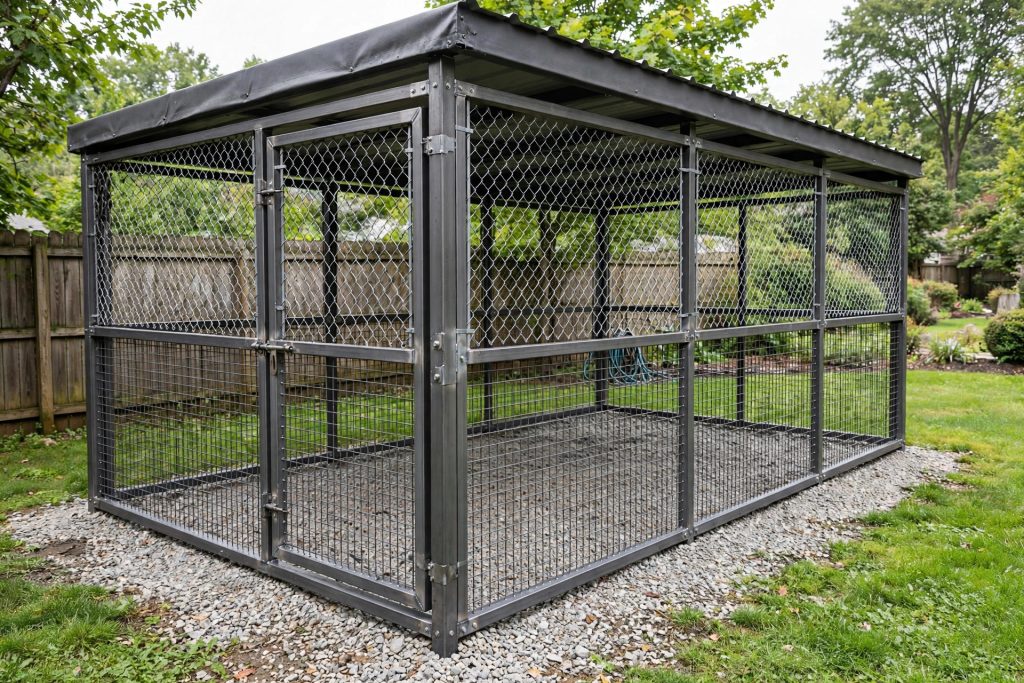
Fleas love warm, shady, damp areas. Under decks, along fence lines, under shrubs, and in dog runs are prime flea nurseries. Sunny open lawn is less friendly to them. Keep this map in mind. You do not need to treat the whole yard, just the flea zones.
Beneficial Nematodes: Tiny Worms That Hunt Fleas
Many homeowners find that pet safe flea treatment for the yard is easier than they expected once they know the basics.
The key to pet safe flea treatment for the yard is choosing the right approach for your space and budget.
Beneficial nematodes are microscopic worms that live in soil and kill insect larvae. The species used for fleas hunts flea larvae in damp soil, enters their bodies, and kills them. Nematodes do not harm people, pets, plants, or earthworms. For a pet owner, they are close to ideal.
University of Georgia Extension research found that the right nematodes, applied properly, control flea larvae in yards. The key is applying them to moist, warm soil, since nematodes need moisture to move and hunt (UGA Extension, n.d.).
How to use them:
1. Buy fresh nematodes from a garden center or mail-order supplier. They are living organisms with a shelf life, so check the date and store them cool until use. 2. Water the treatment area well first. Nematodes travel through moist soil. 3. Mix the nematodes in a bucket of cool water per the package directions. Stir gently. 4. Apply with a watering can or hose-end sprayer in the evening, out of direct sun. Sunlight kills them fast. 5. Water lightly again after applying, and keep the soil moist for several days.
Target shady spots, pet resting areas, and along fences. One good application can last a whole season. Oklahoma State University Extension lists cat fleas among the target pests for these nematodes (Oklahoma State University Extension, n.d.).
Diatomaceous Earth: Use With Care
The key to pet safe flea treatment for the yard is choosing the right approach for your space and budget.
With a little planning, pet safe flea treatment for the yard can fit even a busy schedule.
Food-grade diatomaceous earth, often called DE, is a fine powder made from fossilized algae. Its sharp edges cut the waxy coating of insects, drying them out. It kills adult fleas on contact. Many pet owners dust it in the yard and on pet bedding.
But DE has real limits. It only works when dry. Rain or morning dew shuts it down until it dries again. It kills any insect it touches, including bees and other good bugs, so broadcast spraying across the whole yard is a bad idea. Texas A and M Extension notes it is unlikely to give good flea control on its own. Use it in targeted dry spots, not as your whole plan (Farmer's Almanac, n.d.).
Safety rules for DE:
- Buy only food-grade DE. Pool-grade DE is chemically treated and dangerous.
- Wear a dust mask when applying. The fine powder irritates lungs.
- Keep it away from eyes, noses, and mouths, yours and your pets'.
- Do not use DE and nematodes in the same spot. DE harms the nematodes too. Pick one or the other per area.
Chewy's veterinary guidance adds that DE does not kill flea eggs, so treatment must continue for weeks to catch each new hatch (Chewy, n.d.).
Yard Habits That Starve Fleas
With a little planning, pet safe flea treatment for the yard can fit even a busy schedule.
Before you start, it helps to understand how pet safe flea treatment for the yard works in real homes.
The cheapest flea control is a yard fleas hate.
Mow short and clear debris. Flea larvae hide in tall grass and leaf litter. Mow regularly and rake up leaves, especially in shady corners. Sunlight reaching the soil dries out larvae.
Trim shrubs and open up shade. You do not need to remove all shade, but thinning dense plantings lets air and light in. Fleas struggle in dry, sunny soil.
Fix drainage. Soggy spots breed fleas and mosquitoes both. Fill low spots and keep gutters clear.
Keep wildlife out. Stray cats, raccoons, and opossums drop flea eggs in your yard. Secure trash, close gaps under decks, and do not leave pet food outside overnight. A freestanding indoor pet fence will not help outside, but a tidy yard with fewer visitors means fewer new fleas.
Wash pet bedding often. Outdoor beds and blankets collect eggs. Hot water kills all flea life stages. Wash weekly during flea season.
Treat the Pet and the House Too
Before you start, it helps to understand how pet safe flea treatment for the yard works in real homes.
A good plan for pet safe flea treatment for the yard saves time, money, and frustration.
Yard treatment fails if the pet keeps reseeding the grass. Use a vet-approved flea preventive on your dog or cat through the whole warm season. Ask your vet which product fits your pet. Do not mix multiple flea products without veterinary advice.
Inside the house, vacuum often. Vacuuming removes eggs and larvae from carpets and cracks. Empty the vacuum or change the bag right away so fleas do not crawl back out. Wash pet bedding in hot water. These boring chores do more than most sprays (Breeding Business, n.d.).
A good pet vacuum for dog hair on furniture makes the frequent vacuuming this plan needs much less painful. Clean floors are part of flea control, and a hardwood floor cleaner safe for pets keeps hard surfaces fresh without harsh chemicals.
What About Yard Sprays From the Store?
A good plan for pet safe flea treatment for the yard saves time, money, and frustration.
For most people, pet safe flea treatment for the yard comes down to a few smart choices.
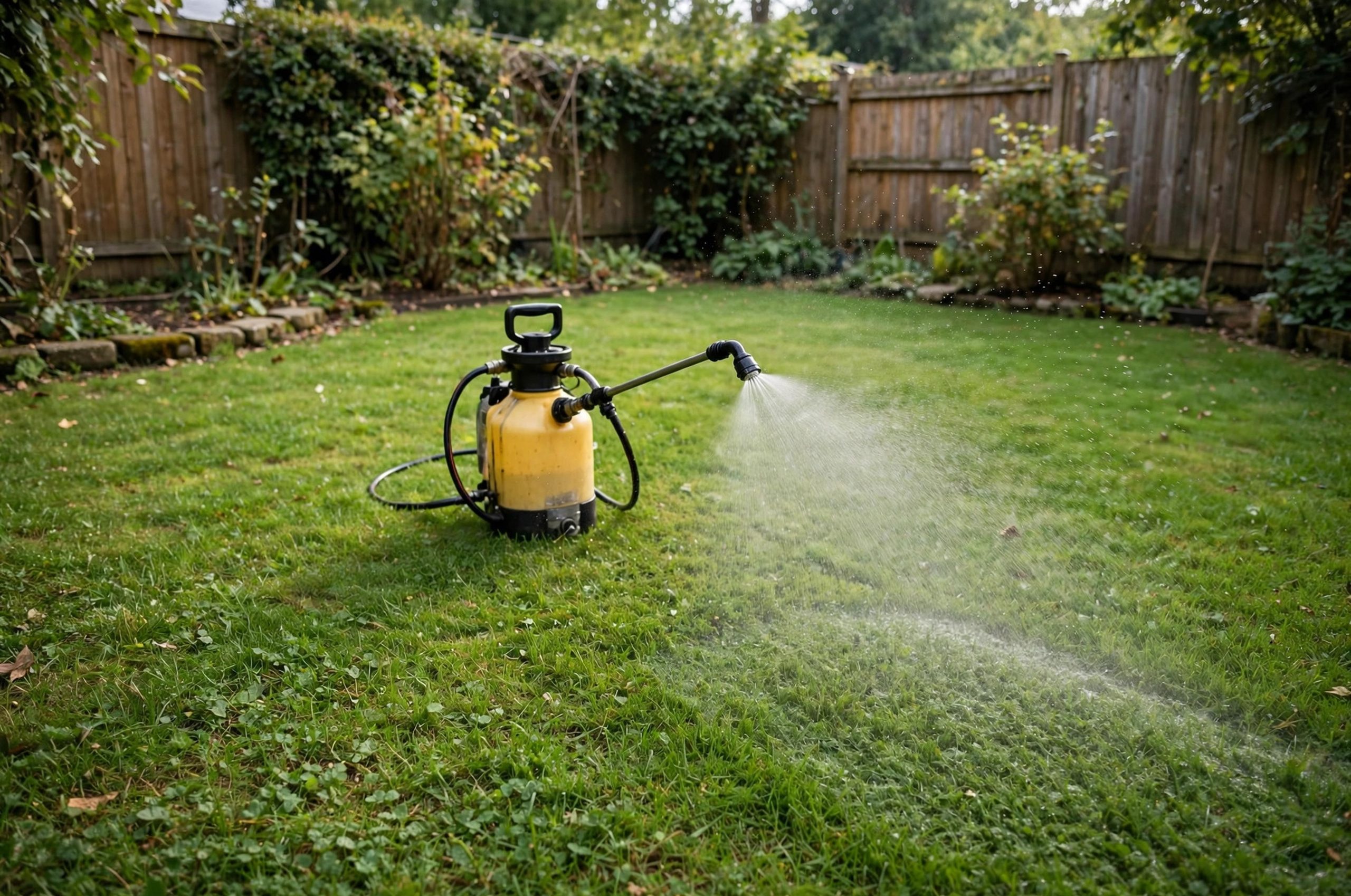
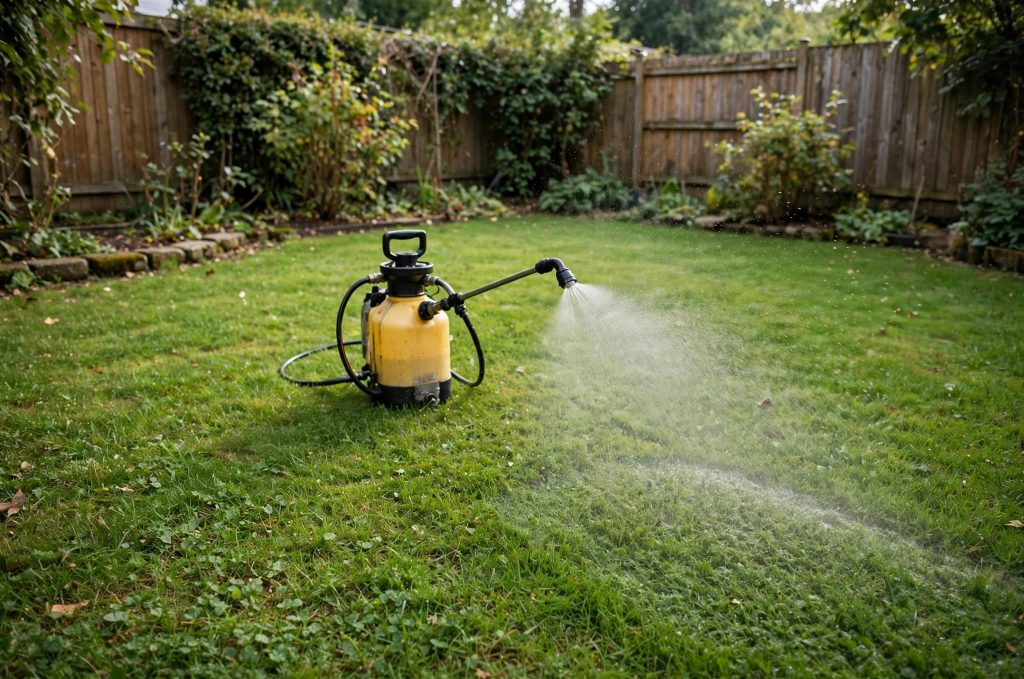
Many hardware-store yard sprays kill fleas on contact. The problem is what else they kill and how long pets must stay off the grass. Read every label. Look for products labeled safe for pets once dry, and follow the drying time exactly. Keep pets and kids off until then.
Even with safer products, spot-treat rather than blanket-spray. Hit the shady fence lines, under the deck, and the dog's favorite spots. Leave the sunny open lawn alone. Less chemical, same result, lower risk (PCT Online, n.d.).
Nematodes or Sprays: What the Pros Say
For most people, pet safe flea treatment for the yard comes down to a few smart choices.
If you are torn between biological control and store-bought sprays, it helps to hear how each works in plain terms. Beneficial nematodes act like a living treatment. Once watered into the soil, they spread out, find flea larvae, and kill them from the inside. They keep working for weeks as long as the soil stays a bit moist. They do not leave any residue, and pets can walk on the treated area right away.
Veterinarian Dr. Judy Morgan explains the process simply: the nematodes release bacteria inside flea larvae that end the flea life cycle, and the treatment is safe around people, pets, and plants (Dr. Judy Morgan, n.d.-a). One well-timed application in the warm season often carries the yard for months.
Diatomaceous earth works differently. It is a dry powder that damages the outer shell of insects on contact. A visual guide to nontoxic pest control shows how DE is dusted in dry areas and why it must be reapplied after rain (The Pink Jardin, n.d.). Think of DE as a spot tool for dry entry points and bedding areas, not a whole-yard solution.
Chemical yard sprays are the third option. They kill fast and cover large areas, but they also kill indiscriminately and require pets to stay off the grass until dry. Many pet owners use them only as a last resort for severe infestations, then switch to nematodes and yard habits for maintenance. Whichever route you pick, keep using the vet-approved preventive on the pet itself. The yard and the pet are two halves of one plan (Chewy, n.d.).
A Season-Long Plan
If you are new to pet safe flea treatment for the yard, start with the simplest option and build from there.
Put it together in order:
1. Clean the yard. Mow, rake, trim, and clear debris. 2. Apply nematodes to shady, moist flea zones in the evening. 3. Keep up with pet flea preventive from your vet. 4. Vacuum and wash bedding weekly indoors. 5. Recheck the yard monthly. Reapply nematodes if fleas return.
Flea control is a campaign, not a single battle. The pet-safe approach takes a little longer than a chemical blitz, but it keeps working without risking the animals you are trying to protect. Start early in the warm season and stay steady. By midsummer, you should see the scratching fade.
Small dogs seem to attract extra attention from fleas in tall grass. Keeping track of your pet's health helps too. A pet scale for weighing small dogs at home lets you spot weight loss from a heavy flea burden early. That is all it takes to handle pet safe flea treatment for the yard with confidence.
References
When it comes to pet safe flea treatment for the yard, getting the details right makes all the difference.
Breeding Business. (n.d.). 10 diatomaceous earth for dogs. https://breedingbusiness.com/diatomaceous-earth/
Chewy. (n.d.). How to use diatomaceous earth for fleas. https://www.chewy.com/education/cat/flea-and-tick/is-diatomaceous-earth-a-natural-flea-remedy
Discover HubPages. (n.d.). Is diatomaceous earth safe for dogs, and will it kill fleas? https://discover.hubpages.com/animals/kill-fleas-ticks-worms-diatomaceous-earth
Dr. Judy Morgan. (n.d.-a). Flea destroyer using beneficial nematodes [Video]. https://www.youtube.com/shorts/ysipbaX3EwU
Farmer's Almanac. (n.d.). Natural flea remedies: Treat your pet, home, yard. https://www.farmersalmanac.com/natural-flea-remedies
Oklahoma State University Extension. (n.d.). Detection, conservation, and augmentation of naturally occurring beneficial nematodes for natural pest suppression. https://extension.okstate.edu/fact-sheets/detection-conservation-and-augmentation-of-naturally-occurring-beneficial-nematodes-for-natural-pest-suppression
PCT Online. (n.d.). Waging war with worms. https://www.pctonline.com/article/waging-war-with-worms
The Pink Jardin. (n.d.). Diatomaceous earth: Nontoxic pest control [Video]. https://www.youtube.com/shorts/fp34ssWmZB0
UGA Extension. (n.d.). Flea-eating nematodes among new pest controls. https://fieldreport.caes.uga.edu/news/flea-eating-nematodes-among-new-pest-controls/
XZHBC. (n.d.). Natural dog and cat flea treatment. https://www.xzhbc.com/dogs/dog-grooming/50629.html
Many homeowners find that pet safe flea treatment for the yard is easier than they expected once they know the basics.
Was this guide helpful?

About My Garden US
The My Garden US editorial team writes practical, in-depth home and garden guides for American homeowners — tested advice, no fluff.
You May Also Like
Cat Litter Mat to Trap Litter Tracking: A Complete Guide
August 25, 2026 20 views
The Best Dog Shampoo for Sensitive Itchy Skin
April 18, 2026 20 views
A Large Cat Tree Condo for Multiple Cats: What to Know
March 21, 2026 14 views