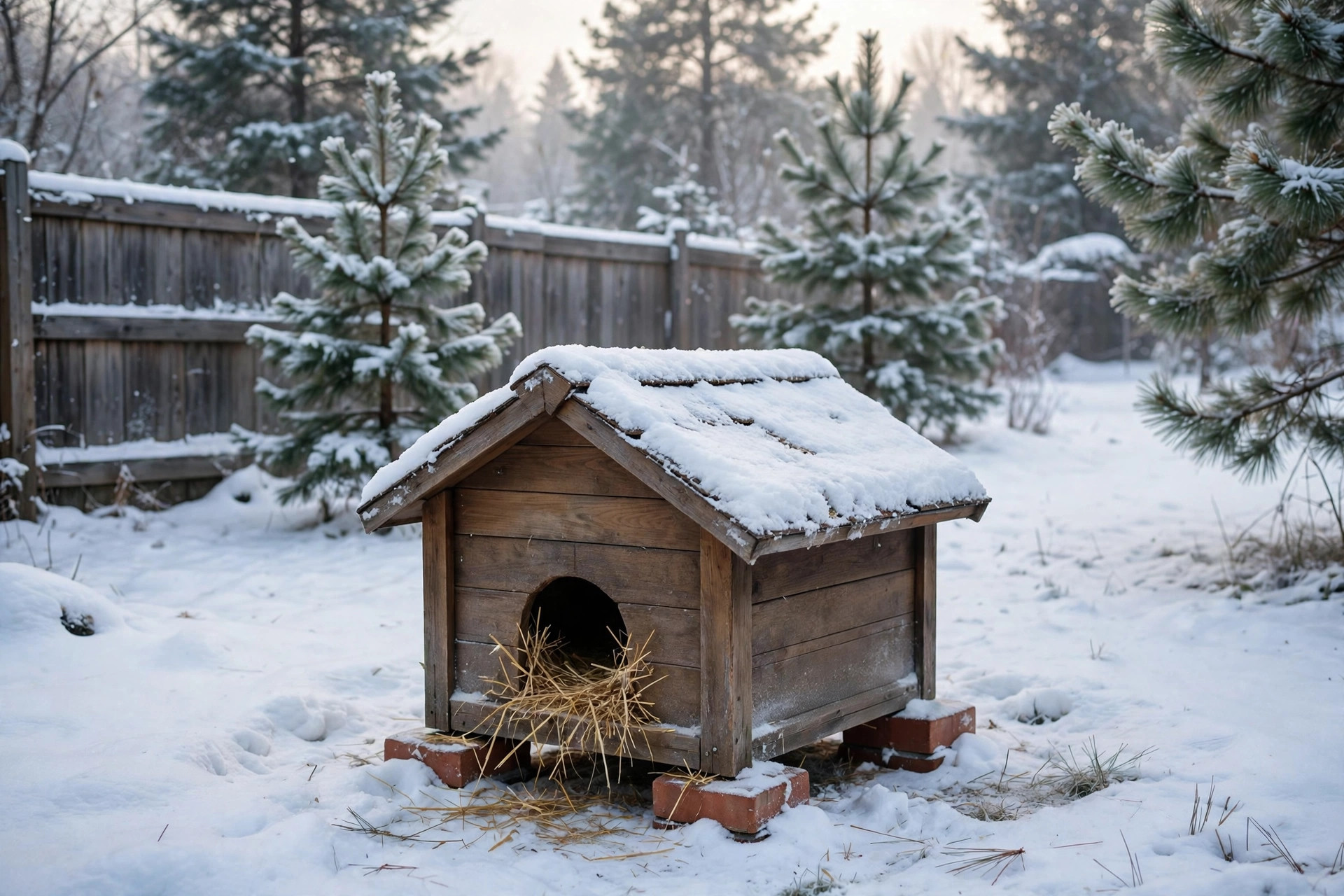

Why an Outdoor Cat House Insulated for Winter Shelter Matters
When the cold months come, many cats stay outside. Some are stray cats. Some are barn cats. Some are pets that like to roam. All of them need a warm place to sleep.
An outdoor cat house insulated for winter shelter gives a cat a dry, warm home. It keeps the wind off the cat. It holds the cat’s own body heat inside. It can save a cat’s life when the air drops below freezing.
Cold weather is hard on cats. A wet coat loses its power to hold heat. A cat that sleeps in the open on a winter night can get frostbite on its ears and paws. It can get sick. An old cat or a thin cat can die in a single hard night.
A good shelter does not need to cost much. It can be a simple box with thick walls. What matters is that it stays dry inside and blocks the wind.
How Winter Shelter Keeps a Cat Warm: Outdoor Cat House Insulated for Winter Shelter
A cat keeps warm in two ways. The first is its fur. The second is trapped air. An insulated house works by trapping air. It slows down heat loss.
Think of a winter coat. A coat does not make heat. It holds the heat your body makes. An outdoor cat house insulated for winter shelter does the same for a cat.
The door is the weak point. A small door helps. A short flap or a tunnel of soft plastic at the door helps more. It lets the cat pass but blocks the wind.
The floor matters too. A house that sits on bare ground pulls heat down into the cold earth. Raising the house a few inches helps. A pallet or bricks under the house break the cold path.
What to Look for When You Choose One
Not every shelter sold as a winter house is good. Look at these points before you buy or build.
Thick walls. Foam walls or double walls with air between them hold heat well. Thin plastic alone does not hold heat.
Small inner space. The sleeping room should be just big enough for one or two cats. A room about two feet by three feet suits most cats.
Small door. The door should be about six inches square. Big doors let wind in. Some houses have two doors. Two doors help a cat escape from a dog or another animal. But each door lets in more cold. In very cold places, one door may be better.
Raised floor. The floor should sit off the ground. If not, you can set the house on bricks or a wooden pallet.
Waterproof roof. The roof should shed rain and snow. A sloped roof is best.
Sturdy build. Winter storms bring heavy snow. The roof must not sag or break under snow.
Easy to clean. You will need to change bedding and clean the house. A lid that lifts off makes this simple.
Types of Insulated Cat Houses
There are three main types. Each has good and bad points.
Foam Box Shelters
These are made from thick foam coolers or foam boards. They are light and cheap. Foam holds heat well. You can make one at home with a large cooler, a knife, and straw.
The weak point is strength. Heavy snow can crush a plain foam box. Dogs can chew it. It works best in a covered spot, like under a porch.
Plastic or Wood Houses
Many stores sell plastic cat houses made for the outdoors. Good ones have double walls. Some wood houses are built for barns and sheds. Wood feels warm and holds up well.
A wood house needs a waterproof cover or paint. Raw wood soaks up rain and rots. A plastic house should be thick and heavy. Thin plastic cracks in the cold.
Heated Cat Houses
Some houses come with a small heated pad. The pad runs on house power. It keeps the bed area above freezing. These suit cats in very cold states. They also suit old or sick cats.
A heated house needs an outlet nearby. The cord must be safe from chewing. Look for pads made just for pets. They warm only to the cat’s body heat, not hotter. You can also buy a heated cat house for outdoor feral cats if your main need is extra warmth for a colony.
How to Build Your Own Insulated Winter Shelter
You can build a strong shelter in one afternoon. Here is a plain plan that many cat groups use.
What you need: – One large plastic storage tub with a lid (about 30 gallons) – One smaller foam cooler or sheets of foam board – Straw (not hay) – A sharp knife or saw – Duct tape
Steps:
1. Cut a door hole in the big tub. Make it about six inches wide and six inches tall. Place it a few inches above the bottom. This keeps bedding from spilling out. 2. Line the inside of the tub with foam. Cover the walls, the floor, and the inside of the lid. 3. Put the smaller cooler inside if it fits. Cut a matching door hole in it. If it does not fit, the foam lining is enough. 4. Fill the floor with straw. Straw resists wet and holds air. Do not use blankets or towels. They soak up wet and freeze. 5. Put the lid on. Tape the seams if wind gets in. 6. Set the tub on bricks or a pallet. Face the door away from the wind. Place it against a wall or fence if you can.
Check the house after storms. Clear snow from the door. Change the straw when it gets flat or wet.
For more ideas on outdoor setups, you can browse guides at Chewy or The Home Depot, where winter pet shelters and supplies are listed.
Cost and Price
Prices vary by type and size. A home-built foam shelter costs about 20 to 40 dollars for the tub, foam, and straw. This is the cheapest way.
Store-bought plastic houses run from 50 to 150 dollars. Good ones with thick walls sit near the top of that range. Wood houses often cost 100 to 200 dollars or more. You can compare shelter options and prices at pet stores such as PetSmart.
Heated houses cost 80 to 250 dollars. They also use power. A small pad may use 20 to 40 watts.
Think about how many winters the house will last. A cheap thin house may crack in one season. A strong house may last five years or more. The cost per winter often favors the stronger house.
Bedding: Straw Beats Blankets
What goes inside the house matters as much as the walls. The best bedding is straw. Straw is the dry, hollow stem left after grain is cut. It does not soak up wet. It holds air and stays warm even when damp.
Do not use hay. Hay is soft feed for animals. It soaks up wet and rots. It can grow mold.
Do not use blankets, towels, or pillows. They feel soft at first. But they soak up wet from the cat’s paws and fur. In freezing air they turn hard as ice. A cat sleeping on a frozen towel loses heat fast.
Check the straw once a month. Push it down and fluff it. Add more when it packs flat. A deep layer of straw, four to six inches, gives the cat a warm nest.
Where to Put the Shelter
Place the house where wind cannot hit it full on. The side of a house, a garage wall, or a thick hedge all help. Face the door away from the main wind. In most parts of the United States, the cold wind comes from the north and west. Face the door south or east.
Keep the house off bare ground. Cold rises from frozen earth. A pallet, bricks, or a wooden platform all work.
Put food and water near the house but not inside it. Food in the shelter draws other animals. Water inside the shelter can spill and freeze the bedding. A best pet water fountain for multiple cats is great indoors, but outdoors in winter a simple heated water bowl stops freezing.
Do not place the house in a low spot where water pools. Pick ground that drains. After heavy snow, clear a path to the door. If you want to give the cat safe room to roam in daylight, pair the shelter with an outdoor cat enclosure for safe garden roaming so the cat can stretch its legs without facing road or dog danger.
Safety Points
Two doors or one. In wild areas, a second door lets a trapped cat flee from a dog, fox, or raccoon. But two doors let in more cold. If your yard is fenced and safe, one door keeps the house warmer. If stray dogs roam, add the second door.
No heat lamps. A heat lamp can burn a cat or start a fire in straw. Use only low-watt pet pads made for animals. For more on outdoor pet safety, see the care library at AKC.
Watch the cords. If you use a heated pad, run the cord where the cat cannot chew it. Metal-wrapped cords are safer. Plug into a ground-fault outlet.
Keep it clean. Old food and dirty straw draw rats and bugs. Clean the house in fall before the cold sets in. Check it through the winter.
Water safety. Cats need water even in winter. Snow is not enough. A heated bowl keeps water liquid. Place it a few feet from the door.
Animal care groups like ASPCA and Alley Cat Allies share more winter care notes for outdoor and community cats.
Care and Upkeep Through the Winter
A shelter needs small care all winter. Check these points each week.
– Door clear. Brush snow and ice from the door. A blocked door can trap a cat or keep it out. – Roof load. After heavy snow, brush snow off the roof. Too much weight can crack foam or thin plastic. – Bedding dry. Push the straw aside and feel the floor. If it is wet, change the straw. – House steady. Wind can tip a light house. Add a brick on top or tie it to a fence if storms move it. – Food and water. In deep cold, wet food freezes fast. Dry food keeps longer.
At the end of winter, take the house apart. Throw out the old straw. Wash the tub or walls with mild soap. Store it for next year. A house that is cleaned and stored lasts much longer.
Feeding Cats in Cold Weather
Cats burn more fuel in winter. An outdoor cat may need more food than in summer. Feed a bit extra when the air stays below freezing. Dry food is best in the cold.
Feed at the same time each day. Cats learn the time and come to eat. Take up wet food after the cat eats so it does not freeze in the bowl. For more on healthy feeding, see the veterinary guides at PetMD.
If you care for a group of stray cats, place the food a short walk from the shelters. This keeps the sleeping area calm and clean.
FAQ
How cold is too cold for a cat outside? Most cats get uneasy below 45 degrees. Below 32 degrees, the risk of harm grows fast. Kittens, old cats, and thin cats suffer first. A good insulated house helps a lot, but in long deep freezes, bring cats inside if you can.
Can two cats share one house? Yes. Two cats warm a small house faster than one. But some cats fight over space. Watch how they act. If they fight, give each cat its own house.
Will a cat use the house? Most cats take to a shelter in a few days. Put a small treat or a pinch of catnip inside at first. Do not force the cat in. Place the house where the cat already sleeps or walks.
Is straw really better than a blanket? Yes. Straw stays dry and holds heat. Blankets soak up wet and freeze. Many cat groups rank straw as the top bedding for winter shelters. Change it when it packs flat.
Should the house have a flap on the door? A flap cuts wind. A stiff flap can scare a shy cat. Try a loose flap of soft plastic or a piece of old carpet. If the cat will not enter, take the flap off and try again later.
How do I keep water from freezing? Use a heated pet bowl. It runs on low power and keeps water just above freezing. Change the water daily. Place the bowl near the shelter but not inside it.
A Short Final Word
An outdoor cat house insulated for winter shelter is a small act with a big effect. It costs little. It takes an afternoon to build. And it can carry a cat safe through the hardest nights of the year.
Whether you buy a house or build one from a tub and foam, the rules stay the same. Keep it small. Keep it dry. Block the wind. Use straw. Check it through the winter. Your cat, or the stray cat that found your yard, will thank you in the quiet way cats do: by sleeping sound and waking well.
For more on outdoor pet care, you can read the pet guides at The Spruce Pets, the care notes at Best Friends, and the animal welfare tips at The Humane Society.
References
Alley Cat Allies. (n.d.). Feral cat care and resources. https://www.alleycat.org American Kennel Club. (n.d.). Dog care and training resources. https://www.akc.org ASPCA. (n.d.). Pet care and animal welfare resources. https://www.aspca.org Best Friends Animal Society. (n.d.). Pet care and adoption resources. https://www.bestfriends.org Chewy. (n.d.). Pet supplies. https://www.chewy.com PetMD. (n.d.). Pet health information. https://www.petmd.com PetSmart. (n.d.). Pet supplies and services. https://www.petsmart.com The Home Depot. (n.d.). Home improvement products. https://www.homedepot.com The Humane Society of the United States. (n.d.). Animal protection and care. https://www.humanesociety.org The Spruce Pets. (n.d.). Pet care guides and product reviews. https://www.thesprucepets.com
Was this guide helpful?

About Michael Thompson
The My Garden US editorial team writes practical, in-depth home and garden guides for American homeowners — tested advice, no fluff.
You May Also Like

Outdoor Dog Water Fountain for Backyard Play
July 16, 2026 0 views
A Large Cat Tree Condo for Multiple Cats: What to Know
March 21, 2026 0 views
A Heated Outdoor Cat House for Multiple Cats: A Complete Guide
April 27, 2026 0 views