
More and more American gardeners are looking at native grass seed USA online deals before they plant. The idea is simple. Instead of thirsty imported lawn grasses, they sow grasses that grew wild on this land for thousands of years. These grasses ask for less water, less fertilizer, and less mowing. They also give food and cover to birds, bees, and butterflies. Buying the seed online can save money, because web stores often list prices and sale offers that local shops cannot match. This guide explains what to look for, what the deals mean, and how to sow native grass seed with good results.
Why Native Grasses Belong in American Yards
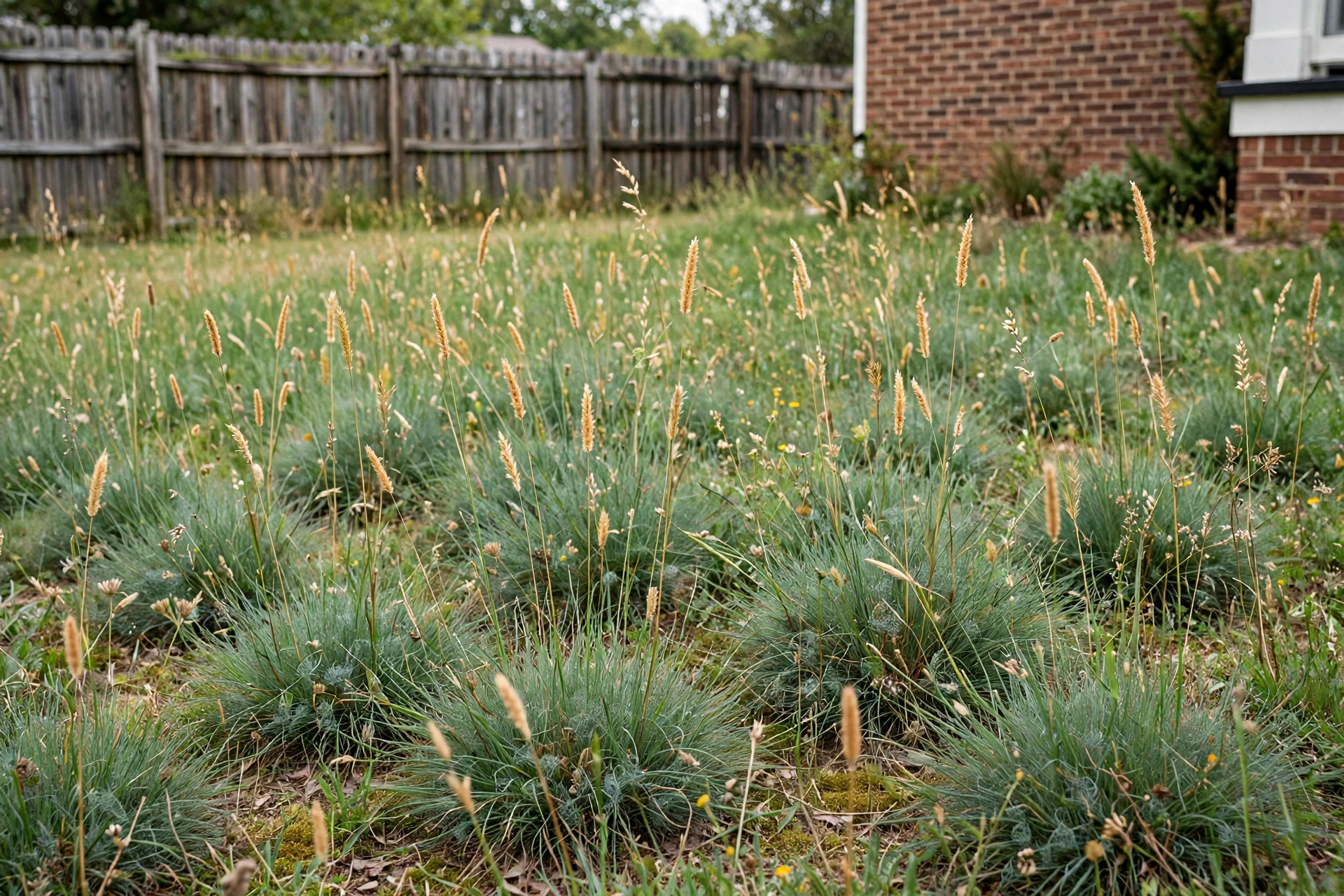
A native grass is one that grew in a region before people began planting lawns there. In the Midwest it may be little bluestem or buffalo grass. In the Southeast it may be broomsedge or sea oats. In the West it may be blue grama or Idaho fescue. Each of these plants fits its home climate. Their roots run deep, sometimes five feet or more into the soil. Deep roots let them live through dry summers without daily watering. Most lawn grasses from Europe have shallow roots and must be watered often.
Native grasses also need less care. They do not want heavy doses of fertilizer. They grow at a steady pace and stay green in the right season. Many gardeners cut them only a few times each year. Some let them grow tall as a meadow and cut them once in late winter. This cuts down on work and on fuel costs.
Wildlife gains as well. The seeds feed sparrows, finches, and quail in fall. The stems give shelter to nesting birds and to helpful insects. In spring the blades are green and fresh. In fall they turn bronze, gold, and rust red.
There is also a money reason. Water bills shrink when the lawn needs little watering. Fertilizer and weed killer costs shrink too. Over ten years, a native grass yard can cost far less than a standard lawn. The savings begin with the seed. A well-chosen online order costs less per pound than seed from a local garden center, and many online seed stores run sales in winter and early spring.
How to Read Native Grass Seed USA Online Deals
Not every deal is a true bargain. Some bags hold old seed that will not grow well. Others mix native species with common lawn grass or with weed seed. A low price per pound means little if half the seed is dead. Learn to read the label before you look at the price.
Seed Labels and Purity
Every bag of seed sold in the United States must carry a label. The label lists the kind and variety of seed, the germination rate, and the test date. It also lists pure seed percentage, other crop seed, inert matter, and weed seed. A germination rate above 80 percent is good for most native grasses. Some native species test lower by nature, and honest sellers note this on the label.
The test date matters most. Seed loses its power to grow as months pass. A bag tested within the last twelve months is fresh. When you read native grass seed USA online deals, ask the seller for the test date if it is not shown. A reputable supplier will post it or send it on request.
Check the weed seed line as well. It should read zero percent. Poor cleaning leaves other seeds in the bag. A clean bag costs more but saves years of weeding.
Species and Region Match
The most common mistake is buying the wrong grass for the region. A warm-season grass like buffalo grass will not thrive in Maine. A cool-season grass like tufted hairgrass will fail in Texas heat. Good online stores list a map or a state list for each species. Read it. Buy only seed rated for your USDA hardiness zone and your rainfall.
Blends deserve care too. A “native meadow mix” may hold ten species. That is fine if all ten suit your region. It is poor value if four of them do not. Read the full list of species in the blend. If you also plan wildflower seed mixes for a meadow, check that the grass and flower lists suit the same region.
Watch for the word “naturalized.” Some sellers use it to mean a plant that now grows wild but came from another land. That is not the same as native. If your aim is a true native planting, look for the word “native” and for a stated seed origin, such as “grown in Nebraska.”
Types of Native Grass Seed to Consider
Native grass seed comes in two main groups. Warm-season grasses grow best when summer days are hot. They green up late in spring and turn brown after frost. Cool-season grasses grow in spring and fall and rest in summer heat. Most states suit one group better than the other.
Popular warm-season choices include buffalo grass, blue grama, little bluestem, and switchgrass. Buffalo grass makes a low, fine lawn that needs little mowing. Blue grama stands a bit taller and shows pretty seed heads shaped like eyelashes. Little bluestem and switchgrass grow three to five feet tall and suit meadows more than lawns. Gardeners who want color might pair grasses with lavender seed packets along the edges, though lavender needs its own dry sunny bed.
Popular cool-season choices include fine fescues, tufted hairgrass, and prairie Junegrass. Fine fescues make a soft lawn in shade where other grasses fail. They are common in the North and in mountain states. Tufted hairgrass makes airy clumps that look fine in beds.
Seed also comes hulled or unhulled. Hulled seed has its outer coat removed, so it takes in water fast and sprouts sooner. Unhulled seed sprouts more slowly but often stores longer. For lawn use, hulled or coated seed is easier. For meadow planting, unhulled seed works well and costs less.
Some sellers coat seed with clay or with helpful fungi called mycorrhizae. The coating makes small seed easier to spread by hand or with a spreader. It also adds weight, so compare prices by pure live seed, not by bag weight. Pure live seed equals purity percent times germination percent. A 50-pound bag at 50 percent pure live seed holds 25 pounds of seed that can grow. Many gardening guides explain this math, and it is the fairest way to compare native grass seed USA online deals.
Cost and Fair Prices
Native grass seed costs more per pound than common lawn seed. Growing, harvesting, and cleaning it takes more work. But you sow it at a lower rate, so the cost per square foot is often close.
As a rough guide in 2026, common native grasses sell online for these prices per pound: buffalo grass 12 to 25 dollars, blue grama 15 to 30 dollars, little bluestem 10 to 20 dollars, fine fescue blends 6 to 14 dollars. Rare species cost more. A five-pound bag of buffalo grass may cover 1,000 square feet of new lawn. A fifty-pound bag suits a large yard.
Online deals appear in clear patterns. Prices drop in late fall when sellers clear stock. Prices rise in spring when demand is high. Buying in larger bags almost always cuts the cost per pound. Some stores offer free shipping over a set amount, which matters because seed is heavy. Others cut the price per pound on orders above ten pounds.
Watch for false savings. A very cheap bag may hold last year’s seed with low germination. A “free shipping” offer may hide the freight cost in a higher price. Always compare the price per pound of pure live seed, including shipping. That single number tells the truth. Seed sellers like Gurney’s and price tools in garden references can help you check what is normal for your state.
Buy only what you will sow this season if you can. Stored seed keeps best in a cool, dry place. A sealed bag in a basement at 50 degrees will hold its strength for a year or more. Heat and dampness kill it fast. Never store seed in a hot garage.
Sowing and First-Year Care
Native grass seed asks for good contact with the soil. The old rule is true: sow seed onto soil, not onto old grass. Kill or remove the old lawn first. You can smother it with black plastic for six weeks, or strip the sod with a rented cutter. Then rake the soil smooth and firm it with a roller or by walking over it.
Sow in the right season. Warm-season grasses go down in late spring when soil is warm, around 65 degrees. Cool-season grasses go down in early fall, six weeks before hard frost. Sow at the rate on the label. More seed is not better. Crowded seedlings fight each other and grow weak.
Cover the seed lightly. A thin rake pass or a light rolling is enough. Then water gently. The top half inch of soil must stay damp until the grass is up, which may take two to four weeks. After that, water less often but deeper. This trains roots to grow down. The first year tries patience. Native grasses build roots before tops, so a new stand may look thin and weedy in its first summer. Mow weeds at four inches so they do not shade the young grass. Do not use weed killer on a new native planting unless the label clearly allows it. By the second year, the stand thickens. By the third year, it should look full.
Fertilizer is rarely needed. A soil test from your state extension service will tell you if the soil lacks some nutrient. Most native grasses want lean soil. Rich soil grows weeds faster than it grows the grass. If you must feed, use half the rate shown on a lawn fertilizer bag.
Gardeners who keep houseplants indoors may also like succulent variety packs for windowsills, but those are a separate hobby from a native grass yard.
Safety
Grass seed itself is safe to handle. Wear gloves and a dust mask when you spread large amounts, because the dust can bother the lungs. Keep bags away from children and pets so they are not torn open and eaten. Some coated seeds carry a pink or blue dye to show the coating. The dye is not food. Store seed where dogs cannot chew the bags.
Check local rules before you plant. A few towns limit how tall front-yard grass may grow. A meadow of little bluestem may break a six-inch grass rule. A low buffalo grass lawn almost never does. If your town has such rules, plant the tall grasses in the back yard and keep a mowed border along the street and walks. Many gardeners also check safety pages when they buy tools and spreaders for the job.
Seed heads can feed birds, but they also drop seed. If you do not want the grass to spread into beds, mow or cut the heads before they ripen. Buffalo grass spreads by runners as well as by seed, so give it a firm edge of steel or stone where the lawn meets beds.
FAQ
How much native grass seed do I need for 1,000 square feet?
It depends on the species. Buffalo grass needs about 3 to 5 pounds per 1,000 square feet. Blue grama needs 2 to 3 pounds. Fine fescue blends need 4 to 6 pounds. Always follow the rate on the seed label, since rates differ between hulled and unhulled seed.
Are native grass seed USA online deals safe to buy?
Yes, when you buy from known sellers. Look for a full seed label, a recent test date, and clear species names. Read buyer reviews. Avoid sellers who will not show the label or who sell only by common names like “meadow grass mix” with no species list.
How long does native grass seed take to grow?
Most kinds sprout in 10 to 21 days in warm, damp soil. The lawn looks thin in the first year. It fills in during the second year and looks its best in the third year. Patience is part of the method.
Can I mix native grass seed with regular lawn seed?
You can, but the regular lawn grass often wins. Fast-growing lawn grasses shade out slow native seedlings. It is better to plant one or the other in each area. If you want both, give each its own bed with a clear edge between them.
Do native grasses stay green in winter?
Warm-season natives turn brown after frost and green up in late spring. Cool-season natives stay green through mild winters and rest in summer heat. Neither type stays bright green all year in most states. Gardeners who want winter color add nursery plants such as evergreen shrubs around the grass areas, and many browse plant collections for ideas on bed design.
Is native grass seed good for shady yards?
Some kinds are. Fine fescues handle shade well. Most warm-season natives need full sun, at least six hours a day. For deep shade under trees, even native grasses fail, and a bed of shade plants is the better choice. A plant reference can help you match species to your light.
A Short Final Word
Native grass seed USA online deals give American gardeners a fair path to a lawn that fits the land. Read the label. Match the species to your region. Compare prices by pure live seed. Sow in the right season and give the young grass time. The reward is a yard that asks for less water, less work, and less money, and that gives more back to birds and bees. That is a trade worth making.
References
Burpee. (n.d.). Seeds, plants, and gardening supplies. https://www.burpee.com Gardening Know How. (n.d.). Gardening guides and plant care. https://www.gardeningknowhow.com Gurney’s Seed & Nursery Co. (n.d.). Seeds, plants, and garden supplies. https://www.gurneys.com National Institute of Food and Agriculture. (n.d.). Agricultural research and extension. https://www.nifa.usda.gov Park Seed. (n.d.). Seeds, plants, and gardening supplies. https://www.parkseed.com Proven Winners. (n.d.). Plants and gardening inspiration. https://www.provenwinners.com The Old Farmer’s Almanac. (n.d.). Gardening calendars and advice. https://www.almanac.com The Spruce. (n.d.). Home and garden advice. https://www.thespruce.com U.S. Consumer Product Safety Commission. (n.d.). Product safety information. https://www.cpsc.gov White Flower Farm. (n.d.). Plants, bulbs, and garden supplies. https://www.whiteflowerfarm.com
Was this guide helpful?

About Robert Taylor
The My Garden US editorial team writes practical, in-depth home and garden guides for American homeowners — tested advice, no fluff.
You May Also Like
How to Grow Basil: A Beginner’s USA Guide
October 6, 2026 2 views
Morning Glory Seeds for Texas Homes: A Complete Growing Guide
May 14, 2026 0 views
Fiddle Leaf Figs USA Online Deals: How to Buy the Best Trees for Less
June 19, 2026 0 views