
Table of Contents
Table of Contents
Photo: Wikimedia Commons
Introduction
When it comes to how to grow ground cherries, getting the details right makes all the difference.

Many homeowners find that how to grow ground cherries is easier than they expected once they know the basics.
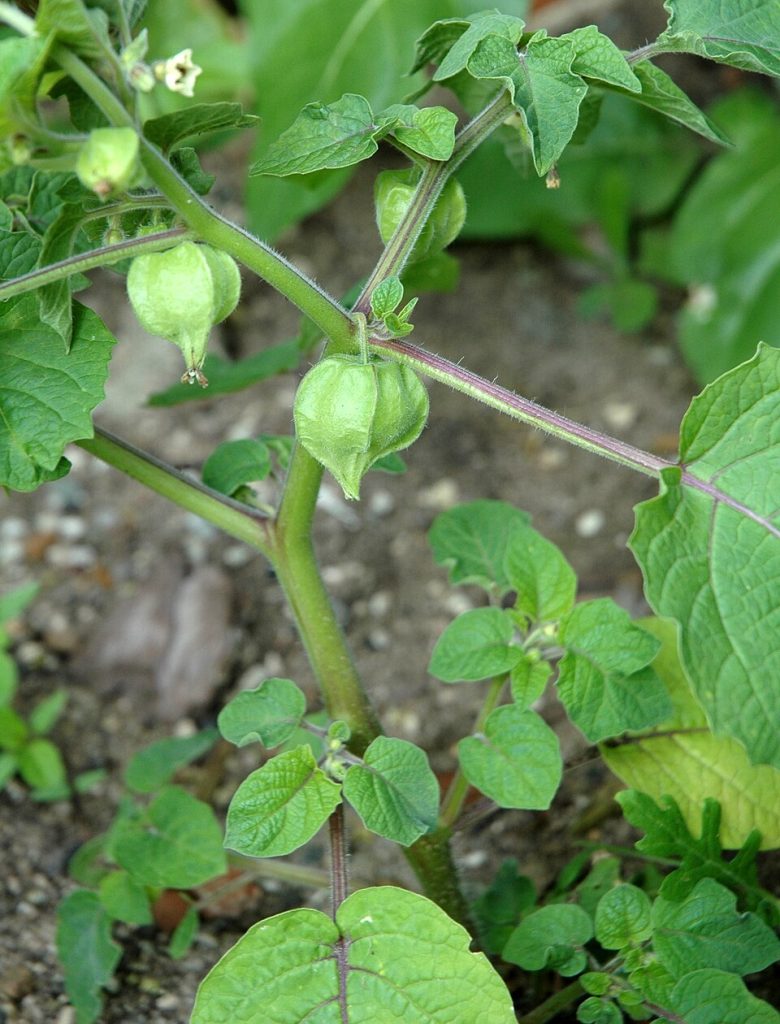
Ground cherries taste like a secret. Inside each papery husk hides a small golden berry with a sweet, pineapple-like flavor that surprises everyone who tries it for the first time. They are easy to grow, generous, and a favorite with children who love hunting for the fallen fruits. This guide covers how to grow ground cherries from seed to harvest, with timing based on your frost dates and USDA zones 2 to 11, so you can plan with confidence.
Here are the basics: it is hardy in USDA zones 2 to 11, which covers most of the country. It wants full sun and grows best in well-drained, average soil. Space plants about 24 inches apart, and expect about 65 to 75 days from sowing to harvest. Once settled in, it handles dry spells without complaint.
In this guide you will find variety pointers, planting times by frost date, soil and water needs, season-long care, harvest tips, and fixes for common problems. Gardeners grow it for sweet golden fruits for fresh eating, jam, and pies.
One honest note before you start: this plant rewards steady, ordinary care more than fancy products. Good timing, decent soil, and regular water will take you further than any bottle on the garden-center shelf. Keep it simple and ground cherry will do the rest.
Choosing a Variety
Many homeowners find that how to grow ground cherries is easier than they expected once they know the basics.
The key to how to grow ground cherries is choosing the right approach for your space and budget.
Most seed is sold as ground cherry or husk tomato, usually Physalis pruinosa. 'Aunt Molly's' is the classic variety with a rich, sweet flavor. Pineapple ground cherry types run a little smaller and sweeter. Any of them grows the same way, so pick whichever your seed house carries.
Starting seeds indoors is the reliable route, since it gives young plants a safe head start before they face the weather.
Two things matter most on the label: days to maturity and disease resistance. Pick a type that finishes comfortably inside your growing season, and favor resistant strains if you have battled plant diseases before. Beyond that, choose for flavor and size, not for fancy names. For variety details and photos, browse your state extension service.
When and How to Plant
The key to how to grow ground cherries is choosing the right approach for your space and budget.
With a little planning, how to grow ground cherries can fit even a busy schedule.
Start seeds indoors six weeks after your last spring frost; transplant seedlings outdoors two weeks after your last spring frost. Your county office can confirm local frost dates - ask Clemson Cooperative Extension - and our planting calendar turns them into a sowing schedule.
Ground cherries sprawl widely, so start seeds indoors 6 to 8 weeks early or direct sow a quarter inch deep, spacing plants 2 feet apart in full sun and average soil. Rich soil grows giant plants with fewer fruits, so go easy on fertilizer. Straw mulch keeps the falling fruits clean.
Starting Seeds Indoors
Use small pots or cell trays filled with damp seed-starting mix. Sow, cover lightly, and keep the mix moist but not soggy. A warm spot speeds germination; a sunny windowsill or a simple shop light works fine. Harden seedlings off for a week before they move outside.
1. Time it by frost. Work out your last spring frost date first, then count back or forward the weeks given above. Warm soil wakes seeds up fast; cold soil just sits there.
2. Prepare the bed. Clear weeds, loosen the soil, and work in compost. Rake it level so water does not pool.
3. Sow or plant. Place seed a quarter of an inch deep, spacing plants about 24 inches apart. Firm the soil gently so seed meets soil.
4. Water in well. Soak the bed after planting, then keep it evenly moist until seedlings are up and growing.
5. Thin or space. If seedlings crowd, thin to the final spacing. Crowded plants compete and stay small.
6. Label and mulch. Mark the row so you do not hoe it by accident, and mulch once plants are a few inches tall.
Get the timing and spacing right and the plants largely take care of themselves from here. Most failures trace back to sowing too early or too deep, so honor the frost dates and the depth. Compare notes with the Old Farmer's Almanac website if you want a second opinion.
Soil and Sun
With a little planning, how to grow ground cherries can fit even a busy schedule.
Before you start, it helps to understand how how to grow ground cherries works in real homes.
Light is the first decision. Full sun is the requirement, so choose an open bed and avoid the shadow of fences, walls, and trees. Plants starved of light grow leggy, flower poorly, and invite disease.
Aim for well-drained, average soil. Work the bed a spade deep, pull out stones and roots, and blend in compost until the soil feels soft and crumbly. Raised beds are a fine answer where native soil is heavy or thin.
Mulch after planting to hold moisture and keep soil temperatures steady. Two to three inches of straw, shredded leaves, or bark does the job. Keep mulch a finger's width away from stems so air can move. For the botanical details on this species, USDA's PLANTS database lists its native range and needs, and the USDA National Agricultural Library carries plain-language soil guidance.
Watering and Feeding
Before you start, it helps to understand how how to grow ground cherries works in real homes.
A good plan for how to grow ground cherries saves time, money, and frustration.
Its water needs are moderate; tolerates some drought. A deep soaking once or twice a week beats a light sprinkle every day in most soils. Mulch stretches each watering further by slowing evaporation.
This is not a heavy feeder. Compost worked in at planting plus a mid-season top-dressing carries it through. Skip the high-nitrogen fertilizers unless a soil test says you need them - too much nitrogen grows leaves, not harvest. Watering and feeding checklists from the University of Florida's gardening site are worth bookmarking.
Care Through the Season
A good plan for how to grow ground cherries saves time, money, and frustration.
For most people, how to grow ground cherries comes down to a few smart choices.
Water moderately; established plants tolerate some drought. Flea beetles chew tiny holes in young leaves and cutworms can fell seedlings, so protect transplants with collars. Weed well early on, since the sprawling canopy eventually shades out competition itself.
> Grower's tip: Fruits drop to the ground when ripe inside their husks; gather them regularly and let them finish ripening off the plant.
Stay ahead of weeds from the start. Young plants compete poorly, so keep the bed clean until the foliage closes over. Mulch helps, but nothing replaces a quick weekly pass with a hoe.
Gardeners who grow ground cherry often grow Tomatillo, Tomato, Eggplant in the same bed or nearby - they share similar needs and the harvests complement each other.
Keep notes. Jot down sowing dates, what worked, and what failed. Next season that notebook is worth more than any gardening book. For pest ID photos and seasonal task lists, see the plant guides at Gardenia.net.
Harvest
For most people, how to grow ground cherries comes down to a few smart choices.
If you are new to how to grow ground cherries, start with the simplest option and build from there.
Fruits are ripe when the papery husk turns tan and dry and the berry drops or comes away easily. They keep for weeks stored in their husks in a cool spot. Pro tip: taste-test before gathering armfuls, since ripe ground cherries should be sweet and pineapple-like, not tart and green.
Harvest in the cool of the morning when flavors and textures are at their peak. Handle the crop gently - bruises shorten storage life fast. Taste as you go; the garden is the best teacher of when something is truly ready.
Store the harvest properly and it pays you for weeks. Cool, dark, and airy suits most crops; the exact setup depends on what you grew. Storage and curing charts at your local cooperative extension office are worth printing out.
Common Mistakes to Avoid
If you are new to how to grow ground cherries, start with the simplest option and build from there.
When it comes to how to grow ground cherries, getting the details right makes all the difference.
Here are the mistakes that trip up beginners with this crop. None of them is hard to avoid once you know what to watch for.
- Planting at the wrong time. Frost dates are not suggestions. Seed sown into cold soil rots or sits, and seedlings set out too early stall for weeks. Count your weeks from the last spring frost and trust the math.
- Sowing too deep. Small seed buried too far never emerges. Sow a quarter of an inch deep - barely covering tiny seed is usually right - and press it into firm contact with moist soil.
- Crowding the plants. It is tempting to squeeze in extra, but 24-inch spacing exists for a reason. Crowded plants compete for light and water, stay small, and catch disease faster.
- Watering wrong. Both extremes hurt: soggy soil rots roots and invites disease, while drought stress at the wrong moment ruins the harvest. moderate; tolerates some drought is the target - learn what that feels like in your soil.
- Skipping the mulch. Bare soil dries fast, heats up, and sprouts weeds. A few inches of mulch after planting prevents all three problems at once.
Troubleshooting
When it comes to how to grow ground cherries, getting the details right makes all the difference.
Many homeowners find that how to grow ground cherries is easier than they expected once they know the basics.
First, an honest limit: Frost-tender annual; plants die with the first freeze, so it is always started after the last frost. Knowing where a plant will not thrive saves more disappointment than any trick.
Common Pests
The pest list here is short: aphids on tender tips, slugs in wet weather, and the odd caterpillar. Inspect leaf undersides weekly. Row covers exclude most chewing pests without a drop of spray, and removing infested leaves early keeps small problems small.
Common Problems
Poor germination almost always traces to old seed, cold soil, or sowing too deep. Leggy seedlings mean too little light. If growth stalls mid-season, side-dress with compost and check that mulch has not piled against the stems. Rotate crops so the same family does not follow itself in the same bed.
When in doubt, take a sample to the cooperative extension service or browse the diagnostic photos at the Missouri Botanical Garden - a correct ID beats a guess every time.
References
Many homeowners find that how to grow ground cherries is easier than they expected once they know the basics.
University of Minnesota Extension. (n.d.). Growing vegetables and herbs in home gardens. https://extension.umn.edu/
Old Farmer's Almanac. (n.d.). Planting calendar. https://www.almanac.com/planting-calendar
Clemson University Cooperative Extension. (n.d.). Home and garden information. https://clemson.edu/extension/
Old Farmer's Almanac. (n.d.). Gardening advice and planting guides. https://www.almanac.com/
U.S. Department of Agriculture. (n.d.). PLANTS database. https://plants.usda.gov/home
Was this guide helpful?

About My Garden US
The My Garden US editorial team writes practical, in-depth home and garden guides for American homeowners — tested advice, no fluff.
You May Also Like
Native Grass Seed Buying Guide USA: A Plain Guide for Homeowners
June 23, 2026 20 views
Lavender Seed Packets Deals Near Me: A Guide to Finding Them
July 12, 2026 16 views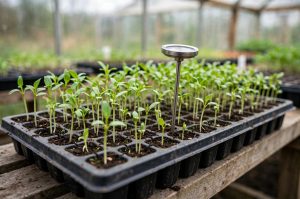
Seed Germination Temperature Guide for Common Vegetables
October 26, 2026 18 views