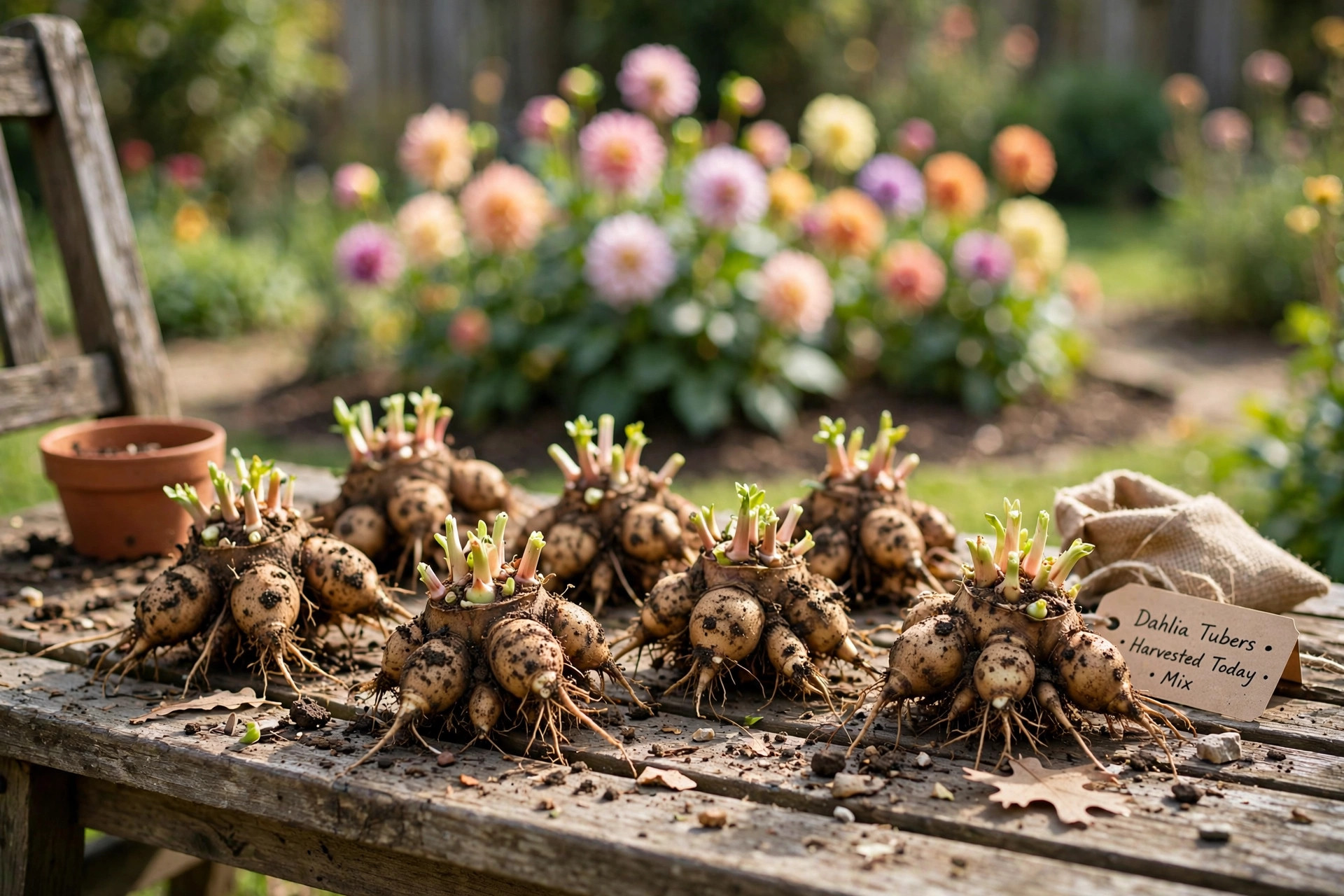
A garden full of dahlias is one of the great sights of summer. The flowers come in nearly every color, and they bloom from July until the first hard frost. When you want a lot of them, searching for dahlia bulbs bulk deals near me is the smart move. Buying in quantity cuts the cost per tuber by a wide margin, and it lets you plant the kind of bold beds that single packets never give you.
This guide explains where to find these deals, what to check before you pay, and how to care for a large planting. Every sentence is written in plain terms. You do not need to be an expert to follow it.
Why Bulk Buying Makes Sense
Dahlias are heavy feeders of space and money when you buy them one by one. A single tuber at a garden center often costs three to five dollars. That adds up fast when your plan calls for fifty or a hundred plants. Bulk deals drop the per-tuber price to a dollar or two, sometimes less during clearance sales.
There is another reason to buy in bulk. Dahlias look best in groups. A single plant is pleasant. Ten plants of one variety make a statement. Twenty plants in mixed colors turn an ordinary yard into a place people slow down to look at. Bulk deals let you buy enough to plant in drifts and rows, the way professional landscapers do it.
One more point matters. A single tuber will multiply by fall. Most plants produce three to eight new tubers in one season. If you start with fifty, you may lift two or three hundred in October. Those divisions become next year’s planting stock or gifts for friends. Many gardeners who start with a bulk buying guide for dahlias end up trading tubers within two seasons.
Where to Find Dahlia Bulbs Bulk Deals Near Me
Local Garden Centers and Nurseries
Start your search close to home. Independent garden centers often sell bagged dahlia tubers in lots of ten, twenty-five, or fifty. They buy from large growers and pass the savings on. Ask the staff when their spring shipments arrive. The best selection is usually in March and April, long before planting time in most states.
Local nurseries also carry regional knowledge. A grower in your county knows which varieties handle your heat, your rain, and your soil. That advice is worth real money. Suppliers such as White Flower Farm also run catalogs, but a local counter lets you inspect tubers with your own hands before you pay.
Big-Box Stores and Warehouse Clubs
Home centers and discount clubs stock dahlia bags every spring. The bags usually hold five to ten tubers of mixed colors. Prices are hard to beat. The trade-off is selection. You often cannot choose named varieties. The bag may say only “mixed dinnerplate” or “assorted bright colors.”
That is fine for a casual bed, but serious growers want known varieties. If you care about color control, read the bag carefully. Some stores list the included varieties in small print. Gardening writers at The Spruce note that bagged bulbs from large retailers are a fair deal as long as the tubers inside feel firm.
Mail-Order Suppliers
Many of the best bulk deals come from mail-order growers. Companies that sell dahlia bulbs in bulk across the USA list quantities from twenty-five to five hundred tubers. Because they ship to every state, their prices compete with any local store.
Names like Park Seed and Burpee have sold flower bulbs for generations. They offer named varieties, clear photos, and written guarantees. Shipping is timed to your planting zone. This is a real advantage over local stock that may arrive too early for your climate.
Dahlia Societies and Farm Sales
Almost every state has a dahlia society. These groups hold spring tuber sales where members sell extra stock at low prices. The deals are excellent, and the sellers know their plants. You can ask how each variety performed in local soil.
Small flower farms sell bulk tubers too, often in fall or early spring. They advertise on local farm listings and social media. Prices run lower than retail because you buy direct from the field. The National Institute of Food and Agriculture supports research that helps these small growers improve their stock each year.
What to Look for in Bulk Dahlia Tubers
Firmness and Shape
A healthy dahlia tuber feels firm, like a potato. It should have a short neck with at least one eye, which is the small bud that becomes the stem. Avoid tubers that are soft, shriveled, or moldy. A few broken tails are normal and do no harm.
When you open a bulk bag, sort the tubers at once. Set aside any that feel mushy. If a large share of the bag is bad, take it back. Reputable sellers replace or refund damaged stock. Inspectors at stores like Monrovia grade their plants before shipping, but even the best lots can hide a weak tuber or two.
Named Varieties Versus Mixes
Named varieties cost more, but you know exactly what you get. “Kelvin Floodlight,” “Cafe au Lait,” and “Thomas Edison” are names that mean the same flower everywhere. This matters if you grow for events, markets, or a strict color plan.
Mixed bags cost less and give you a surprise bed. Many beginners start with mixes and then order named varieties the next year, once they see which colors they like. Growers writing for Gardening Know How suggest that a mix is the cheapest way to test dahlias in a new garden.
Quantity Math
Do not buy more than you can plant well. Fifty tubers need roughly one hundred square feet of bed space, spaced twelve to eighteen inches apart. A hundred tubers need a bed about ten feet by twenty feet. Measure your space before you order.
Also consider lifting time. Every tuber you plant in spring must be dug up in fall if your winter drops below about twenty degrees. Fifty plants make a full afternoon of digging. One hundred make a full weekend. Plan for it.
Types of Dahlias Worth Buying in Bulk
Dahlias come in many forms. These are the groups most often sold in bulk deals.
Dinnerplate dahlias grow flowers eight to twelve inches across. They are the showiest type and the most popular for cutting gardens. They need staking because the blooms are heavy.
Decorative dahlias have full, layered petals in medium sizes. They are the classic florist flower and hold up well in vases.
Cactus and semi-cactus dahlias have rolled, pointed petals that give a spiky look. They stand out in mixed beds.
Pompon and ball dahlias make round, tight flowers two to four inches wide. They last long on the plant and in arrangements.
Single and collarette dahlias have open centers that bees and butterflies love. They are excellent for pollinator gardens.
A good bulk order mixes types for different uses. Put dinnerplates along the back of the bed for height, and pompons along the front edge. Advice columns in The Old Farmer’s Almanac have long recommended this layered planting for season-long color.
Cost and Price Guide
Bulk dahlia prices move with the season. Here is what to expect in most American markets.
– Bagged mixes at stores: ten tubers for eight to fifteen dollars. – Bulk lots of twenty-five named tubers: thirty to seventy-five dollars from mail-order growers. – Lots of one hundred tubers: one hundred to two hundred dollars, depending on variety. – Clearance sales in May: discounts of thirty to fifty percent as stores clear spring stock. – Dahlia society sales: often fifty cents to two dollars per tuber for excellent local stock.
Shipping adds cost to mail orders. A box of fifty tubers may add twelve to twenty dollars in freight. Even so, the total often beats local prices for named varieties. Wholesale growers such as Proven Winners set quality standards that keep the whole market honest, which helps buyers at every level.
The cheapest tubers are not always the best deal. A firm tuber with a clear eye grows. A soft, eyeless tuber does not. Ten dollars wasted on dead stock is worse than twenty dollars well spent on living stock.
Planting, Care, and Upkeep
Planting Time
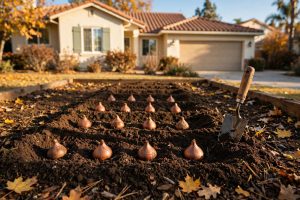
Plant dahlia tubers after the last frost, when the soil reaches about sixty degrees. In the South, that may be March. In the North, it may be late May. Plant four to six inches deep, with the eye facing up. Water once after planting, then wait. Do not water again until sprouts appear, or the tuber may rot.
Sun and Soil
Dahlias want full sun, at least six hours a day. They grow best in rich, loose soil that drains well. Heavy clay holds too much water and rots tubers. Mix compost into the planting bed to lighten it. A soil test from your county extension office costs little and tells you exactly what your ground needs.
Feeding and Watering
Feed dahlias monthly with a low-nitrogen fertilizer. Too much nitrogen grows leaves at the cost of flowers. Water deeply once or twice a week in dry weather. Mulch with two inches of straw or shredded bark to hold moisture and cool the roots.
Staking and Pinching
Tall varieties need stakes. Drive a sturdy stake at planting time, before the tuber sprouts, so you do not spear it later. Tie the stem loosely as it grows.
Pinch the center stem when the plant is about twelve inches tall. This makes it branch into more stems, which means more flowers. It feels wrong to cut a young plant, but the reward is a bushier plant with twice the blooms.
Fall Lifting and Storage
After the first hard frost blackens the foliage, cut the stems to six inches. Wait a week, then dig the clumps with a fork. Shake off the soil and let them dry for a day in a cool, shaded place.
Store tubers in boxes of peat moss, vermiculite, or wood shavings. Keep them at forty to fifty degrees, in a basement or garage that does not freeze. Check monthly and toss any that turn soft. Label every variety. By spring you will have forgotten which is which.
Safety Notes for the Home Garden
Dahlia tubers and plants are generally safe to handle, but a few cautions apply. Some people get skin irritation from dahlia sap. Wear gloves if your skin is sensitive.
Keep fertilizer and pest-control products locked away from children and pets. Dahlias attract slugs, and slug baits are poisonous if eaten. Use traps or barriers instead of poison where children or dogs play. The tubers themselves can upset a dog’s stomach if chewed in quantity, so store them out of reach.
If you buy from a local source that sells tulip bulbs for fall planting alongside dahlias, note that many spring bulbs are more toxic than dahlias. Store all bulbs with clear labels so nothing gets mixed up.
Frequently Asked Questions
When is the best time to look for dahlia bulbs bulk deals near me? Late winter through early spring brings the widest selection. Local stores stock up in March and April. The deepest discounts appear in May, when retailers clear leftover stock. Dahlia society sales usually happen in March or April.
How many tubers come in a typical bulk deal? Most retail bulk bags hold ten to fifty tubers. Mail-order growers sell lots of twenty-five, fifty, one hundred, or more. Farm-direct deals can run into the hundreds. Choose a quantity that fits your bed space and your fall digging plans.
Are cheap bagged dahlias worth buying? Often yes, if the tubers are firm. Bagged mixes are the lowest-cost way to fill a large bed with color. You give up control over variety names. Inspect the bag in the store. If most tubers feel firm and show eyes, it is a fair deal.
Can I store bulk tubers if I cannot plant them all at once? For a short time, yes. Keep them cool, dark, and dry for up to a few weeks. Do not store them in plastic bags, which trap moisture. If planting is delayed by months, pot the tubers in damp potting mix and hold them in a bright, cool room until the weather allows.
Do dahlias come back every year on their own? Only in warm zones, roughly zone eight and warmer. In colder zones, the tubers will freeze and die if left in the ground. You must dig and store them each fall. Many gardeners in cold states treat dahlias as annuals and buy fresh bulk stock each spring.
What is the difference between dahlia bulbs and dahlia tubers? Sellers use the word “bulb” loosely. True dahlias grow from tubers, which are swollen roots with eyes. The planting and care are the same whatever the label says. When a deal advertises dahlia bulbs in bulk, it means dahlia tubers in bulk.
A Final Word
A bulk deal on dahlia tubers is one of the best values in the flower garden. For the price of a few restaurant meals, you can plant a bed that blooms for months. Search your local stores first, compare with mail-order growers, and check your area’s dahlia society. Buy firm tubers, plant them after frost, and lift them before winter. Do that, and the search for dahlia bulbs bulk deals near me will pay you back in flowers all summer long.
References
Burpee. (n.d.). Seeds, plants, and gardening supplies. https://www.burpee.com Gardening Know How. (n.d.). Gardening guides and plant care. https://www.gardeningknowhow.com Monrovia. (n.d.). Plants for home gardens. https://www.monrovia.com National Institute of Food and Agriculture. (n.d.). Agricultural research and extension. https://www.nifa.usda.gov Park Seed. (n.d.). Seeds, plants, and gardening supplies. https://www.parkseed.com Proven Winners. (n.d.). Plants and gardening inspiration. https://www.provenwinners.com The Old Farmer’s Almanac. (n.d.). Gardening calendars and advice. https://www.almanac.com The Spruce. (n.d.). Home and garden advice. https://www.thespruce.com White Flower Farm. (n.d.). Plants, bulbs, and garden supplies. https://www.whiteflowerfarm.com
Was this guide helpful?

About James Carter
The My Garden US editorial team writes practical, in-depth home and garden guides for American homeowners — tested advice, no fluff.