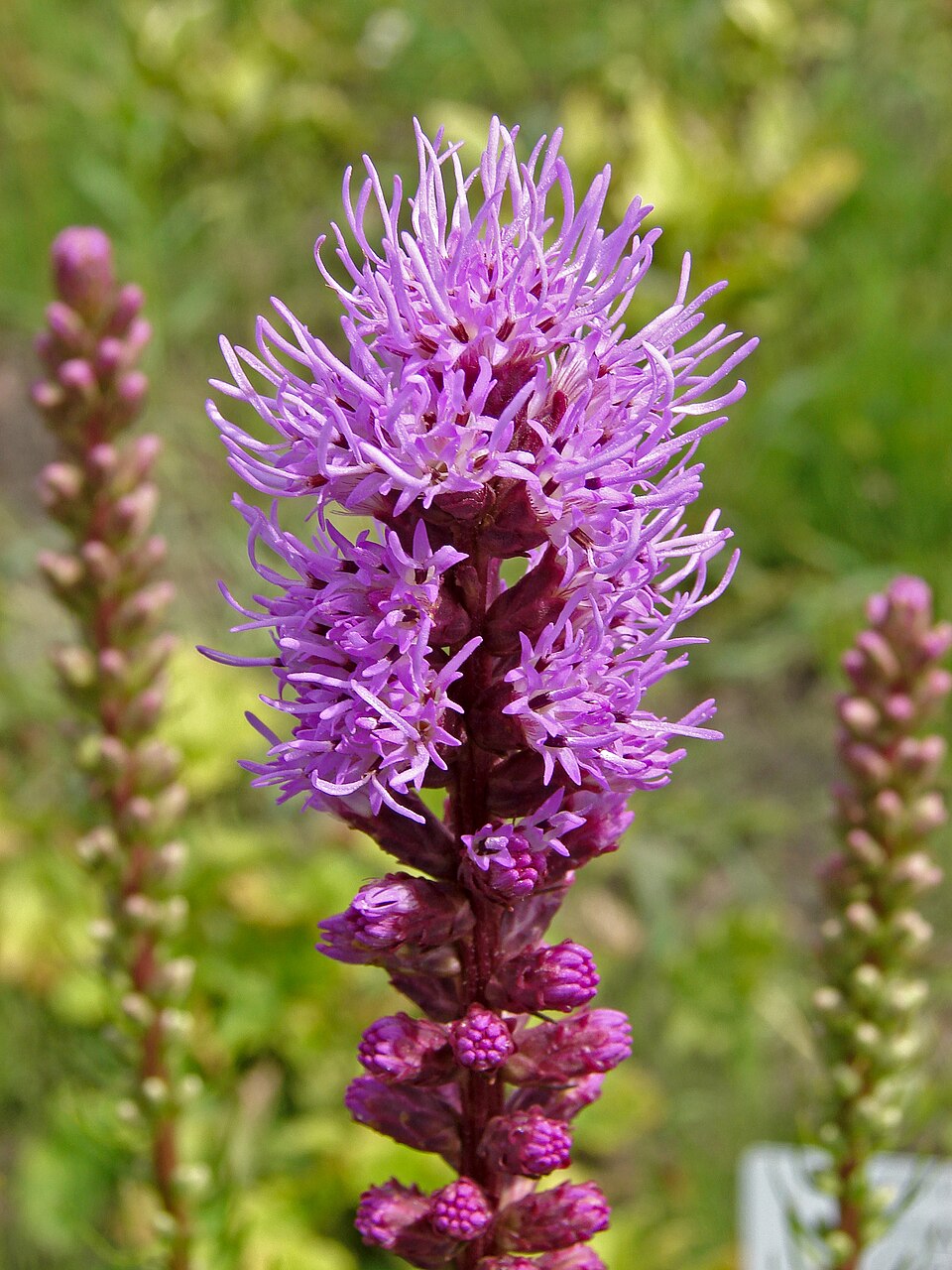
Blazing star does something no other flower spike does: it blooms from the top down. While every other spire opens bottom-first, Liatris starts at the tip and works its way down, creating an effect gardeners notice immediately. Add butterfly-magnet flowers, total drought tolerance, and a love of poor soil, and you have one of the easiest native perennials to grow. Learning how to grow blazing star mostly means giving it drainage and then leaving it alone.
Table of Contents
Table of Contents

Photo: Wikimedia Commons
Blazing star (Liatris spicata) suits zones 3 through 9 and demands full sun and well-drained soil - the number one killer is winter wetness rotting the corms. It needs a cold, dryish winter and fails in frost-free climates. Time your planting with the USDA zone planting dates on our planting calendar.
Choosing a Variety
When it comes to how to grow blazing star, getting the details right makes all the difference.

Many homeowners find that how to grow blazing star is easier than they expected once they know the basics.
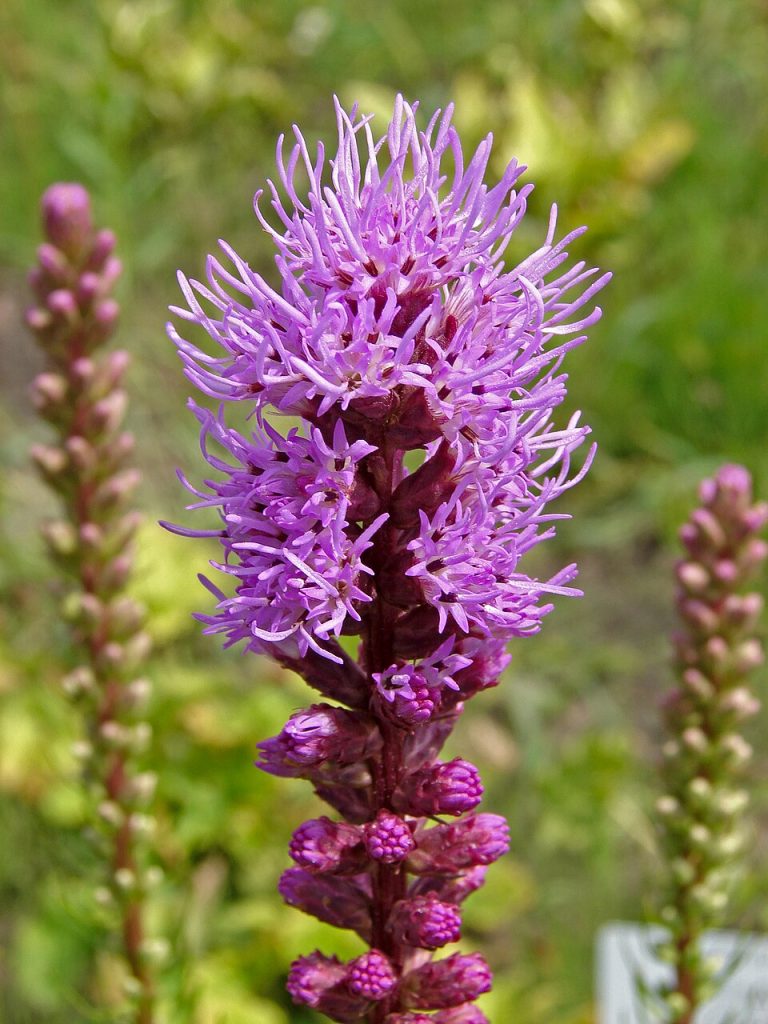
The species is excellent, but named selections refine it. 'Kobold' (sometimes sold as 'Kobold Original') is the classic compact form - dense purple spikes on 2-foot plants that rarely need staking. 'Floristan White' offers the same habit in clean white, beautiful mixed with the purple types. 'Callilepis' grows taller with especially long flower spikes for cutting. For a meadow or prairie-style planting, the straight species sown from seed gives a natural, varied look at low cost.
Buy corms in spring from a bulb supplier, or potted plants from a nursery. Corms give much faster results than seed - first-year plants from seed often stay small, with bloom improving in year two and hitting full stride in year three. If you want flowers this summer, buy corms or plants; if you are planning a big drift on a budget, sow seed and be patient. Gardenia.net compares Liatris cultivars with bloom photos. Blazing star looks best in groups - plant corms a foot apart in drifts of seven or more for real impact, the same massing principle that makes coneflower plantings sing.
When and How to Plant
Many homeowners find that how to grow blazing star is easier than they expected once they know the basics.
The key to how to grow blazing star is choosing the right approach for your space and budget.
Plant corms in spring, two to four inches deep and about a foot apart, with the knobby growing points facing up. If you cannot tell which end is up, plant them sideways - the shoots figure it out. Water once after planting, then leave them; spring rain usually suffices. You can also plant in fall in well-drained soil, but spring is safer where winters are wet.
For seed, sow outdoors in fall (the seed needs a cold period) or stratify in the refrigerator for a month before spring sowing. Surface sow or cover very lightly - a quarter inch of soil is plenty. Seedlings are slow and grass-like at first; mark the spot so you do not weed them out. Potted nursery plants can go in any time the ground is workable, spaced 12 to 15 inches apart. The Old Farmer's Almanac includes blazing star among reliable perennials for sunny, well-drained sites.
Corm Planting Cheat Sheet
- Plant in spring, 2–4 inches deep, 12 inches apart.
- Sandy or gritty soil is ideal; never plant in a soggy spot.
- Water once at planting, then back off.
- From seed: sow in fall or cold-stratify; expect blooms in year 2–3.
Soil and Sun
The key to how to grow blazing star is choosing the right approach for your space and budget.
With a little planning, how to grow blazing star can fit even a busy schedule.
Full sun - six to eight hours minimum - for the sturdiest stems and heaviest bloom. Average, well-drained soil is perfect; sandy or gritty soil is ideal. Blazing star tolerates poor, dry, even gravelly ground where fussier perennials fail, and it is one of the best perennials for hot, sunny banks and hellstrips.
Drainage is everything. Corms rot in soggy winter soil, so avoid low spots, heavy clay that stays wet, and areas where downspouts dump water. If your soil is heavy, plant on a mound or in a raised bed with gritty soil. A neutral to slightly acidic pH suits it, but blazing star is not fussy about pH - it cares about drainage the way penstemon does, and for the same reason: wet winter crowns mean dead plants. The USDA PLANTS Database maps blazing star's native range and habitat.
Watering and Feeding
With a little planning, how to grow blazing star can fit even a busy schedule.
Before you start, it helps to understand how how to grow blazing star works in real homes.
Water during the first season to establish the corms, then back off - established plants are deeply drought tolerant and resent soggy soil far more than dry soil. In a normal summer, rainfall is enough; water only in severe drought, and even then sparingly. Overwatering is the main way gardeners kill blazing star.
Never fertilize. This is a strict rule, not a suggestion - fertilizer causes weak, floppy stems that collapse just as the flowers open. Blazing star evolved in lean prairie soils and blooms best when grown hard. If your plants flop every year, excess fertility (or excess water) is almost certainly the cause, not a need for staking.
Care Through the Season
Before you start, it helps to understand how how to grow blazing star works in real homes.
A good plan for how to grow blazing star saves time, money, and frustration.
Leave the foliage standing over winter and cut it down in early spring - the dead stems protect the crown and feed birds, since goldfinches work the seed heads. In spring, clear the old growth just as new shoots emerge, taking care not to damage the growing points.
The corms multiply slowly into handsome clumps - divide only when crowded, every four to five years, in spring just as growth starts. Replant the healthiest corms immediately at the same depth. Few pests bother blazing star; occasionally stem borers or leaf spots appear, but healthy plants in sunny, well-drained spots rarely suffer.
Deadheading is optional. If you cut spent spikes, side buds sometimes produce a smaller second flush; if you leave them, the seed heads feed birds and self-sow modestly. Most gardeners deadhead the front of the border for tidiness and leave the back for wildlife - a good compromise that serves both masters. Whichever you choose, always leave the final fall spikes standing: the seed heads are valuable winter bird food, and cutting everything down in fall removes both food and shelter.
The Butterfly Effect
Blazing star is a butterfly magnet second to none. Plant it near a seating area and you will watch monarchs, swallowtails, and skippers work the spikes all summer - the tubular florets are perfectly shaped for butterfly tongues, and the nectar is rich. In late summer, when little else is blooming, a drift of blazing star can be the busiest spot in the garden. Pair it with butterfly weed and bee balm for a pollinator border that hums from early summer through frost.
Harvest and Enjoyment
A good plan for how to grow blazing star saves time, money, and frustration.
For most people, how to grow blazing star comes down to a few smart choices.
Cut flower spikes when the top florets open for striking vertical arrangements - the unusual top-down bloom means the spike looks good for an unusually long time, since new florets keep opening below the faded ones. Cut in the morning, strip the lower leaves, and expect a week or more of vase life. The spikes also dry well: hang them upside down in a dark, airy spot for everlasting arrangements.
In the garden, the vertical spikes contrast beautifully with mounded plants like coreopsis and catmint - the classic thriller-filler contrast that makes borders look designed rather than accidental. For a naturalistic drift, interplant with ornamental grasses: the fine grass foliage sets off the bold purple spikes, and both thrive in the same lean, sunny, well-drained conditions with almost no care. Clemson HGIC suggests native-plant combinations for sunny borders. White 'Floristan White' glows at dusk and pairs well with evening garden plantings.
Troubleshooting
For most people, how to grow blazing star comes down to a few smart choices.
If you are new to how to grow blazing star, start with the simplest option and build from there.
Corms rotted and never sprouted. Planted too deep in wet soil, or the bed stays soggy in winter. Replant in spring in sharply drained soil, shallower, on a mound if needed.
Stems flop over. Too much water or fertilizer, or too little sun. Grow lean, water sparingly, give full sun, and choose compact 'Kobold' next time.
No flowers the first year from seed. Normal - seed-grown plants bloom in year two or three. Corms and nursery plants bloom the first season.
Flower spikes are short and sparse. Too much shade, or corms are overcrowded. Move to full sun, or divide congested clumps in spring.
Leaves turn brown from the bottom up. Usually just summer drought stress on lower leaves - harmless. If the whole plant wilts in wet soil, suspect corm rot.
Plants disappeared in a frost-free climate. Blazing star needs a cold, dryish winter; it fails in frost-free zone 10 and warmer and in wet lowlands. This is a plant for gardeners with real winters.
Rabbits ate the new shoots. Young spring growth is tender and tempting. Protect emerging shoots with a simple wire cage until they are a foot tall and less appealing; established plants are rarely bothered.
For zones 3 through 9 with sun and drainage, learning how to grow blazing star gives you one of the toughest, most wildlife-friendly perennials available - months of unusual top-down bloom, clouds of butterflies, and winter seed heads for the birds, all from a corm you plant and then largely ignore for years. Give it sun, keep it dry in winter, and never feed it.
References
If you are new to how to grow blazing star, start with the simplest option and build from there.
When it comes to how to grow blazing star, getting the details right makes all the difference.
Lady Bird Johnson Wildflower Center. (n.d.). Liatris spicata. https://www.wildflower.org/plants/
Missouri Botanical Garden. (n.d.). Liatris spicata. https://www.missouribotanicalgarden.org/
University of Minnesota Extension. (n.d.). Growing perennials in home gardens. University of Minnesota. https://extension.umn.edu/
Gardenia.net. (n.d.). Liatris spicata (Blazing Star). https://www.gardenia.net/
USDA PLANTS Database. (n.d.). Liatris spicata. U.S. Department of Agriculture. https://plants.usda.gov/home
When it comes to how to grow blazing star, getting the details right makes all the difference.
Was this guide helpful?

About My Garden US
The My Garden US editorial team writes practical, in-depth home and garden guides for American homeowners — tested advice, no fluff.