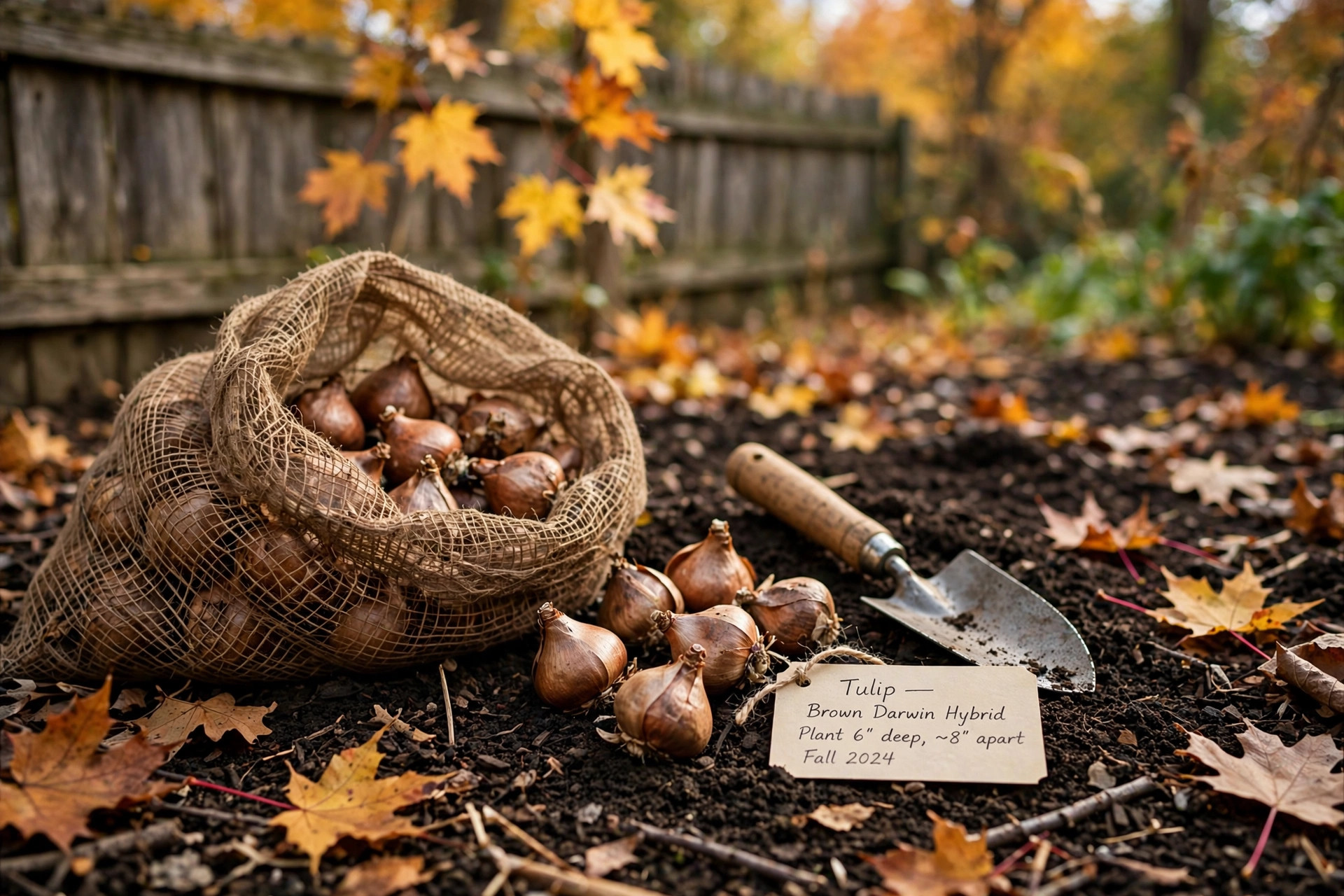

Fall is the right season to think about spring. If you are searching for tulip bulbs fall deals near me, you are already on the right path. Tulips must go into the ground in autumn, well before the soil freezes. The weeks between September and November bring the best prices of the year. Garden centers, hardware stores, and farm suppliers clear out their fall bulb stock. Online sellers do the same. This article explains how to find those deals close to home, how to judge bulb quality, what to pay, and how to plant so the flowers come up strong in spring.
Why Fall Is the Season for Tulip Bulbs
Tulips are spring flowers, but they are fall bulbs. The bulb needs cold weather to rest. Without a cold rest of ten to fourteen weeks, the bloom will be weak or will not come at all. That is why planting happens in autumn.
When you shop for tulip bulbs in fall, the choice is widest. Shelves are full. New shipments have just arrived. As October moves into November, stores begin to cut prices. The last bags on the shelf often sell at half price. For the patient buyer, the last weeks of the season hold the deepest discounts.
There is one warning with late deals. A bulb is a living thing. It dries out the longer it sits. A bag bought at a steep late-season discount may hold some weak bulbs. Check each bulb before you buy. Firm and heavy is good. Soft, light, or moldy is not. A little patience at the store saves real work later.
Local stores have one more edge over far-away sellers. They stock types that grow well in your area. A garden center a few miles from your home knows your soil and your winters. The staff can tell you which types come back year after year and which ones are best treated as one-season color.
How to Choose Good Tulip Bulbs: Tulip Bulbs Fall Deals near Me
The size of the bulb matters. Bigger bulbs hold more food for the flower. They make taller stems and larger blooms. Most bags print the bulb size in centimeters. A twelve-centimeter bulb is large and dependable. Smaller bulbs still grow, but the show is thinner.
Feel the bulb through the bag. It should be firm, like a small onion. The outer skin, called the tunic, should be dry and papery. Skip any bulb that feels hollow, mushy, or spongy. Also skip bulbs with blue or green mold dust. A small nick is fine. A deep cut or a sour smell is not.
Look for the planting date and the variety name on the label. Good sellers print both. The label should also say how many bulbs are in the bag and give the color and height. If you want a neat border, pick one variety in one color. If you want a wild mix, bags of mixed colors cost less and still look fine.
Think about your ground. Tulips want soil that drains. They rot in standing water. If your yard holds water after rain, plan to mix sand or compost into the bed. Raised beds work well too. The bulb itself does not care where it came from, as long as it goes into soil that is not soggy.
For a wider look at how to judge fall stock, the tulip bulbs fall buying guide walks through sizes, grades, and labels in more detail. Many shoppers also compare tulip bulbs for sale in fall listings to see which colors are still in stock late in the season.
Types of Tulips Worth Looking For
Tulips come in more than a hundred types. A few groups are easy to find and easy to grow.
Single early tulips bloom first, in late March or April. They are short and neat. They handle wind well. Good for the front of a bed.
Darwin hybrid tulips are the tall classic red and yellow types. They make big flowers on strong stems. They are some of the most reliable for coming back a second year.
Triumph tulips bloom in mid-spring in almost every color. They are a safe pick for beginners.
Parrot tulips have frilled and twisted petals. They look wild and bright. They cost a bit more but make a strong display.
Species tulips are small wild types. They spread on their own over the years. Plant them in rock gardens or under trees.
When you are hunting deals, ask the store which types sold out early and which are left over. The leftovers are not worse flowers. They are often the tall Darwin hybrids and Triumph types that sellers ordered in huge numbers. Those are exactly the bulbs that come back best.
Where to Find Deals Close to You
Start with the stores you can reach by car. Big home and garden centers run fall bulb sales from September through October. Coupons in the Sunday paper or the store app often take an extra ten or twenty percent off. Local nurseries may match or beat those prices, and their advice is worth something too.
Hardware stores carry bulbs as well. Their stock turns over fast, which is good for freshness. Farm supply stores in country areas sell bulbs in bulk bags at low prices.
Farmers markets sometimes have a plant table in fall. The bulbs there are often grown nearby. Prices can be low, and the seller knows the ground in your area.
Ask about price cuts for large bags. Many stores price bags of ten, twenty-five, fifty, or one hundred bulbs. The price per bulb drops as the bag grows. A hundred-bulb bag may cost half as much per bulb as the small ten-bulb bag.
Check the garden section again in late October and November. Marked-down bags are common. Just inspect each bag well before you pay, as noted above.
Online ordering is another option. Many plant and bulb sellers ship fall bulbs through October. Some run clearance sales in late fall. Shipping costs add up, so compare the full price with local deals before you order.
Cost and Price Guide
Tulip bulb prices move with the season and the type. Here are plain numbers for the fall of the year.
A bag of ten common tulips at a big store often costs four to eight dollars in early fall. That is forty to eighty cents per bulb. On clearance late in the season, the same bag may drop to two or three dollars.
Bulk bags of fifty or one hundred bulbs usually run fifteen to forty dollars, depending on the type. That works out to thirty to fifty cents per bulb. Farm supply stores and warehouse clubs tend to have the lowest bulk prices.
Fancy types cost more. Parrot tulips and fringed types can run one to two dollars per bulb, even in bags. Species tulips often sell in bags of twenty-five at modest prices.
Do not forget the soil extras. A bag of compost costs five to ten dollars. Bone meal or bulb food costs six to twelve dollars and covers many bulbs. These add a few cents per bulb to the total cost.
Set a budget before you shop. Write down how many bulbs your bed needs. A ten-by-four-foot bed takes about forty to sixty bulbs for a full look. Knowing your number keeps you from buying too many when the prices drop.
For readers who want to compare more fall flower options, daffodil bulb packs for fall planting pair well with tulips and often go on sale at the same stores.
How and When to Plant
Plant tulips when the soil is cool but not yet frozen. In most of the country, that means October or November. A simple test: plant after the first light frost, but before the ground is hard. The soil should be about fifty degrees or cooler.
Dig each hole three times as deep as the bulb is tall. For most tulips, that is six to eight inches deep. Space the bulbs four to six inches apart. Drop the bulb in with the pointed end up. The flat side goes down, where the roots grow.
Cover with soil and press gently. Water once after planting if the soil is dry. That is often all the water they need until spring.
For a natural look, scatter the bulbs over the bed and plant them where they fall. For a neat row, line them up with a string. Both ways work. The scatter method looks more like a wild garden. The row method looks tidy.
Add two or three inches of mulch over the bed after planting. Shredded leaves, straw, or bark all work. Mulch keeps the soil temperature steady and stops weeds.
If squirrels dig up your bulbs, lay chicken wire flat over the bed after planting. The shoots grow through the wire in spring. You can lift the wire off once the plants are up. Some gardeners also press a little gravel into each hole, which animals dislike.
Care and Upkeep
Tulips ask for very little after planting. Here is the plain routine.
Fall: Plant and mulch. Water once if dry. Then leave them alone. Cold does the rest of the work.
Spring: When shoots come up, water if the spring is dry. A balanced fertilizer at shoot time helps, but it is not a must. Watch for deer, which love tulip buds. A fence or a spray repellent keeps them off.
After bloom: Let the leaves stay until they turn yellow and fall over. This takes about six weeks. The leaves feed the bulb for next year. Cutting green leaves shortens the life of the bulb. You may cut the dead flower head off to keep the plant tidy, but leave the stalk and leaves alone.
Summer: Do nothing. The bulb rests underground. Avoid heavy watering of the bed in summer. Dry rest is what tulips want.
Many gardeners treat tulips as one-year flowers and plant fresh bulbs each fall. That is a fair plan if you want a perfect show every spring. Darwin hybrids and species tulips are the best bets for those who want the bulbs to come back on their own.
Safety Notes
Tulip bulbs are not food. Every part of the tulip, but most of all the bulb, can upset the stomach if eaten. Keep bags of bulbs away from small children and pets. Wash your hands after handling bulbs.
Some people get skin redness from handling large numbers of bulbs. Gardeners call it tulip finger. Wear gloves if you are planting a hundred or more. The redness fades in a day or two.
Dogs that dig may find and chew bulbs. If a pet eats several bulbs, call your vet. It is better to plant behind a low fence or in beds the dog does not reach. A quick check of pet-safety guidance for garden plants is worth a look before planting season.
Bone meal and bulb fertilizers should also be stored out of reach of pets and children. They smell like food to animals but are not safe to eat in quantity.
FAQ
When is the best time to buy tulip bulbs in fall? September brings the best choice. October brings the first price cuts. Late October and November bring the deepest discounts, but the stock is picked over. Buy early for choice, buy late for price.
How many tulip bulbs do I need? For a full look, plan on ten to fifteen bulbs per square foot. A small bed of twenty square feet needs about two hundred to three hundred bulbs. Start with one bag of fifty and see how far it goes.
Can I plant tulip bulbs in pots? Yes. Use a pot at least twelve inches deep with drainage holes. Plant the bulbs close, almost touching, for a full pot. Keep the pot in a cold spot, like an unheated garage, until shoots appear. Water lightly.
Do tulips come back every year? Some do. Darwin hybrids and species tulips return most reliably. Many other types fade after one or two years. For a sure show, many gardeners plant fresh bulbs each fall when prices are low.
What is the cheapest way to buy tulip bulbs? Buy bulk bags of fifty or one hundred at a farm supply store or warehouse club. Shop clearance sales in late fall. Split a large bag with a neighbor to share the savings.
Can I plant tulips if the ground is almost frozen? If you can still get a spade into the ground, you can plant. Work fast and mulch thickly. Bulbs planted late often still bloom, just a little later in spring.
A Short Final Word
Searching for tulip bulbs fall deals near me is one of the smartest garden moves of the year. The deals are real, the timing is right, and the work is simple. Buy firm, healthy bulbs. Plant them deep in soil that drains. Mulch and walk away. Come spring, the color will be your reward. Keep notes on what you planted and where the best prices were, so next fall you can shop even smarter.
For more background, see Proven Winners, Gardening Know How, and The Old Farmer’s Almanac. For more background, see The Spruce, National Institute of Food and Agriculture, and Park Seed. See Gurney’s Seed & Nursery Co for more detail.
References
Burpee. (n.d.). Seeds, plants, and gardening supplies. https://www.burpee.com Gardening Know How. (n.d.). Gardening guides and plant care. https://www.gardeningknowhow.com Gurney’s Seed & Nursery Co. (n.d.). Seeds, plants, and garden supplies. https://www.gurneys.com National Institute of Food and Agriculture. (n.d.). Agricultural research and extension. https://www.nifa.usda.gov Park Seed. (n.d.). Seeds, plants, and gardening supplies. https://www.parkseed.com Proven Winners. (n.d.). Plants and gardening inspiration. https://www.provenwinners.com The Old Farmer’s Almanac. (n.d.). Gardening calendars and advice. https://www.almanac.com The Spruce. (n.d.). Home and garden advice. https://www.thespruce.com
Was this guide helpful?

About Robert Taylor
The My Garden US editorial team writes practical, in-depth home and garden guides for American homeowners — tested advice, no fluff.
You May Also Like
Fiddle Leaf Figs USA Online Deals: How to Buy the Best Trees for Less
June 19, 2026 0 views
Daffodil Bulb Packs for Texas Homes USA: A Plain Guide
August 27, 2026 0 views
Air Plants Bulk Texas Homes USA: A Plain Guide to Buying and Keeping Tillandsia
July 22, 2026 0 views