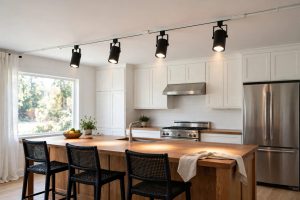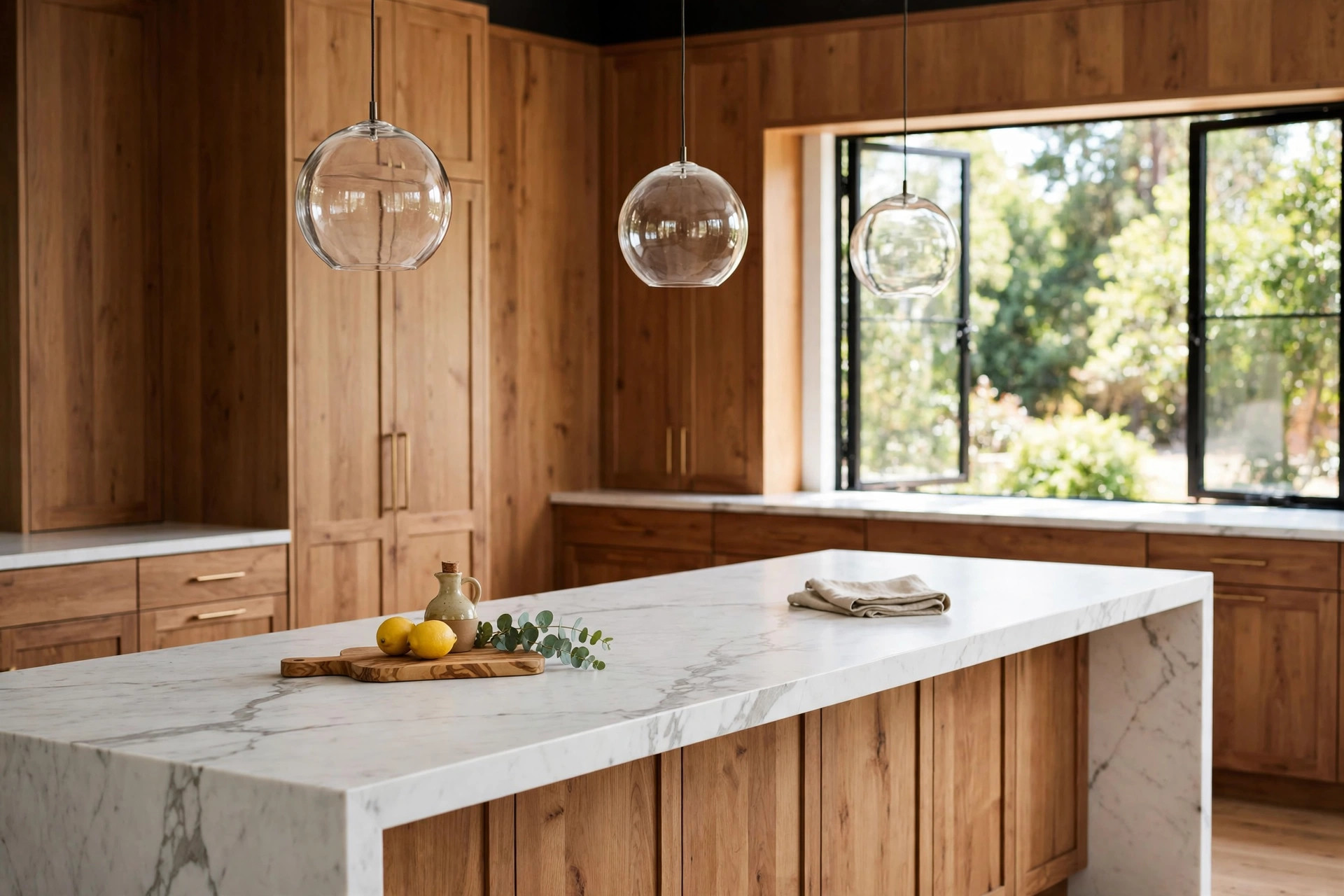

Few changes lift a kitchen the way pendant lights can. A row of pendants over the island gives the room its center. It sets the mood for morning coffee and evening work. It also does real work, putting bright task light where food is cut and plates are set. That is why kitchen island pendants USA online deals draw so much interest. The bargains are real, but so are the poor choices. This guide walks through the styles, the sizing rules, and the prices, with tips for a smart buy.
Why Pendant Lights Over the Island Matter
The island is the busiest counter in most American kitchens. It is where children do homework, where guests stand with a glass, and where the cook moves through the steps of a meal. Overhead recessed lights wash the whole room. Pendants focus light on the island itself. That focus matters. Sharp knives and hot pans need clear, even light. Shadows make the work harder and less safe.
Looks count too. A kitchen without pendants can feel flat, even when the cabinets and counters are new. Three matching pendants give the eye a rhythm. A single large pendant can give the room a bold focal point. Design writers at The Spruce note that pendant lighting often serves as the jewelry of the kitchen. Small fixtures change how the whole room reads.
Energy use is a third reason. Many pendants now ship with LED bulbs or accept screw-in LED bulbs. The federal Energy Star program lists lighting facts and savings tips for shoppers who want lower bills, and its guides at Energy Star explain how efficient fixtures cut costs over time. A pendant that burns eight hours a day will still use little power if the bulb is LED. That makes kitchen island pendants USA online deals attractive twice over: once at the register, and again on the power bill.
What to Look for When You Shop Online: Kitchen Island Pendants Usa Online Deals
Buying lighting from a screen has limits. You cannot touch the finish. You cannot stand under the light. So read the listing with care. Start with the dimensions. Most product pages list the fixture’s width, height, and the length of the cord or rod. Measure your island first. Write the numbers down. Then compare. A pendant that looks small in a studio photo may fill your whole kitchen when it arrives.
Next, check how the light hangs. Some pendants hang from a cord. Some hang from a rod. Rods give a cleaner look and keep the fixture steady. Cords suit high ceilings and sloped ceilings. Many listings let you trim the cord or add rod sections. Look for that detail before you buy.
The shade material shapes both the light and the cleaning work. Glass shades throw light in all directions and show dust. Metal shades push light down onto the counter, which suits task work. For most islands, glass or metal works best.
Finish matters more than many buyers think. Brushed nickel, matte black, and aged brass remain the most common finishes in American kitchens. Match the pendant finish to the faucet or the cabinet hardware. Big-box retailers such as The Home Depot and Lowe’s let shoppers filter fixtures by finish, which makes the matching work easier.
Bulb type is next. Many pendants now use built-in LED arrays. Other pendants take standard bulbs, such as E26 medium-base LED bulbs. Lamp makers such as Philips sell long-life LED bulbs in warm tones that suit kitchens. If you like to change brightness or color temperature, choose a fixture that takes replaceable bulbs. Look for the word “dimmable” on both the fixture and the bulb. A pendant that cannot dim can feel harsh at night.
Finally, read the return policy. Lighting is one of the most returned home items. Buy from a store that gives you at least 30 days to return it. Marketplaces such as Wayfair and IKEA publish clear return terms on their sites.
Common Types and Styles
Pendant styles fall into a few clear groups. Knowing the groups helps you read deal listings faster.
Mini pendants are the most common over kitchen islands. They measure about six to ten inches wide. They work best in groups of two or three over a long island. A row of mini pendants gives even light and a neat look. Many of the lowest-priced kitchen island pendants USA online deals are mini pendants. They are simple to hang and easy to swap later.
Globe pendants use a round glass shade. They throw soft, even light in all directions and suit modern and farmhouse kitchens alike. Clear globes show the bulb; frosted globes soften glare.
Drum pendants have a wide cylinder shade, often in fabric or linen. They give a soft, formal glow. In a kitchen, drums collect cooking grease faster than glass or metal, so keep them over the dining side rather than the cooktop.
Industrial pendants use metal dome shades, often in black, copper, or steel. They push light straight down. That makes them strong task lights. They fit modern, rustic, and loft-style kitchens. Many deal listings feature industrial styles because the simple metal shade costs less to make.
Lantern pendants frame the light in an open cage, like an old coach lamp. They read as farmhouse or coastal. They give less direct light because the frame blocks some of it. Pair them with good under-cabinet lighting if you cook in dim light.
Multi-light pendants hang two or three shades from one canopy. They suit short islands where one electrical box must serve the whole counter. One canopy means one wiring point, which can save on electrician costs.
Specialty lighting stores such as Lumens and Lamps Plus carry designer versions of these styles. When you compare a deal price to a designer price, check that the shade size and bulb type match. A cheap copy may use a thinner shade or a non-dimmable socket.
Sizing Rules That Keep the Room Balanced
Bad sizing is the most common mistake with island pendants. Two rules solve most cases.
First, hang the bottom of the shade about 30 to 36 inches above the counter top. Lower than 30 inches, and the shades block the view across the island. Guests will duck. Higher than 36 inches, and the light drifts away from the work surface. If your ceiling is very high, add six inches for each extra foot of ceiling above eight feet. Many listings include a hanging diagram. Follow it.
Second, space the pendants evenly. For an island that seats four, three mini pendants spaced about 24 to 30 inches apart work well. Leave at least six inches between the outer pendant and the end of the island. A single large pendant should cover about one third of the island’s length.
The shade diameter matters too. Small shades of six inches suit narrow islands. Wide drums of 18 inches or more suit wide islands with open space around them. A wide shade over a narrow island will crowd the room.
If your kitchen layout is unusual, regional guides can help. Readers looking for kitchen island pendants for Texas homes often face tall ceilings and long islands, while those browsing pendants suited to California homes often work with open plans and bright daylight. A broader guide to pendant lighting in American homes covers the same sizing math in more settings.
Cost and Price: What Online Deals Really Mean
Prices for kitchen island pendants span a wide range. A single basic mini pendant can cost under 30 dollars. A set of three designer glass pendants can cost over 900 dollars. Most shoppers land between 60 and 250 dollars per fixture for a decent metal or glass pendant.
Online deals usually mean one of three things. First, a store may clear last season’s styles. These are real savings, often 20 to 40 percent off. Second, a store may sell its own house brand at a low price all year. These are fair prices, but they are not really sales. Third, a marketplace seller may cut the price by using thin metal, weak wiring, or poor finish. These deals can cost more in the long run if the fixture fails or looks cheap.
To judge a deal, compare the price per fixture, not the price per listing. A “set of three” at 150 dollars costs 50 dollars each. A single pendant at 70 dollars may be the better fixture. Also check what is included. Some listings include the bulb. Some do not. An LED bulb adds five to fifteen dollars of value.
Shipping and returns shape the real price. Heavy glass pendants can carry high freight costs from small sellers. A deal with free returns can be worth more than a cheaper deal with no returns. Read the fine print on restocking fees. A 20 percent restocking fee on a 300-dollar pendant is 60 dollars lost if you send it back.
Watch for fake list prices. Some sites show a “was” price that the item never sold at. The U.S. Department of Energy and consumer guides suggest buyers focus on the fixture’s quality marks instead of the discount percent. A pendant without a safety mark is not a deal. It is a risk.
Care and Upkeep
Pendants are easy to care for if you build a simple routine. Dust the shades once a month. Grease builds up fast near a cooktop, so wipe glass shades with a damp cloth and mild dish soap. Dry them right away to stop water spots. Metal shades can be wiped with a soft dry cloth. Do not use harsh cleaners on brushed or oiled finishes. They strip the coating.
Check the bulbs twice a year. LED bulbs dim slowly over years. You may not notice the drop. If the island feels darker than it used to, change the bulbs. If the fixture has a built-in LED array, note the rated life in hours. A fixture rated for 25,000 hours will last about 17 years at four hours a day.
Tighten the mounting hardware once a year. Heat and small vibrations can loosen the screws that hold the canopy to the ceiling box. A loose canopy lets the pendant sway. It can also strain the wiring. Turn the power off at the breaker before you touch any hardware.
For fabric shades, use a lint roller or a vacuum with a soft brush. Do not wet them. If a fabric shade yellows from cooking grease, replace it. Replacement shades are often sold for popular fixture lines.
Safety Basics
Lighting deals should never cut corners on safety. Only buy fixtures that carry a UL or ETL mark. This matters most for pendants, which hang over food and people. A cheap fixture with thin wire can overheat. A poorly made socket can arc. The listing should show the safety mark in the specifications or in a photo of the label.
Hire an electrician for new wiring. Swapping one pendant for another on an existing box is a simple job for a careful homeowner who turns off the breaker. Adding a new box, moving a box, or adding a dimmer switch calls for a licensed electrician. The cost is often 150 to 400 dollars per fixture location, depending on the market and the ceiling type.
Match the bulb wattage to the socket rating. If the socket says 60 watts maximum, never put in a bulb above that rating. LED bulbs make this easy. A 10-watt LED can give as much light as a 60-watt old bulb while staying far below the limit.
Keep pendants clear of water. Do not hang standard pendants over a sink without a damp rating. Check the listing for “damp location” if the pendant will hang near the sink or range.
If you buy from a foreign marketplace seller, check the voltage. Stick to sellers who list American safety marks and 120-volt ratings.
Frequently Asked Questions
How many pendants do I need over my kitchen island?
For most islands between five and seven feet long, three mini pendants work well. For islands under four feet, two pendants or one wide fixture is enough. For islands over eight feet, consider four pendants or a long linear fixture.
What height should kitchen island pendants hang at?
Hang the bottom of the shade 30 to 36 inches above the counter. This is the standard range used by lighting designers and builders. Add a few inches if your ceiling is above nine feet.
Are online pendant deals as good as store prices?
Often yes. Online stores carry lower overhead, and they run frequent sales. But the best deal is not always the lowest price. Compare the shade material, the safety marks, the bulb type, and the return policy.
Should I choose built-in LED or replaceable bulbs?
Replaceable bulbs give more control. You can change brightness, color tone, and style. Built-in LED fixtures run cooler and last longer, but you must replace the whole fixture when the array fails. For a kitchen you plan to keep for many years, replaceable bulbs are the safer choice.
Can I install island pendants myself?
You can swap a pendant on an existing ceiling box if you are comfortable turning off the breaker and following the wiring colors. Do not add new boxes or new circuits yourself. Hire a licensed electrician for that work.
A Short Final Word
The right pendants do quiet work every day. They light the cutting board, warm the evening room, and give the kitchen a finished look. Measure first. Read the full listing. Check the safety marks. Buy from a store with fair returns.
References
ENERGY STAR. (n.d.). Energy efficient products. https://www.energystar.gov IKEA. (n.d.). Home furnishings. https://www.ikea.com Lamps Plus. (n.d.). Lighting and home decor. https://www.lampsplus.com Lowe’s. (n.d.). Home improvement products. https://www.lowes.com Lumens. (n.d.). Lighting and ceiling fans. https://www.lumens.com Philips. (n.d.). Lighting products. https://www.philips.com The Home Depot. (n.d.). Home improvement products. https://www.homedepot.com The Spruce. (n.d.). Home and garden advice. https://www.thespruce.com U.S. Department of Energy. (n.d.). Energy efficiency and renewable energy. https://www.energy.gov Wayfair. (n.d.). Furniture and home goods. https://www.wayfair.com
Was this guide helpful?

About James Carter
The My Garden US editorial team writes practical, in-depth home and garden guides for American homeowners — tested advice, no fluff.
You May Also Like
Patio String Lights for Sale in the USA: A Complete Buyer’s Guide
January 25, 2026 0 views
Indoor Wall Sconces Deals Near Me: How to Find Good Value Close to Home
April 17, 2026 0 views
Motion Flood Lights USA Online Deals: A Buyer’s Guide
April 25, 2026 0 views