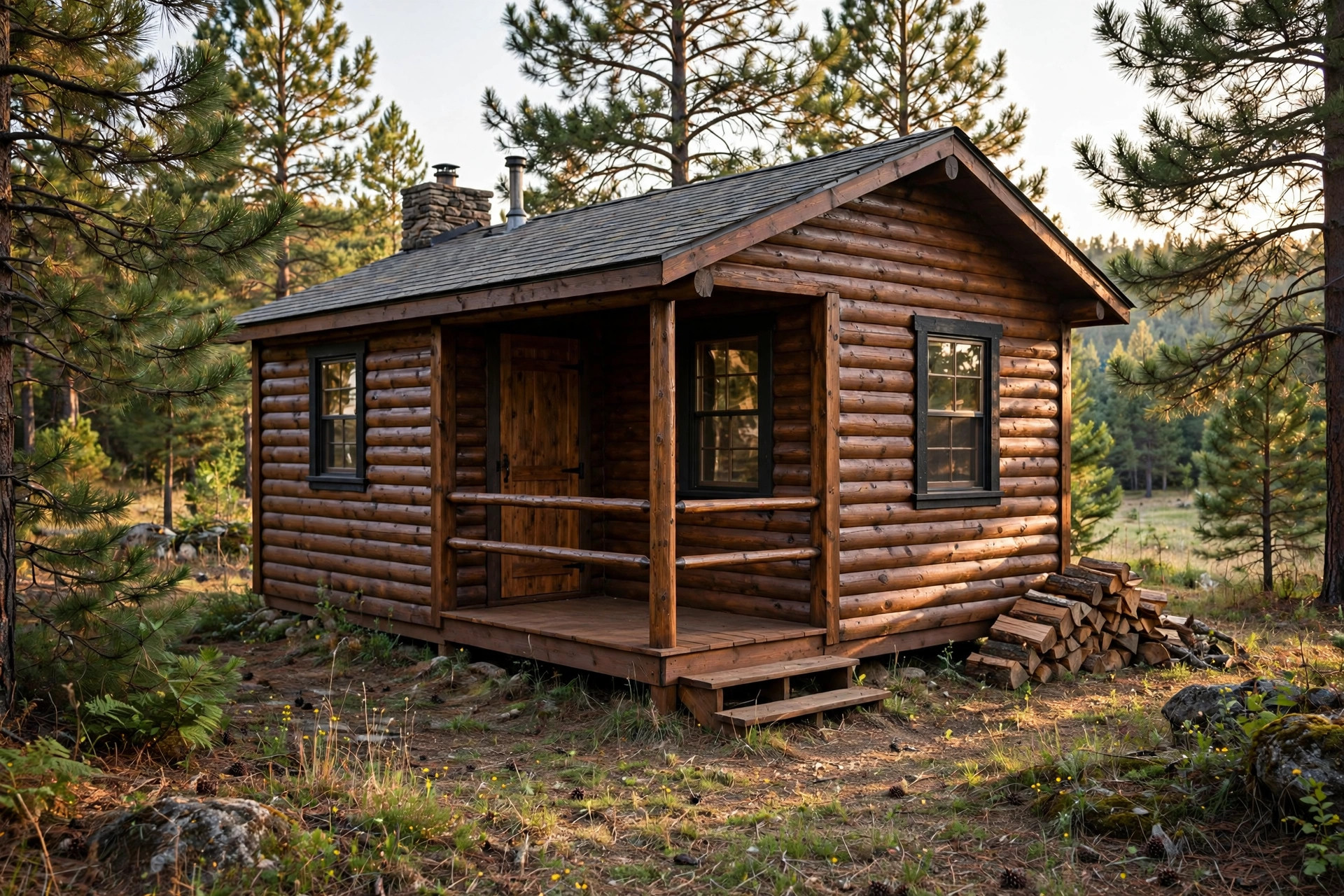

A log cabin asks for care in a way that ordinary houses do not. The wood is the structure and the finish at the same time. When people search for log cabin staining cost near me, they want two things: a fair price and a job that keeps the wood sound. This guide walks through both. It covers the prices you will see, the choices that move the price, and the questions that separate a good contractor from a careless one.
Why Staining a Log Cabin Matters
Wood outside the home faces rain, sun, wind, and insects. A log wall has far more exposed surface than a painted wall of the same size. Stain soaks into the logs and shields the fiber. It slows the harm that water and sun cause. It keeps the wood from graying and cracking. It adds water resistance that bare wood lacks.
A good stain also feeds the look of the cabin. Cabins age. Stain gives the logs an even tone and a finish that sits well in a wooded setting. Owners who keep up the stain on a regular cycle spend less over time. Neglected wood may need blasting, sanding, or log repair before new stain can go on. That repair work can cost more than several years of routine staining.
Think of staining as planned care, not decoration. The decoration is a bonus.
What to Look for When You Compare Local Prices: Log Cabin Staining Cost near Me
The phrase log cabin staining cost near me is really a search for a local estimate. Prices vary by region, labor rates, and the condition of your cabin. Three estimates from local firms give you a fair picture of the market in your area. Look for firms that specialize in log homes, not only general house painting. Log work calls for different prep, different products, and different skill.
What a Complete Estimate Should Include
A serious estimate names each part of the job. It should list the prep work, such as washing, media blasting, or sanding. It should name the stain product and the number of coats. It should say whether chinking, caulking, and wood repair are included or priced apart. It should give a schedule, a total price, and terms of payment.
Ask how the firm protects windows, decks, stone, and plants. Ask how it handles weather delays. Ask for addresses of past jobs you can drive by. A contractor who answers these questions without hesitation is usually a safe choice. A vague one-page quote is a warning sign. You may also want to read a guide to getting a free house painting estimate near me for comparison, since the steps for judging an estimate are much the same.
Beware of prices that sit far below the rest. Log staining is labor-heavy. A very low bid often means skipped prep, thin coats, or untrained help. Those shortcuts show within a year or two.
Types of Log Cabin Stain
Not all stains act the same on log walls. The product you choose sets the look, the life of the job, and part of the cost. Three main groups cover most of the market.
Water-Based Stains
Water-based stains clean up with soap and water. They dry fast and give off little odor. They sit mostly in the wood and on its surface. Modern water-based formulas are far better than the thin ones of decades past. They hold color well and resist mildew. Many pros like them for their working time and ease of use. Their weakness is film: heavy build can peel if the wood moves a lot with the seasons.
Oil-Based and Oil-Emulsion Stains
Oil stains soak deep into log fiber. They have a long record on log homes. They flex as logs swell and shrink. They usually fail slowly and gracefully, fading rather than peeling. That makes re-coating easier. Their drawbacks are longer dry times, stronger odor, and tougher cleanup. Some states limit certain oil products, so check local rules before you buy.
Solid, Semi-Solid, and Semi-Transparent Finishes
Solid stain hides the wood grain much like paint. It gives the most protection from sun. It suits cabins with weathered or patched wood. Semi-solid and semi-transparent stains let the grain show through to different degrees. Semi-transparent stain is the classic cabin look. It needs re-coating more often, often every three to five years, because it lays less film on the surface.
When you choose, weigh the look against the maintenance you are willing to do. Product pages from makers such as Behr or Benjamin Moore list finish types and stated service life, which helps you compare claims side by side.
Cost and Price: What Moves the Number
Log staining jobs price out by the square foot of log wall, not floor area. A small cabin can carry as much wall surface as a much larger house. Typical reported ranges in America run from about two to six dollars per square foot of wall for labor and materials together. A full job on a mid-size cabin often lands between five thousand and fifteen thousand dollars. Cabins that need heavy prep or repair can cost more.
Five factors move the price most.
Condition of the wood. Clean, sound logs take stain with little prep. Grayed, mildewed, or failing old finish needs washing, blasting, or sanding. Blasting alone can add several thousand dollars to the job.
Size and shape. Taller walls need scaffolds or lifts. Complex corners, dormers, and deep overhangs slow the crew. Each slowdown adds labor hours.
Number of coats. Most jobs call for one maintenance coat or two full coats. Two coats cost more in product and time but last longer.
Chinking and caulking. Gaps between logs must be sealed before or after staining. Some firms include sealing; others price it by the linear foot. Ask which way your bid runs.
Access and region. Cabins on steep lots or far from towns cost more to service. Labor rates differ by state and by season. A state price review, such as a house painting cost guide for Texas, shows how much region matters, and the same logic holds for log work.
Do-it-yourself staining saves the labor bill, which is often half or more of the total. It costs you weekends of work instead. Renting or buying sprayers, ladders, and prep tools eats into the saving. Most owners who go the DIY route find the work honest but long. If you hire, an exterior house painting cost estimator can help you sanity-check the square footage math before you sign.
Payment terms deserve care. A fair deposit is usually ten to thirty percent. The balance falls due at the end, after you walk the job and approve it. Never pay in full up front.
Care and Upkeep After the Stain
A new stain job is not the end of the work. It is the start of a cycle. Wash the log walls once a year with a soft brush and a mild cleaner made for log homes. Plain water and a garden hose handle most dust. A yearly wash stops mildew from taking hold in shaded spots.
Walk the cabin each spring and fall. Look at the south and west walls first; they take the most sun. Check the log ends, the bottom rows near the ground, and the wall under the eaves. Look for fading, water darkening, small cracks, and failed caulk. Touch up trouble spots before they spread.
Plan a maintenance coat every three to five years, depending on exposure and product. Cabins in full sun need attention sooner. A maintenance coat is cheaper than a full strip and restart. Keep a record of the product name and color. Matching the old stain makes future coats simple. Retail guides at Home Depot and Lowe’s explain which wash products and tools suit log walls, and trade articles at This Old House and Family Handyman walk through seasonal checks in plain steps.
Gutters, grading, and overhangs protect your stain investment. Water that sheets down a wall will wear any finish fast. Keep gutters clear and downspouts pointed away from the foundation. Trim back branches that rub the walls or drip on them all day.
Safety Points Worth Your Attention
Stain work puts people on ladders and scaffolds, often high on a wall. Falls are the main danger. Pros carry liability insurance and workers’ compensation. Ask for proof before work begins. If you do the work yourself, set ladders on firm ground, keep three points of contact, and never reach beyond your balance point.
Pressure washers and media blasters can gouge wood and injure skin. Keep the spray moving and stay back from the surface. Wear eye protection, gloves, and a respirator rated for the task. Oil stain rags can catch fire on their own as they dry; spread used rags flat outside, away from the cabin, until they are fully dry, then bag them. Store stain cans upright, sealed, and out of heat and reach of children and pets. Guides from Bob Vila and The Spruce cover safe setup for exterior finishing projects step by step, and HGTV offers plain-language project checklists for first-time DIY owners.
Frequently Asked Questions
How long does log cabin stain last? Most stains last three to seven years on walls that face full weather. Sheltered walls last longer. Product type, prep quality, sun exposure, and climate all matter. South-facing walls often need attention first.
Can you stain over old stain? Often yes, if the old stain is sound and the same type. Clean the walls, test a small area, and confirm the new coat bonds. If the old finish is peeling or the wrong type, strip or blast it off first. Staining over failure traps the problem under a new coat.
What time of year is best for staining a log cabin? Late spring and early fall suit most of America. The wood should be dry, and air temperatures should sit in the maker’s stated range, often between fifty and ninety degrees. Avoid staining in direct hot sun, in rain, or when frost is near.
How much does it cost to stain a log cabin? Labor and materials together often run two to six dollars per square foot of log wall. Total jobs on typical cabins often fall between five thousand and fifteen thousand dollars. Heavy prep, repair, or blasting raises the price. Local quotes give the true number for your area.
Is oil or water-based stain better for logs? Both serve well when matched to the job. Oil stains soak deep and fade gently, which suits full-log walls that move with the seasons. Water-based stains dry fast, clean up easy, and hold color well. Ask your contractor which product has the best record on cabins like yours in your climate.
How do I find a reliable log cabin staining contractor near me? Look for firms that do log homes as their main work. Ask for past job addresses, product names, and proof of insurance. Get three written estimates with matching detail. Independent product testing groups such as Consumer Reports and paint makers like Sherwin-Williams can help you judge stains, but the contractor’s log-home record matters most.
A Short Final Word
Searching for log cabin staining cost near me is only the first step. The real work is judging the bids, the products, and the prep behind them. A careful owner who hires a log-savvy crew, picks a proven stain, and keeps up the yearly wash will enjoy a cabin that looks right and stands strong for decades. Wood rewards steady care. Give it that, and it pays you back.
References
Behr. (n.d.). Paints, primers, and stains. https://www.behr.com Benjamin Moore. (n.d.). Paints and stains. https://www.benjaminmoore.com Bob Vila. (n.d.). Home improvement advice. https://www.bobvila.com Consumer Reports. (n.d.). Product reviews and ratings. https://www.consumerreports.org Family Handyman. (n.d.). DIY home repair and maintenance. https://www.familyhandyman.com HGTV. (n.d.). Home and garden ideas. https://www.hgtv.com Lowe’s. (n.d.). Home improvement products. https://www.lowes.com Sherwin-Williams. (n.d.). Paints and coatings. https://www.sherwin-williams.com The Home Depot. (n.d.). Home improvement products. https://www.homedepot.com The Spruce. (n.d.). Home and garden advice. https://www.thespruce.com This Old House. (n.d.). Home renovation guidance. https://www.thisoldhouse.com
Was this guide helpful?

About Jennifer Lee
The My Garden US editorial team writes practical, in-depth home and garden guides for American homeowners — tested advice, no fluff.
You May Also Like

Porch Ceiling Paint Colors: The Haint Blue Tradition in America
July 28, 2026 0 views
Lead Paint Removal Service Cost USA: What Homeowners Should Know
July 3, 2026 0 views
German Schmear Brick Cost Near Me: Prices, Methods, and Tips
March 31, 2026 0 views