
Introduction
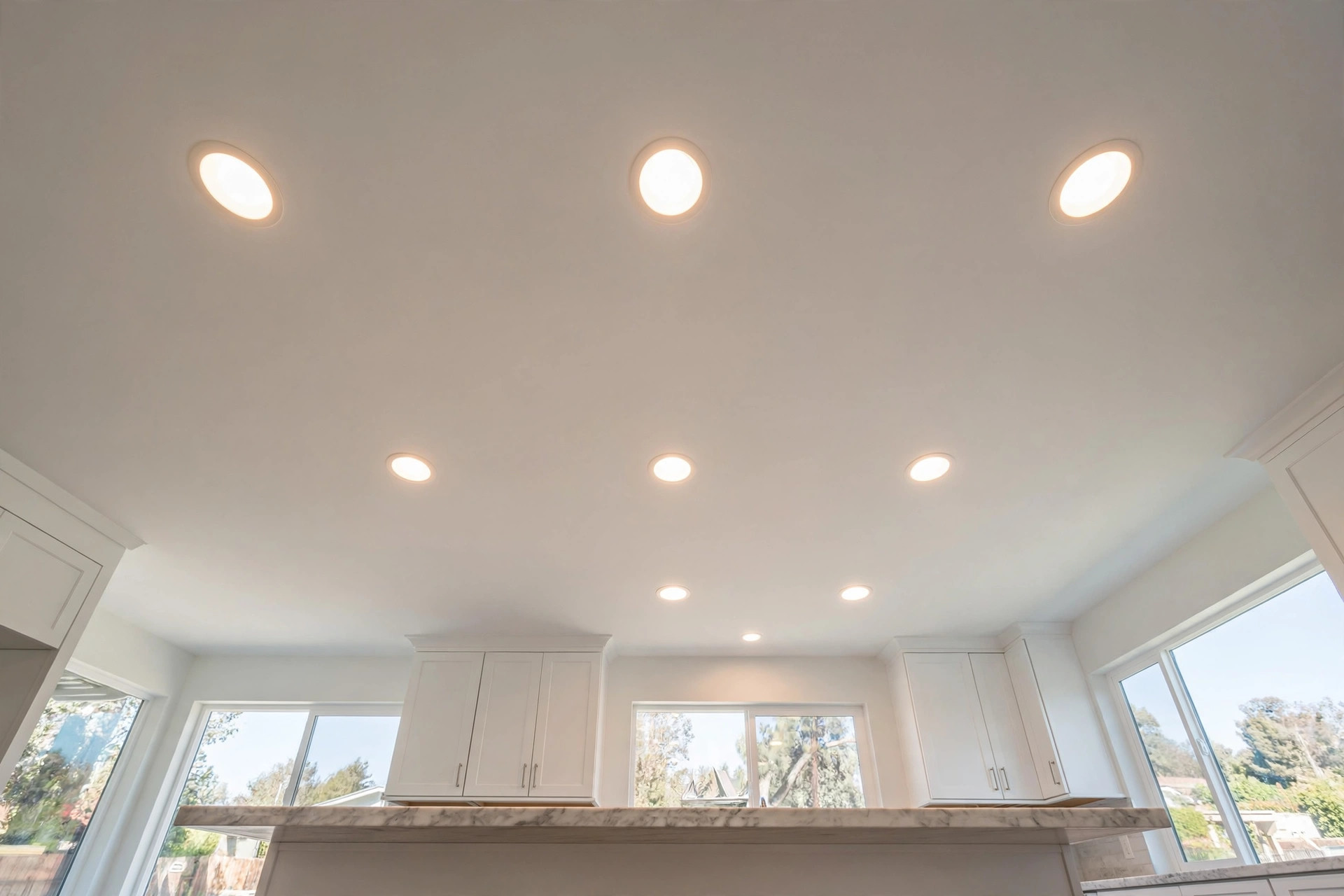
Many home owners search for led recessed lights deals near me when they plan a kitchen or basement update. Recessed lights sit flush in the ceiling. They give clean, even light. They fit rooms where a hanging fixture would look wrong. The good news is that LED recessed lights now cost far less than they did ten years ago. Local stores run sales often. Utility programs in many states offer rebates that lower the price more.
This guide explains how to shop well. You will learn what sizes and types exist. You will learn what matters on the label. You will learn how to find true bargains close to home. You will also learn about safe installation and long term care.
Why LED Recessed Lights Matter in the Modern Home: Led Recessed Lights Deals near Me
Recessed lights are often called can lights or down lights. They work in almost every room. Kitchens use them over counters and islands. Living rooms use them for soft general light. Hallways use them to stay bright without bulk. Basements use them where the ceiling is low.
LED versions beat the old incandescent cans in three plain ways. First, they use about one sixth of the power for the same light. Second, they last far longer. A good unit may last fifteen to twenty years in normal use. Third, they run cooler. That matters when a fixture sits near wood or insulation.
Shoppers who look for led recessed lights deals near me often save the most by buying in bulk packs. Stores sell sets of four, six, or twelve. A twelve pack may cost much less per light than single units.
What to Look For on the Label
A light bulb box can confuse a buyer. A few terms matter most. Learn them once and shopping gets easy.
Size
Recessed lights come in set sizes. The common sizes are three inch, four inch, five inch, and six inch. The number is the diameter of the opening in the ceiling. Four and six inch are the most common in American homes. New work and remodel jobs both use them.
Color Temperature
This tells you how the light looks. It is measured in kelvin. A value near 2700K gives warm light like old bulbs. A value near 3000K gives a mild white. A value near 4000K gives cool white for work areas. A value near 5000K gives daylight style light. Many new lights let you switch between settings before you install them.
Brightness
Brightness is measured in lumens. A six inch can light for a kitchen often gives 700 to 1100 lumens. Small three inch lights may give 400 to 600 lumens. More lumens means a brighter room but also more glare if you pick wrong.
IC Rating
This is a safety rating. IC means the fixture can touch insulation safely. Non-IC cans need clear space around them. Most modern LED retrofit lights are IC rated. If your attic has insulation over the fixture, you must use IC rated units.
Damp and Wet Rating
Bathrooms and covered porches need care. A damp rating suits a bathroom ceiling away from direct spray. A wet rating suits showers and open porches. Check the box for the rating before you buy for these rooms.
Types of LED Recessed Lights
New Construction Housings
These are full metal cans. They install when the ceiling is open, during a build or a full remodel. They cost more but give the most choices.
Remodel Housings
These fit through a round hole in a finished ceiling. Clips hold them to the drywall. They suit finished rooms where you do not want to tear out plaster.
Retrofit Kits
A retrofit kit fits into an old can that already holds an incandescent bulb. It is the fastest upgrade. You keep the old housing and add a new LED trim and lamp.
Wafer and Slim Lights
These thin lights need almost no space above the ceiling. They install with a simple spring clip. They suit floors where a joist blocks a full can. Wafer lights are a top pick when buyers search for led recessed lights deals near me, since packs of slim lights often sell at low prices.
Gimbal and Eyeball Trims
These trims tilt. You can aim the light at art, a counter, or a reading chair. They cost a bit more than fixed trims.
Trim Styles and What They Do
The trim is the visible ring around the light. It shapes the look and the beam.
– Baffle trims have ridged rings that cut glare. They suit living rooms and bedrooms. – Reflector trims give the most light output. They suit kitchens and work areas. – Shower trims have a lens and a gasket. They suit wet rooms. – Wall wash trims spread light sideways onto a wall. They suit halls and art walls. – Adjustable trims aim the light. They suit display niches and reading spots.
White trims fit most ceilings. Black and brushed nickel trims give a modern look. Buy the trim that matches your room paint.
Cost and Price: What a Fair Deal Looks Like
Prices vary by size, brand, and features. These are rough ranges in 2026 dollars.
– Basic four or six inch retrofit kits: eight to fifteen dollars each in bulk packs. – Slim wafer lights, multi packs: ten to twenty dollars each. – Dimmable models with selectable color: fifteen to twenty five dollars each. – Wet rated shower models: eighteen to thirty dollars each. – Gimbal or adjustable models: twenty to forty dollars each.
Labor adds cost if you hire help. A licensed electrician may charge one hundred fifty to three hundred dollars per fixture for new wiring, or fifty to one hundred dollars each to swap old trims for new ones. Retrofit swaps cost the least.
Bulk packs bring the per unit price down. A six pack at sixty dollars beats six singles at fourteen dollars each. Watch for store coupons that stack on top of pack prices.
How to Find the Best LED Recessed Lights Deals Near Me
Start with the big home improvement stores near you. Both major chains run weekly lighting sales. Their sites show local stock so you can check before you drive. Compare the per light price, not the pack price. A bigger pack is not always cheaper per unit.
Local electrical supply houses are worth a visit. They serve contractors and often sell quality brands at fair prices. Some will match store prices. Independent lighting showrooms sometimes clear floor models at deep cuts.
Online marketplaces can beat local prices, but add shipping time. Check the seller rating. Read the return terms. A cheap pack with no returns is a poor deal if half the units fail.
Utility rebates matter. Many power companies give instant rebates on LED lighting at the register. Some mail rebates after purchase. The ENERGY STAR program lists products that meet strict efficiency rules, and many rebate programs require that mark. The Department of Energy publishes plain guides on lighting efficiency for home owners.
Timing helps too. Lighting goes on sale around holiday weekends. Spring remodel season brings promos. End of year clearance can cut prices hard. If your project can wait a month, watch the ads first.
Buying in Store Versus Buying Online
Buying in store has clear wins. You can hold the trim. You can test the color switch. Staff can answer questions. Returns are simple. You drive home with the lights the same day.
Buying online gives a wider range. Specialty sizes and trims show up online first. Prices may run lower. The risk is fit. Measure your ceiling holes and check the cut out diameter on the product page. Read reviews from buyers who installed the same size.
A smart plan mixes both. Shop online to learn prices. Buy local to lock in led recessed lights deals near me when the store matches or beats the online price.
Installation Basics for the Home Owner
Many home owners swap old trims themselves. Full new wiring is a job for a licensed electrician. Know the line.
Simple Retrofit Swap
Turn off the breaker. Remove the old bulb and trim. Follow the kit directions to wire the new LED to the socket with the included adapter. Push the trim into the can until the springs catch. Restore power and test. The job takes ten minutes per light.
New Cuts in a Finished Ceiling
You need to cut a clean hole, run cable, and mount a remodel housing or wafer light. This work touches house wiring. Local codes in most states require a permit and a licensed worker for new circuits. Check your city rules first.
Helpful Resources
Guides from retailers explain the steps with photos. The Home Depot site has project guides for recessed lighting. The Lowe’s site offers similar how to articles. Lighting specialists at Lamps Plus and Lumens sell the fixtures and answer fit questions. Brand sites like Philips list specs and dimmer lists for their models. Design sites like The Spruce show room by room lighting plans.
Dimming and Smart Features
Many LED recessed lights dim. You need a dimmer made for LED loads. Old dimmers made for incandescent bulbs may cause flicker or buzz. Check the light maker list of tested dimmers before you buy.
Smart recessed lights connect to a phone app or a voice helper. You can change color and set schedules. They cost more. If you only want simple on and off, a plain dimmable light saves money.
If you plan a full room design, it helps to read a led recessed lights installation guide usa before you buy. It will tell you how many lights a room needs and how far apart to space them. Pairing recessed cans with other fixtures works well. A kitchen track lighting buying guide usa shows how tracks add task light over islands. An indoor wall sconces buying guide usa shows how sconces add warm side light in halls and baths.
Safety Rules You Must Follow
– Always turn off the breaker, not just the wall switch, before you touch a fixture. – Use only IC rated lights where insulation touches the housing. – Keep insulation three inches away from non-IC housings. – Do not exceed the watt rating printed on the old can when you use a retrofit kit. – Use wet rated trims in showers and open porches. – Keep a working smoke alarm near attic work spaces. – If wires look burnt or brittle, stop and call an electrician.
Care and Upkeep
LED recessed lights need little care. Dust the trim twice a year with a dry cloth. A damp cloth works for kitchen trims that catch grease. Do not use harsh sprays on the lens.
Check the dimmer once a year. Flicker often means the dimmer setting drifted or a unit is failing. Most quality lights carry a three to five year warranty. Keep the receipt and the box end flap with the model number. That makes a warranty claim simple.
If one light in a row burns out early, check the heat. A can packed tight in insulation without an IC rating will kill LEDs fast. Fix the rating problem before you replace the unit.
Common Mistakes to Avoid
New buyers make the same errors. You can skip them.
– Too few lights. One row down the middle leaves dark corners. Plan the layout first. – Wrong color. Mixing 2700K and 5000K in one room looks harsh. Pick one temperature per room. – Skipping the dimmer. Bedrooms and dining rooms need dimming. Add it now, not later. – Buying the cheapest pack. Very cheap lights may flicker, hum, or shift color. Read reviews. – Ignoring the return window. Test every light on the bench before you cut holes.
FAQ
How many recessed lights do I need in a room?
A common rule is one light for every four to six square feet of ceiling. A twelve by twelve foot room often needs four to six lights. Space them evenly. Keep them two to three feet from walls.
Can I put LED recessed lights in an insulated ceiling?
Yes, if the units are IC rated. The IC mark means the fixture can touch insulation. Most modern LED retrofits and wafer lights carry this rating. Check the box.
Do LED recessed lights work with old dimmers?
Often they do not work well. Old dimmers were made for high watt bulbs. Buy a dimmer rated for LED loads. Check the light maker tested list.
What is the best color temperature for a kitchen?
Most home owners pick 3000K to 4000K for kitchens. It keeps food colors true and gives clear task light. Living rooms and bedrooms suit 2700K for a warm feel.
Are expensive recessed lights worth the price?
Mid range lights from known brands give the best value. They dim cleanly and hold color over time. Very cheap units may fail early. Very costly units add features many rooms do not need.
Can I install recessed lights myself?
You can swap a retrofit kit into an old can with basic care. New holes and new wiring should go to a licensed electrician. Local codes often require it.
Final Word
The search for led recessed lights deals near me ends well when you shop with a plan. Know your size. Know your color. Check the IC and wet ratings. Compare per light prices at local stores, supply houses, and trusted online sellers. Watch for utility rebates and holiday sales. Buy a little better than the cheapest option, test before you install, and your ceilings will give clean light for many years.
References
ENERGY STAR. (n.d.). Energy efficient products. https://www.energystar.gov Lamps Plus. (n.d.). Lighting and home decor. https://www.lampsplus.com Lowe’s. (n.d.). Home improvement products. https://www.lowes.com Lumens. (n.d.). Lighting and ceiling fans. https://www.lumens.com Philips. (n.d.). Lighting products. https://www.philips.com The Home Depot. (n.d.). Home improvement products. https://www.homedepot.com The Spruce. (n.d.). Home and garden advice. https://www.thespruce.com U.S. Department of Energy. (n.d.). Energy efficiency and renewable energy. https://www.energy.gov
Was this guide helpful?

About Sarah Mitchell
The My Garden US editorial team writes practical, in-depth home and garden guides for American homeowners — tested advice, no fluff.
You May Also Like

Patio String Lights for California Homes
May 2, 2026 0 views
Garage Shop Lights for Texas Homes USA
February 26, 2026 0 views
Indoor Wall Sconces for California Homes: A Plain Buying and Install Guide
September 15, 2026 0 views