
A cool evening in autumn asks for one simple thing: a fire. You step outside with matches in hand, and the wood is damp. The logs sat in the rain all week. The fire sputters. Smoke rises. The evening is lost.
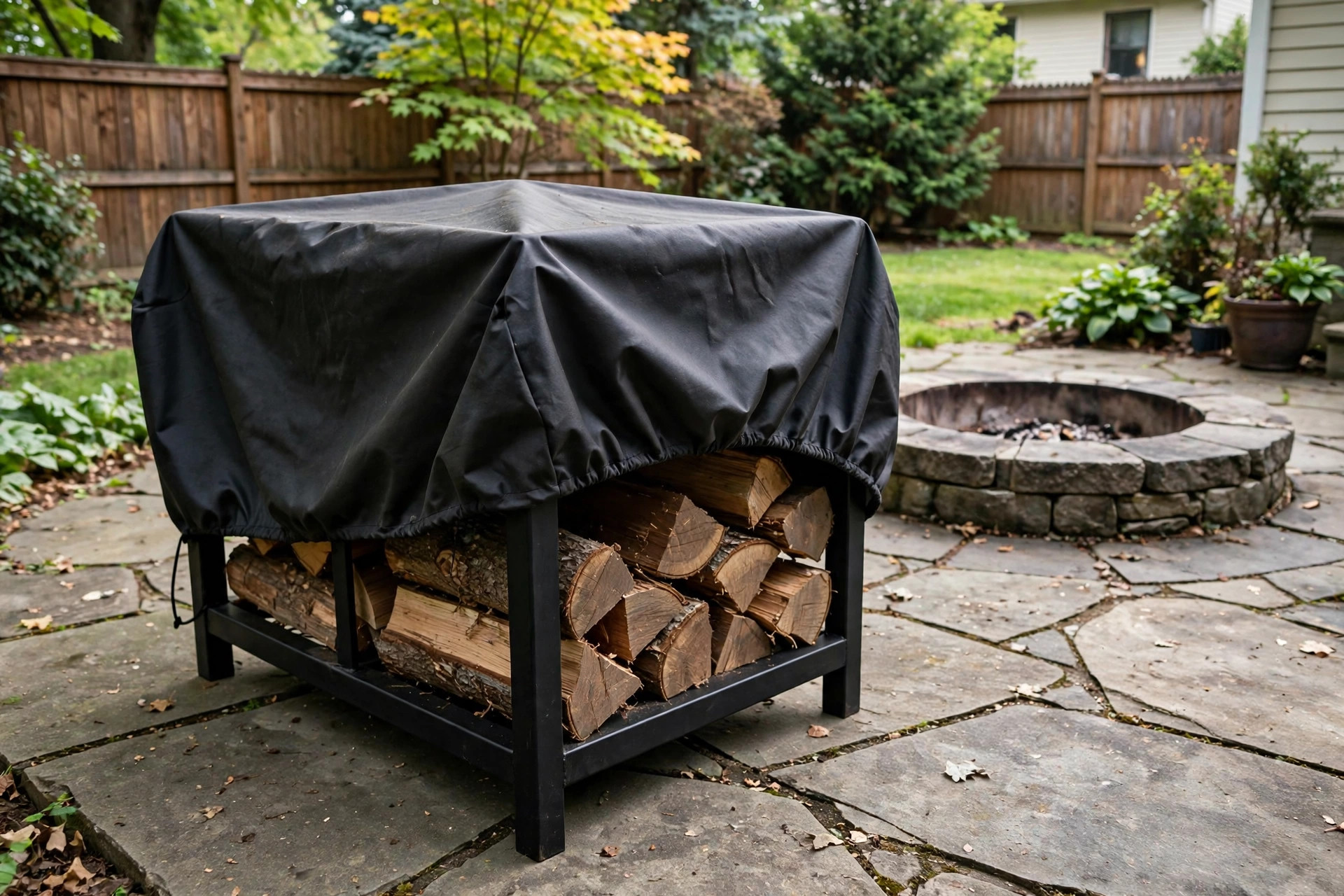
An outdoor firewood log holder with cover solves this problem. It holds your firewood off the ground. It shields the wood from rain and snow. It keeps every log dry and ready to burn. This guide explains why it matters, what to look for, the types you can buy, what it costs, and how to keep it in good shape.
Why Dry Firewood Matters
Wood burns well only when it is dry. Wet wood is hard to light. It burns with little heat. It gives off thick smoke. It leaves soot in chimneys and stoves. Dry wood, by contrast, lights fast, burns hot, and burns clean.
Firewood picks up water from two places: the ground and the sky. Ground water rises into the bottom logs of a pile. Rain and snow soak the pile from above. A covered log holder blocks both paths.
The holder lifts the wood off the earth. Air moves under the stack. The cover sheds rain like a roof. The sides stay open so air can flow through the pile. Moving air dries the wood and keeps mold away.
Dry wood also lasts longer. A log that stays dry keeps its full heat value. You burn less wood through the winter. You split less wood. You haul less wood from the shed.
What to Look For When You Choose: Outdoor Firewood Log Holder with Cover
Not every holder fits every need. These points help you pick the right one.
Size. Think about how much wood you burn in a week. A small rack near the back door may hold enough for two or three fires. A large rack by the fire pit may hold a quarter cord. Measure your space before you buy. A rack that is too big crowds the patio. A rack that is too small needs constant refilling.
Frame strength. Firewood is heavy. A full rack can weigh several hundred pounds. Look for thick steel tubes or heavy timber. The frame should stand firm when loaded. Check the stated weight limit and stay well under it.
The cover. The cover is the heart of this product. It should be made of thick, water-proof fabric. The best covers use polyester with a PVC backing. The cover should drape over the top and part way down the sides. A tight fit keeps wind from lifting it. Straps, buckles, or draw cords help hold it in place.
Raised base. The floor of the holder must sit above the ground. Slats or a mesh floor work well. Some racks have feet that raise the whole frame a few inches. Air must reach the bottom logs.
Ventilation. A cover that wraps the wood too tight traps damp air. Look for covers that shield the top but leave the sides open. Air flow is what keeps wood dry over time.
Style. The holder sits in your yard where everyone sees it. Iron racks with curved scrolls suit a classic garden. Plain black steel suits a modern patio. Wooden racks blend into a rustic yard. Guides on patio furniture and outdoor living can help you match the look to your space.
Types and Options
Covered log holders come in several forms. Each suits a different home.
Steel Log Racks With Covers
The most common type is a steel frame with a fabric cover. The frame is often made of powder-coated steel. It resists rust for years. The cover slips over the top of the loaded rack. These racks are sold at major home improvement stores in many sizes. They are light enough to move when empty. They cost less than built options.
Wrought Iron Log Bins
Heavy iron bins look handsome and last for decades. Many have a fitted lid or a canvas cover. They suit homes with a formal garden. They are heavy, so place them where they will stay. You can find similar iron and metal pieces at specialty outdoor retailers like Frontgate.
Wooden Log Stores
A wooden log store looks like a small shed with a sloped roof. It is often made of cedar or pressure-treated pine. It holds more wood than a rack. It looks like part of the garden. Wooden stores need stain or sealer every few years to resist rot. Advice on wood care and outdoor projects is easy to find through Bob Vila’s home guides.
Wall-Mounted and Compact Holders
Small yards and balconies need small answers. Compact holders mount against a wall or fit in a corner. They hold a few dozen logs. Many include a small cover or awning. Pair one with weatherproof patio furniture covers to protect the rest of your outdoor gear as well.
Firewood Sheds and Shelters
If you burn wood all winter, a full shelter may pay. These small roofed structures hold a half cord or more. They often have open sides and a shingled or metal roof. They cost more but protect a serious fuel supply.
How the Cover Does Its Work
The cover on an outdoor firewood log holder with cover is not a decoration. It does real work through every season.
In fall, it sheds rain. Autumn storms can soak an open pile in one night. A good cover keeps the top layer dry. Dry top logs mean the next fire starts fast.
In winter, it sheds snow. Snow melts slowly into uncovered wood. Each freeze and thaw pushes water deeper into the grain. A cover stops this cycle. It also keeps the logs free of ice, which makes them hard to handle.
In spring, it blocks heavy showers while letting the pile breathe. Spring is the season when mold grows fast. Air flow through the open sides keeps the wood dry between rains.
In summer, it blocks harsh sun. Strong sun cracks the ends of logs. Cracked logs burn too fast. A cover gives shade and keeps the stack even.
A cover also keeps leaves, twigs, and seeds out of the pile. Debris traps moisture and invites insects. A clean stack is a dry stack.
Cost and Price
Prices vary by size and material. Here is a rough guide.
A small steel rack with cover for a few dozen logs costs about twenty to fifty dollars. These are sold widely online and in stores.
A mid-size steel rack that holds a quarter cord costs about fifty to one hundred and twenty dollars. This is the most popular size for a family that uses a fire pit on weekends.
A large rack or a wooden log store costs about one hundred and twenty to three hundred dollars. Cedar stores sit at the top of this range.
Heavy wrought iron bins and large shelters can cost three hundred dollars or more. They are built to last many years.
You can compare prices and read buyer reviews at large retailers such as Wayfair, Lowes, and IKEA. Look for racks with clear weight ratings and honest reviews about the cover. Consumer Reports also publishes buying advice for outdoor products that can help you judge quality. A covered holder is a modest one-time cost. It pays back in drier wood and fewer ruined evenings.
Where to Place It
Place the holder close to where you burn the wood. The goal is short trips with armfuls of logs. A rack by the back door serves an indoor stove. A rack by the patio serves a fire pit.
Keep it a safe distance from open flame. Ten feet from a fire pit is a good rule. Sparks can reach farther than you think.
Set the rack on level ground. Stone, pavers, or packed gravel work best. Soft soil lets the feet sink. If you must set it on grass, place flat stones under the feet.
Give the pile room to breathe. Do not press the rack against a wall or fence. Leave a few inches of space on each side. Air must move around the wood.
If you own an outdoor coffee table with fire pit, keep the holder within easy reach but out of the splash zone of sparks. For larger seating areas, a fire pit chat set pairs well with a tidy wood store nearby.
Loading and Stacking the Wood
How you stack the wood matters as much as the cover.
Stack logs with the cut ends facing out. Air moves through the stack better this way. Place the largest logs on the bottom. They form a stable base.
Leave small gaps between logs. Tight packing traps moisture. A little space lets air pass.
Do not stack above the top rail unless the cover fits over it. Wood that sticks out past the cover gets wet. Fill the rack to the top of the frame, then pull the cover down snug.
Rotate your stock. Burn the oldest wood first. Add fresh wood to the back of the rack. This keeps the supply even and avoids old, punky logs at the bottom.
Care and Upkeep
A covered log holder needs little care, but a little care goes far.
Check the cover each season. Look for tears, worn seams, and loose straps. Small holes let in rain. Patch them with vinyl repair tape. Replace a cover that is brittle or split. Replacement covers are sold on their own and cost less than a new rack.
Clean the cover. Hose it off in spring. Dirt holds moisture against the fabric. Let it dry fully before you put it back on.
Inspect the frame. Tighten bolts once a year. Touch up chips in the paint with rust-proof spray paint. Rust weakens steel over time. For metal furniture care, general guides from HGTV’s outdoor living section offer useful tips.
Clear debris. Sweep leaves and bark out of the rack. Debris under the pile holds dampness. A quick sweep each month takes minutes.
Check the feet. Make sure the rack still sits level. Frost can heave the ground in winter. Re-level the rack in spring.
Safety
Firewood and fire demand respect. Follow these rules.
Keep the holder at least ten feet from fire pits, grills, and chimneys. Store only wood in it. Do not store kindling fluids, gasoline, or paper in the rack.
Wear gloves when you handle logs. Splinters are common. Check logs for insects before you bring them indoors. Spiders and ants hide in bark.
Stack the wood so it cannot topple. A falling stack can injure a child or a pet. Keep the rack away from play areas.
Burn only seasoned wood. Wood should dry at least six months, and a year is better. Seasoned wood burns clean and hot. Green wood fills the air with smoke.
Frequently Asked Questions
Will the cover keep my wood fully dry in heavy rain?
The cover keeps the top of the pile dry, which is the part that gets wet first. The open sides let air move through the stack. In a hard driving rain, the outer logs may get damp. They dry fast once the rain stops because the cover blocks further water and air keeps moving.
How much wood does a typical covered holder hold?
A small holder takes about one-eighth of a cord. A mid-size rack takes about one-quarter of a cord. Large racks and log stores take a half cord or more. Think about how many fires you build each week, then pick a size that covers two weeks of use.
Can I leave the holder outside all winter?
Yes. That is what it is made for. The steel frame and the cover are built for snow and ice. Brush heavy snow off the cover so the weight does not stretch the fabric. Check the frame for level ground in spring.
Should the cover reach all the way to the ground?
No. A cover that reaches the ground traps damp air inside. The best covers shield the top and upper sides. They leave the lower part open. Air must reach the bottom of the pile.
What is the best material for the frame?
Powder-coated steel is the best value. It is strong, light, and resists rust. Wrought iron lasts longer but costs more and is very heavy. Cedar wood looks beautiful but needs regular sealing. Plastic racks are cheap but may crack in cold weather.
Where can I buy a good outdoor firewood log holder with cover?
Most home stores carry them. You can shop in person at Home Depot or Lowes, or browse online at Wayfair and IKEA. Modern and design-led options also appear at Article and Polywood, which focuses on weather-proof outdoor materials.
A Final Word
A fire is one of the simple pleasures of a home. It should not start with wet wood and a struggle. An outdoor firewood log holder with cover is a small thing that makes a big difference. It keeps the wood dry. It keeps the yard tidy. It keeps the fire ready.
Choose a size that fits your fires. Pick a frame that holds the weight. Keep the cover in good repair. Stack with care. Do these simple things, and your wood will be dry when the evening calls for a fire.
References
Article. (n.d.). Modern furniture. https://www.article.com Bob Vila. (n.d.). Home improvement advice. https://www.bobvila.com Consumer Reports. (n.d.). Product reviews and ratings. https://www.consumerreports.org Frontgate. (n.d.). Outdoor furniture and decor. https://www.frontgate.com HGTV. (n.d.). Home and garden ideas. https://www.hgtv.com IKEA. (n.d.). Home furnishings. https://www.ikea.com Lowe’s. (n.d.). Home improvement products. https://www.lowes.com Polywood. (n.d.). Outdoor furniture. https://www.polywood.com The Home Depot. (n.d.). Home improvement products. https://www.homedepot.com The Spruce. (n.d.). Home and garden advice. https://www.thespruce.com Wayfair. (n.d.). Furniture and home goods. https://www.wayfair.com
Was this guide helpful?

About Sarah Mitchell
The My Garden US editorial team writes practical, in-depth home and garden guides for American homeowners — tested advice, no fluff.
You May Also Like
Outdoor Storage Bench for Cushions Reviews: How to Choose the Right One
January 20, 2026 0 views
Outdoor Chaise Lounge Cushions Thick Reviews: A Buyer’s Guide
September 27, 2026 0 views
Best Outdoor Furniture for a Desert Backyard: A Practical Guide
March 14, 2026 0 views