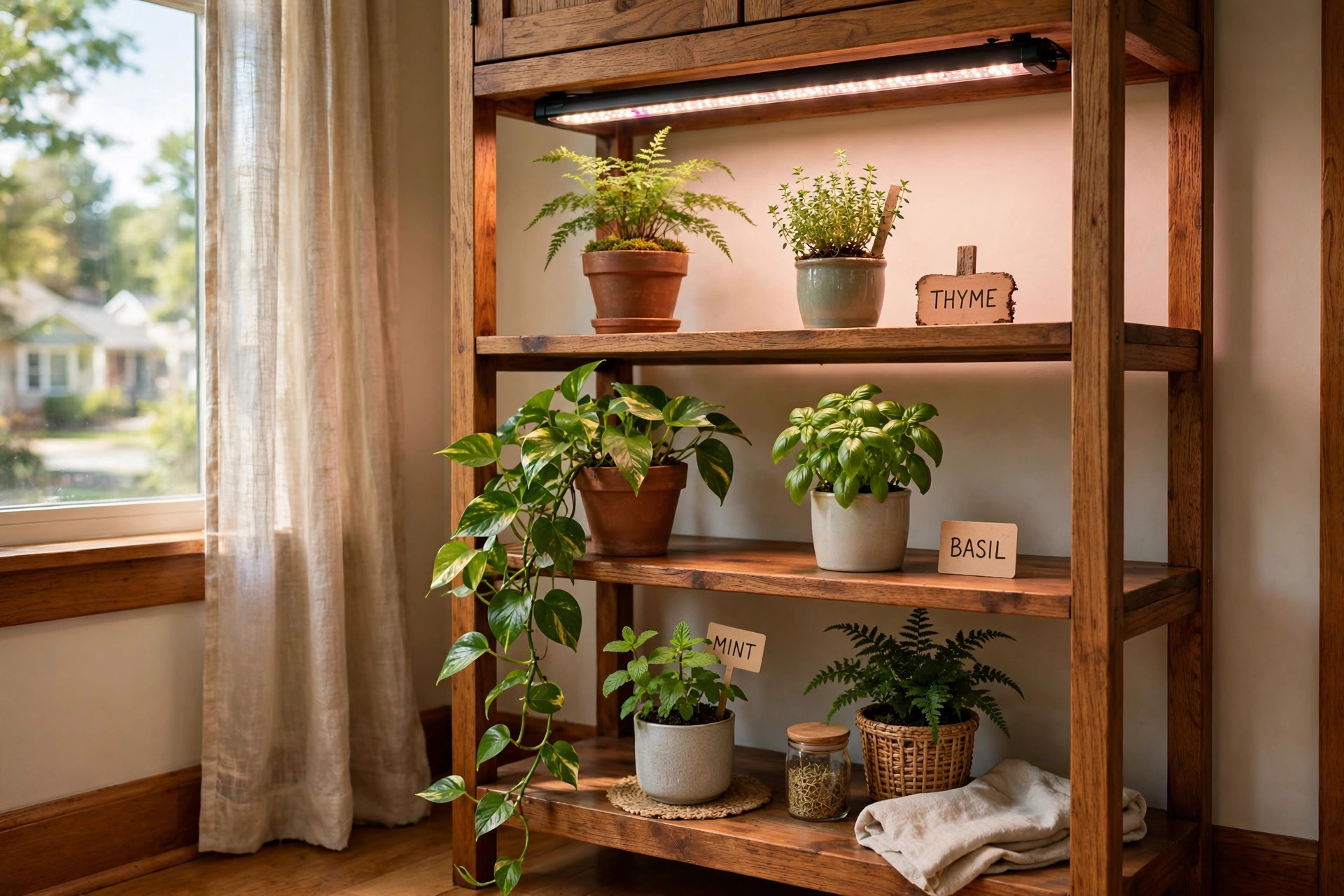

Many people in Texas love to keep plants inside the house. The problem is that most homes do not get enough natural light. Windows face the wrong way. Blinds stay half closed. Long summers bring harsh sun outside, yet corners of rooms stay dim. Indoor grow lights solve this problem. These are special lamps made to feed plants the light they need to grow. This guide explains how indoor grow lights work in Texas homes, what kinds are sold, what they cost, and how to use them with care.
Why Indoor Grow Lights Matter in Texas Homes
Texas homes have a light problem that surprises many new plant owners. The state gets strong sun for much of the year. But inside a house, that sun rarely reaches the plants. A living room may get bright light only in the morning. A kitchen counter may sit in shadow all day. North-facing windows give weak light even in June.
Houseplants still need light to live. Without enough of it, leaves turn pale. Stems grow long and weak. Flowers fail to open. A grow light made for plants gives them a steady supply of the right kind of light, every day, in any room.
The Texas climate adds its own reasons to grow plants indoors. Summer heat can climb past one hundred degrees. Many plants burn on a patio in August. Winter brings short cold snaps that harm tender plants left outside. An indoor setup with grow lights lets a gardener keep plants safe all year. Seedlings started indoors in February can move outside when spring truly arrives. Herbs can grow on a kitchen shelf through December. Even renters in small apartments can keep a green shelf with one modest lamp.
What to Look For When You Choose a Grow Light: Indoor Grow Lights Texas Homes Usa
Shopping for a grow light can feel confusing. The boxes carry many numbers. The ads use big claims. A few basic facts make the choice much easier.
Light Spectrum
Plants use light in two main color ranges. Blue light helps leaves grow. Red light helps flowers and fruit form. Good grow lights give both. Many products now use “full spectrum” light, which means they cover the full range a plant needs. For most houseplants, a full spectrum lamp is the safest pick.
Brightness and Coverage
Grow lights are rated by brightness and by the area they cover. A small clip-on lamp suits one pot on a desk. A long bar light can cover a shelf of seed trays. Check the package for the recommended hanging height. Hang the light too high and the plants get little good from it. Hang it too low and leaves can burn.
The U.S. Department of Energy offers plain facts about lighting and energy use. Reading those facts helps a buyer judge claims on a box.
Heat Output
Some lights run hot. Older types can warm a small room fast. In a Texas home, where cooling bills already run high in summer, a hot lamp adds to the load. LED lights run much cooler. They are the common choice for home growers today. Philips and other makers publish clear data on heat and power use for their grow lamps.
The shape of the fixture matters too. Bar lights suit shelves and seed trays. Panel lights cover a wide area from above. Clip-on lamps work for a single pot on a desk or table. Match the shape to the space where the plants live.
Timers and Height
Plants need a day and a night, just as people do. Most houseplants do best with twelve to sixteen hours of light per day. A timer switch turns the lamp on and off at set times. This saves power and gives plants the dark rest they need. Adjustable hanging cords let the owner raise the light as plants grow taller.
Types of Indoor Grow Lights
Three main types of grow lights are sold for home use. Each has strengths and weak points.
Fluorescent Lights
Fluorescent tubes were the standard choice for many years. They are cheap to buy. They give good light for seedlings and leafy plants. T5 tubes are thin and bright. They fit under shelves and over work tables. Their weak point is life span. Tubes dim with age and must be replaced often. They also use more power than LEDs for the same light.
LED Grow Lights
LED lights are now the most popular type for home growers. They use little power. They last for years. They give off little heat. Many models let the owner switch between settings for leaf growth and for flowering. The price of LED grow lights has fallen sharply in the past ten years. What once cost hundreds of dollars now sells for a modest sum at home stores.
Shoppers comparing models can also check Lowe’s for prices and customer reviews. Reading a few reviews helps sort good lamps from poor ones.
High-Intensity Discharge Lights
High-intensity discharge lamps, often called HID lights, are very bright. They are common in greenhouses and in shops that grow many plants. For a normal Texas home, they are usually too much. They run hot. They use a lot of power. They need special fixtures. Most home gardeners do better with LED or fluorescent lights.
Cost and Price
Prices for indoor grow lights vary widely. A small LED clip lamp for one plant may cost fifteen to thirty dollars. A two-foot LED bar light for a shelf often costs forty to eighty dollars. A full four-foot fixture for seed starting may cost one hundred to two hundred dollars.
Running costs matter too. LED lights are cheap to run. A typical LED grow bar may use twenty to forty watts. Left on for fourteen hours a day, it adds only a few dollars a month to the power bill. Older fluorescent and HID lights cost more to run. Buyers who care about long-term cost can look for ENERGY STAR rated products, which meet set standards for power use.
Shoppers hunting for deals on indoor grow lights for sale in the USA often start with big retailers. Starter kits bundle a light with a stand or a shelf. These kits suit beginners. They cost more than a bare lamp, but they take the guesswork out of setup. A kit with a two-tier shelf and two bar lights often sells for one hundred fifty to two hundred fifty dollars.
Prices move up and down with sales. A patient buyer can save real money by waiting for a holiday sale. Specialty lighting shops also carry higher-end fixtures for serious growers.
Care and Upkeep
A grow light needs little care, but a few habits keep it working well.
Dust the lamp and reflector once a month. Dust blocks light. A soft cloth is enough. Do not use water on the fixture while it is plugged in.
Replace bulbs or tubes on schedule. Fluorescent tubes lose strength long before they burn out. Many growers replace them once a year. LED fixtures last much longer, often five years or more, but they do slowly dim with age.
Keep the light at the right height. As seedlings grow, raise the lamp to keep the same gap. Most makers print the best distance on the box. A common rule is six to twelve inches above leafy plants, and twelve to twenty-four inches above seedlings.
Watch the plants, not just the lamp. Pale leaves or stretched stems mean the plant wants more light. Brown spots on leaves can mean the lamp hangs too close. The plants give the best feedback.
Gardening suppliers such as Gardener’s Supply Company publish care sheets for common houseplants. These sheets help match the right light to the right plant.
Safety in the Home
Grow lights are safe when used with care. A few rules keep the home safe.
Keep water away from the fixture. Plants need watering, but water and power do not mix. Water the plants first, then wipe any spills before the lamp turns on.
Do not cover the lamp with cloth or paper. Lights need air flow to stay cool. A covered lamp can overheat.
Plug the lamp into a grounded outlet. Do not run cords under rugs. Do not link many power strips together. If the cord feels hot, unplug the lamp and check the outlet.
Keep lamps out of reach of small children and pets. A hot bulb can burn skin. A hanging lamp can fall if pulled.
The National Institute of Food and Agriculture at the U.S. Department of Agriculture funds plant research across the country. Its work supports safe, sound growing practices for home gardeners.
Frequently Asked Questions
How many hours per day should a grow light stay on?
Most houseplants do well with twelve to sixteen hours of light each day. Seedlings may want sixteen hours. Give plants eight hours of dark rest. A timer makes this easy.
Can a grow light replace sunlight fully?
For most houseplants, yes. A good full-spectrum LED gives plants all the light they need. Some plants still like a bit of real sun. But many common houseplants, such as pothos and snake plants, grow fine under lamps alone.
Do grow lights raise the power bill a lot?
No, not with modern LEDs. A small LED grow light uses less power than an old desk lamp. Running one lamp fourteen hours a day may add only two to four dollars a month to the bill. Older bulb types cost more to run.
Where is the best place to put a grow light in a Texas home?
Any room works if the light is right. A spare bedroom makes a fine plant room. A kitchen shelf suits herbs. A garage corner works for seedlings. Keep in mind that Texas garages get very hot in summer, so check the heat before placing plants there.
Are grow lights safe for eyes?
Do not stare straight into a bright grow light. The light is strong and can hurt the eyes. Normal use is safe. Keep the lamp aimed at the plants, not at seating areas. If a room has both plants and people, a shade or reflector helps aim the light down.
What is the difference between a grow light and a normal lamp?
A normal lamp is made for human eyes. A grow light is made for plants. It gives the blue and red colors that plants use to grow. A normal white bulb gives some useful light, but a true grow light works far better. Homeowners planning wider lighting changes, such as new kitchen track lighting in Texas homes, should pick plant lamps and room lamps as separate jobs.
A Final Word
Indoor grow lights let Texas gardeners grow plants in any room, in any month. The choice comes down to a few plain facts: pick a full-spectrum LED for most jobs, size the light to the plants, hang it at the right height, and put it on a timer. Costs are modest. Care is simple. Safety rules are plain common sense.
Start small. One lamp and one shelf of plants teach more than any guide. As skill grows, the setup can grow too. A notebook by the shelf helps track light hours and plant progress week by week. Before long, a Texas home can hold green life in every corner, from the kitchen herbs to the living room ferns, all fed by steady, well-chosen light. Readers who also want lighting for outdoor safety may look into motion flood lights sold across the USA as a separate project.
Related guides on this site include led recessed lights installation guide usa, dining room chandeliers buying guide usa, and kitchen island pendants buying guide usa.
References
ENERGY STAR. (n.d.). Energy efficient products. https://www.energystar.gov Gardener’s Supply Company. (n.d.). Gardening tools and supplies. https://www.gardeners.com Lowe’s. (n.d.). Home improvement products. https://www.lowes.com Lumens. (n.d.). Lighting and ceiling fans. https://www.lumens.com National Institute of Food and Agriculture. (n.d.). Agricultural research and extension. https://www.nifa.usda.gov Philips. (n.d.). Lighting products. https://www.philips.com The Home Depot. (n.d.). Home improvement products. https://www.homedepot.com The Spruce. (n.d.). Home and garden advice. https://www.thespruce.com U.S. Department of Energy. (n.d.). Energy efficiency and renewable energy. https://www.energy.gov
Was this guide helpful?

About James Carter
The My Garden US editorial team writes practical, in-depth home and garden guides for American homeowners — tested advice, no fluff.
You May Also Like
Deck Cap Lights Buying Guide USA: How to Choose the Best Lights for Your Deck Posts
May 18, 2026 0 views
Patio String Lights for Florida Homes: A Practical Guide
April 23, 2026 0 views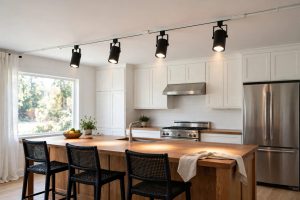
Kitchen Track Lighting for Sale USA: A Plain Buying Guide
July 30, 2026 0 views