---
Table of Contents
Table of Contents
- Hide a Spare Key Outside Safely: The Golden Rule of Spare Keys
- Method 1: The Combination Lockbox (Best Option)
- Method 2: Leave It With a Trusted Neighbor
- Method 3: Clever Hiding Spots Far From the Door
- The Worst Spots (Never Use These)
- Method 4: Upgrade to Keyless Entry (Remove the Problem)
- What About Hiding a Key in the Car?
- Renters: Check the Rules First
- Seasonal and Travel Tips
- What Security Pros Recommend Overall
- The Bottom Line
- References
Everyone gets locked out sooner or later. The question is whether your backup plan helps you or helps a burglar. The classic hiding spots, under the mat, in the mailbox, under the flower pot, are the first places a thief checks. This guide shows how to hide a spare key outside safely, with methods ranked from best to worst, plus modern alternatives that remove the risk entirely. The rest of this guide covers hide a spare key outside safely in plain language.
Hide a Spare Key Outside Safely: The Golden Rule of Spare Keys
When it comes to hide a spare key outside safely, getting the details right makes all the difference.
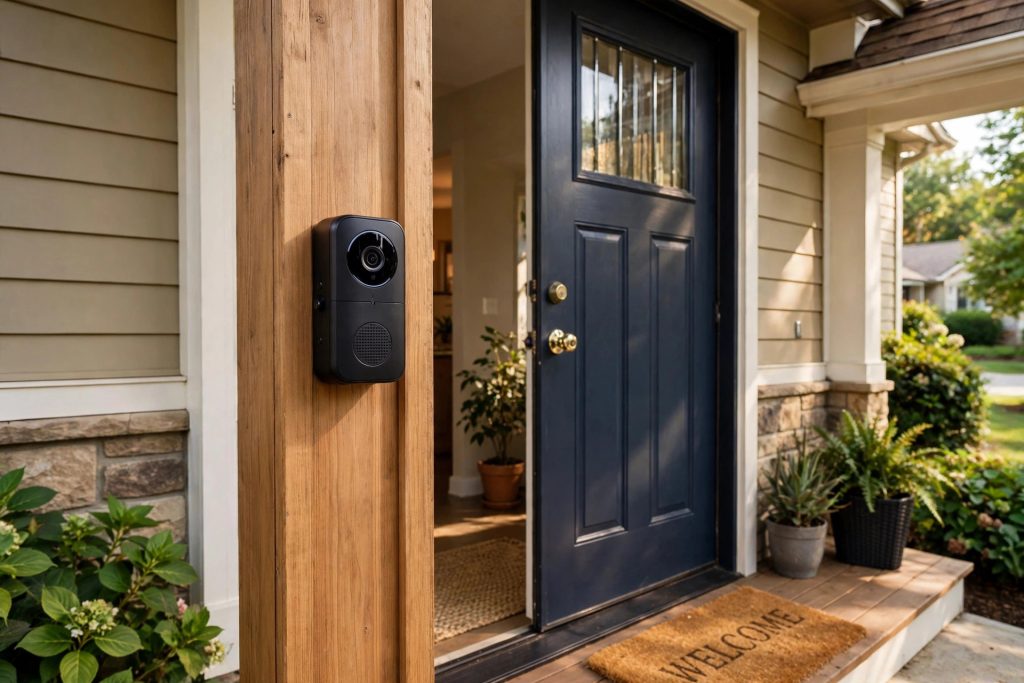
Many homeowners find that hide a spare key outside safely is easier than they expected once they know the basics.
A spare key hidden outside is only as safe as its hiding spot is unpredictable. Burglars know every trick in the old playbook. Security professionals list the same worst spots again and again: the doormat, the mailbox, a potted plant by the door, a garden statue, and the doorframe (CPI Security on hiding a spare key).
So the rule is simple. If a hiding spot is obvious to you, it is obvious to a thief. If it is near the front door, it is the first place anyone looks. The safest spots are far from the door, hard to reach, and look like nothing special.
Method 1: The Combination Lockbox (Best Option)
Many homeowners find that hide a spare key outside safely is easier than they expected once they know the basics.
The key to hide a spare key outside safely is choosing the right approach for your space and budget.
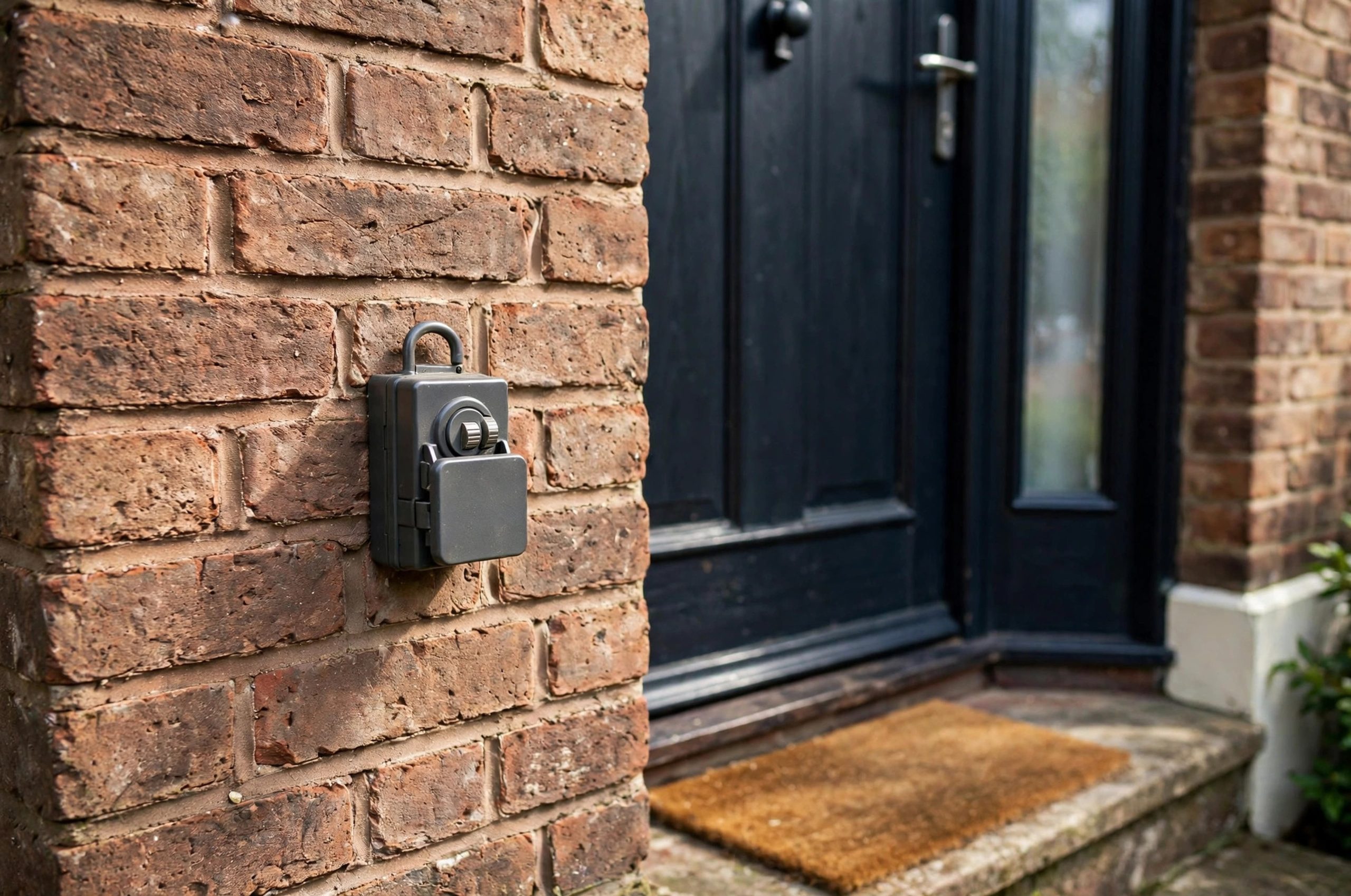
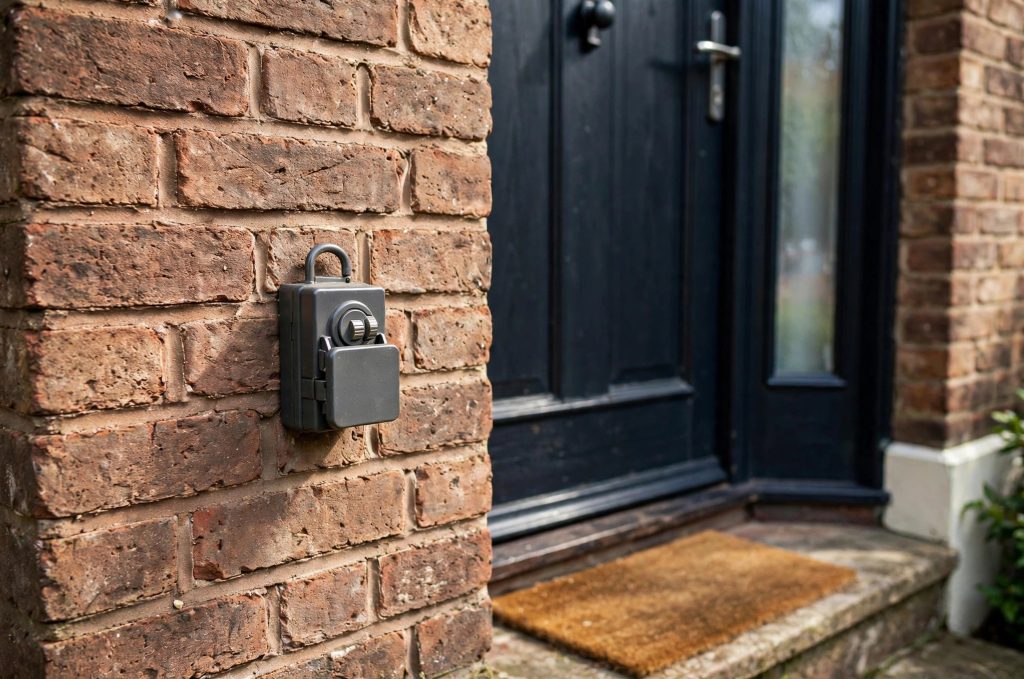
A combination lockbox is the most secure way to keep a spare key outside. It is a small metal box with a combination dial or push buttons. You mount it on a wall, a fence, or a door handle. Only someone with the code can open it.
Why it wins:
- The key is locked inside steel, not sitting loose in the yard.
- You can share the code with family, a pet sitter, or a neighbor, then change it later.
- A thief who finds the box still cannot open it without the code.
Buy a sturdy model, not the cheapest one. Look for a solid metal body, a weather cover over the dials, and mounting hardware that bolts to a wall. Cheap plastic boxes can be pried open in seconds. Mount the box somewhere out of direct sight from the street, like on a side wall or a back fence post, not right next to the front door where it advertises itself.
Set a code that is not your birthday, your address, or a simple sequence. Change the code after you share it with a worker or a guest. And jumble the dials after every use, so the next person cannot see which numbers you left showing.
Method 2: Leave It With a Trusted Neighbor
The key to hide a spare key outside safely is choosing the right approach for your space and budget.
With a little planning, hide a spare key outside safely can fit even a busy schedule.
The simplest safe option costs nothing. Give a spare key to a neighbor you trust. A key sitting in their kitchen drawer cannot be found by anyone casing your house.
This works best when the neighbor is usually home. The one drawback is timing. If you lock yourself out at midnight and they are asleep, or they are on vacation, the key does you no good. For that reason, pair this method with a lockbox. The neighbor holds one key for planned needs, like letting in the dog walker, and the lockbox holds your emergency backup.
Choose the neighbor well. It should be someone who has lived nearby a while, who you would trust with your alarm code, and who is home often. Tell them exactly who is allowed to ask for the key. A simple rule, "only give it to me or my spouse in person," prevents confusion.
Method 3: Clever Hiding Spots Far From the Door
With a little planning, hide a spare key outside safely can fit even a busy schedule.
Before you start, it helps to understand how hide a spare key outside safely works in real homes.
If you insist on hiding a key loose in the yard, do it right. The key must be far from the front door, out of sight from the street, and in a spot a stranger would never guess.
Spots that work better than the classics:
- Taped inside a wind chime, where searching makes noise.
- Inside the grill, tucked where it will not melt (and remember to remove it before cooking).
- Under a loose brick far down the walkway, not the one by the steps.
- Inside an unoccupied birdhouse in the back yard.
- Behind an outdoor thermometer mounted on a side wall.
- In a magnetic key holder stuck to the inside of a metal downspout or the back of a grill, well above easy reach.
The trick is distance and misdirection. A thief works fast and checks the ten obvious spots near the door. A key hidden thirty feet away, in a spot that requires climbing or reaching, is rarely found. Gizmodo's classic guide to hiding keys in plain sight walks through several of these misdirection ideas (Gizmodo on hiding house keys in plain sight).
Apartment dwellers have fewer options but the same rules apply. Spots inside shared hallways, like a fire hose cabinet or a utility closet you can access, beat anything near your unit door (apartments.com on safe key hiding spots).
The Worst Spots (Never Use These)
Before you start, it helps to understand how hide a spare key outside safely works in real homes.
A good plan for hide a spare key outside safely saves time, money, and frustration.
Memorize this list and avoid every item on it:
- Under the doormat.
- In the mailbox.
- Under a potted plant next to the door.
- On top of the doorframe.
- Under a garden statue or frog near the porch.
- In a fake rock sitting in the front flower bed (thieves know what fake rocks look like).
- Under the welcome mat's evil twin, the "key" rock with a hollow bottom.
These spots are worse than no hiding spot at all, because they give you a false sense of security while handing a burglar a free pass.
Method 4: Upgrade to Keyless Entry (Remove the Problem)
A good plan for hide a spare key outside safely saves time, money, and frustration.
For most people, hide a spare key outside safely comes down to a few smart choices.
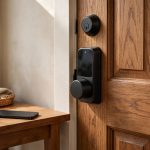
The smartest way to hide a spare key outside safely is to not need one. A smart lock or keypad lock replaces the key with a code. You cannot lose a code under the doormat. You cannot lock a code inside the house.
Keypad locks cost more than a lockbox, but they solve the problem at the root. Many models let you create temporary codes for guests, cleaners, or contractors, then delete the code when the visit ends. Some connect to your phone, so you can lock or unlock the door from anywhere and see a log of who came in.
There are trade-offs. A locksmith comparison of smart and traditional locks notes that keypad buttons can wear over time, showing which numbers you press, and that codes should be shielded when you enter them like an ATM PIN (Angi on smart locks versus traditional locks). Change your codes once or twice a year, and pick codes that are not obvious.
For garage entry, a keypad on the garage door gives the same benefit without touching the front door hardware (keypad lock for garage door reviews). For the front door, see (smart lock for front door reviews).
A locksmith's rundown of smart lock pros and cons covers cost, installation, and the guest-access benefits that make them popular with families (smart lock pros and cons). A security company's breakdown adds the lockout angle: with a code, your kids never get stranded because they lost a key (benefits of smart locks). And a tech outlet's list of reasons to switch highlights remote locking and activity logs (reasons to get a smart lock).
What About Hiding a Key in the Car?
For most people, hide a spare key outside safely comes down to a few smart choices.
Some people keep a house key in the car as a backup. This only works if the car is locked, parked at home, and not itself locked with the keys inside. A house key in an unlocked car is a gift to a thief, who now gets your car and your house. If you use this method, use a magnetic box stuck deep under the chassis, not the glove box or the visor, and only as a last resort.
Renters: Check the Rules First
If you are new to hide a spare key outside safely, start with the simplest option and build from there.
If you rent, your lease may forbid changing locks or mounting hardware on the building. A wall-mounted lockbox might need written permission. A smart lock that replaces the deadbolt almost always needs the landlord's okay, and you may need to give them a code or a key.
What renters can usually do without permission: leave a key with a trusted neighbor, use a portable lockbox that hangs on a doorknob (no screws), or hide a key in a clever spot in a private patio or balcony. Check the lease, and when in doubt, ask.
Seasonal and Travel Tips
When it comes to hide a spare key outside safely, getting the details right makes all the difference.
Before a trip. Move your hidden key to a new spot, or better, pull it inside entirely. An empty house with a known key location is the worst combination. Give the key to your house sitter directly instead.
In winter. A lockbox with a combination dial can freeze. Spray the mechanism with a silicone lubricant before the cold season. A key hidden in the yard can end up under a foot of snow, which is safe from thieves but also safe from you. The lockbox wins in winter.
After sharing the code. Every time you give out a lockbox code or a smart lock code to a worker, change it when the job is done. Codes are like passwords. The fewer people who know them, the better.
Teach the family the plan. Everyone in the house should know where the backup key is and how to use it. Walk your teenager through the lockbox once. Write the smart lock code in a sealed envelope in a drawer, not on a sticky note on the fridge.
What Security Pros Recommend Overall
Many homeowners find that hide a spare key outside safely is easier than they expected once they know the basics.
A home security checklist from a locksmith company puts it plainly: keep a spare key with a trusted neighbor, not hidden outside (home security checklist). The checklist also stresses the basics that make any key plan work: lock every door and window even for quick errands, never post travel plans publicly, and add motion lighting at entry points so a thief cannot work in the dark.
Pair your key plan with visible deterrents. A camera over the front door, a motion light on the side yard, and a package lock box on the porch all tell a thief to move on (package lock box for porch reviews).
The Bottom Line
The key to hide a spare key outside safely is choosing the right approach for your space and budget.
Ranked best to worst: a sturdy combination lockbox, a key with a trusted neighbor, a clever spot far from the door, and keyless entry that removes the key entirely. Never use the doormat, the mailbox, or the flower pot. Whatever method you pick, share it with your family, change codes after guests, and pull the outdoor key inside before a long trip. A spare key should save you from a lockout, not invite a break-in. Keep this guide handy the next time hide a spare key outside safely comes up.
References
CPI Security. (n.d.). Dos and don'ts of hiding a spare key outside. https://cpisecurity.com/blog/where-to-hide-a-key/
Gizmodo. (n.d.). How to hide your house keys in plain sight. https://gizmodo.com/how-to-hide-your-house-keys-in-plain-sight-510318178
Apartments.com. (n.d.). Avoid lockouts: Safe spaces to hide your apartment key. https://www.apartments.com/blog/stop-getting-locked-out-3-safe-spots-to-hide-the-key-to-your-apartment
Angi. (n.d.). Smart door locks vs. traditional locks: Key comparisons. https://www.angi.com/articles/keyless-lock-good-regular-deadbolt.htm?entry_point_id=32949645
Carolina Locksmith. (n.d.). Should I get a smart lock? The pros and cons. https://carolinalocksmith.com/smart-lock-pros-and-cons/
Cornerstone Protection. (n.d.). 7 best benefits of smart locks for home. https://www.cornerstoneprotection.com/blog/smart-locks-installing-benefits/
T3. (n.d.). 5 reasons why you need a smart lock for your home. https://www.t3.com/features/5-reasons-why-you-need-a-smart-lock-for-your-home
The Pro Lock. (n.d.). Chicago home security checklist: Room-by-room guide. https://www.theprolock.com/blog/chicago-home-security-checklist-room-by-room
Was this guide helpful?

About My Garden US
The My Garden US editorial team writes practical, in-depth home and garden guides for American homeowners — tested advice, no fluff.
You May Also Like
Smart Lock Geofencing Setup: Auto Lock and Unlock Guide
November 15, 2026 12 views
Smart Porch Light With Camera Reviews USA
January 14, 2026 21 views
Smart Doorbell Installation Cost Near Me: What You Will Pay in 2026
January 21, 2026 21 views