
Introduction
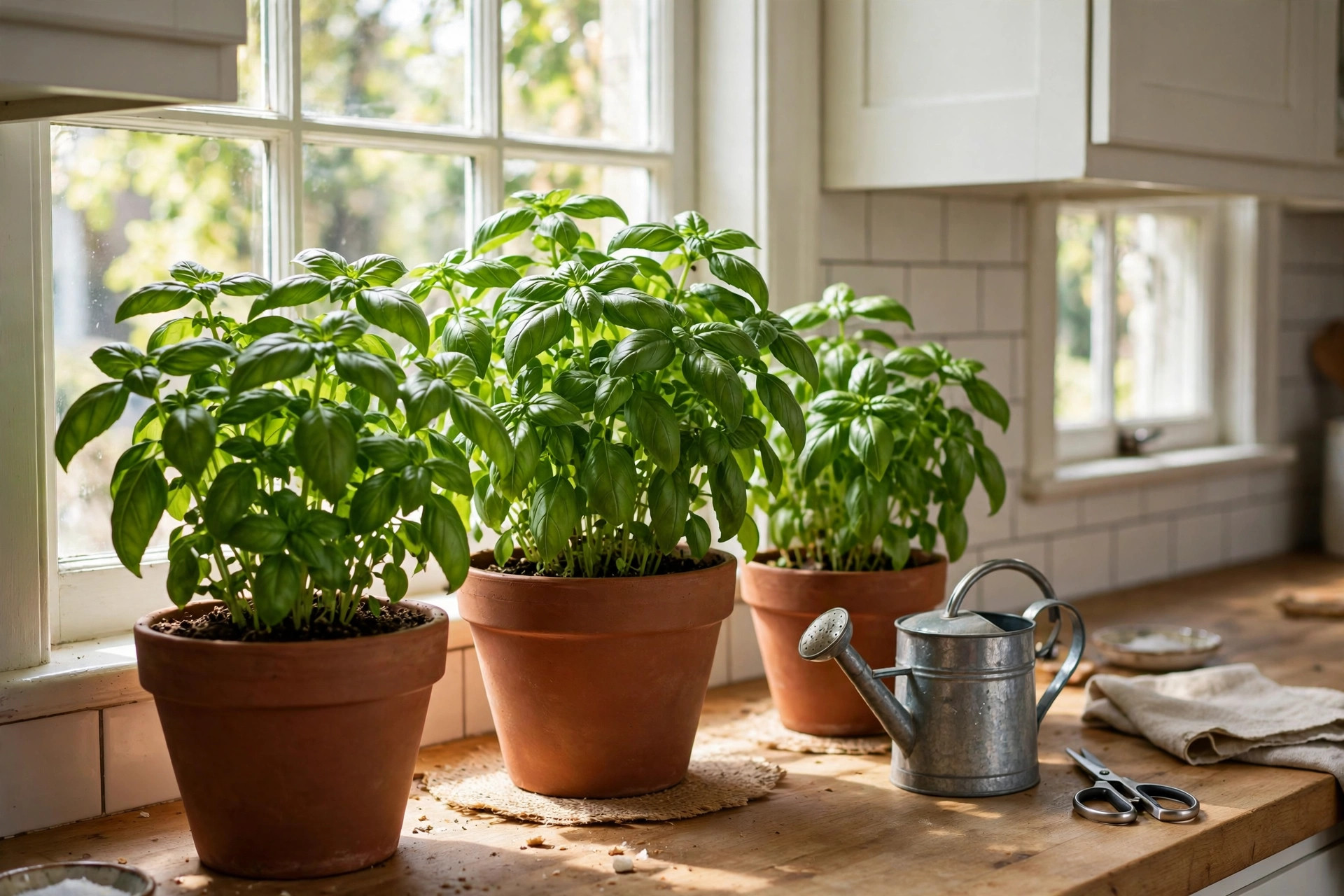
Learning how to grow basil indoors year round is one of the simplest joys a home cook can master. Basil is a warm-weather plant, yet with a few basic steps you can keep it alive and green on a kitchen shelf through every season. A bright window, a pot, good soil, and a little daily care are enough to give you fresh leaves whenever you want them.
Fresh basil is very different from the dried kind. The flavor is sweet and sharp, and the scent fills the room the moment you touch a leaf. Store-bought basil wilts in days, but a living plant keeps giving for months. This guide covers varieties, soil, light, water, feeding, pruning, and winter care.
Why Grow Basil Indoors All Year?: How to Grow Basil Indoors Year Round
Outside, basil dies with the first frost. In most parts of the United States, outdoor basil only lasts from late spring to early fall. Growing it indoors removes weather from the list of problems. The plant stays warm, gets steady light, and never faces frost. You can plant in January and still harvest in July.
A small bunch of fresh basil at the store can cost three or four dollars, and it often turns black in the refrigerator within two days. One indoor basil plant costs only a few dollars and can produce many times that amount over its life.
Fresh leaves picked from your own windowsill are at their peak. Most home cooks agree that once they try fresh indoor basil, they never go back to the dried kind.
Choosing the Right Basil Variety
Some types do better indoors than others.
Genovese basil is the classic choice. It has large, soft green leaves and a sweet, rich flavor. It is the basil used in pesto. It grows well in pots and responds happily to regular cutting. For most beginners, Genovese is the best pick.
Thai basil has narrow leaves, purple stems, and a spicy flavor. It is tougher than sweet basil and can handle a bit of neglect.
Lemon basil has a bright, citrus scent. It is nice for tea and salads, and it grows well indoors with good light.
What You Need to Get Started
You do not need much to begin.
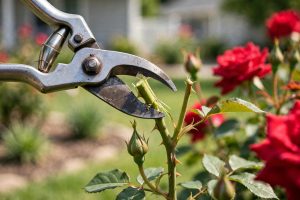
– Pots with drainage holes. A six-inch pot works well for one plant. Holes in the bottom let extra water drain out. Basil roots rot quickly in standing water. – Good potting soil. Use a light, well-draining potting mix made for indoor plants. Do not use heavy garden soil from outside. A mix with perlite or vermiculite helps air reach the roots. – Seeds or a starter plant. Seeds are cheap and give you many plants. A small starter plant is faster and easier for a first try. – A bright window or a grow light. Basil needs six or more hours of light a day. A south-facing window is best. In winter, a simple grow light makes a big difference. – A watering can with a narrow spout. This helps you water the soil without soaking the leaves. – Liquid fertilizer. A mild, balanced houseplant fertilizer keeps the plant fed. – Small scissors or pruning shears. Clean, sharp cuts heal faster. A sharp pair of hand pruners from Fiskars or a harvest knife from Corona Tools will last for years.
For bigger setups, a grow light stand you build yourself or buy ready-made can hold lights for several pots. Guides from The Spruce and Bob Vila offer simple indoor garden plans. Stores like Home Depot and Lowe’s carry pots, mixes, and lights in one trip, while Gardener’s Supply sells kits made for indoor herb growing.
Planting Basil Indoors: Seeds or Starter Plants?
Starting from seed is cheap and gives you many plants. Seed companies like Burpee sell many basil varieties with growing notes on every packet. Fill a small pot or tray with moist potting mix. Press the tiny seeds lightly into the surface and cover with a thin layer of soil. Mist the surface, cover loosely with plastic wrap, and keep it in a warm spot around 70 degrees. Seeds sprout in five to ten days. Once seedlings have two sets of true leaves, move each one to its own pot.
Buying a starter plant is faster. Choose a plant that looks full and green, with no yellow leaves. Move it to a slightly larger pot with fresh potting mix and water it well.
A third option is growing from cuttings. Snip a four-inch stem from a healthy plant, remove the lower leaves, and place it in a glass of water. Roots appear in one to two weeks. Then plant it in soil. For year-round harvest, start new plants every three to four months.
Light: The Most Important Factor
Light is the single most important thing for indoor basil. Without enough light, the plant grows weak, pale, and leggy. Stems stretch out, leaves stay small, and the flavor fades.
Basil needs six to eight hours of bright light each day. A south-facing window gives the most light in winter. North windows are usually too dim on their own.
Watch your plant. If the stems are long and thin with wide spaces between leaves, it needs more light. Move it closer to the window or add a grow light.
In winter, the days are short and the sun sits low. A basic full-spectrum grow light solves this problem. Consumer Reports tests indoor grow lights and rates them for brightness and energy use, which helps you pick a good one without overspending. Place the light a few inches above the plant and keep it on for 12 to 14 hours a day. An automatic timer makes this easy.
Turn the pot a quarter turn every few days so it grows evenly instead of leaning toward the window.
Water and Soil: Getting the Balance Right
Basil likes soil that is moist but never soggy. Touch the top inch of soil with your finger. If it feels dry, water. If it feels moist, wait a day and check again. When you water, pour slowly until water comes out of the drainage holes. Let the pot drain fully. Never let the pot sit in a saucer of standing water.
In summer, or when the heat is on in winter, the soil dries faster. Check it every day. In a cool room, it may stay moist for several days. Adjust to the plant, not the calendar.
A good potting mix should feel light and loose. If water sits on top instead of soaking in, the mix is too packed. Adding perlite opens it up.
Basil hates “wet feet.” Roots that sit in water rot quickly. If your pretty pot has no drainage holes, use it as an outer cover and keep the plant in a plain plastic pot with holes inside. Water the soil, not the leaves, since wet leaves can lead to spots or disease.
Temperature and Humidity
Basil grows best between 65 and 75 degrees Fahrenheit. It stops growing below 50 degrees and dies near freezing. Keep it away from cold drafts, cold windowsills in winter, and air conditioner vents in summer.
Indoor air in winter is often dry, which basil handles better than many houseplants. Still, keep the plant away from hot, dry heating vents. A small pebble tray with water under the pot adds a little moisture to the air.
If your home gets cold at night in winter, move the pot away from the window in the evening. A cold window can chill the leaves even when the room feels warm.
Feeding Your Basil
Basil is a hungry plant when it is growing fast. In a small pot, it uses up the nutrients in the soil within a few weeks.
Use a balanced liquid houseplant fertilizer at half the strength listed on the label. Feed every two to four weeks during spring and summer. In winter, when growth slows, feed less often or stop for a while.
Do not overfeed. Too much fertilizer causes fast, weak growth with less flavor. A little food on a regular schedule is better than a lot at once. If the lower leaves turn yellow and the plant is not overwatered, it may need feeding. Start with a half-strength dose and see how it responds.
Pruning and Harvesting: The Key to Year-Round Growth
Basil must be cut regularly. If you never cut it, the plant flowers, sets seed, and dies. Regular harvesting stops this cycle and tells the plant to keep making new leaves.
Find a stem and look for the point where two small leaves grow out of the sides. Cut the stem just above that point. The stem will branch into two new stems. This simple habit turns one stem into a bushy plant.
Start harvesting when the plant is about six inches tall. Never take more than one-third of the plant at one time. Pinch the flowers. The moment you see flower buds forming at the top, pinch them off. Keep pinching and the plant stays in leaf-making mode for months.
Harvest in the morning, when the leaves have the most flavor. Use clean scissors and cut, do not tear. The more you cut, within reason, the more the plant grows.
Keeping Basil Healthy Through Winter
Winter is the hardest season for indoor basil. The days are short, the air is dry, and cold drafts are everywhere.
First, maximize light. Move the plant to your brightest window and clean the glass so more light comes through. Add a grow light on a timer if you can.
Second, ease off on water and food. The plant grows slowly in winter, so it needs less of both. Check the soil before every watering. Skip the fertilizer, or feed only once a month at half strength.
Third, keep it warm. Basil likes 65 degrees or higher. Move pots away from cold glass at night and away from doors that open to the outside.
Fourth, start backup plants. In late fall, take a few cuttings and root them in water. Keep these small plants on the windowsill through winter. If the main plant fails, the backups take over.
Common Problems and Easy Fixes
Leggy, stretched stems: The plant needs more light. Move it closer to the window or add a grow light.
Yellow leaves: The most common cause is too much water. Let the soil dry out between waterings. Yellow lower leaves can also mean the plant needs food.
Black or brown spots on leaves: Keep leaves dry and warm, remove spotted leaves, and give the plant space so air can move around it.
Wilting: If the soil is dry, water and the plant should perk up within hours. If the soil is wet and the plant still wilts, the roots may be rotting. Let it dry out and improve drainage.
Small bugs: Wash the leaves with a gentle spray of water, and let the soil dry between waterings to stop fungus gnats.
Weak flavor: The plant may need more light or less fertilizer. Strong light and modest feeding give the best flavor.
Most problems are fixed by adjusting light, water, or food. Basil is forgiving and bounces back fast when conditions improve.
Types of Indoor Setups
The windowsill pot. One pot on a sunny sill is the simplest setup. It costs almost nothing and gives enough basil for a small household. This is where most people start.
The kitchen counter garden. A row of pots near a window holds basil along with other herbs like parsley and mint. If you want to branch out, a guide on how to grow herbs indoors year round covers the basics for a full herb collection.
The grow light shelf. A wire shelf with a grow light over each level can hold many plants. It costs more to build, but it gives you fresh herbs in any season, even in a dark apartment.
The hydroponic kit. Basil grows very well in water-based systems with no soil. Small countertop kits are clean and fast, but they cost more than soil growing.
Start small. One healthy plant teaches you more than five struggling ones.
Harvesting, Storing, and Using Fresh Basil
Pick leaves as you need them. For a big harvest, cut whole stems. Use the leaves right away for the best flavor.
If you have more than you can use fresh, you can freeze it. Chop the leaves, pack them into ice cube trays with a little water or olive oil, and freeze. Pop out the cubes and store them in a freezer bag. They keep for months.
You can also make pesto and freeze it in small jars or trays. In the kitchen, basil shines in simple dishes. Tear fresh leaves over pizza right out of the oven, mix them into pasta with olive oil and garlic, or add them to salads and soups.
If you enjoy indoor growing, you might also try other fast crops. A microgreens kit gives you fresh greens in a week or two, and a guide to growing lettuce indoors in winter pairs well with basil on the same shelf.
Cost and Budget
Growing basil indoors is cheap. A packet of seeds costs two to four dollars and holds dozens of seeds. A starter plant costs three to six dollars. A six-inch pot costs one to three dollars, and a small bag of potting soil costs four to eight dollars and fills many pots.
A basic LED grow bulb costs ten to twenty dollars. A bottle of liquid fertilizer costs six to ten dollars and lasts a year or more. A basic setup with a starter plant, a pot, and soil costs under fifteen dollars. Most growers break even within a month or two compared to buying fresh basil at the store.
Frequently Asked Questions
How long does an indoor basil plant live? With good care, six months to a year. Regular pruning and flower pinching extend its life.
Can basil grow indoors without a grow light? Yes, with a bright south-facing window that gives six or more hours of direct sun. In winter, a grow light makes a big difference.
Why is my indoor basil dying? The most common reasons are too much water, too little light, or cold drafts. If the soil is soggy, let it dry out. Move the plant to a brighter, warmer spot.
How often should I water indoor basil? There is no fixed schedule. Water when the top inch of soil is dry. This might be every day in summer or every few days in winter. Always let extra water drain out.
Can I grow basil indoors in winter? Yes. Use your brightest window, add a grow light, keep the plant warm, and water less. Many people keep basil going all winter this way.
Should I let my basil flower? No, if you want leaves. Flowering signals the plant to stop making leaves and start making seeds. Pinch off flower buds the moment you see them.
A Short Final Word
Learning how to grow basil indoors year round is a small skill with a big reward. It takes one pot, one window, and a few minutes of care each day. In return, you get fresh, fragrant leaves in every season. Start with one plant, learn its needs, and cut it often.
References
Bob Vila. (n.d.). Home improvement advice. https://www.bobvila.com Burpee. (n.d.). Seeds, plants, and gardening supplies. https://www.burpee.com Consumer Reports. (n.d.). Product reviews and ratings. https://www.consumerreports.org Corona Tools. (n.d.). Garden and landscape tools. https://www.corona-tools.com Family Handyman. (n.d.). DIY home repair and maintenance. https://www.familyhandyman.com Fiskars. (n.d.). Garden and cutting tools. https://www.fiskars.com Gardener’s Supply Company. (n.d.). Gardening tools and supplies. https://www.gardeners.com Lowe’s. (n.d.). Home improvement products. https://www.lowes.com The Home Depot. (n.d.). Home improvement products. https://www.homedepot.com The Spruce. (n.d.). Home and garden advice. https://www.thespruce.com
Was this guide helpful?

About David Wilson
The My Garden US editorial team writes practical, in-depth home and garden guides for American homeowners — tested advice, no fluff.
You May Also Like
How Much Soil Do You Need? A Raised Bed Soil Calculator Guide
March 11, 2026 0 views
Seed Starting in Egg Cartons Guide: A Simple Way to Begin Your Garden
June 27, 2026 0 views
Drip Irrigation Pressure Regulator Guide
February 3, 2026 0 views