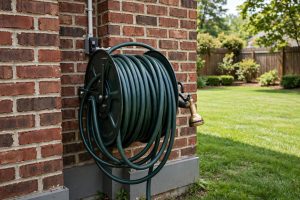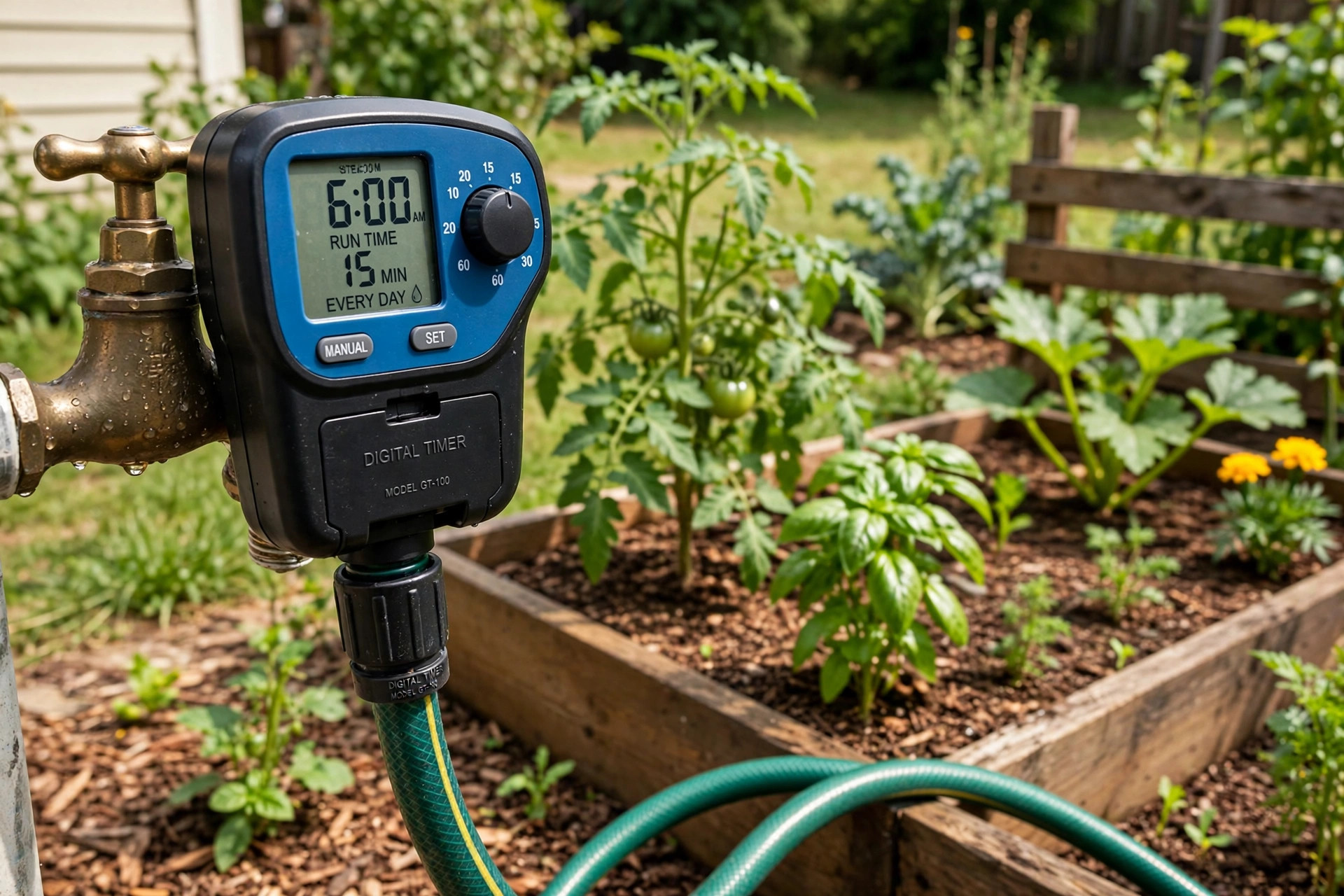

The best garden watering timer reviews all point to one clear fact: a timer can change the way you water your garden. Many gardeners water too much or too little. A timer takes the guesswork out of the job. It turns the water on and off at set times. Your plants get water when they need it, even when you are away from home. This guide gathers what the best garden watering timer reviews say about types, features, prices, and care. It is written in plain terms so you can make a good choice with confidence.
Why a Garden Watering Timer Matters
Plants do best on a steady schedule. Hand watering is fine, but most people forget a day or flood the bed by mistake. A watering timer keeps the plan steady. It can cut water waste by a large amount. It also saves you time each week.
A timer is a friend to busy households. If you leave for a trip, the garden still gets water. If you work long hours, the timer waters early in the morning when the air is cool. Early watering is best for plants. It lets leaves dry before night, which lowers the chance of disease.
Timers also help when you pair them with a drip line or a soaker hose setup. The water goes straight to the roots. Very little is lost to wind or runoff. Review after review says the same thing: the money spent on a timer comes back in saved water and healthier plants.
What to Look for When You Buy: Best Garden Watering Timer Reviews
The best garden watering timer reviews judge timers on a short list of features. Start with these points before you read any single review.
Ease of setup. A good timer should take under ten minutes to set. Look for large dials or a simple screen. Avoid models that need a phone app if you want a basic tool.
Number of outlets. A single-outlet timer runs one hose or one zone. A dual-outlet model runs two zones on different schedules. Large yards with flower beds and a lawn may need two outlets or more.
Watering time range. Check the shortest and longest watering times. Some timers allow one minute; others start at fifteen. Vegetable beds often need short, deep watering. Lawns often need longer runs.
Frequency options. Most timers water every day, every other day, or on set days of the week. Some allow several cycles per day. Potted plants in summer heat may need two short cycles a day.
Rain delay. A rain delay button skips watering after rain. It is one of the most loved features in reviews. It saves water and keeps soil from turning soggy.
Battery life and power. Most hose timers run on AA batteries. Check how long the batteries last. Some last a full season. A low-battery warning light is a useful extra.
Fittings and build quality. Brass fittings last longer than plastic ones. A rubber seal around the battery box keeps water out. Reviews often praise solid threads that connect without leaks.
Types of Garden Watering Timers
Hose Faucet Timers
These attach directly to the outdoor faucet. You connect a garden hose to the other side. They are the most common type and the easiest to install. They suit small to mid-size gardens. Pair one with a sturdy garden hose and you can cover beds, borders, and containers.
In-Ground Sprinkler Controllers
These control an underground sprinkler system. They sit in a box near the water line and run several zones on their own. They cost more, but they serve lawns and large beds well. Installation takes more work and often needs a plumber.
Drip Irrigation Timers
These are made for drip lines and soaker hoses. They handle low water pressure and long, slow runs. They suit vegetable rows, hedges, and raised beds. Many gardeners call them the best value because they waste the least water.
Mechanical Timers
A mechanical timer has no battery and no screen. You turn a dial to set the minutes. The water shuts off when the dial returns to zero. These are cheap and nearly unbreakable, but they do not run on a weekly schedule by themselves.
Smart and Wi-Fi Timers
Smart timers connect to your home Wi-Fi and are set through a phone app. They can check the weather forecast and skip watering on rainy days. They suit tech-savvy gardeners who want full control from anywhere. They cost more and need a strong Wi-Fi signal near the faucet.
What Reviews Tell You About the Best Features
Review sites and garden centers agree on a few stand-out features. The reviews at Consumer Reports often stress reliability over time. A timer that works well in month one must still work well in month six. Sun and water wear down cheap plastic.
Guides at The Spruce highlight clear displays. A screen you can read in bright sunlight matters. Big buttons help when your hands are wet or muddy. Simple manuals matter too. Many one-star reviews complain about confusing instructions, not broken parts.
How-to sites like Bob Vila point out water-pressure needs. Some timers need a minimum pressure to open and close the valve. If your home has low pressure, check this spec before you buy. A timer that will not open on low pressure is useless for your yard.
Project guides at Family Handyman remind readers to match the timer to the job. A small patio garden does not need a four-zone controller. A large yard with lawn, beds, and shrubs may need one. Buying the right size saves money and headaches.
Retail pages at Home Depot and Lowe’s show real buyer reviews with photos. These help you see how a timer holds up after a season of use. Look for patterns in the complaints. One bad review means little. Twenty reviews about the same leak mean a lot.
Cost and Price
Garden watering timers cover a wide price range. A simple mechanical timer can cost less than ten dollars. A basic digital hose timer often runs between twenty and forty dollars. Dual-outlet digital models run from forty to eighty dollars. Full in-ground controllers cost from one hundred to several hundred dollars.
Do not pick on price alone. A cheap timer that leaks costs you water every day. Reviews suggest spending a bit more for brass fittings and a sealed battery box. The mid-range models often win the best ratings because they balance cost and build quality.
Think about long-term cost too. A timer that cuts your water bill by a quarter pays for itself in one season in many parts of the country. If you also collect rainwater with a garden rain barrel, you can cut costs even further.
Care and Upkeep
A watering timer needs little care, but a few habits will make it last for years.
Remove it before the first freeze. Water left inside the timer can freeze and crack the body. Take it off the faucet in late fall. Store it in a dry shed or garage.
Change batteries each spring. Fresh batteries at the start of the season prevent mid-summer failures. Mark the date on your calendar.
Clean the filter screen. Most timers have a small screen where the hose connects. Rinse it when you see grit or low flow. Mineral build-up is common in hard-water areas.
Check for leaks monthly. Walk the line once a month. Tighten fittings by hand if you see drips. Do not use a wrench on plastic threads.
Shield it from harsh sun. Direct afternoon sun wears out screens and plastic. A small shade or a faucet on the north side of the house helps.
Tool makers like Fiskars and Corona make garden tools that last, and their care guides share the same message: clean tools and timers at season’s end and they will serve you for many years.
It also helps to test the timer before the busy season starts. In early spring, run a full cycle and watch each zone. This quick test catches weak batteries, clogged screens, and cracked washers before your plants depend on the schedule. Ten minutes of testing in March saves many headaches in July.
Safety and Water Care
Water safety matters when you leave a timer running. Check your local rules on outdoor watering. Some towns limit watering days during dry spells. A timer with a rain delay helps you follow these rules.
Prevent backflow into your home water supply. Many towns require a backflow device on outdoor faucets. Check the timer manual and your local code. A simple vacuum breaker on the faucet is cheap and easy to add.
Do not leave the faucet on full blast with a timer that is not running. Close the faucet valve when you remove the timer for the season. Keep electrical parts of plug-in controllers away from sprinklers and standing water.
If you water food plants, keep the timer and hoses clean. A dirty screen can breed mold. Flush the line at the start of each season before you water vegetables.
Frequently Asked Questions
How long should a garden watering timer run each day? It depends on the plants and the soil. Most vegetable beds need about one inch of water per week from rain and watering combined. Sandy soil drains fast and needs shorter, more frequent runs. Clay soil holds water and needs less. Start with thirty minutes twice a week and adjust.
Can a watering timer work with low water pressure? Some can and some cannot. Check the manual for the minimum pressure rating. Drip systems often work fine at low pressure. If your pressure is very low, a mechanical timer may serve you better than a digital one.
Do I need Wi-Fi for a watering timer? No. Basic timers work with dials or buttons and no phone at all. Smart timers with Wi-Fi let you change settings from your phone and can skip watering when rain is forecast. They cost more and need a steady Wi-Fi signal near the yard.
How do I stop my timer from leaking at the faucet? Use the rubber washer that comes with the timer. Tighten by hand only. Wrap the faucet threads with pipe tape if drips continue. Replace cracked washers each spring.
Can I use a timer with a soaker hose? Yes. Many timers are made for this pairing. Use a timer rated for low flow and pair it with the hose line described in guides at Gardener’s Supply. Soaker hoses give slow, even water that roots love.
Where can I learn more about watering schedules? Seed sellers like Burpee publish planting and watering guides for common vegetables and flowers. These help you set the right schedule for each plant in your beds.
A Final Word
The best garden watering timer reviews agree on the basics: keep it simple, match the timer to your yard, and do a little care each season. A timer will not make you a perfect gardener overnight. It will give your plants steady water, save you time, and cut waste. Read a few reviews, pick a model with the features you need, and enjoy a garden that waters itself.
References
Bob Vila. (n.d.). Home improvement advice. https://www.bobvila.com Burpee. (n.d.). Seeds, plants, and gardening supplies. https://www.burpee.com Consumer Reports. (n.d.). Product reviews and ratings. https://www.consumerreports.org Corona Tools. (n.d.). Garden and landscape tools. https://www.corona-tools.com Family Handyman. (n.d.). DIY home repair and maintenance. https://www.familyhandyman.com Fiskars. (n.d.). Garden and cutting tools. https://www.fiskars.com Gardener’s Supply Company. (n.d.). Gardening tools and supplies. https://www.gardeners.com Lowe’s. (n.d.). Home improvement products. https://www.lowes.com The Home Depot. (n.d.). Home improvement products. https://www.homedepot.com The Spruce. (n.d.). Home and garden advice. https://www.thespruce.com
Was this guide helpful?

About Michael Thompson
The My Garden US editorial team writes practical, in-depth home and garden guides for American homeowners — tested advice, no fluff.
You May Also Like
The Best Garden Scissors for Harvesting Herbs
May 24, 2026 0 views
How to Compost in Small Apartment: A Plain Guide for Beginners
September 11, 2026 0 views
The Best Garden Hand Tools for Seniors: Comfort and Control in the Yard
February 23, 2026 0 views