Introduction
This how long do water heaters last usa guide answers a question every homeowner faces. A water heater works hard every day. It heats water for showers, dishes, and laundry. Then one morning the hot water runs cold, or a leak appears on the floor. Knowing the expected life of a water heater helps a homeowner plan ahead. It turns a sudden crisis into a planned repair. This guide covers the average life of each type of water heater sold in the United States. It explains what shortens a water heater life and what extends it. It lists the signs that a unit is near its end. It gives rough costs for replacement. A homeowner who reads this guide will know when to repair, when to replace, and how to get the most years from a new unit.
Why It Matters: How Long Do Water Heaters Last Usa Guide
Hot water is a quiet comfort. People notice it only when it is gone. A water heater that fails can cause real harm. A tank that bursts can flood a home. Water can damage floors, walls, and stored goods. A heater near the end of its life deserves a watchful eye. A heater past its expected life deserves replacement before it fails.
Planning also saves money. A rush job costs more than a planned job. When a heater dies on a Sunday night, the owner pays emergency rates. When the owner replaces it on a free Saturday, the owner can compare prices. Knowing the life span gives the owner time to save and to shop. It also helps with home sales. Buyers ask about the age of the water heater. A new unit adds value.
There is also the matter of energy. An old tank heater loses heat through worn insulation. It works harder to keep water hot. Newer models use less energy. Replacing an aging unit can lower the gas or electric bill. Over several years, the savings add up. A planned change is both safer and cheaper than a forced one.
What to Look For: Signs a Water Heater Is Near the End
A water heater rarely fails with no warning. It sends signs. A careful owner can read them. The first sign is age. Check the maker label on the tank. It shows a serial number. The first digits often show the year of make. A tank that is ten years old is past its prime. A tank that is fifteen years old is on borrowed time. Tankless units last longer, but age still counts.
The second sign is rust. Look at the tank shell for rust spots. Check the pipes that enter and exit the tank. Rust on the tank shell is a bad sign. It means the steel is corroding from inside. Once the tank wall weakens, a leak follows. Water on the floor near the tank is the third sign. A steady leak from the tank body means the tank has failed. At that point, replacement is the safe choice.
The fourth sign is sound. Sediment builds up in the tank over time. When the burner fires, the sediment pops and rumbles. A loud rumbling tank is full of mineral scale. The scale traps heat and stresses the metal. It also cuts efficiency. The fifth sign is water quality. If hot water runs rusty or has an odor, the tank lining may be failing. Cold water that runs clear while hot water runs cloudy points to the tank, not the pipes.
Types and Expected Life Spans
Standard Tank Water Heaters
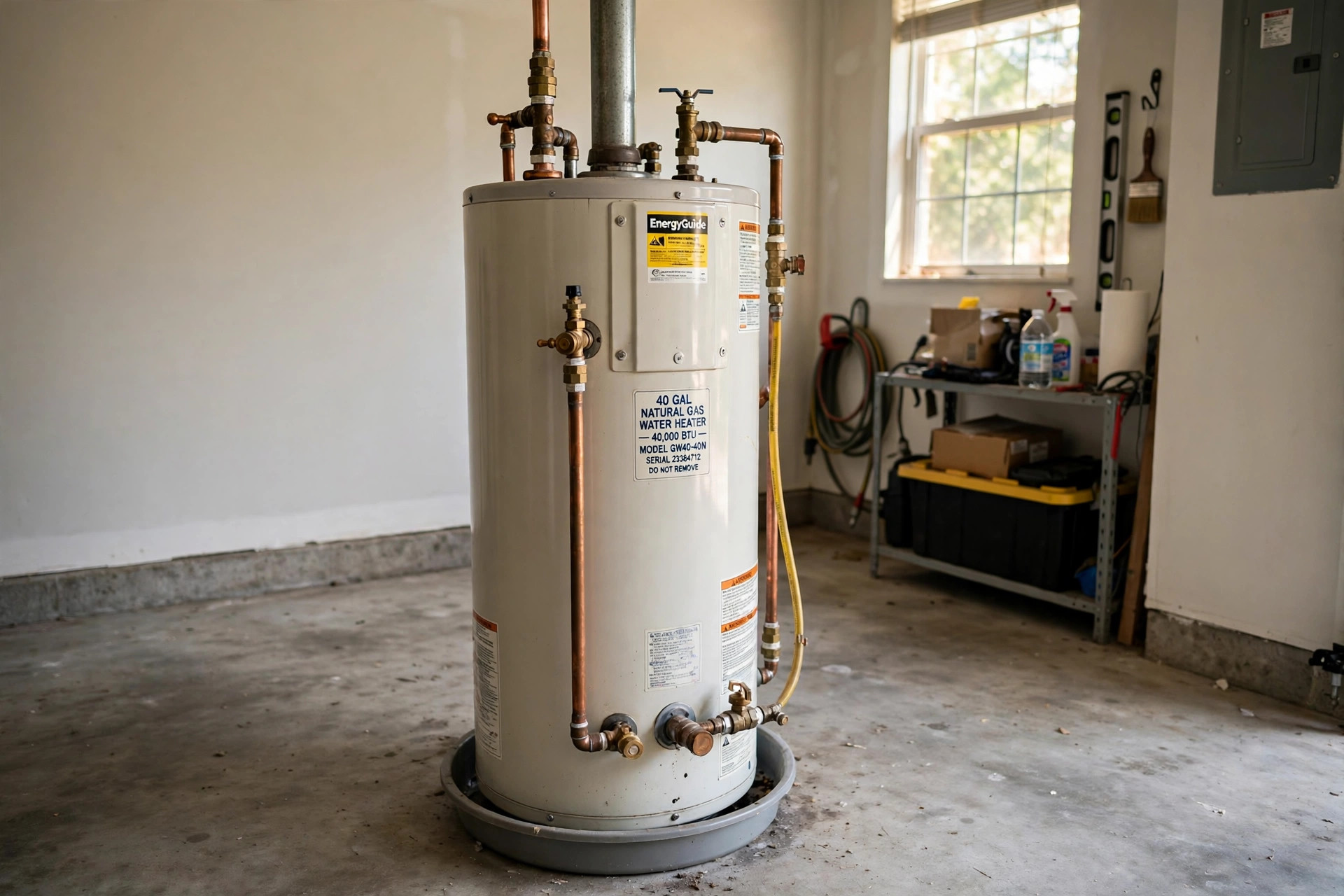
The standard tank heater is the most common type in American homes. It holds 30 to 80 gallons of water and keeps it hot all day. The average life is eight to twelve years. Most last about ten years. Gas models sometimes run a bit shorter because the burner stresses the tank bottom. Electric models sometimes run a bit longer because they heat more gently.
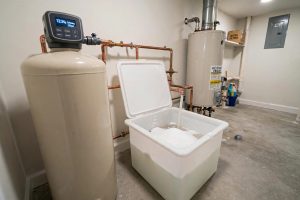
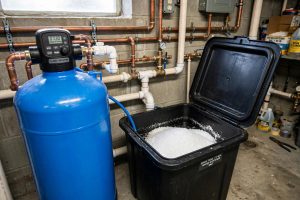
Hard water shortens tank life. Minerals settle at the bottom of the tank. They form a hard scale. The scale insulates the bottom from the burner. The metal overheats and weakens. In areas with very hard water, a tank may last only six or eight years. A water softener can help. For more on choosing a tank, see the best 50 gallon gas water heater reviews usa. Maker pages from Rheem show how tank models are rated, and independent tests at Consumer Reports compare makes and models.
Tankless Water Heaters
A tankless heater heats water only when a tap opens. It has no storage tank to rust. The average life is fifteen to twenty years. Many reach twenty years with good care. The key care item is descaling. Hard water leaves scale in the heat exchanger. A yearly flush with vinegar keeps it clear. Tankless units cost more up front. Their long life and lower energy use can make them worth the price. For sizing help, see the best tankless water heater for family of 5.
Heat Pump Water Heaters
A heat pump water heater pulls heat from the air to warm the water. It uses far less electricity than a standard electric tank. The average life is ten to fifteen years. The compressor and fans are the parts that wear. These units work best in warm rooms like a basement or garage.
Solar Water Heaters
A solar heater uses roof panels to heat water. It often pairs with a backup tank. The panels can last twenty years or more. The storage tank lasts about as long as a standard tank. Pumps and controls may need repair after ten years. Solar systems suit sunny regions best.
Point of Use Heaters
Small point of use heaters serve one sink or shower. They are common in workshops and additions. They last about ten years. Their small size makes them easy and cheap to replace.
Cost and Price
Replacement cost varies by type and by region. A standard 40 or 50 gallon gas or electric tank heater costs about one thousand to two thousand dollars installed. The unit itself may cost five hundred to one thousand dollars. Labor adds several hundred more. Retailers like Lowe’s and Home Depot list unit prices online for easy comparison.
A tankless unit costs more. The unit alone may cost one thousand to two thousand five hundred dollars. Installed cost often runs two thousand five hundred to five thousand dollars. Gas line upgrades and venting add to the bill. A home may need a larger gas line to feed a tankless unit.
A heat pump water heater costs about two thousand to four thousand dollars installed. Tax credits and utility rebates can cut this cost. Federal and state programs often reward high efficiency models. A solar system costs the most. A full install can run six thousand to ten thousand dollars or more. Rebates help, but the payback takes years.
Repair costs are smaller. A new thermostat or element for an electric tank costs one hundred fifty to three hundred dollars with labor. A new gas control valve costs two hundred to four hundred dollars. An anode rod change costs one hundred to two hundred dollars. On a young tank, these repairs make sense. On a tank past twelve years, the money is better put toward a new unit.
Shop around before buying. Get three written quotes for the install. Ask each bidder to list the permit, the haul away, and any code upgrades. A low bid that skips the permit is not a bargain. Brand sites such as Moen and Kohler publish spec sheets that help you compare features across models.
Care and Upkeep: Getting the Full Life
A water heater lasts longer with simple care. The water heater maintenance checklist for homeowners covers these tasks in detail. The most important task is the anode rod. The rod is a metal stick inside the tank. It corrodes so the tank does not. When the rod is gone, the tank starts to corrode. Check the rod every two to three years. Replace it when it is thin or coated. A new rod can add years to a tank. This single task is the best value in water heater care.
The second task is flushing. Once a year, drain a few gallons from the tank bottom. This removes loose sediment. Turn off the fuel first. Let the water cool. Open the drain valve with a hose to a floor drain. Close it when the water runs clear. A tankless unit needs a different flush. Pump vinegar through the unit with a small pump kit. Do this once a year in hard water areas.
The third task is the temperature setting. Set the thermostat to one hundred twenty degrees. This is hot enough for comfort and dishwashing. It is cool enough to cut burn risk. It also slows scale buildup and saves energy. Each ten degrees above this setting adds wear and cost.
The fourth task is the pressure relief valve. This valve opens if the tank pressure gets too high. Test it once a year. Lift the lever and let it snap back. Water should flow, then stop. If it drips after the test, replace the valve. A failed valve is a safety risk.
The fifth task is a look around. Once a season, look at the tank. Check for rust, drips, and scorch marks. Look at the vent pipe on a gas model. Keep the area around the tank clean. Keep flammable goods away from the burner area.
Water quality shapes how often these tasks are needed. Homes on hard well water need more flushing and more frequent rod checks. A softener or filter can slow scale. Guides on home water quality from the EPA explain testing options. For hot water efficiency tips, the U.S. Department of Energy offers plain advice.
Safety
Water heaters are safe when they are sound. The main risks are burns, gas leaks, and tank rupture. Set the temperature to one hundred twenty degrees to cut scald risk. Children and older adults burn fastest. Mix valves at the tap add more safety.
On a gas model, learn the smell of gas. If gas is smelled near the heater, leave the house. Call the gas company from outside. Do not flip switches or light matches. Have the gas line and vent checked if the burner flame looks yellow instead of blue. A yellow flame can signal poor venting.
Never cap or plug the pressure relief valve. It is the last guard against a pressure burst. Never install a tank without a drain pan. A pan with a drain line catches slow leaks. Leak alarms add one more guard. A small battery alarm near the tank sounds when water touches it.
Know where the water shutoff is. A quarter turn valve on the cold inlet stops water to the tank. In a leak, shutting this valve limits damage. Every adult in the home should know its spot. Relief valve care is covered in repair guides at This Old House and Family Handyman.
FAQ
How long does a typical tank water heater last?
Eight to twelve years is the common range. Ten years is the rough middle. Gas models sit near the low end. Electric models sit near the middle. Hard water and high heat settings push life down. Regular anode rod changes push it up.
How long does a tankless water heater last?
Fifteen to twenty years is normal with care. The heat exchanger is the heart of the unit. Yearly descaling keeps it clear. Units in soft water areas last longest. Units that never get flushed may fail near year twelve.
Can a water heater last twenty years?
A tank unit rarely does. A few well kept tanks reach fifteen years. A tankless unit can reach twenty years. A solar panel set can last twenty years or more. The storage tank in a solar set still needs replacement on the normal tank schedule.
Should I repair or replace an old water heater?
Replace it if the tank is over ten years old and the repair is costly. Repair it if the tank is young and the fault is a single part. A failed tank body always means replacement. A rusty tank shell always means replacement. Do not spend repair money on a tank that is already past its expected life.
Does hard water shorten water heater life?
Yes. Hard water is the main enemy of tank heaters. Minerals form scale on the bottom and walls. The scale cuts efficiency and overheats the metal. In hard water regions, tanks may last only six to eight years. A softener helps. Yearly flushing helps. The EPA notes that water hardness varies widely by region, so a local water test is worth the small cost.
How do I find the age of my water heater?
Read the serial number on the maker label. Most makers code the year into the first digits. Some use a letter for the month and two digits for the year. Check the maker site for the code pattern. If the label is gone, a plumber can often date the unit by its model. When in doubt, treat an unknown old unit as old.
A Short Final Word
A water heater is a machine with a known life. Tanks give about ten years. Tankless units give about twenty. Simple care adds years. Watchful eyes catch trouble early. When the signs point to the end, replace on your own terms. A planned change costs less than a flooded floor at midnight. Use this guide to set a date on the calendar. Check the rod. Flush the tank. Set the heat to one hundred twenty. These small acts buy real years. And when the time comes, pick a unit that fits the home, the budget, and the water.
References
Consumer Reports. (n.d.). Product reviews and ratings. https://www.consumerreports.org Family Handyman. (n.d.). DIY home repair and maintenance. https://www.familyhandyman.com Kohler. (n.d.). Bathroom and kitchen fixtures. https://www.kohler.com Lowe’s. (n.d.). Home improvement products. https://www.lowes.com Moen. (n.d.). Faucets and plumbing fixtures. https://www.moen.com Rheem. (n.d.). Heating, cooling, and water heating. https://www.rheem.com The Home Depot. (n.d.). Home improvement products. https://www.homedepot.com This Old House. (n.d.). Home renovation guidance. https://www.thisoldhouse.com U.S. Department of Energy. (n.d.). Energy efficiency and renewable energy. https://www.energy.gov U.S. Environmental Protection Agency. (n.d.). Protecting human health and the environment. https://www.epa.gov
Was this guide helpful?

About James Carter
The My Garden US editorial team writes practical, in-depth home and garden guides for American homeowners — tested advice, no fluff.