Most homes have a water heater in a garage, basement, or utility closet. It sits there and works for years. Most owners give it no thought until the morning the shower runs cold. A water heater maintenance checklist for homeowners is the simple answer to that problem. It is a short list of small jobs, spread across the year, that keep the tank or tankless unit in good shape. This article walks through the full list. It covers monthly checks, quarterly checks, and the one big annual job. Follow the list and the unit will last longer, run cheaper, and break down less often.
Why It Matters
A water heater is one of the hardest-working machines in a home. It heats and holds forty to eighty gallons of water, day and night, for ten years or more. Hard water leaves mineral sediment in the bottom of the tank. That sediment acts like a blanket between the burner or the heating element and the water. The unit works harder to make the same hot water. Energy bills rise a little each year.
Sediment also eats at the steel of the tank. So does rust. Anodes and glass linings slow that damage, but they wear out. When the tank fails, it can fail as a slow drip or as a sudden flood. A flooded garage or basement can ruin floors, walls, and stored goods.
Regular care changes the math. The U.S. Department of Energy notes that well-maintained water heaters run more efficiently and last closer to their full rated life. Most tank units are rated for eight to twelve years. With a steady water heater maintenance checklist for homeowners, many reach the top end of that range. Tankless units can last twenty years with proper descaling. Skipping care voids some maker warranties. Check the label on your unit and keep the papers.
How to Use This Checklist: Water Heater Maintenance Checklist for Homeowners
Think of the list in three layers. Monthly checks take five minutes. Quarterly checks take ten. The annual jobs take an hour. Mark them on a calendar at the start of each year.
Gather a few simple tools before you start. You will need a garden hose long enough to reach a floor drain or the yard, a bucket, a flat screwdriver, a flashlight, and a pair of gloves. For gas units, know where the gas shut-off valve is. For electric units, know which breaker feeds the heater. Write the model number and the install date on a card and tape it to the side of the tank. That card saves time on every service call.
The Checklist: Monthly Tasks
Look for Leaks and Rust
Walk up to the unit once a month. Look at the floor around the base. Look for damp spots, white crust, or rust streaks. Check the pipes on top and the connections where water enters and leaves. Feel them with a dry hand. A slow drip today is a big repair next month.
Listen to the Unit
Stand near the tank when it is heating. A quiet rumble or hiss is normal. Loud popping or crackling is not. That sound means sediment is boiling at the bottom of the tank. It is an early warning that the tank needs a flush soon. For tankless units, listen for error codes on the display or beeps you have not heard before.
The Checklist: Quarterly Tasks
Test the Temperature and Pressure Relief Valve
The TPR valve is a small brass valve on the side or top of the tank, with a short pipe running down. It is the main safety device. It opens if the pressure or heat inside the tank climbs too high. Test it every three months.
Place a bucket under the drain pipe. Lift the small lever on the valve and let it snap back. Hot water should flow out and then stop. If no water comes out, or if the valve keeps dripping after you release it, call a plumber to replace it. Do not skip this test. A stuck TPR valve is a real safety risk. Guides from This Old House list this test among the top checks for any tank owner.
Check the Discharge Pipe
The pipe on the TPR valve should end six inches above the floor. It must not be capped, plugged, or bent upward.
Inspect the Vent on Gas Units
If the heater burns gas, look at the vent pipe on top. It should be tight, straight, and free of rust holes. Check that the draft hood sits flat. Never store paint cans, solvents, or gasoline near a gas water heater. Keep at least a foot of clear space around the whole unit.
The Checklist: Annual Tasks
Flush the Tank
This is the most important job on the list. Flushing removes the sediment that cuts efficiency and shortens tank life.
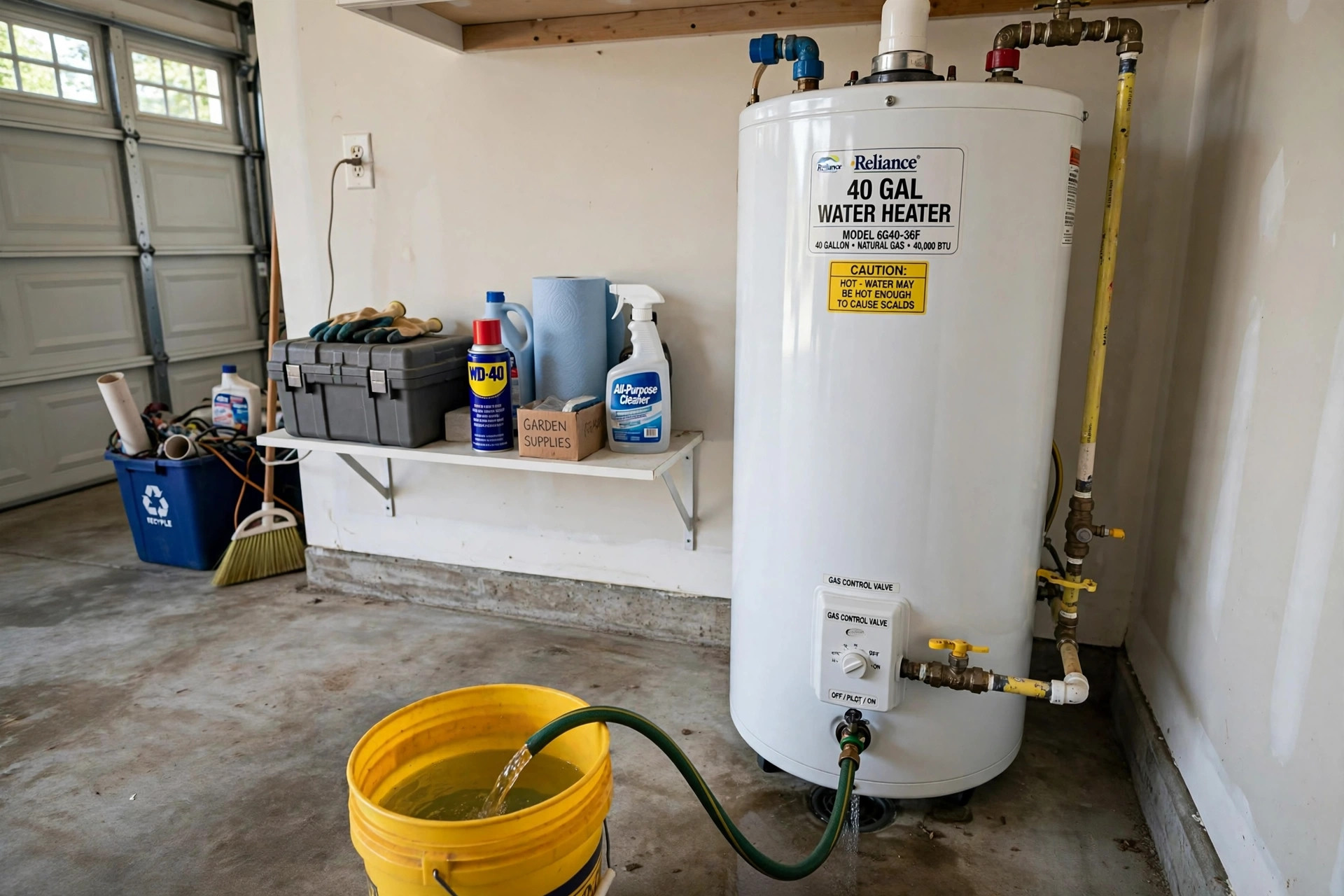
Turn off the unit first. For electric heaters, switch off the breaker. For gas heaters, turn the gas control to the pilot setting or off. Then turn off the cold water supply to the tank. Open a hot water faucet in the house to let air in. Connect a garden hose to the drain valve at the bottom of the tank. Run the hose to a floor drain or a safe spot in the yard. Open the drain valve and let the tank empty. Watch the water. It may look cloudy or rusty at first. When it runs clear, turn the cold water on for a minute to stir up last sediment, then drain again. Close the valve, remove the hose, close the house faucet, turn the water supply back on, and restart the heater. Fill the tank fully before you turn the power or gas back on.
Many owners ask how often should you flush a water heater. Once a year is right for most homes. If your area has very hard water, flush every six months. The water heater maintenance checklist for homeowners works best when this step is never skipped. Family Handyman publishes a step-by-step flushing guide that matches this method, and it is a good reference for first-timers.
Inspect the Anode Rod
The anode rod is a long metal rod inside the tank. It sacrifices itself to rust so the steel tank does not. It usually lasts three to five years. When it is gone, the tank starts to rust fast.
Checking the rod means loosening the hex head on top of the tank and pulling it partway out. If you are not comfortable with a wrench, ask a plumber to check it during another visit. Replace the rod when more than six inches of core wire shows or when it is coated thick with mineral. A water heater anode rod replacement costs far less than a new tank. This one step can add years to the life of the unit.
Set the Thermostat to 120 Degrees
Find the thermostat. On gas units it is a dial on the gas control valve. On electric units there are small panels on the side of the tank, one near the top element and one near the bottom. Set both to 120 degrees Fahrenheit. This temperature is hot enough for showers, dishes, and laundry. It cuts energy use and lowers the risk of scalding. Keep 130 degrees only if the dishwasher lacks a booster heater.
Insulate Exposed Pipes
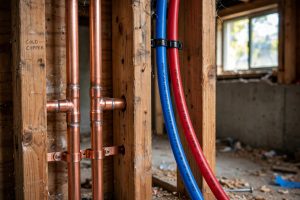
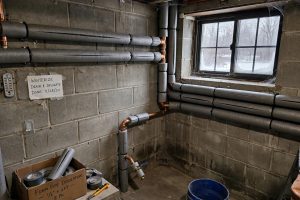
Wrap the first few feet of hot and cold pipes above the tank with foam pipe insulation. It costs little and keeps water hot on the way to the tap. On older tanks, an insulating blanket helps too. Do not cover the top of a gas unit, the TPR valve, the thermostat panels, or the burner access door.
Types and Options: Tank vs. Tankless
The checklist changes a little by type.
Tank heaters need the full flush, the anode rod check, and the TPR test described above. They are the most common type in American homes.
Tankless heaters have no tank, so there is no anode rod and no tank flush. They need descaling instead. A descaling kit uses a small pump to push vinegar through the heat exchanger. Do it once a year, twice a year in hard water. Also clean the inlet water filter and check the condensate drain line for clogs. Tankless units flash error codes on a display, so read the manual once and keep it near the unit.
Heat pump water heaters and solar water heaters have their own extra steps. Their manuals carry the full list.
Cost and Price Guide
Most of this checklist is free. Monthly and quarterly checks cost nothing but a few minutes. The annual flush costs nothing if you do it yourself with a garden hose.
A plumber usually charges one hundred to two hundred dollars for a tank flush. An anode rod replacement runs two hundred to four hundred dollars installed. A new TPR valve costs thirty to fifty dollars installed. A full tank water heater replacement runs one thousand to two thousand five hundred dollars, depending on size and fuel type. Tankless units cost more up front but last longer.
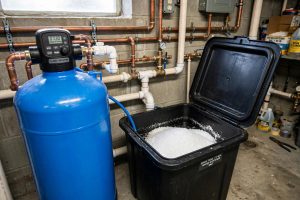
Hard water raises every one of these costs because sediment builds faster. A whole-home water softener slows sediment and stretch es the life of the tank. If you are weighing softener options, our guide to potassium chloride vs sodium softener salt explains the two main salt choices. Home centers like Home Depot and Lowe’s carry both flush kits and anode rods, so compare prices there before you hire out the job.
Care and Upkeep Between Visits
Small habits keep the unit healthy between checklist days. Do not use the top of the tank as a shelf. Boxes and paint cans block airflow on gas units and hide leaks on any unit. Keep the area dry. Mop up any dampness near the base right away and watch the spot for a week.
Run hot water in rarely used guest bathrooms once a month. This keeps water moving and stops odors.
Write down every service date. A small notebook on top of the unit works fine. When a plumber visits, show the log. It helps the plumber spot patterns.
If the home has a water filter on the main line, change the cartridges on schedule. Aquasana and Kohler both publish filter and fixture care notes for homeowners.
Safety Rules to Follow
Hot water and gas demand respect. Turn off the power at the breaker before you touch anything electrical on an electric unit. Test that the power is off with a non-contact tester if you have one. On gas units, if you smell gas, do not touch any switch. Leave the house and call the gas company from outside.
Never cap or plug the TPR valve or its drain pipe. Never light a pilot light if the area smells of gas. Keep children away from the heater while you work. The drain water during a flush is very hot at first, so aim the hose where no person or pet can step into it.
If the tank is more than twelve years old and shows rust on the shell, do not try to remove a seized anode rod or drain valve yourself. Old fittings can crack and cause a flood. Call a plumber. The EPA offers general guidance on safe home water handling, and Moen and Delta Faucet publish valve care tips that apply to supply shut-offs as well.
Frequently Asked Questions
How long does a water heater last? A tank unit lasts eight to twelve years on average. Good care pushes it toward twelve. Tankless units often last fifteen to twenty years. The install date on the label tells you where yours stands.
Can I flush my water heater myself? Yes. The steps in this article cover it. It takes about an hour. If the drain valve is plastic and old, have a plumber do it, because those valves can crack or stick open.
Why is my hot water rusty? Rusty hot water with clear cold water points to the tank or the anode rod. Flush the tank and check the rod. Rusty water from both taps points to the pipes or the supply.
What does it mean when the heater makes popping sounds? Popping means sediment is trapping water against the hot bottom of the tank. Flush the tank soon. If the noise stays after a flush, the sediment may be hardened, and a plumber can advise on next steps.
Should I turn off my water heater when I go on vacation? For trips of a week or more, turn a gas unit to the vacation setting and turn an electric unit to its lowest setting.
When should I replace instead of repair? Replace the unit when it is past ten years old and needs a major part, when the tank itself leaks or rusts through, or when repairs cost more than half the price of a new unit. A tank leak cannot be repaired. Only the tank can be replaced.
A Short Final Word
A water heater asks for little and gives a lot. Twelve small checks a year and one hour of work protect a machine that serves the home every single day. Print this checklist, tape it near the unit, and work through it season by season. When bigger plumbing questions come up, from slow drains to new fixtures, the same habit helps. Readers planning larger projects may also find our notes on hydro jetting costs for sewer lines in the USA and best pot filler placement over range USA useful. Care for the heater, and it will care for the home.
References
Aquasana. (n.d.). Water filtration systems. https://www.aquasana.com Delta Faucet. (n.d.). Kitchen and bathroom faucets. https://www.deltafaucet.com Family Handyman. (n.d.). DIY home repair and maintenance. https://www.familyhandyman.com Kohler. (n.d.). Bathroom and kitchen fixtures. https://www.kohler.com Lowe’s. (n.d.). Home improvement products. https://www.lowes.com Moen. (n.d.). Faucets and plumbing fixtures. https://www.moen.com The Home Depot. (n.d.). Home improvement products. https://www.homedepot.com This Old House. (n.d.). Home renovation guidance. https://www.thisoldhouse.com U.S. Department of Energy. (n.d.). Energy efficiency and renewable energy. https://www.energy.gov U.S. Environmental Protection Agency. (n.d.). Protecting human health and the environment. https://www.epa.gov
Was this guide helpful?

About Jennifer Lee
The My Garden US editorial team writes practical, in-depth home and garden guides for American homeowners — tested advice, no fluff.