
Why Homeowners Are Reading Handmade Subway Tile for Kitchen Reviews USA
A kitchen backsplash does more than guard a wall from water and steam. It sets the tone of the whole room. In recent years, many American buyers have turned to handmade subway tile for kitchen reviews USA in order to learn what real people think before they spend money. They read the reviews because handmade tile is not like factory tile. Each piece is a little different, and that is the whole point.
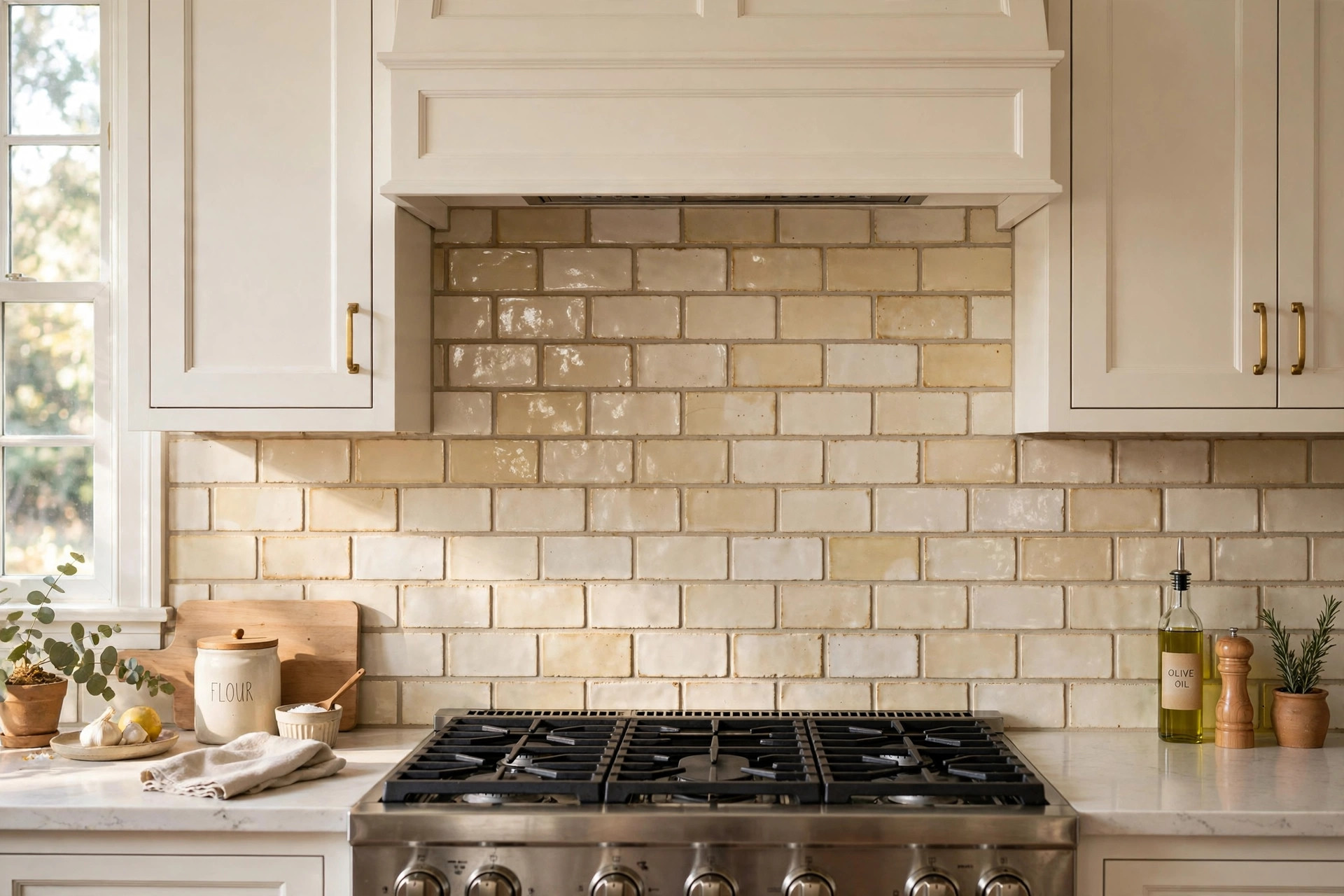
Subway tile got its name from the walls of the New York City subway stations built in the early 1900s. The classic shape is three inches by six inches. It has been in use for more than a hundred years, and it still looks fresh. What has changed is the rise of the handmade version. Machine-made tile is perfect and flat. Handmade tile carries the marks of the maker: a soft dip in the surface, a rim that bends a little, a glaze that pools and shifts. When light moves across it, the wall seems to breathe.
If you are new to tile, it helps to see how handmade pieces look in real homes. Homeowners often post photos of their finished kitchens on home improvement sites, and those photos tell you more than a catalog ever could. Reviews of handmade subway tile for kitchen use in the USA also give useful detail about the buying process. People write about how long shipping took, how the tile was packed, and whether the color in real life matched the color on the screen.
Why It Matters: Handmade Subway Tile for Kitchen Reviews Usa
The backsplash sits at eye level, right where you work. A cheap or poorly chosen backsplash can cheapen even a fine kitchen. A good one can lift an ordinary room. That is why so many owners do careful research first. Reading handmade subway tile for kitchen reviews USA helps you learn from the mistakes and the joys of others.
Handmade tile also matters for daily life. A kitchen wall sees heat, water, grease, and steam every day. The right tile must stand up to all of it. Handmade ceramic tile is fired hard in a kiln, so it handles heat and water well. But glaze quality differs from maker to maker, and that is exactly what reviews reveal. A buyer in Texas may note that a certain glaze stains from tomato sauce. A buyer in Oregon may praise how easily another glaze wipes clean. These small reports add up to a clear picture.
There is also the question of look. Factory tile gives you one flat color. Handmade tile gives you range. The same batch can hold pale cream, warm ivory, and soft sand, all in one box. Many owners love this. A few do not. Reviews teach you to expect the range instead of fighting it.
What to Look For When You Choose
Tile Size and Shape
The standard subway tile is three by six inches. Many handmade makers also sell two by six, two by eight, four by four, and long skinny strips. Small tiles mean more grout lines, and grout lines catch grease. In a busy kitchen, a medium size such as three by six is a safe choice. It gives a classic look without making cleaning a daily chore. When you compare handmade subway tile for kitchen reviews USA, note which sizes each reviewer picked and whether they were glad they did.
The Glaze
Glaze is the glassy coat that covers the clay. It decides the color, the shine, and how easy the tile is to clean. A glossy glaze reflects light and brightens a small kitchen. A matte or crackled glaze hides fingerprints and gives an aged look. Crackle glaze has fine lines in the surface on purpose. It is beautiful, but dark grout or sauces can sink into the tiny cracks over time. Read the care notes in reviews before you choose a crackle finish for the zone behind the stove.
The Edge
Machine tile has a sharp, square edge. Handmade tile often has a soft or hand-cut edge. This changes how the grout line looks. Soft edges give a mellow, old-world feel. Square edges look crisper and more modern. Neither is better in itself. It is a matter of taste. Look at close-up photos in buyer reviews and decide which edge suits your kitchen.
Clay Color and Body
Under the glaze sits the clay. Some tiles use white clay, which gives bright color. Others use red or buff clay, which warms the color and shows a darker edge where the glaze is thin. Red-body tile costs less to make, and many reviews praise its honest, old-fashioned look. If you want pure white, check that the maker uses white clay, because a warm body can tint a white glaze to cream.
Types and Options
Most handmade subway tile in the USA comes in a few main kinds.
Glazed ceramic. This is the most common type. Clay is shaped by hand or in small presses, fired, dipped in glaze, and fired again. It costs less than most other kinds. It suits nearly every kitchen style. Many of the handmade subway tile for kitchen reviews USA discuss this type because it is the one most buyers choose. Larger makers such as Daltile also sell handmade-look lines for shoppers who want the feel at a lower price.
Terracotta. Made from iron-rich clay, terracotta tile glows with earth tones. Some terracotta is glazed, some is left natural and sealed with oil or wax. Natural terracotta needs more care, but it brings great warmth. It fits kitchens with wood beams, plaster walls, or rustic floors.
Zellige. This is a Moroccan style of handmade tile, cut by hand from a fired slab. Each piece is small and full of movement. Zellige is usually more costly and harder to install, but reviewers often call it the most striking choice. If you love deep color shifts, read reviews of zellige before you rule it in or out.
Crackle finish. Any handmade ceramic can get a crackle glaze. The fine lines are made on purpose in the kiln. As noted above, this finish asks for a little more care. It rewards you with a look that many owners describe as the soul of their kitchen.
Related kitchen floors come up often in the same reviews. Buyers who pick a handmade backsplash also tend to research durable kitchen flooring options at the same time, so the tile and the floor do not clash. Flooring brands like Mohawk carry wood-look and stone-look floors that pair well with a handmade tile wall. Some even replace the floor first, then choose the tile color to match. Another common pairing is tile with waterproof laminate flooring for bathrooms usa in open-plan rooms where the kitchen floor flows into the hallway or the laundry room.
Cost and Price
Handmade tile costs more than machine tile. That is the simple truth, and every honest review says so. In the USA in 2026, handmade subway tile usually runs from about eight dollars to about thirty dollars per square foot. The price depends on the maker, the clay, the glaze, and the size. Small makers in places like California and Pennsylvania charge more because they fire in small kilns and inspect each piece by hand.
Buyers who plan the whole room also read up on engineered hardwood flooring cost per square foot so the backsplash budget fits the full project. A single box can weigh forty pounds. Some reviewers report shipping costs of one hundred dollars or more for a large kitchen order. You will also pay your installer more than you would for flat factory tile. Handmade tile is not flat, so the installer must work slowly and set each piece with care. Labor can run from ten to twenty dollars per square foot, and sometimes more in high-cost cities.
Plan for waste as well. Because each piece varies, more tiles break or chip than with factory tile. Most makers and installers advise ordering ten to fifteen percent more than your wall measures. A ten percent overage on a fifty square foot backsplash means five extra square feet of tile. This adds to the bill, but it beats running short and finding that the second batch does not match the first.
Is it worth it? Most handmade subway tile for kitchen reviews USA say yes. Owners who paid the extra money often write that the backsplash is their favorite part of the kitchen. They touch it. They look at it every day. A backsplash you love is worth a few hundred extra dollars spread over the years you will live with it.
Care and Upkeep
Handmade subway tile is easy to live with if you follow a few plain rules.
Clean it with warm water and a mild dish soap. A soft cloth or a soft sponge does the job. Do not reach for harsh acid cleaners or rough scouring pads. They can dull the glaze over time. For grease behind the stove, let the soapy water sit for a minute, then wipe. Reviewers on floor and tile care pages often repeat the same advice: gentle cleaning keeps glaze bright for decades.
Grout needs care too. Grout is porous, so it can stain. Many owners choose a grout color close to the tile color so stains show less. Sealing the grout once a year helps keep it clean. Some installers use epoxy grout, which resists stains far better than standard grout but costs more and is harder to install.
Watch out for cracks in the grout line near the stove or the sink. Heat and water movement can open hairline cracks. A quick dab of matching caulk once a year keeps water out of the wall. This small job takes ten minutes and saves real trouble.
If you matched your new backsplash to a new floor, read the floor maker’s care notes as well. Shaw Floors publishes simple cleaning guides for rooms where tile walls meet hard floors.
If you chose a crackle glaze, treat it with extra care for the first month. Wipe it down often in the first weeks while the tiny cracks settle. Many makers include a care card in the box. Read it and keep it. Buyers who follow the card report fewer problems later.
Safety
Tile itself is safe. Fired ceramic does not burn, melt, or give off fumes. Still, a few safety points are worth noting when you read handmade subway tile for kitchen reviews USA.
First, buy from makers who fire at proper temperatures. Well-fired tile is hard and dense. Underfired tile can be soft and may soak up water. Reviews from owners who have lived with the tile for years are the best proof of good firing.
Second, think about the outlet cutouts. Your electrician or installer will cut the tile to fit around outlets. Handmade tile is thick, so the outlet boxes may need extenders to sit flush. This is a small job, but do not skip it. An outlet that sits too deep in the wall is both ugly and unsafe.
Third, handle the boxes with care. Tile chips break into sharp pieces. Wear gloves when you unpack and sort. Keep children and pets away from the work area during installation.
Fourth, if your home was built before 1978, test the wall behind the old backsplash for lead paint before you remove it. Large home improvement retailers sell simple test kits. If the test is positive, hire a pro for the removal.
Frequently Asked Questions
How many boxes of handmade subway tile do I need for a standard kitchen? Measure your wall in square feet, then add ten to fifteen percent for waste. A typical range backsplash runs from thirty to fifty square feet. Divide your total by the square feet per box, which the maker lists. Then round up. Most reviewers advise rounding up one full box rather than cutting it close.
Does handmade tile match the sample I saw online? Close, but not exact. That is the nature of handmade work. Kiln batches vary with weather, clay, and glaze mix. Smart buyers order samples first and live with them for a week. Look at the samples in morning light and evening light. If you love them in both, order with confidence.
Can I install handmade tile myself? A handy owner can do it, but it is harder than installing flat factory tile. The uneven surface asks for careful spacing and a level eye. Many reviewers who tried it themselves say to start on a small wall, such as a coffee nook, before you tackle the main range wall. For a large kitchen, most owners hire a tile setter with handmade tile experience.
How do I read reviews to spot quality problems? Look for patterns, not single complaints. One bad review about shipping may mean little. Five reviews that mention the same glaze defect mean a lot. Pay attention to reviews written a year or more after installation. They tell you how the tile holds up to real cooking, steam, and cleaning.
Is handmade subway tile good for resale value? Real estate advice on home design pages often says a quality backsplash helps a kitchen feel custom. A handmade tile wall reads as a choice, not a shortcut. It will not add dollars the way a new stove does, but it makes buyers linger, and lingering buyers make offers.
Where can I compare prices and stock before I order? Start with maker websites for real photos and lead times. Then check large flooring and tile stores for machine-made lookalikes that cost less. You may decide that a lookalike is enough, or you may decide that only handmade will do. Either way, you will know what the extra money buys.
A Final Word
Choosing handmade subway tile is a slow pleasure. You read the handmade subway tile for kitchen reviews USA, you order samples, you hold them to the wall, you change your mind once or twice, and then you choose. The result is a wall that no one else has. It carries small dips and soft edges that catch the light of your own kitchen, and it will be there when the trends move on. If you still want to save money on the rest of the room, the latest luxury vinyl plank flooring reviews 2026 show how far cheaper floors have come.
Do your homework. Compare makers. Read the long reviews from owners who have cooked beside their tile for years. Order more than you need. Hire a careful installer. The extra care costs a little more and takes a little longer, but owners almost always say the same thing when it is done: they would do it again.
References
Daltile. (n.d.). Ceramic and porcelain tile. https://www.daltile.com LL Flooring. (n.d.). Hardwood, vinyl, and tile flooring. https://www.llflooring.com Lowe’s. (n.d.). Home improvement products. https://www.lowes.com Mohawk Flooring. (n.d.). Flooring products. https://www.mohawkflooring.com Shaw Floors. (n.d.). Flooring products. https://www.shawfloors.com The Home Depot. (n.d.). Home improvement products. https://www.homedepot.com The Spruce. (n.d.). Home and garden advice. https://www.thespruce.com This Old House. (n.d.). Home renovation guidance. https://www.thisoldhouse.com
Was this guide helpful?

About Michael Thompson
The My Garden US editorial team writes practical, in-depth home and garden guides for American homeowners — tested advice, no fluff.
You May Also Like

Composite Decking Cost Per Square Foot in the USA: A Plain Guide
July 26, 2026 0 views
Trex vs TimberTech Decking Comparison for USA Homeowners
June 20, 2026 0 views
Moisture Resistant Flooring for Coastal Homes: A Buyer’s Guide
April 25, 2026 0 views