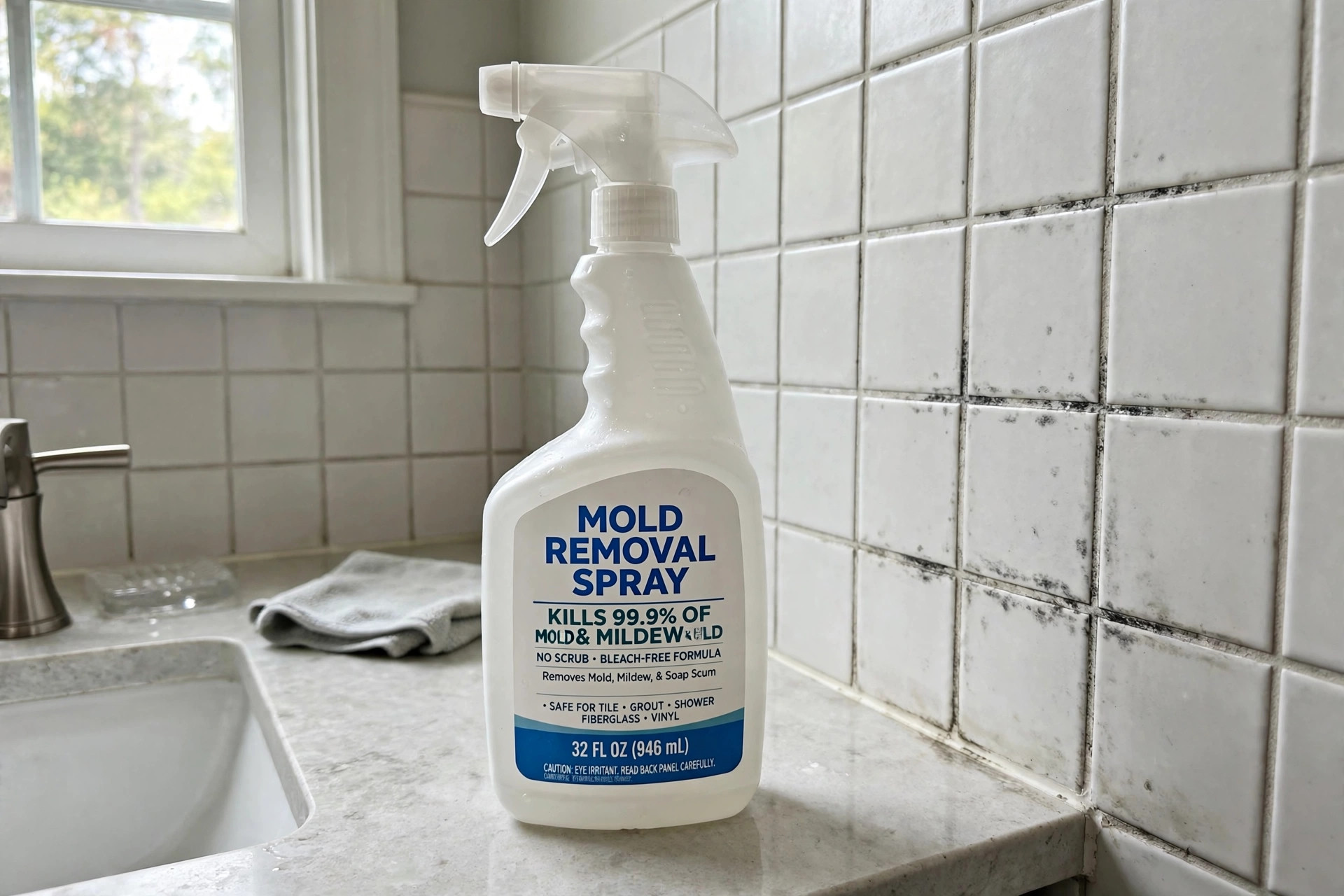

Mold is a common problem in Texas. Heat and humidity feed it through much of the year. Powerful mold removal sprays for texas homes promise a fast answer. A bottle, a spray, a wipe, and the dark spots are gone. Some products live up to the claim. Some do not. The difference matters when the air in your house is at stake.
This guide explains how mold grows in Texas homes, what makes a spray strong, and how to use these products with care. It also covers costs, safety steps, and the point where a spray is not enough and a pro should take over.
Why Mold Removal Matters in Texas
Texas weather gives mold nearly perfect living terms. Gulf Coast cities like Houston and Corpus Christi carry heavy indoor humidity for most of the year. Central and North Texas swing between long dry spells and sudden storms. Roof leaks, plumbing drips, and air conditioner condensation all feed hidden colonies.
The Environmental Protection Agency notes that mold can begin to grow on a damp surface within 24 to 48 hours. That speed matters in a state where a storm can soak a wall cavity and summer air keeps it damp for weeks. Left alone, mold stains surfaces and breaks down drywall, wood trim, and caulk. It also releases spores into the air. People with asthma or allergies often feel the effects first.
A spray is the first tool most homeowners reach for. Small spots on tile, grout, shower doors, and sink caulk respond well to treatment. The key is to act early. A dime-sized patch on grout is a five-minute job. A wall of black growth behind a washing machine is a different story, and no spray will fix it.
What Makes a Mold Removal Spray Powerful: Powerful Mold Removal Sprays for Texas Homes
Strength comes from the active ingredient, not the label. Most sprays rely on one of four agents.
Bleach-based formulas use sodium hypochlorite. They kill surface mold fast and bleach away stains on hard, non-porous surfaces like tile and porcelain. They do not penetrate porous material well, so mold roots in grout or wood often return.
Hydrogen peroxide formulas attack mold through oxidation. They fizz on contact and leave behind only water and oxygen. They work on a wider range of surfaces than bleach and carry less harsh fumes.
Quaternary ammonium compounds, often called quats, are common in commercial products. They kill mold and also slow regrowth for a period after use. They tend to have a milder smell than bleach.
Botanical or thyme-oil formulas use plant-based actives such as thymol. They suit homeowners who want a gentler product, though they may need longer dwell time to work.
Read the label for two facts: the active ingredient and the required dwell time. Dwell time is how long the wet product must sit on the surface. Many products need five to ten minutes. A fast wipe may look clean while leaving live spores behind.
How to Choose the Right Spray for a Texas Home
Start with the surface. Tile, glass, and porcelain take bleach-based sprays well. Painted drywall, wood, and fabric need gentler chemistry. Porous materials often need replacement rather than treatment, because roots sit below the surface.
Check the size of the affected area. The Centers for Disease Control and Prevention advises that homeowners can usually handle patches smaller than about ten square feet. Larger areas may need professional mold remediation services, which you can research through guides on quiet mold remediation services near me.
Look for products tested against common household molds such as Aspergillus and Penicillium. Independent test results carry more weight than marketing words like “industrial strength.” Consumer Reports and similar testers publish cleaning product reviews that help separate claims from facts.
Consider Texas-specific needs. High humidity means regrowth is likely. A product that leaves a residual barrier against mold earns extra value in a Gulf Coast bathroom. For homes with pets, check whether the label requires animals to leave the room. Many owners pair mold treatment with odor control, and budget friendly pet odor eliminator sprays for sale can help refresh the room after the mold is gone.
Think about smell and ventilation. Strong fumes in a small Texas bathroom with no window can make a simple job miserable. Open a window, run the exhaust fan, and choose the mildest product that will still do the work.
Types and Options on Store Shelves
Ready-to-use trigger sprays dominate the market. They need no mixing and suit most homeowners. Concentrates cost less per gallon and suit large jobs, but they demand careful measuring.
Some products combine cleaner and mold killer in one bottle. These cut the job to a single step. Others separate the steps: first a cleaner, then a dedicated mold treatment. The two-step route often works better on heavy buildup, since dirt and soap scum shield mold from the active agent.
Foaming sprays cling to vertical surfaces like shower walls. The foam holds the chemical in place during the dwell time instead of running off. Gel formulas do the same for grout lines.
Large retailers stock wide selections. The Home Depot and Lowe’s both carry national brands and store brands across price points, which makes comparison shopping easy.
Cost and Price
A standard 32-ounce bottle of mold removal spray costs between five and fifteen dollars. Store brands sit at the low end. Premium or botanical formulas sit at the high end. Concentrates range from fifteen to thirty dollars per gallon of mixed solution, which works out cheaper for whole-house projects.
The spray itself is only part of the budget. Add gloves, eye protection, and a respirator or dust mask, which together add ten to twenty-five dollars. A stiff brush for grout costs a few dollars more.
Compare that with professional help. Mold remediation typically runs several hundred to several thousand dollars depending on the area. For small spots, the do-it-yourself route with a good spray saves real money. For growth spread across a wall or ceiling, a pro is the safer spend.
Buying in bulk helps Texas homeowners who treat recurring spots in bathrooms and laundry rooms. A two-pack or gallon refill often cuts the per-ounce price by a third. Check unit pricing on the shelf tag to confirm.
Care and Upkeep After Treatment
Killing the visible mold is only half the job. Without changes to moisture, it returns. Texas homes need a plan.
Fix the water source first. Tighten leaking fittings, re-caulk tubs and sinks, and clear clogged air conditioner drain lines. A slow drip undoes a perfect cleaning job within weeks.
Control indoor humidity. The EPA suggests keeping indoor relative humidity below 60 percent, and ideally between 30 and 50 percent. In Texas summers, that often means running the air conditioner or a dehumidifier. Bathrooms need exhaust fans that vent outdoors, not into the attic. Run the fan during showers and for twenty minutes after.
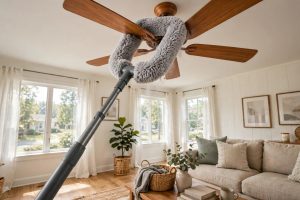
Clean regularly. A monthly wipe of shower grout and caulk stops colonies before they start. Keep the spray under the sink so the habit is easy. While you are at it, dust and wash window coverings, since grimy blinds can trap moisture and spores; guides on where to buy blind cleaning tools in texas can point you to the right gear.
Fix leaks before they cause damage. A small drip under a sink feeds a hidden colony that a spray can never reach. Check the shut-off valves too, since old ones often seep.
Inspect hidden areas twice a year. Look under sinks, behind toilets, and around washing machine hoses. Catching dampness early is the cheapest form of mold control. This Old House and Family Handyman both publish seasonal home checklists that include these moisture inspections.
Safety Steps You Should Not Skip
Mold sprays are chemicals. Treat them with respect.
Wear gloves, eye protection, and a mask. The CDC recommends an N95 respirator when cleaning mold, especially for larger areas or for people with breathing trouble.
Ventilate the room. Open windows and run exhaust fans. Never mix a bleach-based spray with ammonia or with other cleaners. The mix creates toxic gas that can injure the lungs.
Keep children and pets out of the room until surfaces are dry and the smell fades. Store bottles on a high shelf or in a locked cabinet. Read the first aid section of the label before you start, not after a splash.
Test first on a small hidden area. Some formulas bleach colored grout or dull certain finishes. Bob Vila and The Spruce both stress spot testing in their cleaning guides, and the advice is sound.
If you feel dizzy, get a headache, or have trouble breathing, leave the room at once and get fresh air. Seek medical help if symptoms persist.
When a Spray Is Not Enough
A spray handles surface mold. It cannot fix mold inside walls, under floors, or in ductwork. Call a professional when the affected area is larger than about ten square feet, when mold returns after proper treatment, when you smell a musty odor but cannot find the source, or when anyone in the home has a weakened immune system.
Pros use containment, air scrubbers, and proper removal of damaged material. They also find and fix the moisture source, which is the step homeowners most often miss. Good Housekeeping notes that honest contractors provide a written scope of work and never promise to make a home completely mold free, since mold spores exist everywhere in the air.
Frequently Asked Questions
Do powerful mold removal sprays work on black mold?
They work on surface black mold on hard, non-porous materials when you follow the label dwell time. On porous surfaces like drywall or wood, the roots often survive and the mold returns. Large patches of black mold may need professional removal.
How long should the spray sit before wiping?
Follow the label. Most products need five to ten minutes of wet contact time. Rinsing too soon leaves live spores. In Texas heat, surfaces dry fast, so reapply to keep the area wet for the full period.
Can I use these sprays in a home with kids and pets?
Yes, with care. Keep children and pets out of the room during use and until surfaces are dry. Choose lower-fume formulas when possible. Always follow label directions about ventilation and re-entry time.
Will the mold come back after spraying?
It can, if moisture remains. Texas humidity makes regrowth common. Fix leaks, run exhaust fans, and keep indoor humidity below 60 percent. A product with residual mold resistance helps between cleanings.
Is bleach or hydrogen peroxide better for Texas bathrooms?
Bleach works fast on hard surfaces and whitens stains. Hydrogen peroxide has milder fumes and works on more materials. For tile and porcelain, either does the job. For painted surfaces, hydrogen peroxide is usually the safer choice.
How often should I treat a humid Texas bathroom?
Wipe high-moisture areas monthly to prevent buildup. Deep treat grout and caulk every two to three months in the humid season. Inspect under sinks and around toilets each spring and fall.
A Short Final Word
Powerful mold removal sprays for texas homes earn their place in the cleaning cabinet. They turn a small, early patch into a ten-minute fix. Pick the right active ingredient for your surface, give it the full dwell time, and protect yourself while you work. Then go after the moisture that let the mold grow. In Texas, that last step matters more than any bottle. Dry surfaces stay clean. Damp ones do not.
References
Bob Vila. (n.d.). Home improvement advice. https://www.bobvila.com Centers for Disease Control and Prevention. (n.d.). Cleaning and disinfecting your home. https://www.cdc.gov Consumer Reports. (n.d.). Product reviews and ratings. https://www.consumerreports.org Family Handyman. (n.d.). DIY home repair and maintenance. https://www.familyhandyman.com Good Housekeeping. (n.d.). Product reviews and home advice. https://www.goodhousekeeping.com Lowe’s. (n.d.). Home improvement products. https://www.lowes.com The Home Depot. (n.d.). Home improvement products. https://www.homedepot.com The Spruce. (n.d.). Home and garden advice. https://www.thespruce.com This Old House. (n.d.). Home renovation guidance. https://www.thisoldhouse.com U.S. Environmental Protection Agency. (n.d.). Protecting human health and the environment. https://www.epa.gov
Was this guide helpful?

About Emily Rodriguez
The My Garden US editorial team writes practical, in-depth home and garden guides for American homeowners — tested advice, no fluff.
You May Also Like
The Best Cordless Electric Scrubbers for Midwest Homes
September 29, 2026 0 views
Reliable Window Cleaning Robots with Free Shipping: A Practical Buying Guide
September 14, 2026 0 views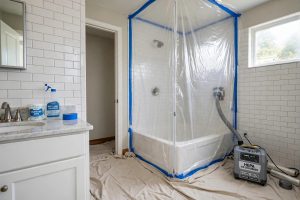
Quiet Mold Remediation Services Near Me: What to Know Before You Hire
February 24, 2026 0 views