When you type powerful pest control service plans near me into a search box, you want more than a name and a phone number. You want a plan that keeps ants, roaches, mice, and spiders out of your home for the whole year. You want fair cost. And you want work done safely around your family and your pets.
A pest control service plan is a contract with a local company. The company visits on a set schedule. It treats the outside and inside of your home. If pests return between visits, the company comes back at no extra charge. One-time work fixes the problem you see. A plan stops the problems you cannot see.
This guide walks through what powerful plans include, how to compare providers in your area, what they cost, and how to stay safe. It also answers common questions. By the end, you should know how to pick powerful pest control service plans near you with confidence.
Why a Service Plan Matters
Pests do not follow a calendar. Ants march in spring. Roaches thrive in summer heat. Mice look for warmth in fall. Spiders settle in corners all year. A single spray may kill what is active today. But eggs hatch and new insects move in from the yard. A service plan breaks that cycle. The technician returns every month or every quarter. Each visit rebuilds the barrier that keeps pests away.
Plans also catch small problems early. A trained eye spots droppings in a garage. It finds gnaw marks behind a water heater. It sees mud tubes along a foundation. Early finds cost less to fix. A plan that includes termite checks can save a homeowner from a very large repair bill. Guidance on safe pesticide use and storage from the Environmental Protection Agency helps homeowners understand what products do and how to handle them with care (EPA).
There is also peace of mind. You do not need to buy sprays or set traps yourself. You do not need to guess which product works. Your job is to keep the home clean and to report any new signs of pests. That simple split of work keeps many homes pest free year after year.
What Powerful Plans Usually Include: Powerful Pest Control Service Plans near Me
Not all plans are equal. Strong ones share a set of core parts. Look for each of these items in the written contract.
Exterior Barrier Treatments
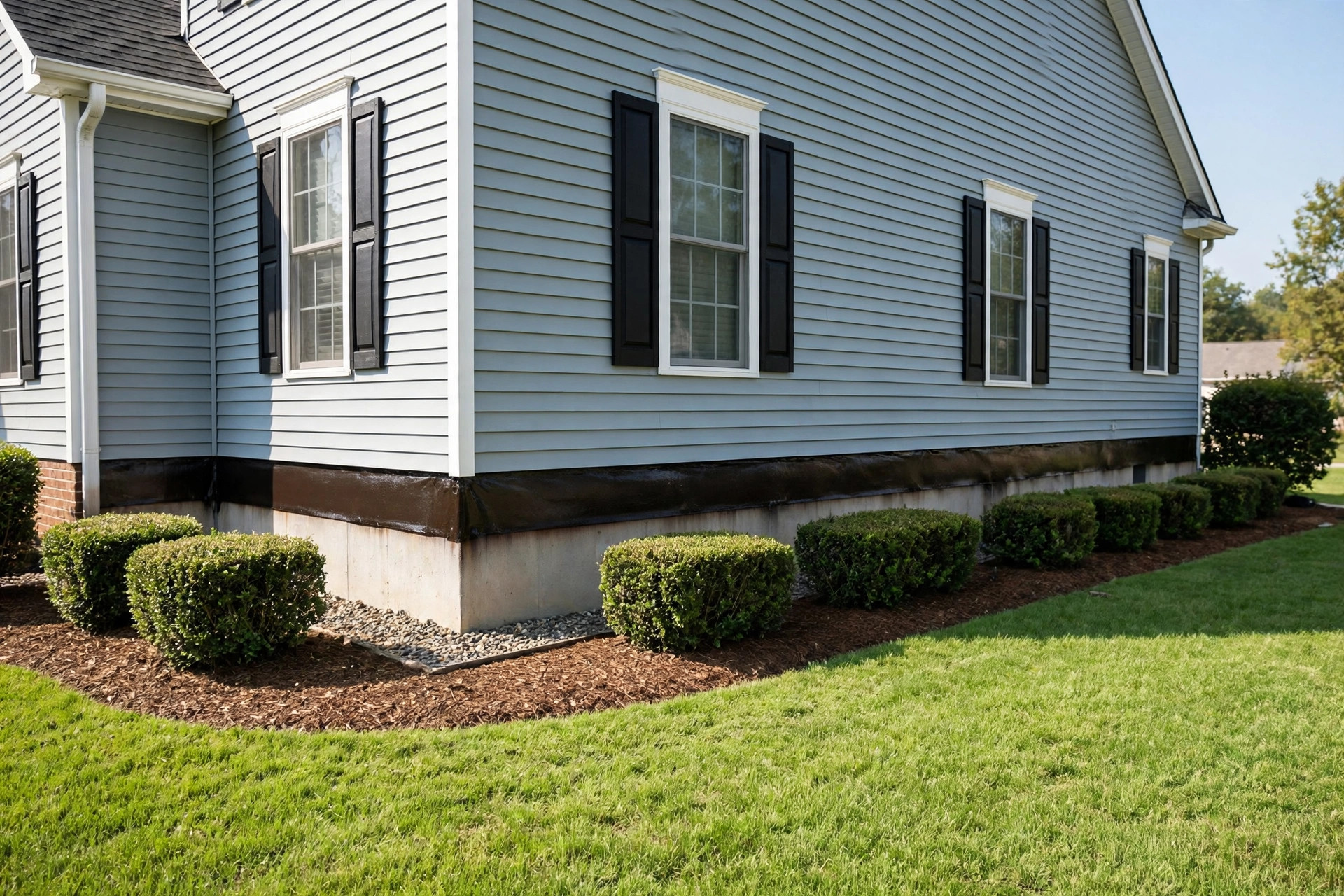
Most plans start outside the home. The technician sprays a band around the foundation. He or she treats door frames, window sills, and the eaves. Some plans include yard treatments for fire ants or fleas. The goal is to stop pests before they reach your walls. Exterior work matters most because most house pests come from outdoors.
Interior Spot Treatments
Strong plans include limited indoor work. The technician treats baseboards, under sinks, and behind appliances.
A Clear Warranty
The warranty is the heart of a service plan. It says the company will return free of charge if pests show up between visits. Read the fine print. Know which pests the warranty covers. Ants and roaches are standard. Termites, bed bugs, and wildlife often need separate plans.
Monitoring and Reporting
Powerful plans include notes from each visit. The technician should tell you what was treated and what was found. Some companies leave a door hanger or send an email summary. Keep these notes. They show a record of care. Independent buying guides from Consumer Reports explain how to weigh service contracts and what fine print to check before signing (Consumer Reports).
How to Choose a Provider Near You
Many companies sell pest control service plans. Some are national brands. Others are small local firms. Both can do good work. Here is a simple process for picking among powerful pest control service plans near me options in your town.
First, check the license. Every state requires pest control companies to hold a license. The license shows that the company follows state rules. You can check license status on your state agriculture or pesticide agency website. Do not hire a company that will not show its license number.
Second, ask for proof of insurance. Accidents are rare, but they happen. A ladder can damage siding. A worker can be hurt on your steps. Insurance protects you. Ask for a certificate of insurance before work begins.
Third, get three written quotes. Ask each company to inspect your home before quoting a price. A company that quotes over the phone without a visit may not know your true needs. Written quotes let you compare visit frequency, covered pests, and warranty terms. Do not pick on price alone. Family Handyman offers plain-language home maintenance advice that helps homeowners ask the right questions before hiring contractors (Family Handyman).
Fourth, read reviews with care. Look for notes about on-time visits and honest pricing. A few bad reviews are normal. A pattern of missed visits or surprise charges is a warning sign. Bob Vila’s home improvement coverage includes guidance on hiring service companies and spotting red flags (Bob Vila).
Fifth, ask about the products. A good company will name the products it uses and explain how they work. It should tell you how long to keep children and pets off treated areas. If a company hides its product names or says “do not worry about it,” choose another company. The Spruce offers clear homeowner guides on pest prevention products and methods (The Spruce).
Types of Plans and Options
Pest control companies sell several plan types. Your choice depends on your pests, your budget, and your comfort with chemicals.
Quarterly Plans
Quarterly plans are the most common. The technician visits four times per year. This pace works well for homes with mild pest pressure. It is often the lowest-cost plan. Many homeowners in the suburbs choose quarterly service and add extra visits in bad years.
Monthly Plans
Monthly plans cost more, but they give the strongest protection. They suit homes near woods, water, or farmland, and homes with a history of roach or ant problems. Ask if the company discounts a monthly plan when you sign for a full year.
One-Time and Annual Options
Some companies sell one-time treatments. These fix a known problem but give no warranty. Others sell annual plans with a few visits and a long warranty. Compare the total yearly cost before you choose.
Green and Low-Chemical Plans
Many companies now sell green plans. These use plant-based products, baits, and traps. They limit sprays. Green plans appeal to families with small children and pets. They may need more visits to match the power of standard plans. Ask the company how its green plan differs from its standard plan. This Old House covers green pest control methods alongside traditional options for homeowners who want choices (This Old House).
If you have related home needs, a strong plan often pairs well with other upkeep work. Many of the same companies that sell the best pest control service plans near me also advise on mold and moisture, since damp homes attract more insects. Homeowners who book quiet mold remediation services near me often find their pest problems shrink too. And a quick chimney check through the best chimney sweep services near me keeps birds and bats from nesting where they can bring mites indoors.
What They Cost
Price is one of the first things people ask about. Powerful pest control service plans near me will differ in cost by region and by home size. Still, national ranges help you judge a quote.
A quarterly plan for a typical single-family home often runs from 30 to 60 dollars per visit. That means 120 to 240 dollars per year. A monthly plan often runs from 40 to 70 dollars per visit, or 480 to 840 dollars per year. The first visit usually costs more. It includes a deep inspection and a heavy first treatment. Expect 150 to 300 dollars for that first visit.
Extra pests raise the price. Termite coverage may add 200 to 400 dollars per year. Bed bug plans often cost 300 to 800 dollars per year.
Ask what is included in the quoted price. Some companies charge extra for warranty visits or yard treatments. A low base price with many add-on fees can cost more than a higher base price that includes everything. Get the full price in writing. Good Housekeeping’s home care guides walk homeowners through comparing service costs line by line (Good Housekeeping).
Watch out for long lock-in terms. Some contracts ask for one or two years. Others let you cancel each month. A month-to-month plan costs more per visit but gives you freedom. Read the cancel policy before you sign.
Care and Upkeep Between Visits
A service plan works best when the homeowner does simple work between visits. Pests need food, water, and shelter. Remove these and the plan works much better.
Keep food sealed. Store dry goods in jars with lids. Wipe counters each night. Take out the trash often and use cans with tight lids. Do not leave pet food out all day. Feed pets at set times and store the bag in a sealed bin. Clean under the stove and fridge once a month. Crumbs in those spots feed roaches and ants.
Cut off water. Fix dripping faucets and running toilets. Check under sinks for slow leaks. Pests drink from tiny water sources. A drip under a kitchen sink can support a whole colony of roaches.
Close entry points. Check screens for tears. Add door sweeps to exterior doors. Seal gaps around pipes with caulk or steel wool. Mice can pass through a hole the size of a dime. A quick walk around the home each spring finds most gaps.
Trim the yard. Keep bushes six inches from the house wall. Do not let tree limbs touch the roof. Store firewood at least twenty feet from the home and off the ground. A clean yard breaks the road pests use to reach your home.
Safety for Children and Pets
Powerful plans use strong products. Used correctly, they are safe. But the homeowner must follow the rules. Ask the technician for a written safety sheet at each visit. Keep it on the fridge.
Keep children and pets away from treated areas until they dry. For outdoor sprays, this often means two to four hours. For indoor treatments, the technician may ask you to stay out of a room for a set time. Ask for the exact time in hours, not words like “a while.” Public health guidance from the CDC on preventing pests and using pesticides safely is a useful second opinion for families (CDC).
Store nothing you need in treated zones. Cover fish tanks and turn off their pumps during indoor treatment. Move pet toys and food bowls before the visit. If the company uses bait stations, make sure they are locked and placed where small hands cannot reach. The National Pest Management Association provides consumer education on pests and safe control practices through its public site (NPMA).
If anyone in the home has asthma or chemical sensitivity, tell the company before it starts work. Many firms can switch to low-odor products or schedule visits when the sensitive person is away. Home Depot’s project guides also cover pest-proofing steps homeowners can take themselves between professional visits (Home Depot).
Common Questions
How fast will a service plan work?
Most homeowners see fewer pests within one to two weeks of the first visit. Some pests die on contact. Others carry bait back to the nest, which takes longer. Heavy infestations may need two or three visits before the home is clear. Ask the company for a written timeline. If the plan includes a warranty, new pests between visits should bring a free return visit.
Can I cancel a plan at any time?
It depends on the contract. Month-to-month plans let you stop with 30 days of notice. Yearly contracts may charge a cancel fee. Read the cancel clause before you sign. A fair company explains the terms in plain words. Never sign a contract you do not fully understand.
Are green plans as powerful as standard plans?
Green plans use gentler products. They can work very well for ants, spiders, and common house pests. They may need more visits to handle heavy roach or termite pressure. Ask for the company’s own results. If the warranty is the same for both plans, the green plan is worth a try.
Do I need to leave my home during treatment?
For most standard visits, no. The technician treats the outside first. Indoor work is limited to baseboards and hidden spots. For heavy indoor treatments, such as fogging, you may need to leave for a few hours. The company should give clear written notice of any such visit ahead of time.
What should I do before the first visit?
Pick up clutter from floors and counters. Move furniture six inches from walls if asked. Store open food in sealed containers. Put pet toys and bowls away. Mow the lawn and trim bushes so the technician can reach the foundation.
Will the plan cover termites?
Most standard plans do not cover termites. Termites need their own plan with special baits or soil treatments. Ask your company if it sells termite coverage. In warm states, termite coverage is often worth the added cost.
A Short Final Word
Finding powerful pest control service plans near me is not hard. The hard part is picking the right one. Check licenses and insurance. Get three written quotes. Read the warranty with care. Ask plain questions and expect plain answers. Then keep up your side with simple cleaning and yard care between visits. A strong plan, paired with a careful homeowner, keeps pests out for years. Your home is your largest investment. Protect it with a plan that works as hard as you do.
References
Bob Vila. (n.d.). Home improvement advice. https://www.bobvila.com Centers for Disease Control and Prevention. (n.d.). Cleaning and disinfecting your home. https://www.cdc.gov Consumer Reports. (n.d.). Product reviews and ratings. https://www.consumerreports.org Family Handyman. (n.d.). DIY home repair and maintenance. https://www.familyhandyman.com Good Housekeeping. (n.d.). Product reviews and home advice. https://www.goodhousekeeping.com National Pest Management Association. (n.d.). Pest control information for homeowners. https://www.pestworld.org The Home Depot. (n.d.). Home improvement products. https://www.homedepot.com The Spruce. (n.d.). Home and garden advice. https://www.thespruce.com This Old House. (n.d.). Home renovation guidance. https://www.thisoldhouse.com U.S. Environmental Protection Agency. (n.d.). Protecting human health and the environment. https://www.epa.gov
Was this guide helpful?

About Jennifer Lee
The My Garden US editorial team writes practical, in-depth home and garden guides for American homeowners — tested advice, no fluff.