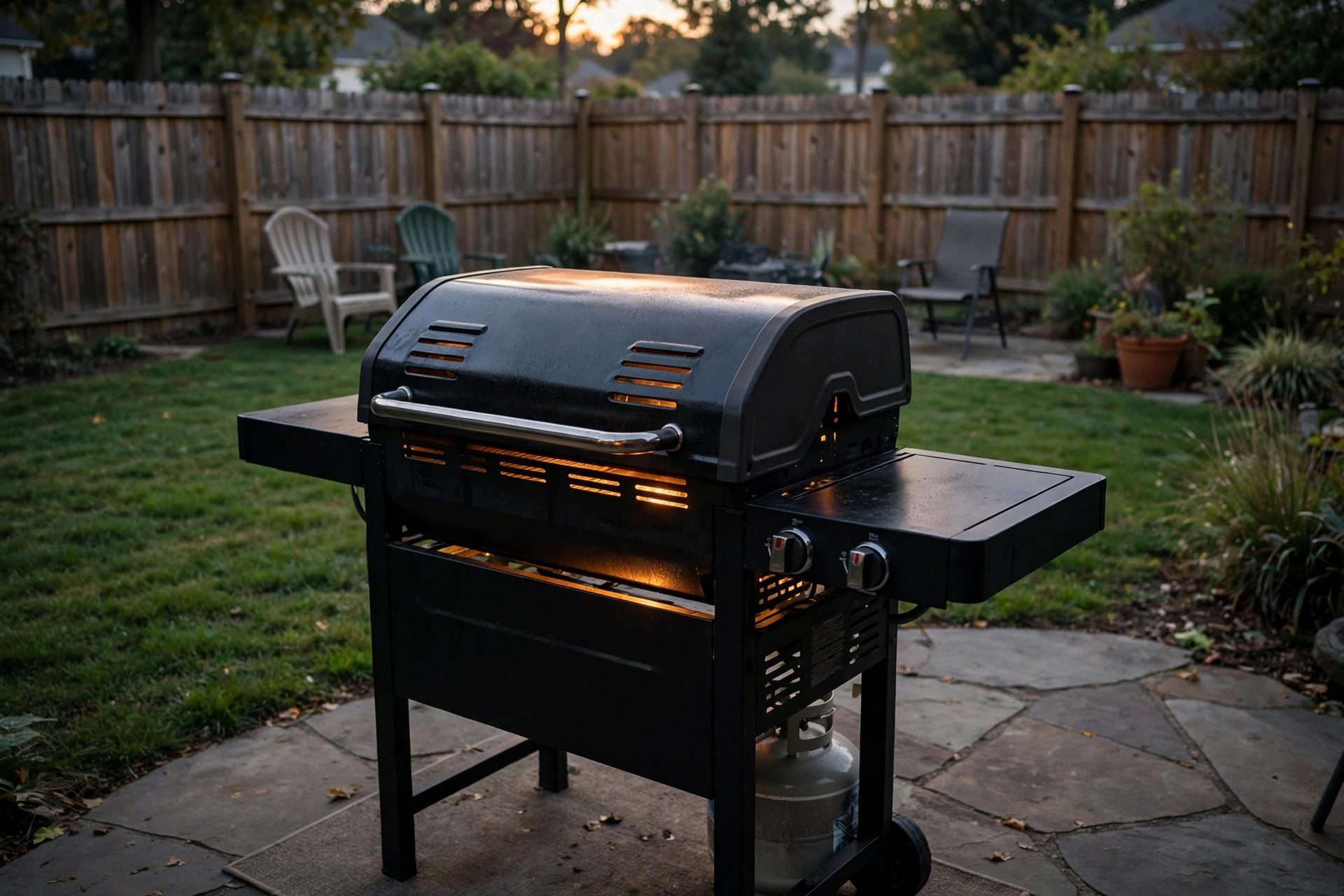

A search for gas grill for sale near me deals will turn up many ads. Some are true bargains. Some are not. The difference is often small. It is worth knowing what to look for before you hand over your money. This guide keeps things simple. It covers prices, timing, features, and care. It also points you to trusted sources for more facts. When you finish reading, you will be able to tell a good deal from a poor one.
Why Buying Close to Home Has Value
Many buyers start with big online stores. That is fair. Online shops list many models. But buying near home has real gains. You can see the grill before you pay. You can touch the knobs and lift the lid. The lid should feel solid. The grates should sit level. Photos online cannot tell you these things.
Local stores also assemble the grill for you in many cases. A gas grill has many small parts. Putting it together wrong can make it unsafe. Store staff who build grills each day know the steps. Some shops will deliver the grill to your house. Some will take away the old one. Those services save you time and trouble.
There is one more gain. Parts and service stay near. If a knob breaks two years from now, the same store can help. A grill bought from a far-off seller may leave you on your own. Local dealers often stock common parts. That means less waiting and less mail-order cost.
What to Look For in a Gas Grill: Gas Grill for Sale near Me Deals
A gas grill is a simple machine at heart. It has burners, grates, a lid, and a tank. But small details set a good grill apart from a poor one.
Burners and Heat
Count the burners. Most home grills have two to four. More burners mean more cooking zones. That lets you sear meat on one side and cook slow on the other. Look for burners made of stainless steel or cast iron. They last longer than thin sheet metal.
British thermal units, or BTUs, tell how much heat the grill can make. Higher is not always better. A small grill with high BTUs may cook too hot and burn food. Aim for about 80 to 100 BTUs per square inch of cooking area. That range works well for most home cooks.
Grates and Build
Grates hold your food. Cast iron grates keep heat well and give nice sear marks. They need care to stop rust. Stainless steel grates are easy to clean but cost more. Porcelain-coated steel is a fair middle ground. It is easy to clean and fair priced.
Check the body of the grill. Thick metal holds heat better. It also resists rust. Look at the wheels. They should roll smooth. Look at the shelves. They should feel firm, not wobbly. A wireless grill thermometer for gas grilling is a wise add-on for any model you pick, since it keeps you from guessing at doneness.
Fuel Type
Most gas grills use liquid propane tanks. The tank sits in a cabinet or on the side. Some grills can hook to a home natural gas line. That saves tank swaps. But it ties the grill to one spot. Propane gives you freedom to move. Think about which suits your yard.
Types of Gas Grills and Their Prices
Grills come in three broad groups. Each group has its own price range and use case.
Cart grills. These are the classic backyard models. They sit on a wheeled cart with shelves on the sides. Prices run from about $150 to $1,500. The lower end suits casual cooks. The upper end suits those who grill often and want thick steel and strong warranties.
Built-in grills. These drop into an outdoor kitchen or island. They start near $500 and can pass $4,000. They look fine and cook well. But they need a fixed gas line and a built counter. They suit homeowners who have already planned an outdoor kitchen.
Portable grills. These are small and light. They fit on a table or in a car trunk. Prices run from about $50 to $400. They suit campers and tailgaters. They do not suit large family meals.
If you are new to grilling, a cart grill in the mid range is often the best pick. Our guide to the best gas grill under 500 for beginners can help you narrow the field.
When Deals Are Best
Timing matters. Grills cost most in spring. That is when demand peaks. Prices often drop as summer ends. Stores want to clear floor space for fall goods. Look for sales from late August through October. You may save 20 to 40 percent off the spring price.
Holiday weekends bring sales too. Memorial Day, the Fourth of July, and Labor Day often carry grill deals. Black Friday can also help, though stock may be thin by then.
Floor models are another path to savings. A floor model has sat in the store for months. It may have small scuffs. Ask the manager for a discount. Many will cut the price by 10 to 20 percent. Check that all parts and the manual are in the box.
Clearance and open-box items at big home stores are worth a look. Shoppers return grills for small reasons. The store then marks them down. Home Depot runs such clearance lists through the year. Inspect the grill well before you buy. Test every knob and burner if you can.
Cost and Price Guide
What should you expect to pay? Here is a plain guide.
– Under $200: Basic two-burner grills. Fine for small meals. Thin metal. Short warranty. – $200 to $500: The sweet spot for most buyers. Solid two or three burner grills. Better grates. Two to five year warranties. – $500 to $1,000: Heavy build. Four burners. Strong heat control. Long warranties, often ten years on burners. – Over $1,000: Premium models with thick stainless steel and top-grade parts. Built to last a decade or more.
Set your budget before you shop. Then compare models within it. Do not stretch your budget for features you will not use. A side burner is nice, but many cooks never light it. A rotisserie is fun, but only if you will use it often.
Also think about running cost. A 20-pound propane tank costs about $20 to $25 to refill in many areas. One tank may last 15 to 20 hours of grilling. If you grill twice a week, plan for a few tanks each season.
Reading test results can help you compare value. Consumer Reports tests many gas grills each year for heat evenness and build quality. Their ratings can point you to models that hold up.
Care and Upkeep
A grill that gets care can last ten years or more. A grill that gets none may rust out in three.
Clean the grates after each cook. Heat the grill on high for ten minutes. Then brush the grates with a wire brush. This burns off grease and food bits. Let the grill cool. Then wipe the grates with a light coat of cooking oil on a paper towel. This stops rust.
Empty the grease tray often. Grease fires start in dirty trays. Check the burner tubes once each season. Spiders and insects like to nest in them. A blocked tube makes weak flames. Clean it with a soft brush or a pipe cleaner.
Season cast iron grates when they are new and each spring after. Our guide to how to season cast iron grill grates walks through the steps. It takes about an hour and pays off all season.
Cover the grill when it is not in use. A good cover keeps rain off the steel. But do not cover a hot grill. Let it cool first. Check the cover each year. Cracked covers let water in.
At the start of each season, check the gas hose. Look for cracks or soft spots. Mix dish soap with water. Brush it on the hose joints. Open the gas. Bubbles mean a leak. If you see bubbles, close the gas and replace the hose. Do not use the grill until it is fixed.
Safety
Gas grills are safe when used right. They are dangerous when used wrong. Keep these rules in mind.
Never use a gas grill indoors or in a garage. Carbon monoxide can build up fast. It has no smell. Keep the grill at least ten feet from your house, deck rails, and trees.
Check for leaks each season, as noted above. Keep a spray bottle of soapy water near the grill. If you smell gas while cooking, turn off the burners and the tank. Step away. Call the fire department if the smell stays.
Keep children and pets away from the grill. The lid handle stays hot long after cooking. Teach older children that the grill is not a toy.
Keep a fire extinguisher near. A small kitchen extinguisher works. Never throw water on a grease fire. It spreads the flames. Close the lid and turn off the gas to starve the fire.
Store propane tanks upright, outdoors, in a shaded spot. Never store a spare tank under or near the grill. Never bring a tank indoors.
The U.S. Consumer Product Safety Commission posts grill safety tips each year. They are worth a read before your first cook of the season.
FAQ
How do I know if a local deal is truly a good price?
Check the model number online first. Many stores sell the same model at different prices. If the local price is 20 percent or more below the usual online price, it is likely a sound deal. Also check what the sale includes. Free assembly and delivery add real value. A low price with no assembly may cost you hours of work.
Should I buy a used gas grill?
A used grill can be a fine deal if it is in good shape. Check the burners for rust holes. Check the firebox for cracks. Make sure all knobs work. Ask the seller to light it so you can see the flames. Blue flames are good. Yellow flames mean dirty burners. Plan to replace the hose and regulator on any used grill. They are cheap and they wear out.
What size grill do I need?
For two to four people, 400 to 500 square inches of cooking space is enough. For six or more, look for 550 square inches or more. More space is better if you host parties. But a huge grill wastes fuel for small meals.
Do I need a grill with a side burner?
Only if you will use it. Side burners work like a small stove. They are handy for sauces and side dishes. But many owners rarely light them. If you seldom cook sides outside, skip it and save the money.
Is a natural gas grill better than propane?
Neither is clearly better. Natural gas costs less per cook and never runs out mid-meal. But the grill must stay near the gas line. Propane lets you move the grill where you like. Many cooks pick propane for freedom. Many pick natural gas for ease. Both cook food just as well.
When should I replace my old grill?
Replace it when the firebox rusts through or the burners crumble. Those are costly parts. If the fix costs more than half the price of a new grill, buy new. Also think about age. A grill past eight to ten years has done its job. Newer models cook more evenly and use fuel better.
A Short Final Word
A search for gas grill for sale near me deals is only the start. The real work is comparing models, checking build quality, and timing your buy. Shop in late summer for the best prices. Pick a grill that fits your cooking style and your budget. Care for it each season. Do that, and your grill will pay you back with years of good meals.
If you are still weighing fuel types, read our look at pellet grill vs gas grill pros and cons. It may settle the question for you. For brand background, Weber and Char-Broil both post long histories of their grill lines. Napoleon and Broil King are known for heavy-duty builds. Traeger leans toward pellet models if you want to compare. Big Green Egg offers ceramic cookers as another option. For recipes and technique, AmazingRibs and The Spruce Eats are both solid reading.
References
AmazingRibs.com. (n.d.). Barbecue and grilling science. https://www.amazingribs.com Big Green Egg. (n.d.). Kamado grills and outdoor cooking. https://www.biggreenegg.com Broil King. (n.d.). Gas and charcoal grills. https://www.broilkingbbq.com Char-Broil. (n.d.). Gas and charcoal grills. https://www.charbroil.com Consumer Reports. (n.d.). Product reviews and ratings. https://www.consumerreports.org Napoleon. (n.d.). Fireplaces, grills, and heating products. https://www.napoleon.com The Home Depot. (n.d.). Home improvement products. https://www.homedepot.com The Spruce Eats. (n.d.). Recipes and cooking guides. https://www.thespruceeats.com Traeger. (n.d.). Wood pellet grills. https://www.traeger.com U.S. Consumer Product Safety Commission. (n.d.). Product safety information. https://www.cpsc.gov Weber. (n.d.). Grills and outdoor cooking. https://www.weber.com
Was this guide helpful?

About Jennifer Lee
The My Garden US editorial team writes practical, in-depth home and garden guides for American homeowners — tested advice, no fluff.
You May Also Like
Best Outdoor Range Hood for Grill Owners: A Complete Guide
August 9, 2026 0 views
How to Smoke Beef Ribs on Grill: A Plain Guide to Tender Ribs
February 6, 2026 0 views
Best BBQ Tool Set Stainless Steel: A Plain Guide
July 10, 2026 0 views