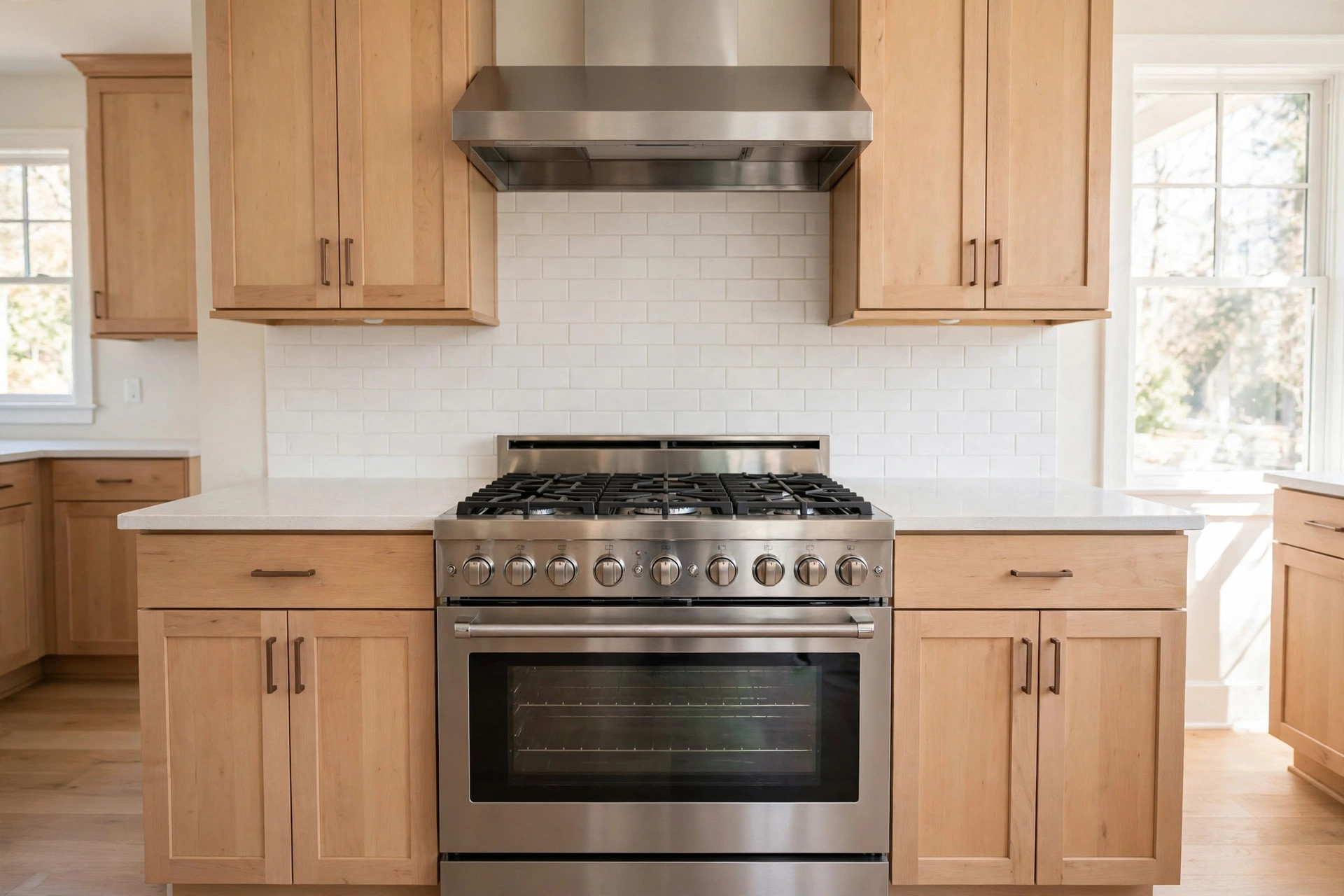

Shoppers across America are asking the same question this year. Should I buy a gas range, an electric range, or something that offers both? This dual fuel ranges reviews buying guide usa answers that question in plain terms. A dual fuel range puts a gas cooktop on top and an electric oven below. The gas burners give fast heat and fine control. The electric oven gives steady, even baking heat. Many cooks say this mix is the best of both worlds.
This guide walks through what these ranges are, why they cost more, and how to pick one. It covers sizes, features, prices, upkeep, and safety. It ends with answers to common questions. By the last page, you will know what to look for and what to avoid.
Why Dual Fuel Ranges Matter
A kitchen range is the heart of most home kitchens. People use it every day. They cook breakfast, bake bread, roast meat, and boil pasta. The type of range shapes how food turns out.
Gas burners heat up fast. They cool down fast too. A cook can move from a hard boil to a low simmer in seconds. Electric ovens hold a steady temperature. The heat comes from metal elements, top and bottom. Cakes rise even. Cookies brown in the same way on every shelf. Bread crusts turn a rich gold.
A dual fuel range joins these two strengths. The cooktop runs on natural gas or propane. The oven runs on electric power. This design has become popular with serious home cooks. It has also entered many new and remodeled kitchens across the United States.
Reviews of these ranges often praise the even baking. They also praise the control of the gas flame. Some reviewers note that these ranges cost more than gas-only or electric-only models. They also need both a gas line and a 240-volt electric outlet. These facts shape the buying choice.
What to Look for When You Buy: Dual Fuel Ranges Reviews Buying Guide Usa
A good buying guide starts with the basics. Size comes first. Most American ranges are 30 inches wide. This size fits the standard cutout in most kitchen cabinets. Larger homes may use 36-inch or 48-inch models. These wider ranges offer more burners and larger ovens. Measure the space in your kitchen before you shop. Note the width, the depth, and the height. Leave room for the door to open.
Check the cooktop layout next. Most models have four to six burners. A center burner or a griddle section is a nice extra. Look for one high-heat burner for searing meat and boiling water. Look for one low-heat burner for simmering sauces and melting butter. Sealed burners are easier to clean. Spills stay on the surface instead of leaking inside.
The oven is the second half of the purchase. Check the oven size in cubic feet. A family of four often needs at least 4.5 cubic feet. Racks should slide smooth. Three rack positions are normal, but more give better control. A convection fan moves hot air around the oven. This gives faster and more even cooking. Many dual fuel models include true convection, where a third heating element sits behind the fan.
Controls should feel simple and solid. Knobs turn with a firm click. Digital panels show clear numbers. Self-cleaning modes save time. Some models use high heat to burn off food. Others use steam for a gentler clean. Read reviews of the cleaning cycle. Some high-heat cycles smell strong and need the kitchen vented.
For expert buying advice and product test results, Consumer Reports rates ranges each year. Their labs test baking, broiling, and cooktop speed. This Old House also covers kitchen appliances in depth. Their articles help homeowners plan a remodel around a new range.
Types and Options on the Market
Dual fuel ranges come in several styles. Each one suits a different kitchen and budget.
Slide-in ranges fit between cabinets. The front edge sits flush with the counter. These ranges look built-in. They cost more than freestanding models. Many buyers pick them for a clean, modern look.
Freestanding ranges stand alone. The back has a raised control panel. These ranges fit old kitchens with ease. They often cost less than slide-in models. Installation is simple.
Professional-style ranges look like restaurant equipment. They have heavy grates, thick knobs, and bright steel. Brands such as GE Appliances and Whirlpool sell both home and pro-style lines. European makers sell them too. These ranges run larger and heavier. They often need a strong vent hood above.
Induction-dual models are rare. Some new models pair induction cooktops with electric ovens. A true dual fuel model, by common use, means gas on top and electric below. When you read reviews, check the fuel terms. Marketing words can blur this line.
Smart features are growing. Some ranges connect to a phone app. The app can preheat the oven or send an alert when the timer ends. Decide if you want this. Some cooks love it. Others see it as one more thing to fix.
Related buying guides can help you plan the whole kitchen. See our gas kitchen ranges buying guide usa for a gas-only option. Our dual fuel ranges buying guide usa covers model picks in more depth. And the dual fuel ranges for sale usa page lists current retail options across the country.
Cost and Price of Dual Fuel Ranges
Price is the hardest part of this buying guide. Dual fuel ranges cost more than single-fuel models. Entry-level models start near 1,800 dollars. Mid-range models run from 2,500 to 4,500 dollars. High-end and pro-style models can pass 8,000 dollars. Some luxury brands sell for more than 12,000 dollars.
Why the higher price? Two systems live in one box. The maker must fit a gas cooktop and an electric oven together. That takes more parts and more labor. The brand name also sets the price. Well-known names charge for their history and service networks.
Installation adds to the cost. A gas line may need to run to the kitchen. A licensed gas fitter charges 150 to 600 dollars for this work, based on distance and difficulty. A 240-volt outlet may need a new circuit. An electrician charges 200 to 500 dollars for that job. Venting matters too. A range hood over a pro-style model costs 300 to 1,500 dollars or more. Strong ductwork adds more.
Running costs are modest. Gas is cheap in most states. Electricity for the oven adds a small amount to the bill. ENERGY STAR notes that cooking uses less energy than heating or cooling. Still, an efficient home keeps bills low across all appliances.
Retailers such as The Home Depot and Lowe’s list prices side by side. This makes comparison easy. The Spruce publishes buying guides with price ranges. Bob Vila covers remodel costs in plain detail. Check all of them before you buy.
Care and Upkeep
A dual fuel range lasts 15 to 20 years with care. Daily wiping keeps the cooktop clean. Use a soft cloth and mild soap. Avoid harsh scouring pads on stainless steel. They leave fine scratches.
Clean spills fast. Boiled-over milk and sugary sauces can stain. If they cool and harden, they are hard to remove. Lift the grates and wipe under them each week. Grease builds up there.
The oven needs less daily work. Run the self-clean cycle a few times a year. Do not run it too often. High heat wears out door seals over time. Wipe the door glass with a soft cleaner. Check the door seal each year. A torn seal lets heat escape. That wastes energy and hurts baking.
Burner caps and grates can go in warm soapy water. Dry them well before you put them back. Wet parts can rust or cause weak flames. The igniters should click and light the gas at once. If a burner clicks but does not light, food may block the port. Clean it with a soft brush.
Once a year, look at the gas connection. Smell for gas near the range. If you smell rotten eggs, leave the house and call the gas company. This is rare, but it matters. Check that the range sits level. An unlevel range bakes cakes lopsided.
Safety in the Kitchen
Gas and electricity both need respect. Keep flammable items away from the cooktop. Towels, paper, and plastic should stay back from the flame. Never leave a lit burner alone for long.
Install a carbon monoxide detector near the kitchen. Gas flames make small amounts of this gas. Good venting keeps the air safe. Use the range hood each time you cook with gas. The fan pulls smoke, grease, and fumes out of the room.
Keep children away from hot surfaces. Use the back burners when small kids are near. Turn pot handles inward so they cannot be pulled down. The oven door stays hot during and after baking. A lock or guard helps in homes with toddlers.
Read the manual that comes with your range. It lists the clearances the maker requires. Do not push the range against a wall that is too close. Heat can damage cabinets and walls over time. If the power goes out, do not light the oven by hand. The electric oven needs power to run safely.
The Spruce has simple safety checklists for kitchens. Bob Vila covers vent hood sizing, which matters for safe gas cooking.
Frequently Asked Questions
Do I need both a gas line and a 240-volt outlet? Yes. A dual fuel range needs both. The gas line feeds the cooktop burners. The 240-volt outlet powers the electric oven. If your kitchen lacks one of these, you must add it before the range arrives.
Are dual fuel ranges worth the extra cost? For many cooks, yes. The gas cooktop gives fast response. The electric oven gives even baking. If you bake often and cook with gas daily, the mix pays off. If you rarely bake, a gas-only range may save money.
Can I use propane instead of natural gas? Many models can run on propane with a conversion kit. The kit swaps small parts in the burners. A licensed technician should do this work. Check the manual. Not every model allows propane use.
How wide should my range be? Most kitchens use a 30-inch range. This is the standard American width. Large kitchens can fit 36-inch or 48-inch models. Measure your cabinet opening before you order. A range that is too wide will not fit.
How long does installation take? A simple swap takes one to two hours. Adding a gas line or a new circuit takes longer. Plan a half day if new wiring or piping is needed. A licensed pro should handle gas and high-voltage work.
Which brand is most reliable? Reliability shifts from year to year. Consumer Reports surveys owners and ranks brands by repair rates. Bosch and other European makers earn praise for ovens. American brands earn praise for service networks. Read recent reviews before you decide.
A Short Final Word
A dual fuel range is a strong pick for the American home kitchen. It joins the speed of gas with the steady heat of an electric oven. It costs more up front. It needs both gas and 240-volt power. But it rewards the cook every day.
Measure your space. Set a budget. Read reviews from testing labs, not just sales pages. Compare models at The Home Depot and Lowe’s. Check This Old House for remodel tips. Then buy the range that fits your kitchen and your cooking style. A careful choice now will serve your family for twenty years.
References
Bob Vila. (n.d.). Home improvement advice. https://www.bobvila.com Bosch. (n.d.). Home appliances. https://www.bosch-home.com Consumer Reports. (n.d.). Product reviews and ratings. https://www.consumerreports.org ENERGY STAR. (n.d.). Energy efficient products. https://www.energystar.gov GE Appliances. (n.d.). Kitchen and home appliances. https://www.geappliances.com Lowe’s. (n.d.). Home improvement products. https://www.lowes.com The Home Depot. (n.d.). Home improvement products. https://www.homedepot.com The Spruce. (n.d.). Home and garden advice. https://www.thespruce.com This Old House. (n.d.). Home renovation guidance. https://www.thisoldhouse.com Whirlpool. (n.d.). Home appliances. https://www.whirlpool.com
Was this guide helpful?

About David Wilson
The My Garden US editorial team writes practical, in-depth home and garden guides for American homeowners — tested advice, no fluff.
You May Also Like
Undermount Stainless Sinks Where to Buy USA
May 6, 2026 0 views
Kitchen Island Hanging Lights USA Online Deals
May 26, 2026 0 views
A Practical Guide to Kitchen Island Hanging Lights in the USA
February 24, 2026 0 views