
Anyone searching for butcher block countertops deals near me wants two things at once: a warm wood counter and a low price. Butcher block has become one of the most liked countertop picks for home kitchens. It looks rich, feels warm to the touch, and costs less than stone. The good news is that deals on butcher block counters show up often, both in stores and online. You only need to know where to look and what to check before you pay.
Why Butcher Block Counters Are Worth the Search
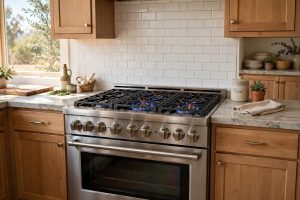
Wood counters have a long history in the American kitchen. They were once the work surface of butchers and bakers, and they still bring that honest, old-shop feel into a home. Many people love the way wood softens a kitchen full of hard steel and tile. A wooden top can sit next to a new stainless range hood and still look right, because the mix of steel and wood is a classic.
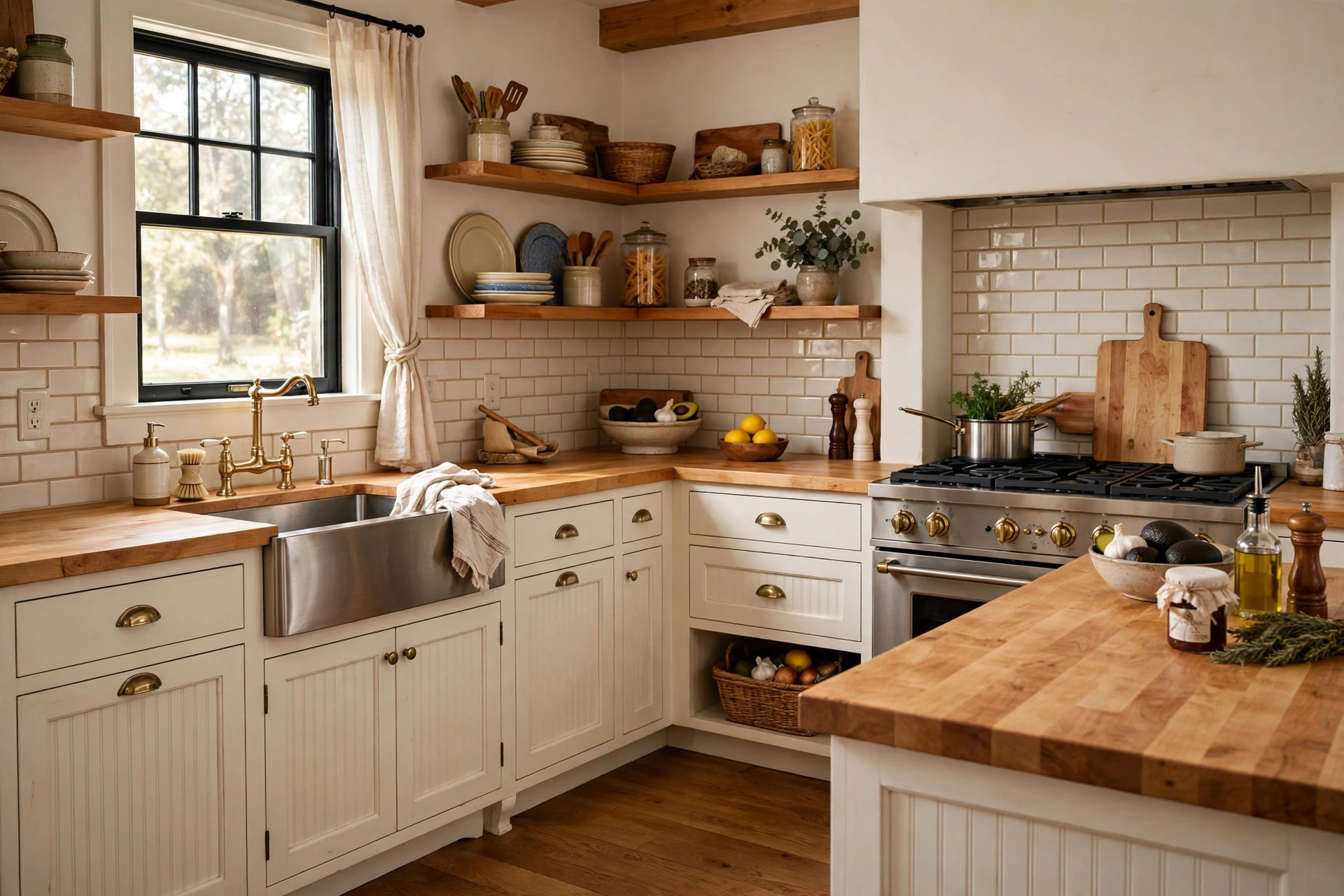
Price is the other big reason. Butcher block usually costs far less than granite or quartz. When you find a real sale, the gap grows even wider. That low cost lets many families get the look they want without cutting other parts of the plan, such as a new gas kitchen range or better lighting.
Wood also has real uses. You can cut on it, set down warm pots for a short time, and sand out most marks. No other low-cost counter can be fixed so easily. A scratched top can be sanded and oiled and made new again. For this reason, a butcher block top found at a good price is one of the best values in home repair.
How to Look for Butcher Block Countertops Deals Near Me
The first step is to look wide. Big home stores carry butcher block tops in stock and on order. The Home Depot and Lowe’s both sell wood countertops in common lengths, and their stock lists change often. A trip to the store lets you see the wood up close. An online search shows you the sales that week.
Lumber yards are a second place to check. Many local yards sell slab wood, edge-grain tops, and custom sizes. Their prices can beat the big stores, and they often cut to your exact needs. Call ahead and ask for the price per foot.
A third path is the clearance shelf. Stores mark down wood tops that have small flaws, odd sizes, or faded price tags. These are often the best deals of all. A mark on the edge may not matter once the top is set in place. Ask a store worker when new markdowns come out.
Online marketplaces are worth a look too. The Spruce and Bob Vila both publish guides on where to buy counters and what prices to expect, and their buying tips can point you to sales you might miss. This Old House offers project advice that helps you plan the whole counter job, not just the purchase.
When you spot a deal, ask what the price covers. Some ads list the price of the wood only. Cutting, sealing, and set-up may cost extra. A clear quote keeps the deal honest.
What to Check Before You Buy
A low price means little if the wood is poor. Look at the top in good light. The grain should run straight and the color should be even. Small knots are normal in many species, but long cracks are not. Press a coin into the wood; it should not leave a deep dent in a good hard maple top.
Check the thickness. Most kitchen tops are one and a half inches thick. Thinner tops can bow or warp over time, and they may not hold a sink well. Ask for the exact measure.
Look at how the wood is glued. Butcher block comes in three main builds: edge grain, end grain, and face grain. Edge grain is the most common and the most stable. End grain shows the checkerboard pattern and takes knife cuts well. Face grain looks like a wide board and costs less. For a kitchen counter, edge grain is the safe pick.
Ask about the finish. Many tops come with a food-safe oil finish. Some come raw. A raw top costs less but needs more work at home. Make sure the seller tells you which one you are buying.
Also check the length you need. Standard tops run eight, ten, or twelve feet. Measure your base cabinets twice, and add room for the sink and range cuts. A cheap top that is too short is no deal at all.
Types of Wood Used for Butcher Block
The wood species sets the look and the price. Maple is the classic choice. It is hard, light in color, and even in grain. Most deals you see in stores are maple.
Oak is next in line. It is strong and shows bold grain. It costs a bit more than maple but takes stain well. Walnut is the dark, rich pick. It looks high end and costs more, but sales on walnut can bring it near maple prices.
Birch is the budget star. It is softer than maple but still works as a counter if it is sealed well. When stores run deep sales, birch tops often lead the price list.
Exotic woods like acacia and teak show up too. They resist water well, which suits a kitchen. Their prices run higher, so a true deal on them is worth a close look.
Each wood has fans and each has limits. For most homes, maple or oak from a trusted seller like GE Appliances or Bosch level of build quality is the sweet spot between cost and life. The point is not the brand of the counter itself, but the habit of buying from names that stand behind what they sell.
Cost and Price Ranges
Butcher block prices vary by wood, size, and build. As a rough guide, a standard eight-foot maple edge-grain top may run from two hundred to six hundred dollars at sale prices. Walnut of the same size may run four hundred to nine hundred dollars. Custom sizes cost more per foot.
Deals can cut these numbers in a few ways. Seasonal sales in spring and fall often drop prices ten to twenty percent. Open-box tops can go for half price. Buying a full slab and cutting it yourself can save the labor cost, if you have the tools and skill.
Do not forget the hidden costs. Sealer oil, sandpaper, and a finish coat add to the total. Set-up by a pro may run a few hundred dollars more. Even with these extras, a butcher block job usually lands well below stone. Consumer Reports notes that shoppers should compare the full installed cost, not just the sticker price, before calling one deal better than another.
A smart buyer also plans for the rest of the kitchen. New counters often go in with new appliances. If you are also looking at a french door refrigerator, plan both buys together so the sizes and styles match.
Setting Up Your Butcher Block Counter
Good wood still needs a good set-up. The top must sit level on the cabinets. Shims can fix small gaps. Screws should go in from below through slotted holes so the wood can move with the seasons. Wood grows and shrinks with heat and damp, and fixed screws can crack it.
Cut sink and range holes with care. Seal every cut edge with oil or finish, since raw edges soak up water. Let the top sit in your kitchen for two or three days before you screw it down. This lets it get used to your home’s air.
If you bought the top raw, sand it smooth with fine paper. Wipe it clean. Then apply a food-safe mineral oil or a made-for-counter oil. Let it soak in, wipe off the extra, and repeat. Three coats are a good start. Some people finish with a harder top coat for less upkeep, but oil gives the warmest look.
Take your time. A slow, careful set-up is what turns a good deal into a counter that lasts for years.
Care and Upkeep
Wood counters ask for simple, steady care. Wipe up water and spills soon after they happen. Do not let water sit in pools, above all near the sink and the faucet. Dry the counter after heavy use.
Oil the top often in the first year. Once a month is a good rule. After that, oil when the wood starts to look dry or pale. A well-oiled top fights off stains and keeps its rich tone.
Use cutting boards for heavy knife work if you want to keep the surface smooth, though light cutting on the counter is fine. Clean with mild soap and warm water. Skip harsh cleaners and bleach. They can dry out the wood and hurt the finish.
Fix small marks as they come. Light scratches can be rubbed out with fine sandpaper and fresh oil. Deeper cuts may need a board sander, but the wood will take the fix well. This is the great strength of butcher block: it can be made new again, while stone cannot.
Watch for heat. Do not set a hot pan straight on the wood. Use trivets and hot pads. A scorch mark can be sanded out, but it is easier to stop it first.
Safety Notes for Wood Counters
Wood is safe for food prep when it is sealed and kept clean. Use a food-safe oil if you plan to cut food right on the top. Keep raw meat work on a separate board that can go in the washer.
Seal around the sink with care. Water that gets under the seal can cause dark spots and mold. Check the seal once a year and re-apply as needed.
If your kitchen gets very damp, give the wood more air and more oil. Damp wood can warp. A dehumidifier in a damp kitchen helps all your woodwork, not just the counter.
Sharp knives stay sharp longer on wood than on stone, but the counter still deserves care. Keep knife work even across the top so no one spot wears thin.
FAQ: Butcher Block Countertops Deals
Are butcher block counters cheaper than granite? Yes, in most cases. Butcher block tops cost far less than granite slabs, both in the store and after set-up. Sales can widen the gap even more.
Can I find butcher block countertops deals near me at a local lumber yard? Often yes. Local yards may cut to size and sell at prices below the big stores. Call a few yards and compare per-foot prices before you drive out.
Is maple or oak better for a kitchen counter? Both work well. Maple is harder and lighter in color. Oak is strong and shows more grain. Pick the look you like and the price you can pay.
How long does a butcher block counter last? With good care and re-oiling, a wood top can last twenty years or more. The key is to seal it well and fix small damage early.
Can I cut food directly on butcher block? Yes, if the top has a food-safe finish. Many cooks cut right on it. Keep raw meat on a washable board for safety.
What is the catch with very cheap butcher block deals? Watch for thin tops, poor glue joints, and raw wood sold with no care plan. Check the thickness and the build before you buy. A cheap top that warps is no bargain.
A Short Final Word
A hunt for butcher block countertops deals near me pays off when you know what you want. Check the big stores, the local yards, and the clearance shelves. Look at the wood with care, check the build and thickness, and plan for the set-up cost. With a little patience, you can bring home a warm, strong wood counter at a price that leaves room in the budget. ENERGY STAR even reminds homeowners that a full kitchen refresh is the right time to check the efficiency of the room’s appliances too, so your deal on wood can sit inside a smarter, lower-cost kitchen.
References
Bosch. (n.d.). Home appliances. https://www.bosch-home.com Consumer Reports. (n.d.). Product reviews and ratings. https://www.consumerreports.org ENERGY STAR. (n.d.). Energy efficient products. https://www.energystar.gov GE Appliances. (n.d.). Kitchen and home appliances. https://www.geappliances.com Lowe’s. (n.d.). Home improvement products. https://www.lowes.com The Home Depot. (n.d.). Home improvement products. https://www.homedepot.com The Spruce. (n.d.). Home and garden advice. https://www.thespruce.com This Old House. (n.d.). Home renovation guidance. https://www.thisoldhouse.com
Was this guide helpful?

About David Wilson
The My Garden US editorial team writes practical, in-depth home and garden guides for American homeowners — tested advice, no fluff.
You May Also Like
Gas Kitchen Ranges for Florida Homes in the USA
March 1, 2026 0 views
Microwave Drawer Units: A Guide for American Homes
January 1, 2026 0 views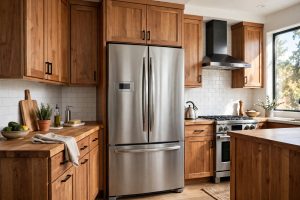
French Door Refrigerators: Where to Buy in the USA
April 10, 2026 0 views