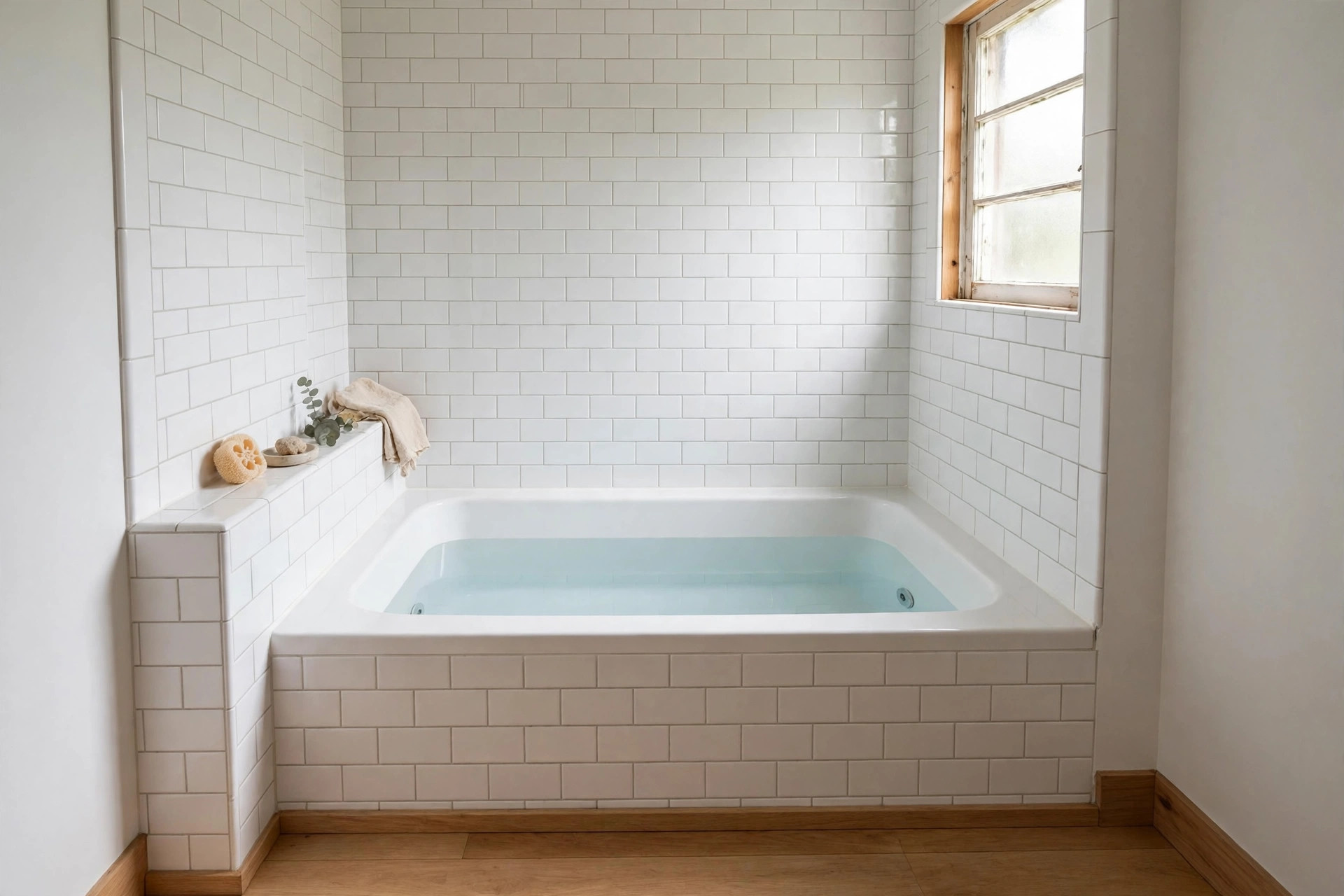

Many American homes have small bathrooms. The room may hold a shower and a toilet, and little else. A full bath in such a room seems out of reach. The best soaking tub for small bathroom usa buyers proves that view wrong. A deep tub made for tight rooms can turn an ordinary bath into a long, warm soak. It asks for careful shopping, honest measuring, and a clear sense of what you need. This guide walks through each point so you can choose well.
A soaking tub differs from a plain bathtub. A standard tub holds less water and sits low. You lie back, but your knees may rise above the water line. A soaking tub runs deeper. It lets the water reach your shoulders while you sit upright. You need less floor space than you might think, because depth does the work that length once did. In a small bathroom, that trade makes all the difference.
Why a Soaking Tub Matters in a Small Bathroom
A small bathroom does not have to feel spare. A deep tub changes how the room works and how you feel in it. Hot water eases tired muscles after a long day of work. A quiet soak calms the mind in a way a quick shower cannot. These are simple goods, but they count.
A soaking tub also adds value to the home. Buyers in the United States still look for a tub. A home with only a shower may lose some buyers when it sells. A compact soaker answers that wish without giving up the shower space you need each day. It is a middle path that suits many families.
Space is the real gain. Old tubs took a five-foot alcove and gave a shallow bath. A modern compact soaker can fit the same alcove, or even a smaller one, and give a deeper bath. Makers now build tubs as short as four feet that still seat an adult in warm water to the chest. You keep your floor space. You lose nothing you use each day.
How to Choose the Right Tub: Best Soaking Tub for Small Bathroom Usa
Choice starts with facts, not wishes. Four facts shape every good decision.
Measure First, and Measure Twice
Take a tape measure to your bathroom. Write down the width, the length, and the height of the ceiling. Mark where the door swings. Note the window frame and the vent. Then measure the tub space you have now, or the space you can free.
Do not forget the path the tub will travel. Measure hallways, stair turns, and door frames from the front door to the bath. Many tubs are larger than they seem on paper. A tub that fits the room but not the hallway is a costly mistake.
Depth Does the Work, Not Length
In a small room, look for depth. A good soaker gives an interior water depth of 15 to 20 inches. Some run deeper still. The deeper the water, the warmer you stay, and the less length you need. A four-and-a-half-foot tub with deep walls can out-soak a five-foot tub with low walls.
Check the interior width as well. Some compact tubs narrow at the base. Sit-test a floor model if you can. Bring your height and weight in mind. Comfort is personal, and no chart can tell you how a tub will feel.
Weight and Floor Support
Water is heavy. A gallon weighs a little over eight pounds. A deep soaker may hold 50 to 80 gallons when full. Add the tub and your own weight, and the floor may carry 700 pounds or more.
Older homes may need help. A cast iron tub adds its own great weight. Acrylic and fiberglass run lighter. If your bath sits on an upper floor, ask a contractor to check the joists before you buy. This step costs little and saves much grief.
Drains, Faucets, and Fill Time
A deep tub needs a strong faucet. It should fill the tub in a fair time. Some small baths share a water heater with the whole house. A 50-gallon tank may run cold before a deep tub fills. Plan for this. A thermostatic shower valve can help keep water steady, and a larger heater may be in order.
The drain should sit where your plumber can reach it. A freestanding tub faucet needs its own floor mount and water lines. An alcove tub uses a wall mount, which is simpler and cheaper. Keep these facts in mind when you compare models.
Types of Soaking Tubs for Small Bathrooms
Makers offer several shapes for tight rooms. Each has its place.
Alcove Tubs
The alcove tub sits in a three-wall pocket. It is the most common type in American homes. Most fit a five-foot opening, but short models run four to four and a half feet. A deep alcove soaker gives you a true soak at the lowest price. The walls hide the plumbing and make cleaning simple. If your bath already has an alcove, this is the easy path.
Freestanding Oval Tubs
A freestanding tub stands alone and shows its full shape. Oval models with a small footprint fit small baths better than round ones. They sit away from the wall or against it. They cost more and need a floor-mount filler, but they look fine and clean well. If you plan to read our alcove vs freestanding tub comparison, you will see the trade in full.
Corner Tubs
A corner tub uses the dead corner of the room. It can give a wide, deep well of water in a modest footprint. The deck around it holds soap and candles. Corner tubs suit square rooms better than narrow ones. They need more water than a slim alcove tub, so check your water heater first.
Japanese-Style Deep Soakers
The Japanese soaker is short, deep, and meant for sitting upright. Some measure barely four feet long yet give 22 inches of water depth. They suit very small rooms. You sit rather than recline. For readers with sore joints who want to sit to bathe, a walk-in model with a door is another choice worth weighing.
Materials Compared
Four materials lead the market. Each has a clear record.
Acrylic is the most common choice. It is light, warm to the touch, and holds heat well. It comes in many shapes and keeps its color. It can scratch, but light scratches buff out. Most compact soakers sold today use acrylic.
Cast iron with enamel is the old king. It is heavy, quiet, and keeps water hot for a long time. The enamel resists stains. The weight is the price you pay. It needs a strong floor and two or three strong people to set it.
Fiberglass with gel coat costs the least. It is light and easy to move. It does not hold heat as well as acrylic, and the surface can dull with age. For a tight budget, it still gives a fair soak.
Stone resin and solid surface look and feel rich. They are heavy and costly. They hold heat well and clean with ease. In a small bath, one such tub can set the tone of the whole room.
Cost and Price in the United States
Price runs a wide range. A basic compact alcove soaker may cost 300 to 800 dollars. A mid-range acrylic freestanding tub runs 800 to 2,000 dollars. High-end stone resin or cast iron models can pass 3,000 dollars.
Installation adds to the bill. A simple swap in an existing alcove may cost 500 to 1,500 dollars in labor. A full change with new plumbing, tile, and floor work can run 3,000 to 8,000 dollars or more. Freestanding tubs often cost more to set because the plumber must run lines through the floor.
Water and heat are running costs. A deep tub uses more hot water per bath. If your heater is small, you may face a larger bill or a lukewarm soak. Some owners add a point-of-use booster or a larger tank. Weigh this before you buy the deepest tub you can find.
Care and Upkeep
A soaking tub asks for little care if you give it steady care. Rinse the tub after each bath. Soap film builds fast in deep wells. A soft cloth and mild cleaner do the work. Do not use harsh scouring pads on acrylic or gel coat. They leave marks that never leave.
Check the caulk line where the tub meets the wall or floor. Water finds every gap. Re-caulk when you see cracks or mold. In a small bath, steam lingers, so run the vent fan during and after each bath. This small habit guards both the tub and the walls.
Once a year, look under the access panel if you have one. Check for slow drips at the drain and the supply lines. A small leak in a small room does great harm. Catch it early and it is a small fix.
Safety Notes
A deep tub and a small room need care. Place a non-slip mat or strips on the tub floor. Wet feet on a smooth floor cause falls. Add a grab bar near the tub edge. Bars made for baths anchor to studs and hold real weight.
Keep the water heater set no higher than 120 degrees Fahrenheit. Scalds happen fast, and children and older adults face the most risk. The EPA notes that safe water use starts with care at the tap; guidance on home water safety is worth a read (https://www.epa.gov).
Small baths get steamy. A working vent fan matters more here than in a large bath. If your fan is old or weak, replace it when you set the tub. Good air keeps mold down and paint sound.
Frequently Asked Questions
What size soaking tub fits a small bathroom? Most small baths take a tub 48 to 60 inches long. Look for models with an interior water depth of at least 15 inches. A 54-inch deep alcove tub fits most existing five-foot openings with room for tile.
Are soaking tubs worth it in a small space? Yes, if you like baths. A deep compact soaker gives a better bath than a long shallow tub. It also keeps resale appeal, since many buyers want at least one tub in the home.
How much water does a small soaking tub use? A compact soaker holds 40 to 70 gallons. A standard shallow tub holds about 40. Check your water heater size. A 40-gallon tank may not fill a 70-gallon tub with hot water.
What is better, a jetted tub or a soaking tub? A soaking tub is simpler, quieter, and easier to clean. A jetted tub adds moving water but needs more care and more power. Our jetted tub vs soaking tub comparison lays out the full trade.
Can I put a soaking tub on a second floor? You can, but check the floor first. A full deep tub can weigh 700 pounds or more. A contractor can tell you if the joists need sistering or extra support.
Do I need a plumber to install a soaking tub? For most owners, yes. Water lines, drains, and vents must meet local code. A licensed plumber keeps the work safe and legal. Simple alcove swaps still need a pro for the drain and seal.
A Final Word
The best soaking tub for small bathroom usa homes is not the largest or the dearest. It is the one that fits your room, your floor, your heater, and your habits. Measure with care. Choose depth over length. Pick a material you can live with and clean with ease. Then enjoy the quiet reward: a deep, hot bath in a room that once seemed too small for one. For brand background and product lines, maker sites such as Kohler (https://www.kohler.com) and Moen (https://www.moen.com) are useful starting points, and retailer guides at Home Depot (https://www.homedepot.com) and Lowe’s (https://www.lowes.com) help with sizing and price. Remodeling advice from This Old House (https://www.thisoldhouse.com), Family Handyman (https://www.familyhandyman.com), and Delta Faucet (https://www.deltafaucet.com) rounds out the research, with water-use context from Aquasana (https://www.aquasana.com).
References
Aquasana. (n.d.). Water filtration systems. https://www.aquasana.com Delta Faucet. (n.d.). Kitchen and bathroom faucets. https://www.deltafaucet.com Kohler. (n.d.). Bathroom and kitchen fixtures. https://www.kohler.com Lowe’s. (n.d.). Home improvement products. https://www.lowes.com Moen. (n.d.). Faucets and plumbing fixtures. https://www.moen.com The Home Depot. (n.d.). Home improvement products. https://www.homedepot.com This Old House. (n.d.). Home renovation guidance. https://www.thisoldhouse.com U.S. Environmental Protection Agency. (n.d.). Protecting human health and the environment. https://www.epa.gov
Was this guide helpful?

About Michael Thompson
The My Garden US editorial team writes practical, in-depth home and garden guides for American homeowners — tested advice, no fluff.
You May Also Like

Best Dishwasher for Hard Water Reviews USA
March 23, 2026 0 views
UV Water Purifier for Well Water Reviews: What Rural Homeowners Should Know
September 6, 2026 0 views
Trenchless Sewer Line Repair: Pros and Cons for USA Homeowners
September 22, 2026 0 views