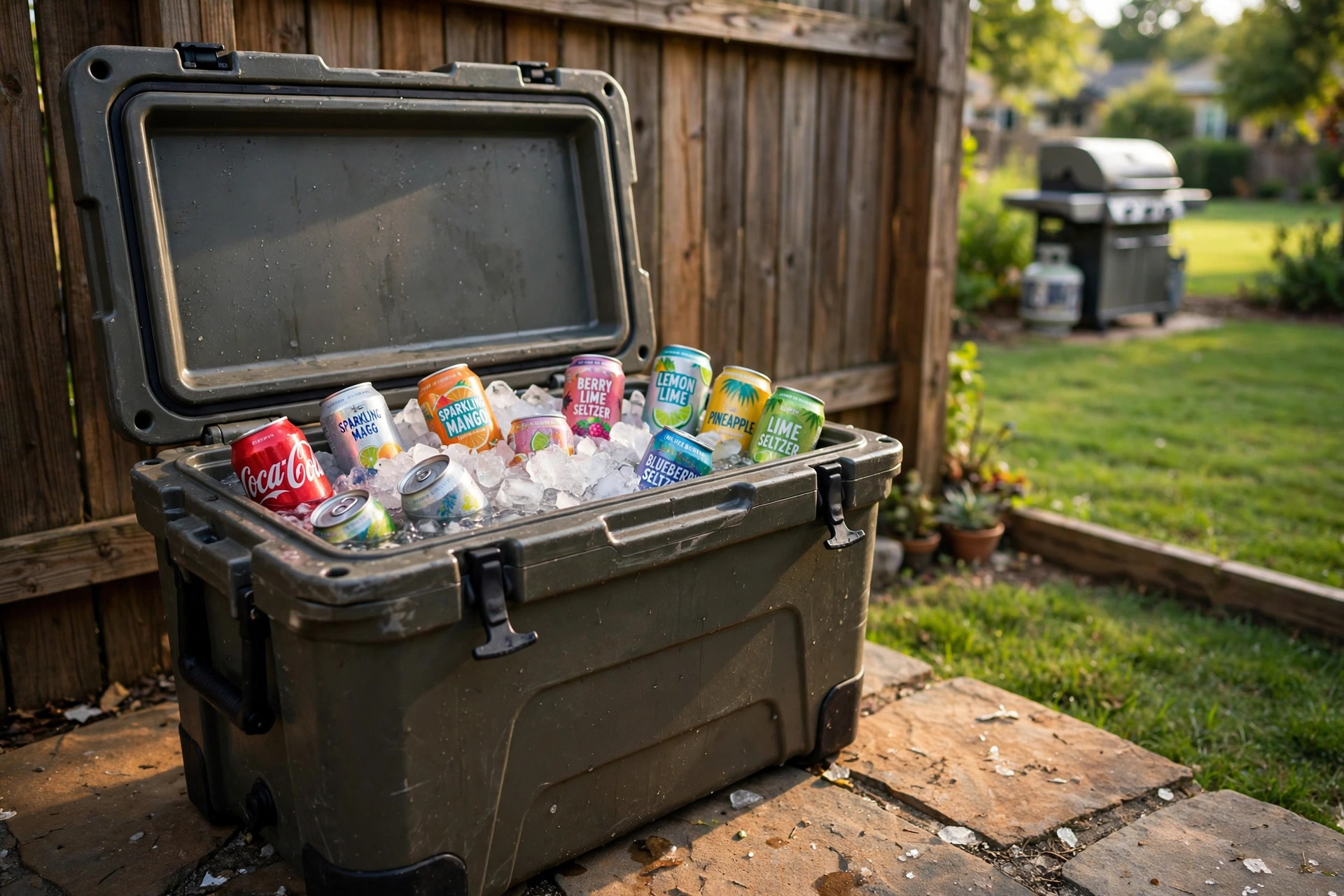
A warm drink can spoil a fine party. A cold one can lift it. That is why the best outdoor ice chest for parties is worth its place on the patio. It holds ice for hours. It keeps sodas, water, and beer at a crisp chill. It frees you from trips back to the kitchen. It lets guests serve themselves while you tend the grill.
Party hosts in America have used ice chests for decades. The idea is simple, but the details matter. Size, insulation, drainage, and wheels all shape how well a chest works on party day. This guide walks through each point in plain terms. It will help you pick the best outdoor ice chest for parties of your own and keep it working well for years.
Why a Good Ice Chest Matters at Parties
A party moves fast. Guests arrive in waves. Children run about. The host is busy with food. In that rush, no one wants to fetch drinks from the fridge one by one.
A large rolling ice chest with wheels solves the problem. You fill it once with ice and drinks. You park it where guests can reach it. The cold stays locked inside. The party flows on.
The best outdoor ice chest for parties also saves money. Bags of ice cost less than a second fridge. A strong chest keeps ice frozen for two or three days. You can buy ice the night before. You can rest easy on the morning of the party.
There is a social side too. A well stocked chest becomes a small gathering spot. Neighbors pause beside it. They chat while they pick a drink. It adds warmth to the yard in a quiet way.
What to Look For in an Ice Chest: Best Outdoor Ice Chest for Parties
Not every chest suits a party. A small lunch box cooler will fail you with twenty guests. A thin walled box will melt its ice by noon. Here are the points that matter most.
Size and Capacity
Start with your guest list. For ten to fifteen guests, a 60 quart chest is often enough. For twenty to thirty guests, look at 100 quarts or more. For large events, some hosts use two chests: one for sodas and water, one for adult drinks.
Measure your storage space as well. A big chest needs a home in the garage or shed between parties. Check the outside dimensions before you buy. A chest that will not fit through your door is no bargain.
Insulation and Ice Retention
The heart of any chest is its insulation. Thick foam walls hold the cold in and the heat out. Good lids seal tight with a rubber gasket. Some chests list an ice retention time of five days or more.
For a party, you do not need a week of retention. One full day of solid cold is plenty. Still, a better insulated chest buys you peace of mind. It also means less ice to buy. Reviews on The Spruce Eats often test how long real chests hold ice, which is a fine place to compare claims.
Drainage, Wheels, and Handles
Water builds up as ice melts. A good drain plug lets you empty it without tipping the chest. Look for a drain that resists leaks and turns with ease. A tethered plug will not get lost on the lawn.
Wheels matter for full chests. A loaded 100 quart chest can weigh over 100 pounds. Rolling it beats lifting it. Look for thick tires that can cross grass and gravel. Pair them with strong handles that lock in place.
Hinges and latches earn their keep too. Cheap hinges snap after a few seasons. Solid metal or reinforced plastic hinges last far longer. A lid that opens with one hand is a blessing when your other hand holds a plate of burgers.
Ease of Cleaning
After a party, the chest will be sticky. Juice and condensation coat the inside. A smooth interior wipes clean in minutes. Some chests have antibacterial linings that fight odors. A removable basket for dry goods is a nice extra.
Types of Outdoor Ice Chests
Chest designs fall into a few broad groups. Each suits a different kind of host.
Standard hard coolers. These are the classic boxes most people know. They are light, cheap, and easy to find. A 48 to 60 quart model serves a small family gathering well. Retailers like The Home Depot carry a wide range of sizes.
High performance coolers. These have thick insulation and rugged shells. They hold ice for days. They cost more, but they pay back at tailgates and weekend parties. Tests from Consumer Reports can help you see which brands live up to their claims.
Rolling coolers. Wheels and a pull handle come built in. They shine at parties where the chest must cross the yard. Older guests and children move them with ease.
Party specific coolers. Some chests are made for events. They may have raised lids that double as tables. Some include bottle openers on the side. A few have cup holders molded into the lid. For the best outdoor ice chest for parties, these small extras can make service smoother.
Electric coolers. These plug into a wall or a car outlet. They cool without ice. They work well near the house where power is close. They add weight and cost, so they suit hosts who entertain often.
Cost and Price
Prices span a wide range. A basic 48 quart chest may cost 40 to 60 dollars. A mid range rolling chest of 100 quarts may run 120 to 200 dollars. A top tier high performance chest of the same size can reach 300 to 400 dollars.
Ice is the hidden cost. A large chest may need 20 to 40 pounds of ice. At a dollar or two per bag, the total is small next to the food budget. You can cut it further by freezing water in milk jugs ahead of time. Solid blocks melt slower than cubes.
Think of the chest as a tool you will use for years. Spending a bit more on strong hinges and thick walls often pays off. A chest that lasts ten summers beats one you replace every two.
Care and Upkeep
Good care keeps a chest fresh and strong. Start with cleaning. After each use, wash the inside with warm water and mild soap. Rinse well. Let it dry with the lid open. A closed wet chest will soon smell sour.
For tough odors, wipe the inside with a mix of baking soda and water. Let it sit for an hour. Then rinse and dry. Avoid harsh bleach in large amounts, as it can harm the lining.
Store the chest with the lid cracked open. This stops mildew. Keep it out of long sun if you can. Ultraviolet light fades color and weakens plastic over time. A simple grill cover maker also sells covers that fit many chests, or a plain tarp will do.
Check the drain plug each spring. Replace a worn gasket before party season. Test the wheels on a full chest before the guests arrive. Small checks prevent big trouble on the day.
Safety
An ice chest is safe by design, but a party needs care. Keep raw meat drinks separate from drinks if you use the chest for food too. Better yet, use two chests: one for food, one for drinks.
Do not let small children climb inside. A heavy lid can close on them. Teach children to ask before opening the chest. Keep glass bottles out of reach of the youngest guests. Cans are safer on a busy patio.
Place the chest on level ground. A full chest on a slope can tip. Keep it away from the hot grill. Heat melts ice fast and can warp thin plastic. If you run a pellet grill or charcoal grill nearby, leave several feet of space.
Food safety counts too. Cold food should stay below 40 degrees. If the chest warms up, do not trust old food. When in doubt, throw it out. Guides at AmazingRibs explain safe holding times for party food in more depth.
How to Pack a Chest for Party Day
Packing well makes the cold last. Chill the chest the night before with a sacrificial bag of ice. Dump the melt water in the morning. This pre cooling can add hours of ice life.
Layer from the bottom up. Put a base of ice on the floor. Set the drinks in a single layer. Fill gaps with more ice. Drinks you need first go on top. If you serve from the chest all day, keep the lid shut between uses. Every open minute costs you cold.
For a long afternoon, use a two to one ratio of ice to drinks by volume. It sounds like a lot. It works. The drinks stay near freezing, and the ice lasts.
Label the chests if you use more than one. A strip of tape that reads SODAS and one that reads WATER saves guests from hunting. It also keeps the lids closed more of the time.
FAQ
How big should my ice chest be for 25 guests?
Plan on about 3 to 4 quarts per guest for a four hour party. For 25 guests, that means 75 to 100 quarts. Two 50 quart chests also work well and are easier to move than one giant box.
How long will ice last in a party chest?
In a decent hard chest in the shade, cube ice lasts 8 to 12 hours. Block ice lasts longer. Keep the chest out of direct sun and open it as little as you can. Pre cooling the chest helps a great deal.
Should I buy a rolling chest or a plain one?
If your party spot is far from the kitchen or car, buy rolling. A full chest is heavy. Wheels turn a two person job into a one person job. For a small deck party, a plain chest lifted by two adults is fine.
Can I use dry ice in an outdoor ice chest?
You can, with care. Dry ice keeps things frozen hard. Never touch it with bare hands. Never seal it in an airtight chest, as pressure can build. For drinks, regular ice is simpler and safer.
How do I keep the chest cold all weekend?
Refill with fresh ice each morning. Drain melt water before it pools. Park the chest in shade or under a canopy. A wet towel draped over the top adds a bit of extra insulation. High performance models from makers like Napoleon and Big Green Egg are built for multi day cold, though they are best known for grills.
What else pairs well with an ice chest at a cookout?
A good thermometer keeps meat safe, as our guide to the best BBQ thermometer wireless for grilling explains. If you cook on the move, see the best portable grill for camping reviews. And for hosts who want to widen the menu, the outdoor pizza oven for beginners reviews roundup is a fine next read. Makers such as Broil King also publish useful outdoor cooking guides.
A Short Final Word
The best outdoor ice chest for parties is not the fanciest one. It is the one that fits your crowd, holds its ice through the afternoon, and rolls where you need it. Pick the right size. Pack it with care. Keep it clean. It will serve you through many summers of good food and good company.
References
AmazingRibs.com. (n.d.). Barbecue and grilling science. https://www.amazingribs.com Big Green Egg. (n.d.). Kamado grills and outdoor cooking. https://www.biggreenegg.com Broil King. (n.d.). Gas and charcoal grills. https://www.broilkingbbq.com Char-Broil. (n.d.). Gas and charcoal grills. https://www.charbroil.com Consumer Reports. (n.d.). Product reviews and ratings. https://www.consumerreports.org Napoleon. (n.d.). Fireplaces, grills, and heating products. https://www.napoleon.com The Home Depot. (n.d.). Home improvement products. https://www.homedepot.com The Spruce Eats. (n.d.). Recipes and cooking guides. https://www.thespruceeats.com Traeger. (n.d.). Wood pellet grills. https://www.traeger.com Weber. (n.d.). Grills and outdoor cooking. https://www.weber.com
Was this guide helpful?

About James Carter
The My Garden US editorial team writes practical, in-depth home and garden guides for American homeowners — tested advice, no fluff.