A garden hose seems like a simple tool. Yet the search for the best garden hose for high pressure teaches many home owners a hard lesson. Cheap hoses split, kink, and leak at the worst times. When water pressure runs high, a weak hose can burst without warning. It can wash out a garden bed or soak a garage floor. The right hose saves time, saves water, and saves money over the long years.
High water pressure is common in many American homes. Some houses receive pressure above eighty pounds per square inch. That force can push a thin vinyl hose past its limit. A hose built for high pressure handles this force with ease. It keeps water flowing in a steady stream. It lasts for many seasons.
Why a Strong Hose Matters
Water pressure comes from the city main or from a private well. City pressure often ranges from forty to eighty pounds per square inch. Well systems can swing higher when the pump kicks on. Pressure also spikes at night when fewer neighbors draw water.
Every hose has a burst rating. This is the pressure at which the hose fails. A cheap hose may burst at two hundred pounds per square inch. A good hose rates at five hundred or more. Ratings printed on the package tell the truth about strength.
A burst hose is more than a mess. It can strip bark from young trees. It can flatten flowers in seconds. It can flood a crawl space if it fails near the foundation. A strong hose gives peace of mind. You can turn on the spigot and walk away with confidence.
Strong hoses also water better. Thin hoses bulge and stretch under pressure. This narrows the inner path and weakens the stream. A thick-walled hose holds its shape. Water reaches the far end of the yard with force to spare.
How to Choose a Hose for High Pressure: Best Garden Hose for High Pressure
Shopping for a hose feels simple. The wall of green coils in the store looks the same. But a few details separate the best from the rest.
Check the Burst Rating
Look for the burst pressure on the label. It should read at least five hundred pounds per square inch. Some heavy rubber hoses rate at six hundred or more. This number matters more than any other feature.
Pick the Right Material
Rubber is the old standard. It stays flexible in cold weather. It resists kinks. It costs more and weighs more. Reinforced vinyl is lighter and cheaper. It works fine for normal pressure. For high pressure, look for reinforced vinyl with multiple layers of mesh inside. Stainless steel hoses resist kinks and chew marks from pets. They do not stretch much and can feel stiff in the hand.
Choose the Diameter
Five-eighths of an inch is the common home size. It balances flow and weight. Three-quarter inch hose carries more water. This helps on long runs. It also weighs more when full. Half-inch hose is light but starves nozzles of flow. For most high pressure homes, five-eighths inch works well.
Insist on Brass Fittings
The ends of the hose take the most strain. Brass fittings last longer than plastic. They resist cracks from cold winters. They seal tight against the spigot. Crush-proof couplings cost a little more. They earn that cost the first time a mower wheel rolls over them.
Mind the Length
Long hoses lose pressure along the way. A one hundred foot hose delivers less force than a fifty foot hose. Buy the shortest hose that reaches your farthest corner. Two shorter hoses joined together work fine. For long runs across a big property, our guide to the best garden hose for large yards covers length and flow in more detail.
Test the Flexibility
A hose that fights you will kink. Kinks weaken the walls and cut flow. In the store, coil the hose and watch how it bends. Good hoses coil in smooth loops. Stiff hoses fight back. Rubber and hybrid hoses usually win this test.
Types of High Pressure Garden Hoses
Four main types share the market. Each has a place.
Rubber Hoses
Rubber hoses are the workhorses. They handle heat, cold, and rough use. They cost more and weigh more. They often carry the highest burst ratings. Many last ten years or more with basic care. Product testing groups such as Consumer Reports often rate rubber hoses near the top for strength.
Reinforced Vinyl Hoses
Vinyl hoses are light and cheap. Multi-ply vinyl with mesh reinforcement can handle strong pressure. They shine in warm weather. They grow stiff in winter cold. They suit home owners who want a light hose for everyday tasks.
Stainless Steel Hoses
Metal hoses wrap a flexible tube in steel armor. They resist kinks almost fully. Dogs cannot chew through them. They stay light. They can feel awkward to coil. They also cost more per foot. For homes with high pressure and tough conditions, they are worth a look.
Hybrid Hoses
Hybrid hoses mix rubber and vinyl. They aim for the middle ground. They stay flexible like rubber but cost less. Many home owners find them a good balance. Check the burst rating before you buy. Some hybrids rate high. Some do not.
Cost and Price
A good high pressure hose costs more than a cheap one. Expect to pay forty to eighty dollars for a fifty foot rubber hose. Reinforced vinyl costs twenty to forty dollars for the same length. Stainless steel runs sixty to one hundred and twenty dollars. Hybrid hoses sit in the middle.
Price alone does not tell the whole story. A thirty dollar hose that bursts in two years costs more over time than a sixty dollar hose that lasts ten. Divide the price by the years of use. The strong hose usually wins.
Watch for sales at large home stores. Retailers such as The Home Depot and Lowe’s often cut prices in spring. Spring is the main garden season. Late fall sales can also bring good deals as stores clear stock.
Do not forget the extras. A good nozzle costs ten to twenty dollars. Quick-connect fittings add speed when you switch tools. Our article on the best garden hose quick connect fittings explains which types seal best under pressure. A wall reel costs twenty to fifty dollars and pays for itself in hose life.
Care and Upkeep
Even the best garden hose for high pressure needs care. A few habits add years of life.
Drain the hose after each use. Water left inside breeds algae. It also adds weight that strains the walls. Coil the hose in wide loops. Tight coils create weak spots. Store it out of the sun. Sunlight breaks down rubber and vinyl over time.
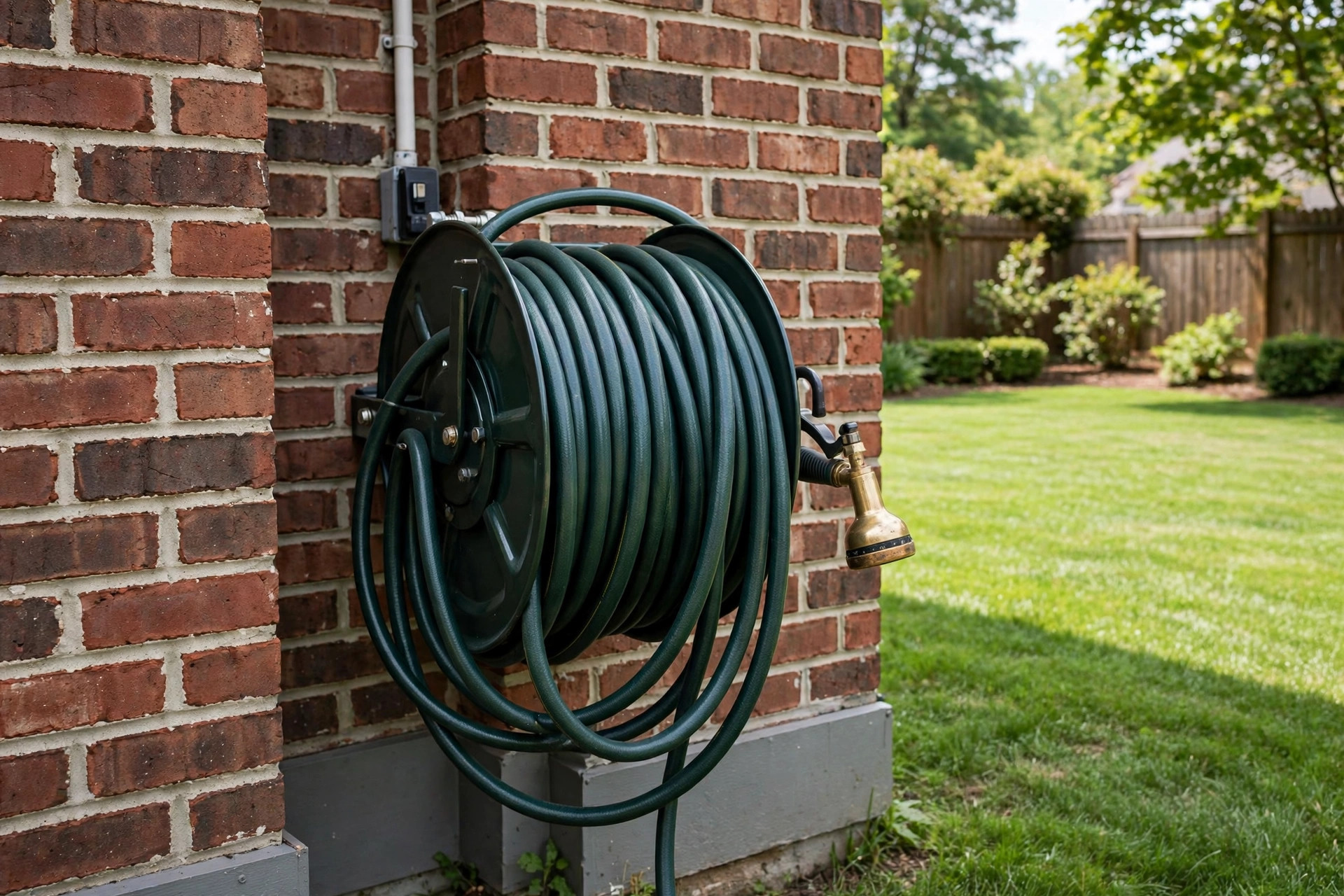
A reel or hanger keeps the hose off the ground. This stops kinks and keeps mowers away. The Gardener’s Supply Company sells many reel styles for walls and carts. Pick one that fits your space.
Before winter, drain the hose fully. Store it indoors if you can. Water trapped inside can freeze and crack the walls. Disconnect it from the spigot. This protects both the hose and the pipes.
Check the washers each spring. The small rubber ring inside each coupling wears out. A worn washer causes drips and leaks. Replacement washers cost pennies. Keep a small bag in the garden shed.
Wash the outside now and then. Dirt and sap dry on the surface. A quick rinse keeps the hose flexible. Tools makers such as Fiskars and Corona Tools offer cleaning and storage tips for garden gear in their guides.
Safety Tips
High pressure water can hurt. Treat the hose with respect.
Never point a strong stream at people or pets. Water at high pressure can cut skin. Keep children away when you test a new hose. Check for weak spots before you turn the water on full.
Use a pressure regulator if your home pressure runs very high. Regulators screw onto the spigot. They protect hoses, nozzles, and pipes. Guides at Bob Vila explain how to test home water pressure with a simple gauge.
Do not drink from a garden hose unless the label says it is safe. Some hoses contain lead or other chemicals. Look for hoses marked safe for drinking water if this matters to you.
Wear gloves when you handle metal hoses. The steel surface can grow hot in the sun. Safety glasses help when you clean with a jet nozzle. Plant care sites such as Burpee remind gardeners to water roots, not faces, when tending beds.
Store chemicals away from the hose. Fertilizer and weed killer can damage hose walls. Rinse the hose after you use it with any sprayer mix.
Common Mistakes to Avoid
Many hose problems come from small errors. A little care avoids them.
The first mistake is buying too long a hose. Extra length means extra weight. It also means lost pressure. Measure from the spigot to the farthest corner of the yard. Add a few feet for slack. Buy that length and no more.
The second mistake is leaving the hose in the sun. Sunlight is the slow enemy of every hose. It dries out rubber. It cracks vinyl. A reel under an eave or in a shaded corner adds years to hose life. If shade is not an option, a simple hose cover helps.
The third mistake is dragging the hose by the nozzle. This strains the coupling. Couplings are the most common failure point. Carry the hose or pull it by the middle of the coil. Use a reel to wind it back up.
The fourth mistake is skipping the washer check. The small rubber ring inside each end wears thin. Water sprays from the joint. Many people blame the hose and buy a new one. A fresh washer often fixes the leak in seconds.
The fifth mistake is storing the hose with water inside over winter. Ice expands as it forms. It splits walls and cracks couplings. Drain fully before the first frost. Store indoors if you can. These habits cost nothing. They pay back in years of service.
Frequently Asked Questions
What burst rating should I look for in a high pressure hose?
Look for at least five hundred pounds per square inch. Six hundred or more gives a wide safety margin. Home water pressure rarely passes one hundred pounds. But spikes happen. A high rating protects against them.
Can I connect a garden hose to a pressure washer?
Most pressure washers need a special high pressure hose. A garden hose feeds water into the washer. It does not carry the washer’s output. Check the washer manual before you connect anything.
Does hose length affect water pressure?
Yes. Longer hoses lose pressure along the way. A fifty foot hose delivers more force than a one hundred foot hose of the same type. Buy the shortest hose that reaches your work area.
Are brass fittings really better than plastic?
Brass lasts longer. It resists cracks and cross-threading. Plastic fittings work for a season or two. Under high pressure, plastic fails first. Spend the extra money on brass.
How do I stop my hose from kinking?
Buy a hose with kink resistance built in. Rubber and metal hoses kink least. Coil in wide loops. Never yank a stuck hose. Use a reel for storage. Replace the hose if kinks become permanent. Watering guides at The Spruce offer more tips for smooth, tangle-free watering.
What is the best garden hose for washing car and high pressure tasks?
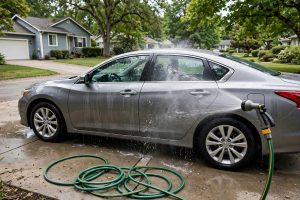
For car washing, a light flexible hose pairs well with a foam nozzle. The hose still needs a solid burst rating. Our guide to the best garden hose for washing car covers nozzles and pressure that clean paint without harm.
A Final Word
The best garden hose for high pressure is not the fanciest one on the shelf. It is the one with a high burst rating, strong brass ends, and walls built for stress. Match the length to your yard. Store it with care. Treat it as the working tool it is. A good hose turns a chore into a pleasure. Your garden, your driveway, and your wallet will thank you for years.
References
Bob Vila. (n.d.). Home improvement advice. https://www.bobvila.com Burpee. (n.d.). Seeds, plants, and gardening supplies. https://www.burpee.com Consumer Reports. (n.d.). Product reviews and ratings. https://www.consumerreports.org Corona Tools. (n.d.). Garden and landscape tools. https://www.corona-tools.com Fiskars. (n.d.). Garden and cutting tools. https://www.fiskars.com Gardener’s Supply Company. (n.d.). Gardening tools and supplies. https://www.gardeners.com Lowe’s. (n.d.). Home improvement products. https://www.lowes.com The Home Depot. (n.d.). Home improvement products. https://www.homedepot.com The Spruce. (n.d.). Home and garden advice. https://www.thespruce.com
Was this guide helpful?

About Robert Taylor
The My Garden US editorial team writes practical, in-depth home and garden guides for American homeowners — tested advice, no fluff.