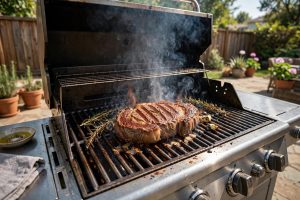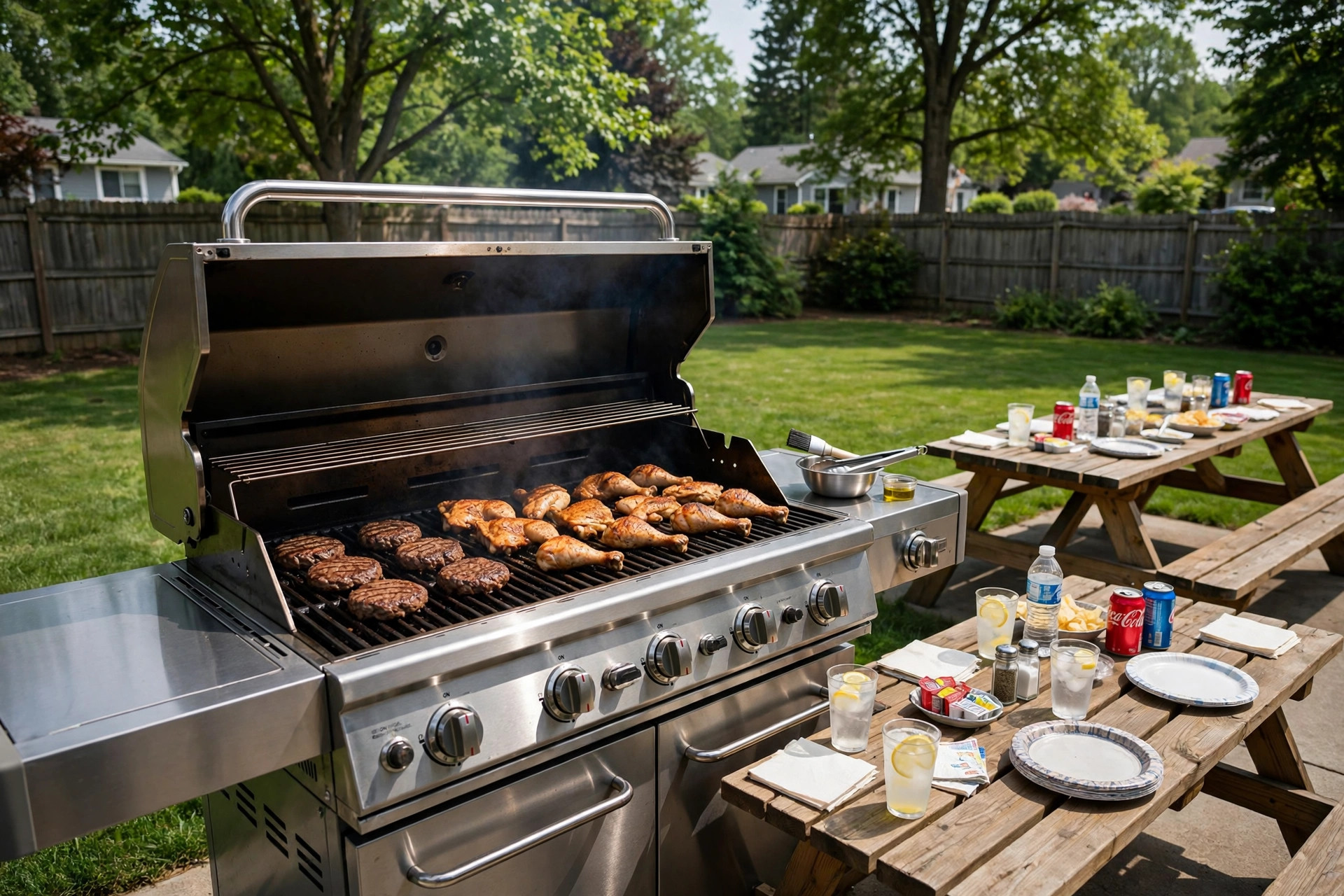

A family reunion cookout is one of the finest uses of a backyard grill. The cousins are there. The grandparents are there. The little ones are running around with paper plates. Everyone is hungry at the same time. Finding the best bbq for family reunion cookout means more than picking the prettiest grill at the store. It means choosing a cooker that can feed thirty, forty, or fifty people without stress, smoke, or cold food.
This guide walks through the choice in plain terms. It covers why size matters, what fuel types fit big groups, which styles of cooker suit a crowd, what such a unit costs, how to keep it running, and how to keep everyone safe. By the end, you will know exactly what to buy for your next reunion.
Why the Right BBQ Matters at a Reunion
A reunion is not a quiet Tuesday dinner. It is a crowd. When twenty burgers, thirty hot dogs, and a tray of chicken all need heat at once, a small grill becomes a bottleneck. Food comes off in slow waves. The first group eats while the last group waits. That is not the spirit of a reunion.
A grill built for a crowd changes the whole day. Cooking goes faster. Food lands on the table at the same time. The cook actually gets to visit with family instead of standing guard over a tiny kettle for four hours.
There is also the matter of distance. A reunion draws people from far away. They remember the food. A good spread of ribs, chicken, and burgers gives them a reason to come back next year. The best bbq for family reunion cookout is the one that lets the cook serve everyone well and still enjoy the day.
Planning is the other half. Reunions are booked months ahead. The grill you buy should be ready weeks before the big day, so you can practice. A new cooker always cooks a little differently from an old one. Two or three test runs save a great deal of embarrassment later.
What to Look for When You Choose: Best Bbq for Family Reunion Cookout
Start with cooking space. For a group of thirty to fifty, look for at least 700 to 900 square inches of cooking surface. That sounds like a lot, but it is simply what a crowd needs. Smaller groups of fifteen to twenty can manage with 500 square inches or more.
Next, think about heat control. A reunion cook often juggles several foods at once. Chicken needs gentle heat. Burgers want high heat. A cooker with two or more separate heat zones lets you cook both at the same time. Gas grills often have three or four burners. Pellet grills hold a set temperature across the whole surface.
Portability matters too. Some families hold the reunion at a park or a rented pavilion. A grill that weighs three hundred pounds and needs a gas line will not travel. Look at weight, wheels, and how it breaks down if you need to move it.
Durability is worth attention. A reunion grill may cook for eight or ten hours straight in summer heat. Thin metal warps and rusts. Heavy-gauge steel, porcelain-coated grates, and solid carts last longer and cook more evenly. Reviews from Consumer Reports can help you compare build quality across brands before you buy.
Finally, consider who will cook. If Uncle Joe has run a charcoal grill for years, do not hand him a complicated pellet grill the morning of the reunion. The best bbq for family reunion cookout is one the cook already understands, or one simple enough to learn with a little practice.
Types of BBQ for a Crowd
There are several styles of cooker, and each has its strengths for a big group.
Gas Grills
Gas is the workhorse of reunion cooking. It lights fast, heats evenly, and offers separate burners for different foods. A four- or five-burner gas grill with a side burner gives you space for grilling, warming, and even a pot of corn. Models from makers such as Weber, Napoleon, and Broil King come in large sizes with roomy carts and strong lids. Gas is also the easiest fuel for a helper to manage if the main cook needs a break.
Charcoal Grills and Smokers
Charcoal gives food a deep, smoky flavor that gas cannot match. A large kettle grill or a charcoal cabinet smoker can handle ribs, brisket, and whole chickens for a crowd. If you love classic smoke, read up on a best charcoal grill for backyard bbq before you decide. Charcoal asks more of the cook, though. It needs time to light, steady attention to hold temperature, and fresh fuel for long cooks.
Pellet Grills
Pellet grills burn small wood pellets and hold a set temperature like an oven. They are excellent for low and slow cooking: brisket, pork shoulder, and ribs for fifty people with very little fuss. Traeger helped make this style popular, and large models now offer more than 800 square inches of cooking space. The trade-off is price and the need for electricity to run the auger and fan.
Kamado Grills
Kamado cookers, like the ones from Big Green Egg, are ceramic, round, and very efficient. They sear steaks beautifully and hold low temperatures for smoking. Their round shape limits how much food fits at once, so they work best as a second cooker beside a bigger grill at a reunion.
Flat Top Griddles and Deep Fryers
A flat top griddle cooks breakfast for a crowd with ease: pancakes, eggs, bacon, and sausage all at once. An outdoor deep fryer can handle a whole turkey, which feeds many mouths fast. If the menu goes beyond burgers, look at the best outdoor deep fryer for turkey as a companion to your main grill. Retailers such as The Home Depot carry grills, fryers, and griddles side by side so you can compare sizes in person.
Extra Burners and Warming Racks
Many large gas grills include a side burner and a warming rack. The side burner heats baked beans or boils corn without a trip to the kitchen. The warming rack holds finished food at serving temperature while the next batch cooks. Both are small features that make a big difference at a reunion.
Cost and Price
Prices vary widely. A large charcoal kettle grill may cost between 150 and 400 dollars. A good four-burner gas grill runs from 400 to 900 dollars. Big pellet grills and premium gas models can cost 1,000 to 2,500 dollars or more.
Think about cost per year, not just cost today. A well-built grill that lasts ten years is cheaper than a flimsy one replaced every two summers. Stainless steel burners, cast iron grates, and thick lids are worth paying for.
Do not forget fuel and extras. Propane tanks need filling. Charcoal and pellets cost money by the bag. Add a sturdy cover, long-handled tools, a reliable thermometer, and extra fuel for the day. A good wireless thermometer from a barbecue science site can teach you how to track meat temperature the right way.
If the budget is tight, a best gas grill under 500 for beginners is a sensible starting point. It will feed a crowd, and you can add a smoker or griddle later when funds allow.
Care and Upkeep
A reunion grill works hard, so it needs steady care.
Clean the grates after every cook. A wire brush while the grill is still warm removes most residue. Empty grease traps and drip pans before they overflow. Grease fires are the most common grill problem, and they are preventable.
Check gas connections each season. A simple soap-and-water test on the hose and fittings shows leaks as bubbles. Replace worn hoses and regulators before they fail.
For charcoal and pellet cookers, empty the ash after each use. Ash holds moisture and causes rust. Keep the firebox and auger clean so fuel feeds smoothly.
Cover the grill when it is not in use. Sun and rain age a grill fast. A fitted cover is one of the cheapest ways to add years to its life.
Season cast iron grates like a skillet. A thin coat of cooking oil, heated until it smokes, builds a nonstick layer that improves with use.
Safety
Safety deserves its own section because a reunion means children, pets, and distractions.
Keep the grill at least ten feet from the house, the garage, and anything that burns. Never grill in a garage or under a low porch roof, even if it rains. Set up a simple shelter instead.
Keep children and pets three feet from the grill at all times. A curious toddler and a hot lid are a bad match. Ask one adult to be the grill watcher when food is cooking.
Never leave a lit grill alone. Coals stay hot for hours after cooking. Douse charcoal with water and stir the ashes before you call the day done.
Keep a fire extinguisher or a bucket of sand nearby. A spray bottle of water handles small flare-ups, but grease fires need the extinguisher. Never throw water on a grease fire.
Wash hands and tools between raw and cooked meat. A reunion buffet sits out in warm air, so keep cold foods cold and hot foods hot. Do not let cooked food sit out for more than two hours.
FAQ
How big a grill do I need for 50 people?
Plan on 700 to 900 square inches of cooking surface. That lets you cook burgers, dogs, and chicken at the same time. A warming rack adds room for finished food. Two medium grills can beat one small one.
Is gas or charcoal better for a reunion?
Gas is easier and faster, which matters when a crowd is hungry. Charcoal gives better smoky flavor but needs more skill and time. Many families use gas for the main cooking and add a small charcoal kettle or smoker for ribs. For a classic cookout feel, Char-Broil offers both styles in large sizes.
Can I cook everything on one grill?
You can cook most reunion foods on one large grill, but timing matters. Start slow foods like ribs and chicken first. Add burgers and hot dogs last, since they cook fast. Use two heat zones so finished food can rest while the next batch sears.
What should I buy first if I am on a budget?
Buy the largest sturdy grill you can afford, a cover, and a good thermometer. Fancy accessories can wait. A best gas grill under 500 for beginners covers the basics well.
How early should I start cooking?
For a noon meal, light the grill by eight in the morning if you are smoking ribs or brisket. Burgers and dogs need only thirty to forty minutes of cooking time, but the grill should be hot and clean before guests arrive.
Should I practice before the reunion?
Yes. Cook at least one full practice meal on the new grill. Learn how hot it runs, how fast it heats, and how much fuel it uses. Practice turns a stressful morning into a calm one.
A Short Final Word
The best bbq for family reunion cookout is not the most expensive one. It is the one that fits your crowd, your menu, and your cook. Size the cooking surface for the guest list. Pick a fuel the cook trusts. Add room for warming, a side burner for extras, and a cover for the years ahead.
A reunion comes once a year. The food should be worth the trip. With the right grill and a little practice, you can send everyone home full and happy, already talking about next year.
References
AmazingRibs.com. (n.d.). Barbecue and grilling science. https://www.amazingribs.com Big Green Egg. (n.d.). Kamado grills and outdoor cooking. https://www.biggreenegg.com Broil King. (n.d.). Gas and charcoal grills. https://www.broilkingbbq.com Char-Broil. (n.d.). Gas and charcoal grills. https://www.charbroil.com Consumer Reports. (n.d.). Product reviews and ratings. https://www.consumerreports.org Napoleon. (n.d.). Fireplaces, grills, and heating products. https://www.napoleon.com The Home Depot. (n.d.). Home improvement products. https://www.homedepot.com Traeger. (n.d.). Wood pellet grills. https://www.traeger.com Weber. (n.d.). Grills and outdoor cooking. https://www.weber.com
Was this guide helpful?

About Lisa Anderson
The My Garden US editorial team writes practical, in-depth home and garden guides for American homeowners — tested advice, no fluff.
You May Also Like
Best BBQ for Small Balcony Reviews: What to Know Before You Buy
September 28, 2026 0 views
How to Clean Outdoor Griddle After Cooking: A Simple Step-by-Step Guide
March 30, 2026 0 views
Outdoor Kitchen Countertop Material Options: A Plain Guide
February 27, 2026 0 views