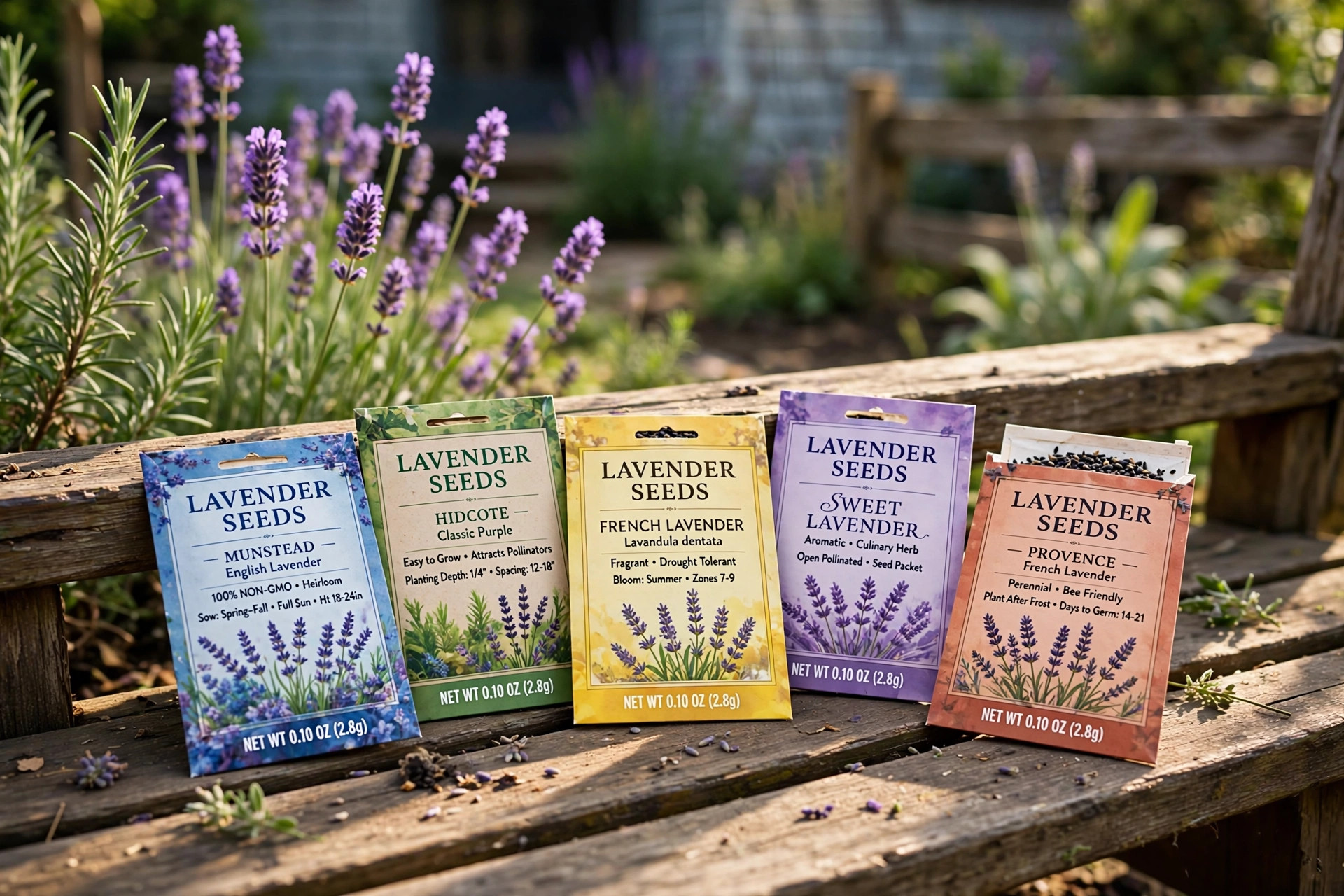

Lavender is one of the most loved plants in American gardens. It smells sweet. It looks soft and calm. Bees and butterflies love it. Many gardeners dream of rows of purple bloom near their porch or along a walk. If you are looking for lavender seed packets USA online deals, this guide will help you. You will learn what makes a good deal, what to check before you click buy, and how to grow strong plants from tiny seeds.
Why It Matters to Buy Good Lavender Seeds
A seed packet may cost less than a cup of coffee. Still, the choice matters. Cheap seeds with poor germination waste your time and soil. A good deal is not just a low price. It is fair price for fresh, true seed.
Lavender from seed takes patience. The plants grow slowly at first. They need light, warmth, and care. If the seed is old or weak, few will sprout. Then the season is lost. When you find real lavender seed packets USA online deals, you save money and gain a full growing season.
Seeds also give you more plants for less money than nursery pots. One packet can hold fifty to two hundred seeds. Even half of them sprouting gives you many plants. That is why seed shoppers hunt for deals. They want a low price per plant, not just a low price per packet.
What to Look for When You Buy Online: Lavender Seed Packets Usa Online Deals
Start with the seed type printed on the packet. The label should name the species, such as English lavender or French lavender. If the packet says only “lavender” with no species name, be careful. You may not get the plant you expect.
Check the pack date. Seed packets carry a “packed for” year. Fresh seed from the current or last year gives the best sprout rates. Seeds older than three years often lose strength. Many trusted garden retailers print this date clearly, and a look at a seed buying guide can show you how to read these labels.
Read the seed count. Deals can fool the eye. A packet that costs two dollars for twenty seeds is dearer than a packet that costs four dollars for one hundred seeds. Do the simple math. Divide the price by the seed count. That gives you the real deal.
Look at the seller. Large seed houses test their stock. They list germination rates on the back of the packet. Good sellers store seed in cool, dry rooms. A seed company home page will often share its testing standards. Small unknown sellers may not test at all. Reviews help, but the testing data matters more.
Check the shipping cost. Many online deals look cheap until shipping is added. A packet that costs three dollars with six dollars shipping is not a deal. Some stores ship seeds free or add them free to a larger order. Always add the shipping before you judge the price.
Types of Lavender Seed Packets
Not all lavender is the same. Your choice shapes the garden you get.
English lavender is the classic kind. It grows well in cold winters. Its scent is strong and sweet. It is a good pick for northern states. Many packets sold in the United States carry this type.
French lavender blooms earlier and longer. It likes warm weather. It does less well in deep cold. It is a good pick for southern gardens.
Spanish lavender has round, showy flower heads. It looks bold and bright. It is less hardy than English types. It suits mild climates.
Lavandin is a hybrid. It grows tall and fast. It gives large amounts of oil and scent. It is often used in soaps and sachets. The plants can be bigger than you expect, so give them room.
Some packets hold a mix of types. Mixed packets are fine for casual borders. But if you want one look and one scent, choose a named variety. The packet should print the variety name, such as Munstead or Hidcote. These names have been trusted for many years, and nursery growers like those at Monrovia keep detailed notes on each one.
Cost and Price of Online Seed Packets
Most lavender seed packets in the United States cost between one and eight dollars. Basic packets from big stores sit near the low end. Rare or named varieties cost more.
Online deals appear in several forms. Bulk packs lower the price per seed. Five packets in one bundle often cost less than five single packets. Some sellers cut prices at the end of spring. Others run free shipping days. Signing up for a store letter can bring a first-order discount.
A fair deal for common lavender seed is two to four dollars for at least fifty seeds, before shipping. Named varieties may run five to eight dollars for fewer seeds. That is still a good deal if the germination rate is high. A seed catalog will let you compare these prices side by side.
Watch out for false deals. A packet with a huge seed count at a very low price may hold old or mixed seed. A price that seems too good often hides a trick. Compare the pack date and the seed count, not just the headline price.
If you plan a large border, buying in bulk is wise. Ten packets at a discount beat ten full-price packets. Some gardeners split a bulk order with a neighbor. Both save money. Both get fresh seed.
How to Start Lavender From Seed
Lavender seed needs light to sprout. Do not bury it deep. Press the seed gently onto the surface of moist soil. A thin dust of sand or fine soil on top is enough. Then set the tray in a warm spot with bright light.
Most lavender seed sprouts best near seventy degrees. A heat mat under the tray helps. The soil must stay moist but not wet. Mist it with a spray bottle. Cover the tray with a clear lid or plastic wrap until the first green tips show. Then remove the cover so air can move.
Be patient. Lavender can take two to four weeks to sprout. Some types take longer. Do not throw the tray away too soon. Keep the soil lightly moist and the light bright. A plant growing guide explains each of these steps in plain terms.
When the seedlings have two sets of true leaves, move each one to its own small pot. Use a light, sandy mix. Lavender roots hate standing water. Water from the bottom if you can. Let the top of the soil dry between waterings.
Give the young plants strong light for fourteen to sixteen hours a day. A simple shop light hung a few inches above the tray works well. Turn the tray each day so the stems grow straight.
Harden the plants before they go outside. Set them in the shade for an hour on the first day. Add a little more time and sun each day. After a week they can stay out all day. Plant them in the garden after the last frost. Space them twelve to eighteen inches apart. Good air flow keeps the leaves dry and healthy. The federal extension resources at NIFA offer solid advice on safe home gardening practice.
Care and Upkeep of Young Lavender
Lavender likes sun and poor soil. Full sun means six hours or more each day. Rich, wet soil harms it. A sandy or gravelly bed is best. If your soil is heavy clay, mix in sand and small stones.
Water deeply but rarely. Let the soil dry out between waterings. Most lavender dies from too much water, not too little. In hot, dry weeks, water once a week. In cool weeks, water even less.
Do not feed young plants heavily. A light feeding in spring is enough. Too much fertilizer makes soft, weak growth. The plants then lose scent and winter hardiness.
Prune each year after bloom. Cut back about one third of the green growth. Do not cut into old, woody stems. They may not regrow. A neat trim keeps the plant full and round. The Old Farmer’s Almanac keeps a yearly calendar that can remind you of pruning time.
Watch for root rot. Yellow leaves and soft stems often mean too much water. Improve drainage fast. Move potted plants under cover in long rainy spells.
Safety Notes for the Home Garden
Lavender is safe for most home gardens. Still, a few care points matter.
Keep seed packets away from small children. Seeds are not food. Some packets add a fungicide coating. Read the packet. Wash your hands after sowing.
Lavender oil is strong. The plants are fine to touch. But concentrated oil can irritate skin. Use oil products as the label directs. If you plan to use lavender in food, grow it without sprays. Use only types known to be safe for cooking.
Pets rarely bother lavender. The scent puts most of them off. Still, keep curious puppies from chewing young plants. New growth is soft and easy to damage.
Check local rules before you plant near wild land. Lavender is not native to North America. In most places it stays where you plant it. But rules differ by state. A quick check with your local extension office costs nothing.
Frequently Asked Questions
How long do lavender seeds stay good? Most lavender seeds stay strong for two to three years if kept cool and dry. Store packets in a sealed jar in the refrigerator. After three years, germination drops. Old seed may still sprout, but fewer will.
When should I buy lavender seed packets online? Late winter and early spring bring the best choice. Stores restock for the new season. Prices are fair. Deals grow larger in late spring as stores clear stock. For fall sowing in warm states, shop in late summer.
Can I grow lavender indoors from seed? Yes, with strong light. A south window may not be enough in winter. Add a grow light. Keep the air moving with a small fan. Indoor plants need less water. Let the soil dry between waterings.
Why are my lavender seeds not sprouting? Three causes are most common. The seed was buried too deep. The soil was too cold. Or the seed was too old. Lavender needs light, warmth near seventy degrees, and fresh seed. Some growers chill the seed in the refrigerator for a few weeks before sowing. This cold step can wake stubborn seed.
Is it cheaper to buy seeds or plants? Seeds are cheaper by far. A packet costing three dollars can yield dozens of plants. One nursery plant often costs six to ten dollars. Seeds take more time and care. Plants give faster results. Many gardeners start a few plants from a nursery and grow the rest from seed.
Which lavender type is easiest from seed? English lavender types are the most forgiving for beginners. They sprout well and handle cold. Named varieties from a tested seed house give the most even results. A seed supplier page often marks which varieties suit new growers.
Growing More Than Lavender
Once your lavender is started, you may want more plants for the house and yard. Many seed shoppers buy several kinds at once to save on shipping. If you like indoor green plants, pothos plants in bulk ship well and grow with little care. For bright indoor color, gardeners in warm states often search for fiddle leaf figs for Florida homes. And if you love spring bloom, daffodil bulb packs for California homes are a simple next step.
A Final Word
Good lavender seed packets USA online deals are easy to find once you know what to check. Look for a named type, a fresh pack date, and a fair price per seed. Add the shipping before you judge. Buy from sellers who test their stock. Then give the seeds light, warmth, and patience. Your garden will pay you back with scent and color for years. Proven Winners and other plant breeders keep working on stronger varieties, and White Flower Farm is another long-trusted name gardeners consult for quality stock.
References
Burpee. (n.d.). Seeds, plants, and gardening supplies. https://www.burpee.com Gardening Know How. (n.d.). Gardening guides and plant care. https://www.gardeningknowhow.com Gurney’s Seed & Nursery Co. (n.d.). Seeds, plants, and garden supplies. https://www.gurneys.com Monrovia. (n.d.). Plants for home gardens. https://www.monrovia.com National Institute of Food and Agriculture. (n.d.). Agricultural research and extension. https://www.nifa.usda.gov Park Seed. (n.d.). Seeds, plants, and gardening supplies. https://www.parkseed.com Proven Winners. (n.d.). Plants and gardening inspiration. https://www.provenwinners.com The Old Farmer’s Almanac. (n.d.). Gardening calendars and advice. https://www.almanac.com The Spruce. (n.d.). Home and garden advice. https://www.thespruce.com White Flower Farm. (n.d.). Plants, bulbs, and garden supplies. https://www.whiteflowerfarm.com
Was this guide helpful?

About David Wilson
The My Garden US editorial team writes practical, in-depth home and garden guides for American homeowners — tested advice, no fluff.
You May Also Like
Pothos Plants Bulk USA Online Deals: A Practical Guide for Buyers
March 8, 2026 0 views
Where to Buy Morning Glory Seeds in the USA: A Plain Guide
September 20, 2026 0 views
Dahlia Bulbs Bulk USA Online Deals: How to Buy More Tubers for Less Money
February 3, 2026 0 views