
Some dogs test every fence, gate, and open door. They climb, dig, and slip through gaps the owner never saw. For these dogs, a collar that only holds a name tag is not enough. The best gps dog collar for escape artist dogs adds a live location signal, so an owner can act fast when a dog gets loose. This guide explains what these collars do, how to pick one, what they cost, and how to use them in a safe and fair way.
Why It Matters
A lost dog is one of the hardest problems a pet owner can face. Each year many thousands of dogs run from homes in the United States. Some slip out during storms. Some follow a scent through an open gate. Some simply love to roam. The American Kennel Club and the ASPCA both advise owners to plan ahead for a lost dog, because the first hours after an escape are the most important.
A GPS collar does not stop a dog from running. It gives the owner a real chance to find the dog fast. When a dog crosses a set boundary, the collar sends an alert to a phone. The owner then sees the dog on a map, minute by minute. That shortens the search from hours to minutes in many cases. For a known runner, that speed can be the difference between a scary story and a true loss.
Training, fences, and good habits remain the core of dog safety. A GPS tracking collar for dogs who run away is a backup tool, not a replacement for a fence or a leash. Owners who see it this way get the most value from it.
What to Look For and How to Choose: Best Gps Dog Collar for Escape Artist Dogs
Tracking Technology
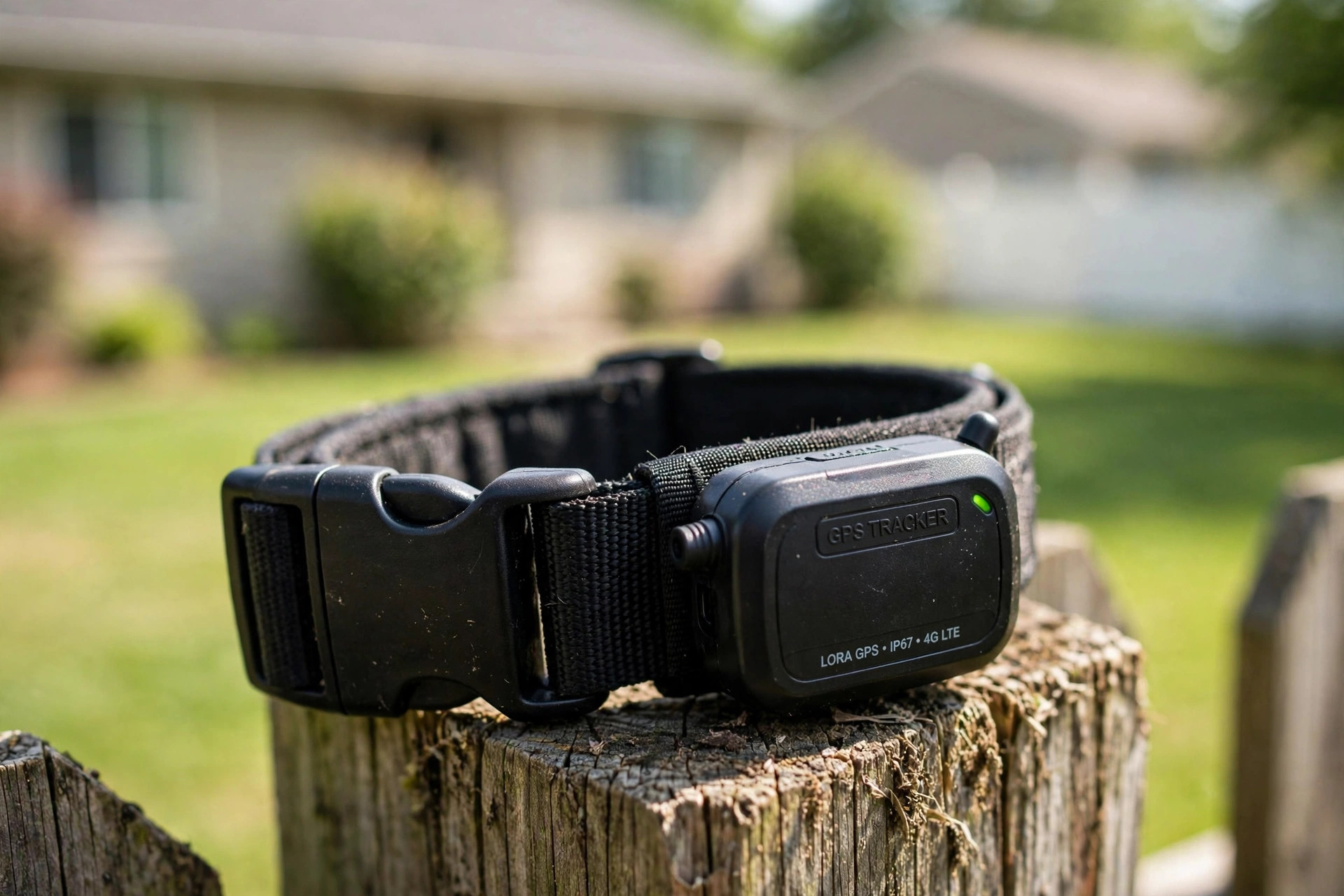
GPS collars use different signals to report a dog’s place. Most home models use the Global Positioning System satellites, then send the fix through the cell network to the owner’s phone. This works well in most of the country. It needs clear sky for a good fix and a cell signal to pass the data along.
Other systems use radio signals between a handheld receiver and the collar. These suit rural owners who work far from cell towers. A third group uses short-range Bluetooth, which only helps when the dog is near. For an escape artist, a real-time GPS model with cell back-up is the common and sound choice. The FCC explains how wireless location services work, which helps owners grasp why a collar may read less well indoors or in deep woods.
Range and Coverage
Ask one question before any other: where does the collar work? Some plans cover the whole country through large carriers. Some cover only parts of the nation. A dog who escapes in the owner’s county may run far. A collar with wide coverage matters more than one with a long list of extra features.
Owners should also check how often the unit updates its place. Ten-second updates give a near-live trail. Updates every few minutes can miss a fast dog’s turns. Live tracking drains the battery faster, so most apps let the owner raise the update rate only while the dog is loose.
Battery Life
Battery life decides whether the collar helps in a true emergency. A unit that dies after six hours is of little use on a long search day. Look for at least two to three days of normal standby, with a low-battery warning sent to the phone. Many good collars charge by USB in about two hours. Some include a spare module so the dog never goes unprotected while one unit charges.
Fit and Comfort
An escape artist will test a loose collar as hard as a loose fence. The collar must sit snug enough that the dog cannot back out of it, yet loose enough to fit two fingers between strap and neck. Wide straps spread pressure and resist chewing. Waterproof housing matters, because a runner may cross creeks, mud, and rain.
Weight matters for small dogs. A heavy module on a ten-pound dog is unfair and unwise. Makers list the module weight and the neck range. Measure the dog’s neck with a soft tape before buying. A chewy dog collar buying guide and the pet care pages at PetMD both stress proper collar fit, and their advice fits GPS collars as well as flat collars.
App and Alerts
The phone app is half the product. It should show the dog on a clear map, keep a history of past walks, and send fast alerts when the dog leaves a set zone. These zones, called safe areas, are the heart of the system. The owner draws a fence on the map around home or a friend’s farm. If the dog steps past the line, the phone buzzes at once.
Look for apps that work on both major phone systems and that keep records for at least a full day. A history trail helps the owner learn the dog’s habits. If the dog always slips out near the same corner at dusk, the owner can fix that corner. The Spruce Pets has plain guides to pet tech that help owners judge an app before money changes hands.
Types of GPS Dog Collars
Cellular GPS Trackers
These are the most common for home use. They ride on cell networks, so the owner can see the dog from any place with a phone signal. They need a monthly or yearly plan. They suit suburban and city dogs best. Brands like those sold through large pet shops and reviewed at Consumer Reports fall in this group.
Radio and GPS Combo Units
These pair a GPS receiver on the dog with a hand unit for the owner. They need no cell plan and no phone. Hunters and rural owners favor them, because they work in deep woods where cell towers fade. The range can reach many miles with a clear line of sight. The cost up front is higher, and the owner must carry the receiver.
Short-Range Finders
Bluetooth and radio tag finders suit a different job: a dog lost inside a house, a yard, or a park nearby. They cannot track across town. They are cheap and need no plan. For a true escape artist, they are a weak tool. They can still serve as a second layer on a house dog, but they are not the answer for a dog known to bolt.
Cost and Price
Prices vary with the technology inside. A basic cellular GPS collar often costs between thirty and one hundred dollars for the unit. Radio combo units often cost between two hundred and four hundred dollars. These are one-time prices, and they rise with build quality and battery size.
The service plan is the lasting cost. Most cellular collars need a plan of five to fifteen dollars a month, or a lower rate when paid by the year. Some makers add family sharing, long history, or worldwide coverage for extra fees. Owners should read the plan terms before buying the hardware. A cheap collar with a costly plan can cost more over two years than a dearer collar with a fair plan.
Replacement straps, chargers, and spare modules add small costs over time. None of these are large. The main question is simple: can the owner keep the plan active every month? A GPS collar with a dead plan is just a heavy collar. If the budget is tight, a shorter plan with a clear renewal date beats a long plan that lapses by surprise.
Care and Upkeep
A GPS collar needs the same care as any piece of outdoor gear. Wipe the module with a damp cloth after muddy days. Check the charging port for dirt before each charge. Look at the strap weekly for chew marks, cracked edges, and loose stitching. Replace a worn strap at once, because an escape artist will find the weak point first.
Keep the app up to date. Makers fix map bugs and battery drain through app updates. Test the safe-zone alert once a month by walking the dog just past the line while a helper watches the phone. A test takes five minutes and proves the system still works. Store a spare charger where the owner can reach it fast, such as by the door used for walks.
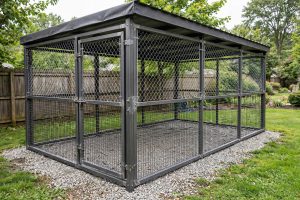
Many owners pair a GPS collar with other layers of safety. A sturdy best dog crate for anxious dogs escape proof gives the dog a calm den at home, which can lower the urge to bolt. A well-planned best dog fence for large yard no digging keeps the yard honest without torn-up grass. For play time, an outdoor dog run with roof for backyard gives a runner safe space to burn energy. Layers beat any single device.
Safety
Fit and use decide whether a GPS collar is safe. Never leave a collar so tight that it presses the throat or rubs the skin raw. Check under the strap each week for red marks or lost fur. Dogs that scratch hard at a new module may need a slower start: short wear at home, treats, and praise, until the dog pays it no mind.
Water ratings matter. A collar rated for rain may fail in a pond. If the dog swims, pick a unit rated for full dips, and rinse it with fresh water after salt or lake water. In heat, remember that a dark module in full sun grows hot. Give the dog shade and water, and never use the collar as an excuse to leave a dog tied out in harsh weather.
A GPS collar is a tool, not a guard. It does not train a dog, fix a broken fence, or replace a leash near roads. Owners should still teach recall, fix fence gaps, and keep gates latched. The ASPCA reminds owners that lost-dog prevention starts with the basics: ID tags, a microchip, a secure yard, and calm training. A real time dog GPS tracker sits on top of that base and earns its keep there.
Frequently Asked Questions
Will a GPS collar work if my dog runs into the woods?
It depends on the signal path. GPS needs a view of the sky, so deep cover can slow the fix. Cellular models also need a cell signal to send the place to the phone. Most woods still allow a fix, just a slower one. Radio combo units often work better far from towns. Check the coverage map for the owner’s area before buying.
Does a GPS dog collar need a monthly plan?
Most cellular models do. The plan pays for the cell data that carries the location to the phone. Some makers offer pay-by-year plans at a lower rate. Radio units and short-range finders need no plan. Owners should weigh the monthly cost against the value of a fast find.
Can a small dog wear a GPS collar?
Yes, if the module is light and the strap fits. Makers list a minimum neck size and the unit weight. As a rule, the module should stay under about five percent of the dog’s weight, and the strap must sit snug. Very small dogs do best with the lightest models on the market.
How accurate is a GPS dog collar?
In open sky, most units read within ten to thirty feet. That is close enough to find a dog in a field or a street. Near tall buildings or under thick tree cover, the error grows. The app often shows a circle of doubt around the pin. Walk to the center of the circle and look and listen from there.
Is a GPS collar a fair replacement for training?
No. Training teaches the dog to come when called and to respect bounds. A collar finds the dog after training fails. The best results come from both: steady training at home and a tracker for the bad days. Owners who train first often find the tracker alerts less and less over time.
Can the collar help find a stolen dog?
It can help, because it shows where the dog goes. Owners should give the live map to the police and not chase a thief alone. Keep the plan active and the unit charged so the trail stays live. Many makers, including the big pet-tech firms, advise owners to work with law officers in these cases.
A Final Word
The best gps dog collar for escape artist dogs is the one the owner keeps charged, fitted, and paired with a working plan. Fancy features matter less than steady basics: wide coverage, fast alerts, honest battery life, and a strap the dog cannot shrug off. Pair the collar with training, a sound fence, and calm habits, and a known runner becomes a managed risk. For extra help with pet care and lost-dog planning, owners can turn to groups like Rover’s pet care resources and the care guides at Whistle’s pet tracker pages. The goal is simple and old: bring the dog home safe, every time.
References
American Kennel Club. (n.d.). Dog care and training resources. https://www.akc.org ASPCA. (n.d.). Pet care and animal welfare resources. https://www.aspca.org Chewy. (n.d.). Pet supplies. https://www.chewy.com Consumer Reports. (n.d.). Product reviews and ratings. https://www.consumerreports.org FCC. (n.d.). Wireless location services and coverage. https://www.fcc.gov Garmin. (n.d.). GPS pet tracking and outdoor products. https://www.garmin.com PetMD. (n.d.). Pet health information. https://www.petmd.com Rover. (n.d.). Pet sitting and dog walking services. https://www.rover.com The Spruce Pets. (n.d.). Pet care guides and product reviews. https://www.thesprucepets.com Tractive. (n.d.). GPS trackers for dogs and cats. https://www.tractive.com Whistle. (n.d.). Pet GPS trackers and health monitors. https://www.whistle.com
Was this guide helpful?

About Jennifer Lee
The My Garden US editorial team writes practical, in-depth home and garden guides for American homeowners — tested advice, no fluff.
You May Also Like
Best Dog Bed for Crate Washable Insert: A Complete Guide
April 19, 2026 0 views
Pet First Aid Kit for Dogs and Cats: What Every Home Should Keep Close
June 22, 2026 0 views
Pet Door for Screen Door Installation Dogs: A Simple Guide for Dog Owners
July 25, 2026 0 views