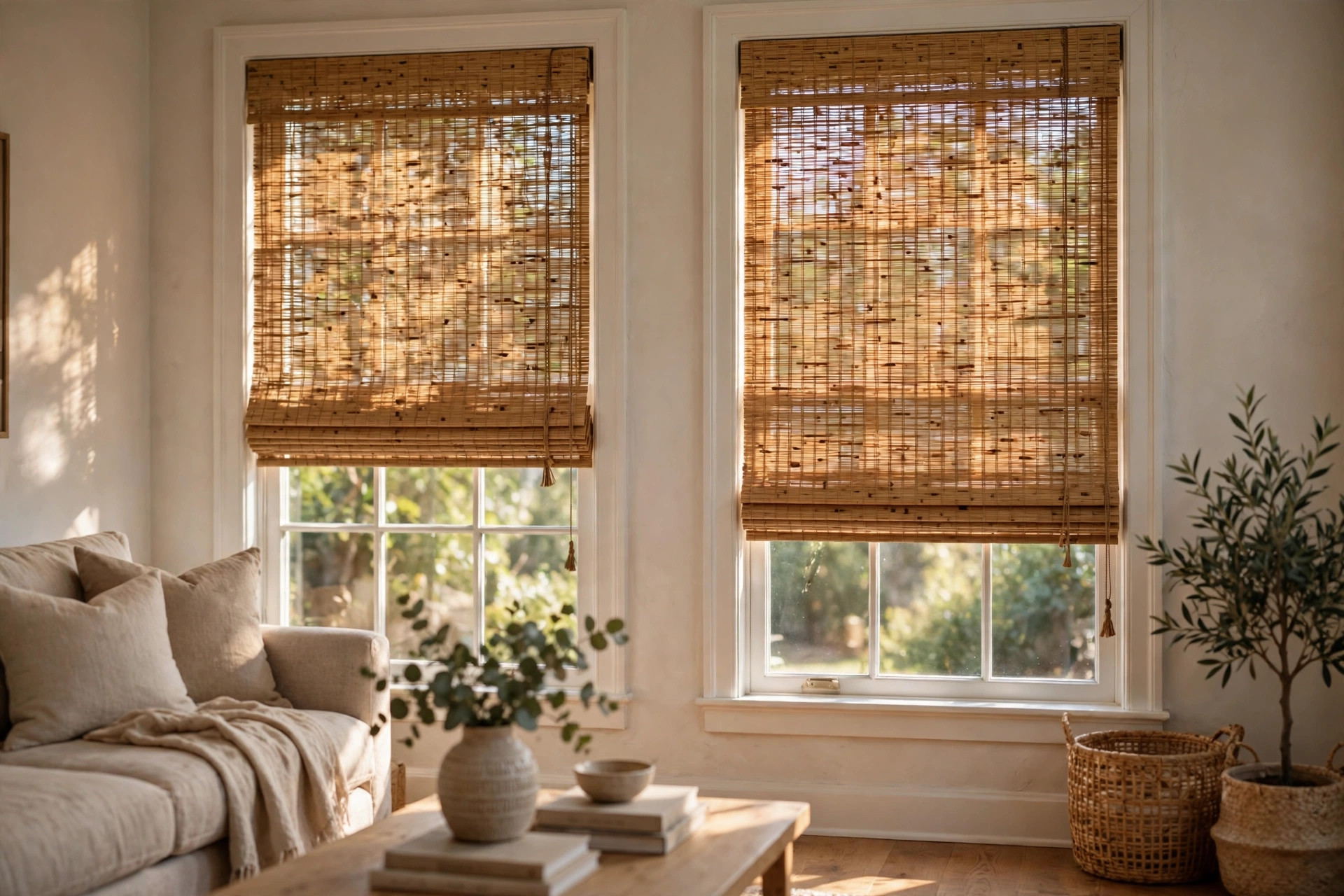

Woven wood shades have become a favorite window treatment in American homes, and our woven wood shades reviews and buying guide explains why. Made from natural grasses, reeds, bamboo, and jute, these shades bring warmth and texture that fabric curtains cannot match. They filter sunlight into a soft glow while still letting you see the outdoors. Buyers praise their relaxed, coastal, and farmhouse look. But not every woven shade suits every window. This guide walks you through types, costs, measuring, installation, and care so you can buy with confidence.
Why Woven Wood Shades Matter
Windows shape how a room feels. Bare glass looks cold and lets in harsh glare. Heavy drapes block the view and darken the room. Woven wood shades sit in the middle. They soften light, add privacy, and keep the room bright.
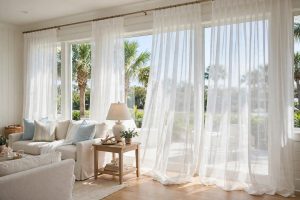
Natural materials are the main draw. Bamboo, rattan, grasses, and jute age well and fit many styles. They work in living rooms, bedrooms, kitchens, and sunrooms. They pair nicely with white curtains layered on top for extra privacy at night.
Energy matters too. Light-filtering weaves let daylight in, which cuts the need for lamps during the day. In hot climates, they reduce glare and heat gain when lowered. They are not blackout shades, but they take the edge off strong sun.
Many homeowners also like the price. Woven wood shades often cost less than custom shutters or lined drapes. Stock sizes from big retailers keep the cost down, while custom widths fit odd windows.
How to Choose: What to Look For: Woven Wood Shades Reviews and Buying Guide
Material and Weave
The material sets the look and the light level. Bamboo shades give a clean, modern grain. Grass and reed weaves look rustic and airy. Jute and hemp add a thick, nubby texture. Tight weaves block more light and give more daytime privacy. Loose weaves let in more view and breeze of light.
Hold a sample up to a window before you order. Light through a loose weave can be bright. If the room faces a busy street, pick a tighter weave or plan to add a privacy liner.
Privacy Liner Options
Most makers offer liners that attach behind the shade. A light-filtering liner keeps the glow but hides shapes from outside. A blackout liner turns the shade into a darkening blind for bedrooms. Liners add cost but solve the one weakness of woven wood: thin privacy at night when lamps are on.
Lift Style
Standard shades roll up from the bottom with a cord. Top-down, bottom-up styles let you lower the top for light while covering the lower half. Cordless lift is cleaner and safer for homes with children or pets. Motorized options open and close with a remote or a phone app, which helps on tall windows.
Measuring
Measure the window frame in three spots: top, middle, and bottom for width; left, middle, and right for height. Use the smallest number. Decide between an inside mount, which sits in the frame and shows trim, or an outside mount, which covers the frame and the wall around it. Inside mounts need at least an inch and a half of frame depth.
Types and Options
Flat Roman Fold
Flat woven shades stack in soft horizontal folds when raised. This is the most common style. It suits traditional and farmhouse rooms. The folds show the weave texture when up.
Hobbled or Soft Fold
Hobbled shades keep gentle curves even when fully lowered. They look fuller and dressier. They cost a bit more and take up more stack space at the top.
Roll-Up Style
Roll-up woven shades curl from the bottom like a scroll. They have a casual, porch-like feel. They are simple and often cheaper. The roll can look uneven if the weave is thick.
Bamboo Matchstick Shades
Thin bamboo slats tied with cord make the classic matchstick blind. They are light and airy, great for sunrooms and patios. They give the least privacy of the group.
Lined and Blackout Versions
Factory-lined shades come with the liner sewn in. This saves you from clipping one on later. Blackout-lined woven shades work well in bedrooms and nurseries. The lined back hides the weave from the street, which some homeowners associations require.
Related options worth a look include noise reducing bamboo roman shades for Texas homes, affordable bamboo roman shades buying guide, and top rated cordless cellular shades for American homes.
Cost and Price
Prices vary with size, material, and custom work. Stock woven wood shades from large home stores often run from about 40 to 120 dollars per window for standard sizes. Mid-range custom brands with liners and cordless lifts run 150 to 350 dollars per window. Full custom work with motorized lifts can pass 500 dollars per window.
Extra costs add up. Liners add 30 to 80 dollars. Cordless or top-down upgrades add 20 to 60 dollars. Motorization adds 100 to 250 dollars per shade. Professional measuring and installation runs 50 to 150 dollars per window if you do not want to do it yourself.
Watch for sales. Window treatment retailers run deep discounts several times a year. Buying all the shades for one floor at once often brings a bulk price. Online guides from Blinds.com and The Spruce track seasonal deals and compare maker prices.
Care and Upkeep
Woven wood shades need little care, but natural fibers dislike harsh treatment. Dust them monthly with a soft brush or a vacuum with a brush head. Work from top to bottom so dust falls away.
For spots, use a dry cloth or a barely damp one. Do not soak the weave. Water can stain bamboo and cause grasses to swell. Let any damp spot air dry fully with the shade lowered.
Keep them out of steamy bathrooms unless the maker rates them for humidity. Bathrooms and kitchens with heavy cooking grease suit faux wood or vinyl better. In dry rooms, a light spray of furniture polish on a cloth keeps bamboo looking rich.
Raise and lower them gently. Jerking the cord wears the lift strings. Cordless shades last longer when you push and pull from the center, not the edge.
Safety
Cord safety is the top issue with any window shade. Loose cords can harm small children and pets. The U.S. Consumer Product Safety Commission warns about corded window coverings and backs cordless designs for homes with young children.
Choose cordless or motorized lifts if kids or pets use the room. If you keep corded shades, use the cord cleats that come in the box. Wrap the cord high on the wall, out of reach. Never place a crib or a child bed under a corded shade.
Check the weight rating of your mounting screws. Wide woven shades are heavy. Use wall anchors on drywall. Test the shade by tugging gently after you hang it.
Shopping Tips
Read product reviews before you buy. Shoppers on Wayfair and Home Depot post photos that show true color in daylight. Colors on a screen often look warmer or darker in person.
Order free swatches first. Hold them against your wall and trim at different times of day. Morning light, noon light, and evening lamp light change how the weave reads.
Compare return policies. Custom shades are often final sale. Stock sizes can go back. If you are unsure about fit, buy one stock shade for a small window first and test it.
Look at room ideas for style cues. HGTV and IKEA show woven shades in real rooms, which helps you picture the weave next to your paint and floors. Lowe’s and Bob Vila publish buying checklists that walk through measuring step by step. For lab-style product testing notes, Consumer Reports covers window treatments and lift safety.
Common Buying Mistakes to Avoid
Many buyers order too fast and regret it. The most common mistake is guessing the size. A shade that is half an inch too narrow leaves a light gap at the sides. One that is too wide will not fit inside the frame. Always measure with a steel tape, write down the numbers, and double-check before you click buy.
Another mistake is ignoring the stack height. When a woven shade rolls up, it forms a thick roll at the top. On a short window this roll can cover a big part of the glass. Check the product specs for the raised height. If the window is small, a flat-fold style stacks tighter than a roll-up style.
Color mismatch is common too. Bamboo shades in a warm honey tone can clash with gray walls. Grasses with green tints can fight with warm wood floors. Swatches save you from this. Tape the swatch to the window trim and live with it for two days. Look at it in daylight and at night under lamps.
Some shoppers forget the liner until after the shades arrive. Then they pay for shipping twice or settle for a clip-on liner that never hangs right. Decide on the liner before you order. If the room needs night privacy, buy the lined version from the start.
Finally, do not mix makers across one room. Two brands of “natural bamboo” can differ in tone and weave. Buy all shades for one room from the same line so the color stays even.
Frequently Asked Questions
Do woven wood shades give privacy at night?
Not much on their own. With lights on inside, shapes show through the weave. Add a light-filtering or blackout liner for real night privacy.
Can I use them in a bathroom?
Only in a well-vented bathroom with low steam. Natural fibers swell and spot in damp air. Pick a humidity-rated shade or use faux wood instead.
Are they hard to install?
Most are simple. Two or three brackets screw into the frame or wall, and the shade snaps in. An inside mount takes about twenty minutes per window with a drill and a level.
Do they block heat?
They cut glare and some heat gain, but they are not insulation. For hot south-facing windows, pair them with a liner or reflective film for better results.
How long do they last?
With gentle use and dusting, good woven wood shades last eight to twelve years. Sun fades some grasses over time, so rotate or replace shades on the sunniest windows first.
Can I cut a woven shade to fit?
Do not cut the weave. Frayed edges unravel and the lift cords fail. Order the right size or buy stock and return what does not fit.
Final Word
Woven wood shades bring natural warmth, soft light, and honest texture to a home. Our woven wood shades reviews and buying guide boils down to a few rules: pick the weave for your light and privacy needs, add a liner where night privacy matters, go cordless around children, and measure twice before you order. With those steps done, you will enjoy shades that look good for years and cost less than many custom options.
References
Blinds.com. (n.d.). Window blinds, shades, and shutters. https://www.blinds.com Bob Vila. (n.d.). Home improvement advice. https://www.bobvila.com Consumer Reports. (n.d.). Product reviews and ratings. https://www.consumerreports.org HGTV. (n.d.). Home and garden ideas. https://www.hgtv.com IKEA. (n.d.). Home furnishings. https://www.ikea.com Lowe’s. (n.d.). Home improvement products. https://www.lowes.com The Home Depot. (n.d.). Home improvement products. https://www.homedepot.com The Spruce. (n.d.). Home and garden advice. https://www.thespruce.com U.S. Consumer Product Safety Commission. (n.d.). Product safety information. https://www.cpsc.gov Wayfair. (n.d.). Furniture and home goods. https://www.wayfair.com
Was this guide helpful?

About Lisa Anderson
The My Garden US editorial team writes practical, in-depth home and garden guides for American homeowners — tested advice, no fluff.
You May Also Like
Budget Friendly Noise Reducing Curtains Buying Guide
July 19, 2026 0 views
Best Kids Room Blackout Curtains for Southern States: A Parent’s Guide
September 18, 2026 0 views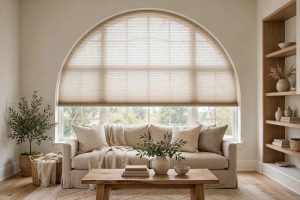
Buy Arched Window Shades Online in the USA
February 22, 2026 0 views